
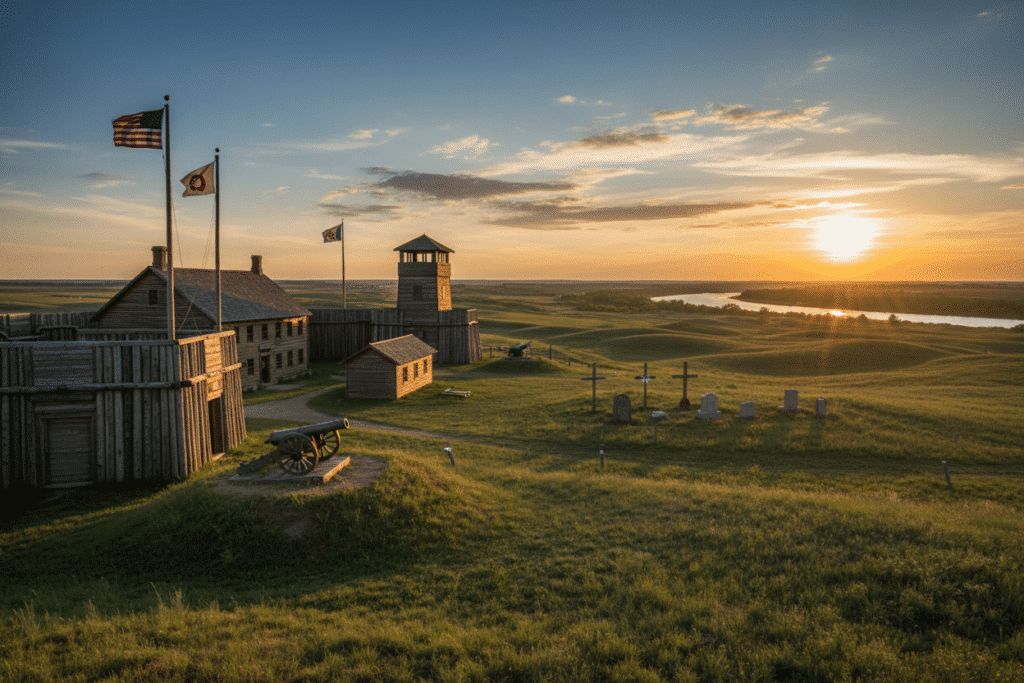
Nestled along the Missouri River in North Dakota, Fort Abraham Lincoln State Park stands as one of America’s most historically significant destinations. This remarkable site witnessed pivotal moments in our nation’s westward expansion and serves as the departure point for Lieutenant Colonel George Armstrong Custer’s fateful final campaign. Today, visitors can walk in the footsteps of cavalry soldiers, explore reconstructed military buildings, and experience the rich tapestry of frontier life that shaped the American West.
The park offers far more than just military history – it’s a window into the complex interactions between Native American cultures, military forces, and frontier settlers during one of America’s most transformative periods. Whether you’re a history enthusiast, nature lover, or family seeking an educational adventure, Fort Abraham Lincoln State Park delivers an unforgettable experience that brings the past to vivid life.
The Historical Significance of Fort Abraham Lincoln
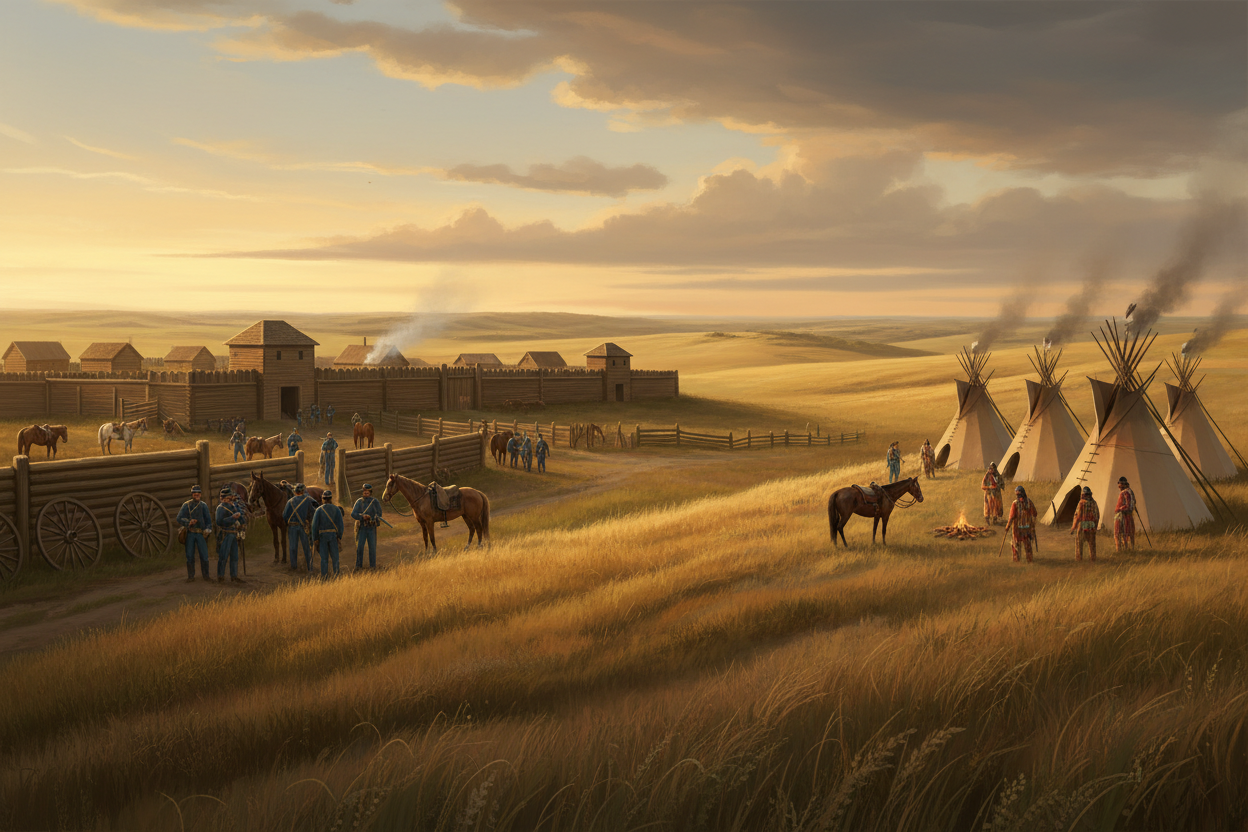
Established in 1872, Fort Abraham Lincoln quickly became one of the most important military installations on the northern Great Plains. The fort served as headquarters for the 7th Cavalry Regiment and played a crucial role in the U.S. government’s efforts to control the Dakota Territory during the tumultuous 1870s.
The installation actually consisted of two distinct areas: the military fort proper and the nearby Mandan Indian village site known as On-A-Slant Village. This unique combination makes the park particularly valuable for understanding the broader context of frontier life, including the perspectives of both military personnel and Native American communities who had inhabited the region for centuries.
What makes this location truly extraordinary is its connection to some of the most famous figures in American frontier history. Beyond Custer himself, the fort housed numerous notable military officers and their families, creating a vibrant community that reflected the challenges and opportunities of frontier military life.
Custer’s Final Departure: The Beginning of the End
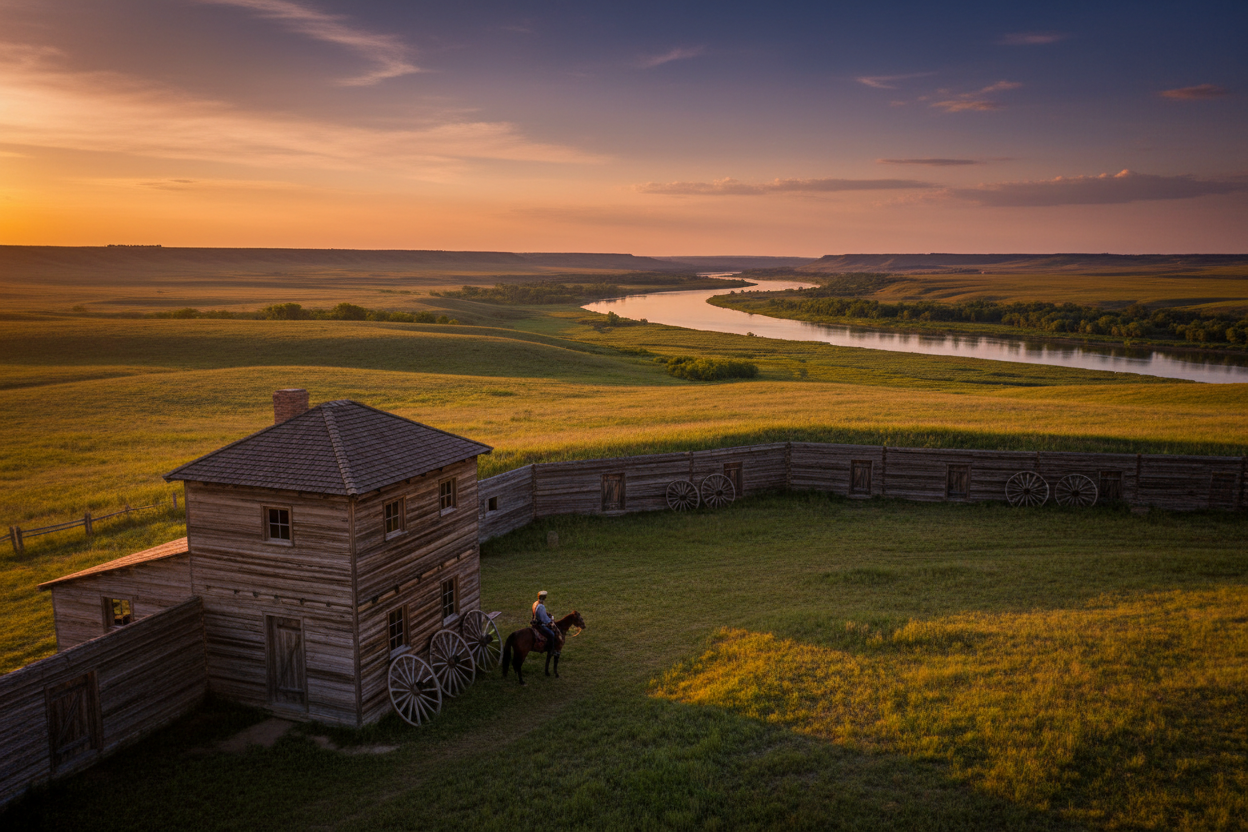
On May 17, 1876, Lieutenant Colonel George Armstrong Custer led the 7th Cavalry out of Fort Abraham Lincoln on what would become known as the Dakota Column of the Great Sioux War. This departure marked the beginning of a campaign that would culminate in the Battle of Little Bighorn just over a month later.
The scene must have been both stirring and somber as approximately 1,000 soldiers, along with their horses, supply wagons, and equipment, assembled for what many sensed might be a dangerous mission. Libbie Custer, George’s wife, watched from the fort as her husband rode away for the final time, later writing movingly about the premonitions she experienced that morning.
Contemporary accounts describe the impressive sight of the fully equipped cavalry column stretching for miles across the Dakota prairie. The soldiers were well-supplied and confident, believing their superior firepower and military training would ensure victory against any Native American forces they might encounter. History, of course, would prove them tragically wrong.
Exploring the Reconstructed Fort Today
Modern visitors to Fort Abraham Lincoln State Park can explore meticulously reconstructed buildings that bring the 1870s military installation back to life. The reconstruction project, completed using historical documents, archaeological evidence, and period photographs, offers an authentic glimpse into frontier military life.
The commanding officer’s quarters, where the Custers lived, stands as perhaps the most impressive structure. This elegant two-story home reflects the surprising comfort and sophistication that high-ranking officers enjoyed even on the frontier. Furnished with period-appropriate items, the house tells the story of military families who made the fort their home despite its remote location.
The enlisted men’s barracks provide a stark contrast, showing the more spartan conditions under which regular soldiers lived. These long, narrow buildings housed dozens of men in cramped quarters, highlighting the significant class distinctions that characterized military life in the 1870s. Interactive exhibits help visitors understand daily routines, military discipline, and the challenges soldiers faced during long Dakota winters.
On-A-Slant Village: Native American Heritage
One of Fort Abraham Lincoln State Park’s most valuable features is the reconstructed Mandan Indian village known as On-A-Slant Village. This site preserves and interprets the rich cultural heritage of the Mandan people, who established permanent settlements along the Missouri River centuries before European contact.
The village reconstruction includes several earth lodges built using traditional Mandan techniques and materials. These impressive structures, partially underground and covered with earth and sod, provided excellent insulation against harsh prairie weather. Walking through these lodges gives visitors a profound appreciation for Mandan architectural ingenuity and their sophisticated understanding of their environment.
Interpretive programs at On-A-Slant Village explore Mandan culture, including their agricultural practices, trade relationships, and spiritual beliefs. The Mandan were skilled farmers who grew corn, beans, and squash along the fertile Missouri River bottomlands. They also served as important intermediaries in trade networks that connected tribes across the Great Plains.
Natural Beauty and Outdoor Activities
While history draws many visitors to Fort Abraham Lincoln State Park, the natural beauty of the Missouri River valley provides equally compelling reasons to visit. The park encompasses diverse landscapes, from prairie grasslands to wooded river bottoms, supporting abundant wildlife and offering numerous recreational opportunities.
Hiking trails wind through various habitats, allowing visitors to experience the same landscapes that Custer and his soldiers knew. The park’s elevated position provides spectacular views across the Missouri River and the surrounding countryside. During spring and fall migrations, the area becomes a prime location for bird watching, with numerous species using the river corridor as a travel route.
The park also offers camping facilities for those who want to extend their stay. Spending a night under the vast Dakota sky, listening to the sounds of coyotes and owls, helps visitors connect more deeply with the frontier experience. Modern amenities ensure comfort while preserving the sense of being in a wild, expansive landscape.
Educational Programs and Living History
Fort Abraham Lincoln State Park excels in bringing history to life through dynamic educational programs and living history demonstrations. Throughout the summer months, costumed interpreters portray various aspects of 1870s life, from military drills and cavalry demonstrations to traditional Mandan crafts and cooking techniques.
These programs go beyond simple entertainment, providing historically accurate information based on extensive research. Visitors can watch blacksmiths at work, observe period cooking methods, and learn about the daily challenges faced by both soldiers and Native Americans. Children particularly enjoy hands-on activities that let them experience historical skills and crafts firsthand.
Special events throughout the year commemorate significant historical anniversaries and seasonal celebrations. The annual Custer’s Last Stand reenactment draws visitors from across the region, while traditional Mandan harvest festivals celebrate Native American cultural continuity. These events create opportunities for deeper learning and cultural exchange.
Planning Your Visit to Fort Abraham Lincoln State Park
Located just south of Mandan, North Dakota, Fort Abraham Lincoln State Park is easily accessible from Interstate 94. The park typically operates from May through September, with peak visitation during summer months when all facilities and programs are available. However, the grounds remain open year-round for those interested in winter visits.
Admission fees are modest, making the park an affordable destination for families and groups. Guided tours are available and highly recommended, as knowledgeable guides provide context and details that significantly enhance the visitor experience. Self-guided tour options allow for more flexible scheduling while still providing excellent interpretive information.
The park’s visitor center serves as an excellent starting point, featuring exhibits, a gift shop, and helpful staff who can customize recommendations based on your interests and available time. Plan to spend at least half a day to see the major attractions, though history enthusiasts could easily spend a full day exploring all the park has to offer.
Frequently Asked Questions
Q: Is Fort Abraham Lincoln State Park the same place as the Battle of Little Bighorn?
A: No, Fort Abraham Lincoln State Park is where Custer and the 7th Cavalry departed from in May 1876. The actual Battle of Little Bighorn took place in Montana about six weeks later. The park commemorates the departure point of Custer’s final campaign, not the battle itself.
Q: How long should I plan to spend at the park?
A: Most visitors spend 2-4 hours exploring the reconstructed fort and On-A-Slant Village. However, if you’re interested in hiking, camping, or attending special programs, you might want to plan a full day or overnight visit.
Q: Are the buildings original or reconstructed?
A: The buildings are reconstructions based on historical evidence, archaeological findings, and period photographs. The original fort was abandoned and deteriorated after the military departed in 1891. The reconstructions are historically accurate and built using period-appropriate materials and techniques.
Q: Can I visit during winter months?
A: The park grounds are open year-round, but the visitor center and most interpretive programs operate only from May through September. Winter visits can be beautiful but require appropriate clothing for harsh Dakota weather conditions.
Q: Is the park suitable for children?
A: Absolutely! The park offers excellent educational opportunities for children, with hands-on activities, living history demonstrations, and engaging interpretive programs designed to make history accessible and interesting for young visitors.
Q: Are pets allowed in the park?
A: Pets are welcome in most areas of the park but must be kept on leashes. They are not permitted inside the reconstructed buildings or during certain interpretive programs.
Fort Abraham Lincoln State Park stands as a testament to one of the most dramatic and consequential periods in American history. By preserving both military and Native American perspectives, the park offers visitors a balanced and comprehensive understanding of frontier life in the 1870s. Whether you come for the history, the natural beauty, or the educational programs, you’ll leave with a deeper appreciation for the complex forces that shaped the American West and the courage of all who lived through these transformative times.