
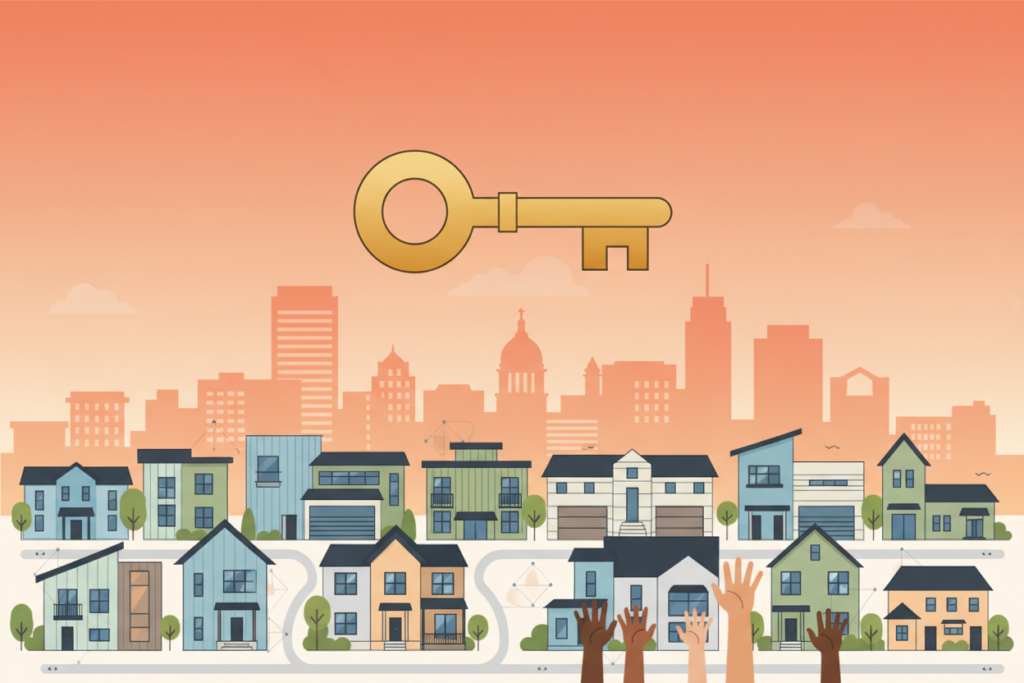
Raleigh City Council Makes Historic Decision on Affordable Housing Initiative: A Game-Changer for North Carolina’s Capital
In a move that’s being hailed as transformative for Raleigh’s future, the City Council has just approved what many are calling the most comprehensive affordable housing initiative in the city’s history. This groundbreaking decision comes at a critical time when housing costs have skyrocketed across the Triangle, leaving many residents struggling to find affordable places to call home. Let’s dive into what this historic vote means for Raleigh residents and why it’s capturing attention far beyond North Carolina’s borders.
The Housing Crisis That Sparked Action
Anyone who’s tried to rent or buy in Raleigh lately knows the struggle is real. Over the past five years, median home prices have jumped by more than 40%, while rental costs have climbed steadily upward. Teachers, firefighters, and service workers – the very people who keep our city running – are finding themselves priced out of the communities they serve.

The numbers paint a stark picture. According to recent data from the Raleigh Housing Authority, nearly 30% of city residents spend more than half their income on housing costs. That’s well above what financial experts consider sustainable, and it’s been pushing families to make impossible choices between paying rent and covering other basic needs.
This housing crunch isn’t just affecting low-income families anymore. Middle-class professionals are feeling the squeeze too, with many young adults unable to move out of their parents’ homes and essential workers commuting from increasingly distant suburbs just to afford a place to live.
Breaking Down the Historic Affordable Housing Decision
After months of heated debates, community meetings, and careful deliberation, the Raleigh City Council voted 7-1 to approve a multi-faceted affordable housing initiative that allocates $200 million over the next decade. This isn’t just throwing money at the problem – it’s a carefully crafted strategy that tackles housing affordability from multiple angles.
The initiative includes several key components that work together to create lasting change. First, there’s a significant investment in new construction specifically designated for affordable housing units. The city will partner with local developers to build mixed-income communities that integrate affordable options seamlessly into diverse neighborhoods.
What makes this approach particularly innovative is its focus on preventing displacement. Too often, affordable housing initiatives inadvertently push existing residents out of their communities. This plan includes provisions to help current residents stay in place while new development occurs around them.
Funding Sources and Financial Strategy
You might be wondering where all this money is coming from, and that’s a fair question. The $200 million funding package draws from several sources, showing the city’s commitment to making this work without placing an undue burden on taxpayers.
A significant portion comes from federal grants and state funding programs that Raleigh has successfully secured through strategic applications and partnerships. The city has also allocated funds from its general revenue, demonstrating that affordable housing is now a top budget priority.
Perhaps most interesting is the innovative financing structure that includes public-private partnerships. Local developers who participate in the program receive certain incentives, such as expedited permitting and tax credits, in exchange for including affordable units in their projects. This creates a win-win situation where private investment helps stretch public dollars further.
The city has also established a housing trust fund that will continue growing through dedicated revenue streams, including a small portion of property transfer taxes and development fees. This ensures the initiative has sustainable funding beyond the initial ten-year commitment.
Community Impact and Target Demographics
This isn’t a one-size-fits-all approach to affordable housing. The initiative specifically targets different income levels and housing needs throughout Raleigh. For families earning between 30% and 60% of the area median income, there will be rental options with long-term affordability protections.
First-time homebuyers earning up to 80% of the median income will have access to down payment assistance programs and below-market-rate mortgages. This is particularly exciting for young professionals and growing families who want to put down roots in Raleigh but have been shut out of the homeownership market.
The plan also addresses senior housing needs, recognizing that many older residents on fixed incomes are struggling with rising costs. Specialized housing options for seniors will be integrated into the broader initiative, ensuring that longtime Raleigh residents can age in place with dignity.
Special attention has been paid to essential workers – teachers, nurses, firefighters, and police officers. These community heroes will have priority access to certain housing programs, acknowledging their vital role in keeping Raleigh functioning and thriving.
Geographic Distribution and Neighborhood Integration
One of the most thoughtful aspects of this initiative is its approach to geographic distribution. Rather than concentrating all affordable housing in specific areas, the plan calls for integration throughout Raleigh’s diverse neighborhoods. This prevents the creation of isolated low-income communities and gives families access to quality schools, parks, and services regardless of their income level.
The city has identified opportunity zones in areas with good transit access, job centers, and community amenities. By focusing development in these strategic locations, residents won’t just have affordable housing – they’ll have access to opportunities for economic mobility and community engagement.
Existing neighborhoods won’t be overlooked either. The plan includes funding for rehabilitation and preservation of older affordable housing stock, ensuring that current communities remain stable while new development occurs elsewhere in the city.
Timeline and Implementation Phases
Rome wasn’t built in a day, and neither will Raleigh’s affordable housing solution. The implementation is carefully phased over ten years, with specific milestones and accountability measures built into each stage.
The first phase, beginning immediately, focuses on quick wins and emergency interventions. This includes rental assistance programs for families at risk of displacement and fast-tracking several development projects that were already in the pipeline.
Years two through five will see the bulk of new construction activity, with multiple projects breaking ground simultaneously across different parts of the city. The city has committed to transparent reporting on progress, with quarterly updates to the community on units created, families housed, and funds spent.
The final phase emphasizes sustainability and evaluation. By year seven, the city will conduct a comprehensive assessment of the program’s effectiveness and make adjustments as needed to ensure long-term success.
Challenges and Potential Obstacles
Let’s be honest – ambitious initiatives like this don’t come without challenges. Construction costs have been rising nationwide, which could impact how far the allocated funds stretch. The city acknowledges this reality and has built in contingency planning to adapt to changing market conditions.
Community resistance in some neighborhoods is another potential hurdle. While the majority of public input has been supportive, there are always concerns about changes to neighborhood character and property values. The city is committed to ongoing community engagement and education to address these concerns proactively.
Regulatory hurdles and permitting delays could also slow progress. However, the city has streamlined its internal processes and committed additional staff to ensure affordable housing projects move through approvals as quickly as possible.
Looking Ahead: What This Means for Raleigh’s Future
This historic decision represents more than just new housing units – it’s a statement about what kind of city Raleigh wants to be. By prioritizing affordability and inclusion, the city is positioning itself as a place where people of all income levels can thrive and contribute to the community.
The ripple effects will extend far beyond housing. When teachers can afford to live in the districts where they work, when service workers don’t spend hours commuting, and when young families can buy their first homes, the entire community benefits from increased stability and economic vitality.
Other cities across North Carolina and the Southeast are already watching Raleigh’s approach closely. If successful, this model could be replicated in communities facing similar housing challenges, making Raleigh a leader in innovative affordable housing solutions.
The Raleigh City Council’s historic vote on affordable housing represents a turning point for North Carolina‘s capital city. With $200 million committed over ten years and a comprehensive strategy that addresses multiple aspects of the housing crisis, this initiative has the potential to transform how we think about affordable housing in growing metropolitan areas. While challenges certainly lie ahead, the foundation has been laid for a more inclusive, sustainable Raleigh where everyone has the opportunity to call this vibrant city home. The real work begins now, and the entire community has a stake in making this bold vision a reality.