When Mother Nature unleashes her fury, communities across North Carolina know all too well the devastating aftermath that follows. The recent emergency legislative session called to address hurricane recovery funding represents more than just political procedure—it’s a lifeline for thousands of families, businesses, and communities struggling to rebuild their lives after catastrophic storms.
The North Carolina General Assembly’s decision to convene an emergency session demonstrates the urgent need for immediate action when disaster strikes. As hurricane seasons become increasingly unpredictable and severe, the state’s ability to respond quickly with adequate funding has become a critical component of effective disaster management and community resilience.
Understanding the Emergency Session Process
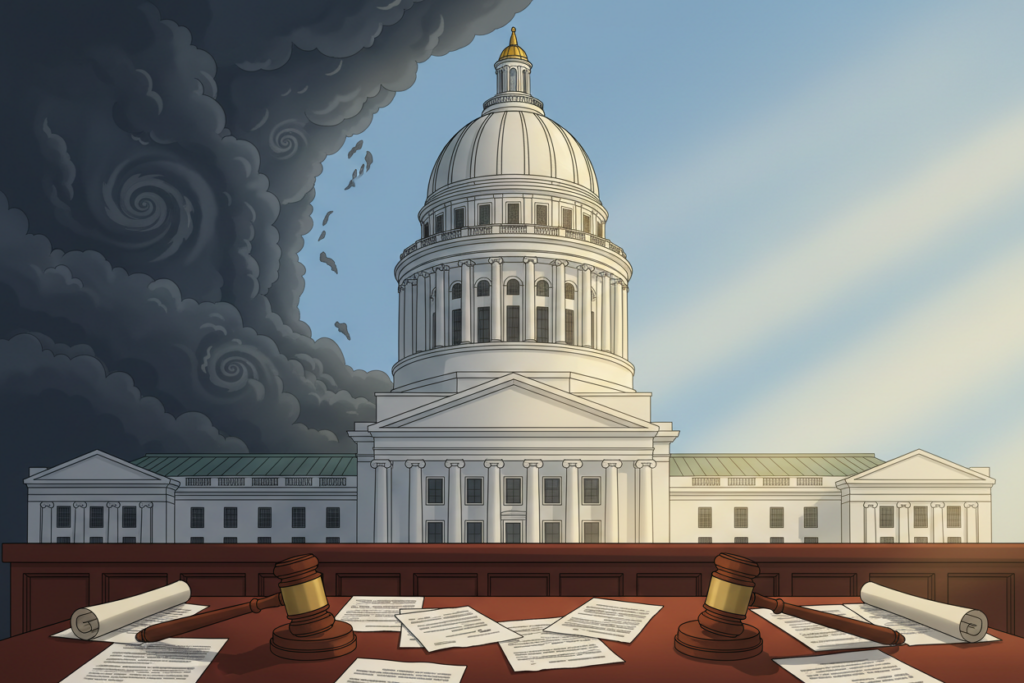
Emergency legislative sessions don’t happen on a whim. They require careful consideration and specific circumstances that demand immediate attention from lawmakers. In North Carolina, the Governor or legislative leadership can call these special sessions when urgent matters cannot wait for the next regular session.
The process typically begins when disaster assessment teams evaluate the extent of damage across affected regions. These assessments provide crucial data about infrastructure damage, economic losses, and the immediate needs of displaced residents. Once the scope of devastation becomes clear, state officials must act swiftly to secure federal matching funds and provide immediate relief to affected communities.

What makes this particular emergency session noteworthy is the bipartisan recognition that hurricane recovery cannot be delayed by political calendars. When families are sleeping in shelters and small businesses face permanent closure without immediate assistance, lawmakers understand that swift action isn’t just preferred—it’s essential.
The Scope of Hurricane Damage in North Carolina
North Carolina’s unique geography makes it particularly vulnerable to hurricane damage. The state’s extensive coastline, low-lying areas, and river systems create a perfect storm scenario when hurricanes make landfall. Recent storms have caused billions of dollars in damage, affecting everything from beachfront properties to inland farming communities hundreds of miles from the coast.
The economic impact extends far beyond immediate property damage. When hurricanes disrupt supply chains, destroy crops, and force business closures, the ripple effects can last for years. Small towns that depend on tourism or agriculture often struggle the most, lacking the resources that larger cities can mobilize for recovery efforts.
Infrastructure damage presents another significant challenge. Roads, bridges, schools, and hospitals that serve as community lifelines require substantial funding to repair or rebuild. Without functioning infrastructure, economic recovery becomes nearly impossible, creating a cycle that can trap communities in long-term decline.
Key Components of Hurricane Recovery Funding
Hurricane recovery funding typically addresses several critical areas that work together to restore normalcy to affected communities. Housing assistance represents one of the most immediate needs, providing temporary shelter and funding for home repairs or reconstruction. Many families discover that their insurance coverage falls short of actual replacement costs, making state assistance crucial for complete recovery.
Infrastructure restoration requires substantial investment but provides the foundation for all other recovery efforts. This includes repairing damaged roads and bridges, restoring power grids, and ensuring that essential services like hospitals and schools can resume operations. The state must often provide matching funds to leverage federal disaster assistance, making legislative approval essential.
Economic recovery programs help businesses get back on their feet and preserve local employment. These might include low-interest loans, grants for equipment replacement, or tax incentives to encourage business retention and expansion in affected areas. Without economic recovery, communities risk permanent population loss as residents relocate to find employment opportunities.
Federal vs. State Funding Responsibilities
Understanding the relationship between federal and state disaster funding helps explain why emergency legislative sessions become necessary. Federal disaster declarations trigger significant assistance programs, but they typically require state matching funds to maximize available resources. This partnership approach ensures that both levels of government share responsibility for disaster recovery.
FEMA provides the bulk of federal disaster assistance, but their programs have specific requirements and limitations. State funding often fills gaps in federal programs or provides assistance to communities that don’t meet federal thresholds for aid. This complementary approach ensures more comprehensive coverage for affected residents and businesses.
The timing of federal aid distribution can create cash flow challenges for states. While federal reimbursement eventually covers approved expenses, states must often advance funds to begin recovery efforts immediately. This front-loading of expenses makes legislative approval for emergency funding crucial to avoid delays in assistance delivery.
Impact on Local Communities
The human side of hurricane recovery funding becomes most apparent at the local level, where abstract dollar amounts translate into concrete improvements in people’s lives. In small coastal towns, recovery funds might mean the difference between rebuilding the local marina that supports dozens of fishing families or watching an entire industry disappear from the community.
Schools represent another critical area where recovery funding makes a lasting impact. Hurricane damage to educational facilities affects not just current students but entire communities that rely on schools as gathering places and economic anchors. Quick funding approval allows school districts to begin repairs before the start of new academic years, minimizing disruption to children’s education.
Healthcare facilities in rural areas often operate on thin margins even in normal times. Hurricane damage can force temporary closures that become permanent without adequate recovery assistance. Emergency funding helps ensure that communities don’t lose essential medical services during their most vulnerable period.
Challenges in Fund Distribution
Even with legislative approval, distributing hurricane recovery funds presents significant administrative challenges. State agencies must quickly scale up their operations to process thousands of applications while maintaining proper oversight to prevent fraud and ensure funds reach those most in need.
Documentation requirements can create barriers for some of the most vulnerable residents. Elderly residents, non-English speakers, and those with limited internet access may struggle to navigate application processes. State programs must balance thorough vetting with accessibility to ensure equitable distribution of recovery assistance.
Coordinating between multiple agencies and levels of government requires careful planning and communication. When federal, state, and local programs operate simultaneously, applicants can become confused about which programs to access first. Clear communication and streamlined processes help maximize the effectiveness of available funding.
Long-term Recovery Planning
While emergency sessions focus on immediate needs, effective hurricane recovery requires long-term planning that extends beyond the current crisis. Building back better means incorporating lessons learned from recent storms to create more resilient communities that can better withstand future disasters.
This might involve updating building codes, improving drainage systems, or relocating critical facilities away from flood-prone areas. These improvements require significant upfront investment but can save money and lives when the next major storm strikes. Emergency funding often includes provisions for these forward-thinking improvements.
Community engagement plays a crucial role in long-term recovery planning. Residents who lived through the disaster often have valuable insights about what worked well and what needs improvement. Successful recovery programs create opportunities for community input and ensure that rebuilding efforts reflect local priorities and needs.
Moving Forward: Lessons Learned
Each hurricane season provides new lessons about disaster preparedness and recovery. The emergency legislative session addressing hurricane recovery funds represents more than just a response to the current crisis—it’s an opportunity to improve systems and processes for future disasters.
Pre-positioned funding mechanisms can reduce response times when disasters strike. Some states have created disaster relief funds that provide immediate resources without requiring emergency legislative sessions. These approaches allow for faster response while maintaining proper legislative oversight through regular appropriations processes.
Investment in mitigation projects before disasters strike often provides better returns than post-disaster recovery spending. Emergency sessions might consider funding for resilience improvements that reduce future damage and recovery costs. This proactive approach can break the cycle of repeated damage and recovery in vulnerable communities.
The North Carolina Legislature’s emergency session on hurricane recovery funding reflects the state’s commitment to helping communities rebuild and recover. While the immediate focus remains on addressing current needs, the decisions made today will influence how well the state prepares for and responds to future storms. Through careful planning, adequate funding, and community engagement, North Carolina can emerge from this crisis stronger and more resilient than before.
As legislators deliberate on funding allocations and program structures, the stakes couldn’t be higher for affected communities. The outcome of this emergency session will determine not just the pace of recovery, but the long-term viability of communities across the state. For thousands of North Carolina residents, this legislative action represents hope for rebuilding their lives and communities in the aftermath of natural disaster.