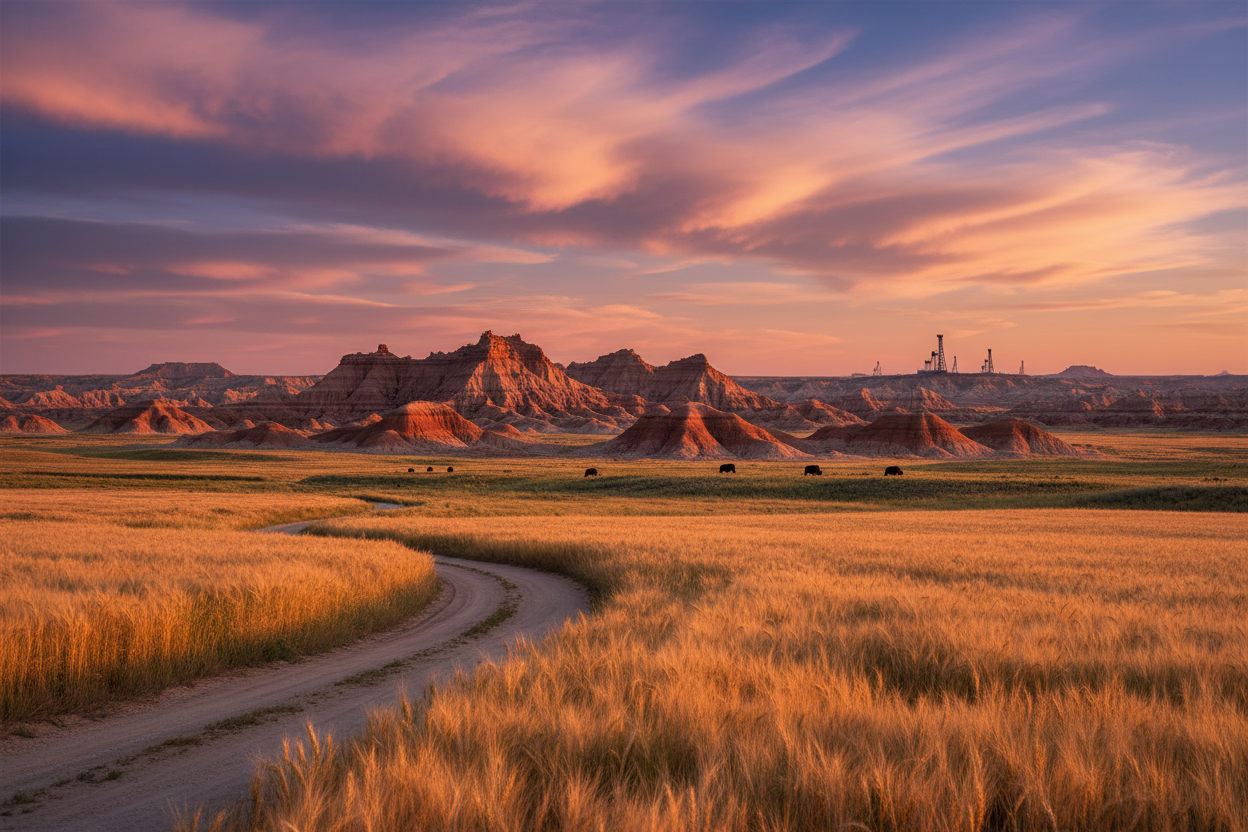
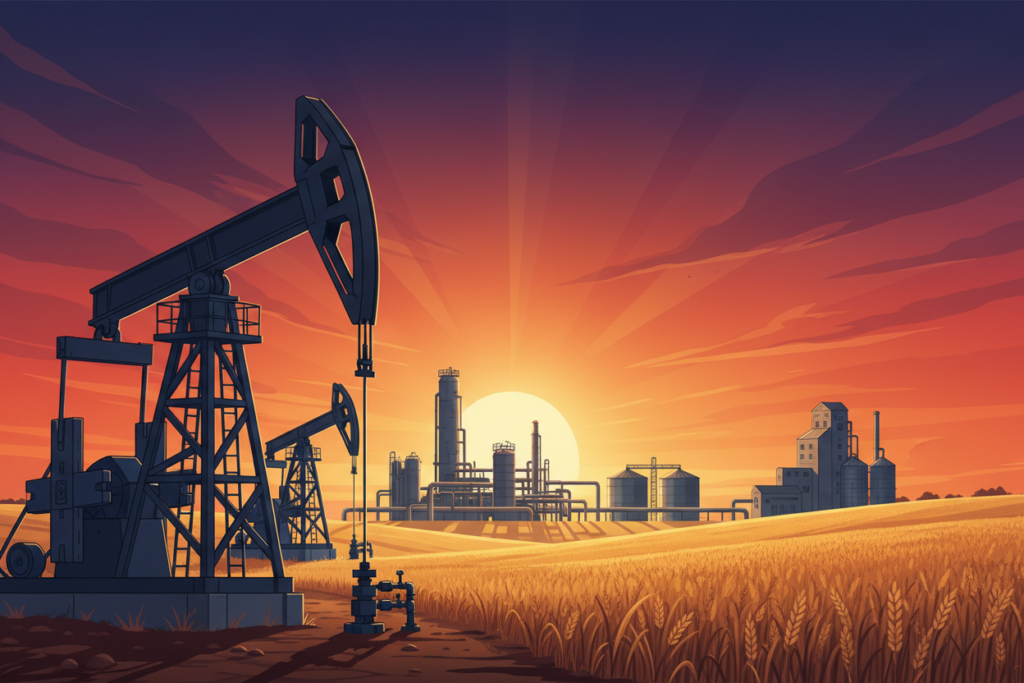
Just a few decades ago, North Dakota was known primarily for wheat fields, harsh winters, and a steadily declining population. Today, it stands as one of America’s most significant oil-producing states, fundamentally transforming not just its economy but the entire energy landscape of the United States. This remarkable transformation didn’t happen overnight—it’s a story of geological fortune, technological innovation, and the relentless pursuit of energy independence.
The North Dakota oil boom represents one of the most dramatic economic transformations in modern American history. From sleepy farming communities to bustling oil towns, the state has experienced unprecedented growth that has reshaped everything from local demographics to national energy policy. Understanding this transformation offers valuable insights into America’s energy future and the complex interplay between technology, economics, and geography.
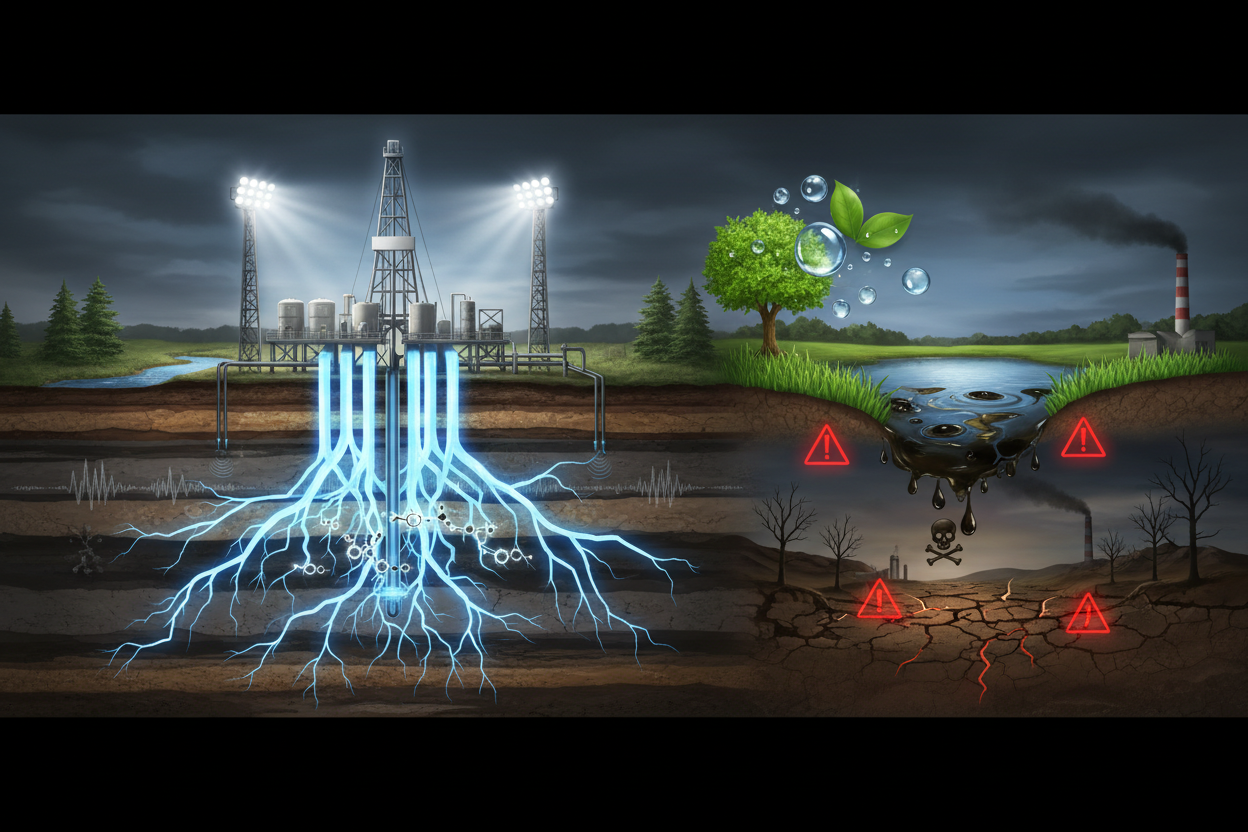
The Bakken Formation: North Dakota’s Underground Treasure
At the heart of North Dakota’s oil revolution lies the Bakken Formation, a massive geological structure that extends across parts of North Dakota, Montana, Saskatchewan, and Manitoba. This rock formation, named after Henry Bakken who first discovered it in 1953, contains an estimated 7.4 billion barrels of recoverable oil—making it one of the largest oil reserves in the United States.
What makes the Bakken Formation particularly remarkable isn’t just its size, but its composition. The oil is trapped within tight shale rock formations that were previously impossible to extract using conventional drilling methods. For decades, geologists knew the oil was there, but accessing it remained economically unfeasible. The rock formations were simply too dense and impermeable for traditional vertical drilling techniques.
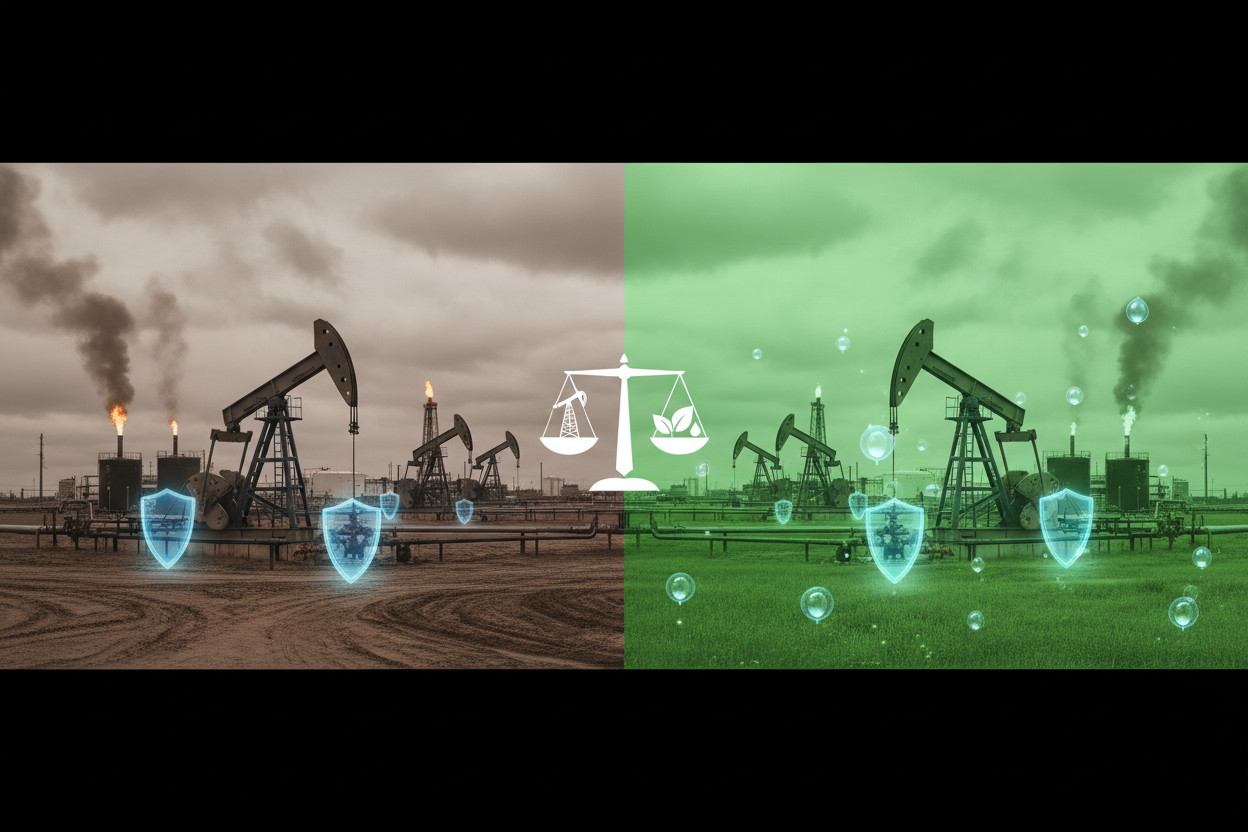
The Bakken spans approximately 200,000 square miles, with the most productive areas concentrated in western North Dakota. The formation consists of three main layers: the upper and lower Bakken shales, which serve as source rocks, and the middle Bakken, a more porous layer where oil accumulates. This unique geological structure created the perfect conditions for oil formation and storage over millions of years.
Technological Breakthroughs That Changed Everything
The transformation of North Dakota from agricultural state to oil powerhouse became possible through two revolutionary drilling technologies: hydraulic fracturing (fracking) and horizontal drilling. These technologies, when combined, unlocked previously inaccessible oil reserves and made extraction economically viable.
Horizontal drilling allows companies to drill vertically down to the oil-bearing rock layer, then turn the drill bit horizontally to follow the formation for thousands of feet. This technique dramatically increases the surface area of rock exposed to the wellbore, allowing access to much more oil than traditional vertical wells. A single horizontal well can access the same amount of oil that would require multiple vertical wells, making the process more efficient and cost-effective.
Hydraulic fracturing involves pumping water, sand, and chemicals at high pressure into the rock formation to create small fractures. These fractures allow the trapped oil to flow more freely to the wellbore. The sand acts as a proppant, keeping the fractures open after the pressure is released. This process has been refined over decades, becoming increasingly efficient and environmentally conscious.
The convergence of these technologies in the early 2000s created what industry experts call the “shale revolution.” Suddenly, oil that had been locked away for millions of years became accessible, transforming not just North Dakota but the entire American energy sector.
Economic Impact and Transformation
The economic impact of North Dakota’s oil boom has been nothing short of extraordinary. The state’s unemployment rate plummeted to among the lowest in the nation, often hovering around 2-3% during peak boom years. Personal income levels soared, and the state government found itself with budget surpluses instead of the deficits that had plagued it for decades.
Oil production in North Dakota grew from approximately 100,000 barrels per day in 2005 to over 1.5 million barrels per day at its peak, making it the second-largest oil-producing state in America, behind only Texas. This dramatic increase in production generated billions of dollars in revenue, not just for oil companies but for landowners, local businesses, and state coffers through taxes and royalties.
The boom created a ripple effect throughout the economy. Hotels, restaurants, and retail establishments struggled to keep up with demand. Housing prices skyrocketed as workers flooded into previously quiet communities. Some small towns saw their populations double or triple within just a few years. Williston, once a sleepy agricultural town, became the epicenter of the boom, with new businesses, housing developments, and infrastructure projects transforming its landscape.
However, this rapid growth also brought challenges. Infrastructure struggled to keep pace with development, leading to overcrowded roads, housing shortages, and strained public services. The cost of living increased dramatically, making it difficult for long-time residents and workers in other industries to afford housing and basic necessities.
Environmental Considerations and Challenges
The rapid expansion of oil drilling in North Dakota has raised significant environmental concerns that continue to shape policy discussions and industry practices. The most visible impact has been the dramatic increase in industrial activity across previously pristine landscapes, with thousands of well sites, access roads, and processing facilities dotting the prairie.
Water usage represents one of the most significant environmental challenges. Each fracking operation requires millions of gallons of water, putting pressure on local water supplies in a region that already experiences periodic droughts. Additionally, the process generates large volumes of wastewater that must be properly disposed of to prevent groundwater contamination.
Air quality concerns have also emerged, particularly around volatile organic compounds and methane emissions from oil production activities. The state has implemented stricter regulations on gas flaring—the practice of burning off natural gas that comes up with oil—requiring companies to capture more of this valuable resource rather than waste it.
The industry has responded to these challenges by investing in cleaner technologies, improved waste management systems, and more efficient drilling practices. Many companies now use recycled water for fracking operations and have developed better methods for containing and treating wastewater. Advanced monitoring systems help detect and prevent leaks, while new technologies reduce emissions and improve overall environmental performance.
Infrastructure Development and Challenges
The sudden influx of workers and industrial activity exposed the limitations of North Dakota’s existing infrastructure. Roads designed for agricultural traffic found themselves carrying hundreds of heavy trucks daily, leading to rapid deterioration and safety concerns. The state invested billions of dollars in road improvements, but keeping pace with the damage caused by increased traffic remained an ongoing challenge.
Pipeline infrastructure became crucial for transporting oil from remote well sites to refineries and markets. The development of pipeline networks, including controversial projects like the Dakota Access Pipeline, became essential for the continued viability of North Dakota’s oil industry. These pipelines offer safer and more efficient transportation than truck or rail alternatives, though they’ve also sparked debates about environmental protection and indigenous rights.
Housing infrastructure struggled to accommodate the rapid population growth. Traditional housing development couldn’t keep pace with demand, leading to the emergence of “man camps”—temporary housing facilities that provided basic accommodation for oil workers. While these facilities addressed immediate housing needs, they also highlighted the challenges of managing rapid economic growth in rural areas.
The state invested heavily in expanding airports, improving telecommunications infrastructure, and upgrading utility systems to support the growing industrial activity. These investments not only supported the oil boom but also created lasting improvements that benefit all residents and businesses in the region.
The Boom and Bust Cycle
Like many resource-dependent economies, North Dakota has experienced the volatility inherent in commodity markets. The dramatic oil price collapse in 2014-2015, when prices fell from over $100 per barrel to below $30, provided a stark reminder of the boom-and-bust nature of the oil industry.
During the downturn, drilling activity slowed significantly, unemployment rose, and many of the workers who had flocked to the state during the boom years left for opportunities elsewhere. Hotels that had enjoyed 100% occupancy rates suddenly had empty rooms, and restaurants that had struggled to keep up with demand found themselves with surplus capacity.
However, the industry proved more resilient than many expected. Companies used the downturn to improve efficiency, reduce costs, and develop better technologies. When oil prices recovered, North Dakota’s oil industry emerged leaner and more competitive. The break-even price for many Bakken wells decreased significantly, making production profitable even at lower oil prices.
This experience taught valuable lessons about economic diversification and the importance of saving during boom periods to weather inevitable downturns. The state established a Legacy Fund, setting aside a portion of oil revenues for future generations and economic stability.
North Dakota’s Role in American Energy Independence
North Dakota’s oil boom has played a crucial role in America’s journey toward energy independence. The state’s production, combined with increased oil production in Texas, New Mexico, and other states, has dramatically reduced American dependence on oil imports. In 2019, the United States became a net exporter of petroleum for the first time since 1949, with North Dakota playing a significant role in this historic achievement.
This shift has profound geopolitical implications, reducing America’s vulnerability to supply disruptions from unstable regions and providing greater flexibility in foreign policy. The economic benefits extend beyond North Dakota, supporting jobs and economic activity throughout the supply chain, from equipment manufacturing to transportation and refining.
The success of North Dakota’s oil industry has also influenced energy policy discussions at the national level, demonstrating the potential for domestic energy production to enhance national security and economic competitiveness. However, it has also intensified debates about the role of fossil fuels in America’s energy future and the balance between economic benefits and environmental protection.
Frequently Asked Questions
Q: How much oil does North Dakota produce daily?
A: North Dakota currently produces approximately 1.2-1.4 million barrels of oil per day, making it the second-largest oil-producing state in the United States after Texas. Production levels fluctuate based on oil prices, drilling activity, and market conditions.
Q: What is hydraulic fracturing, and is it safe?
A: Hydraulic fracturing, or fracking, is a process that involves injecting water, sand, and chemicals at high pressure into rock formations to create fractures that allow oil and gas to flow. The safety of fracking is subject to ongoing debate, with industry advocates pointing to improved technologies and environmental safeguards, while critics raise concerns about water contamination, air quality, and seismic activity.
Q: How has the oil boom affected North Dakota’s population?
A: The oil boom led to significant population growth in North Dakota, particularly in western counties. The state’s population increased from about 640,000 in 2000 to over 760,000 by 2020. However, growth has been uneven, with oil-producing regions experiencing rapid increases while other areas continued to lose population.
Q: What happens to North Dakota’s economy when oil prices fall?
A: When oil prices decline, North Dakota experiences reduced drilling activity, job losses, and decreased tax revenues. However, the state has become more resilient over time, with companies improving efficiency and reducing break-even costs. The state has also worked to diversify its economy and established a Legacy Fund to provide financial stability during downturns.
Q: How long will North Dakota’s oil reserves last?
A: Estimates suggest that the Bakken Formation contains enough recoverable oil to support production for several decades at current levels. However, the actual duration depends on various factors including technological advances, oil prices, environmental regulations, and market demand. As technology improves, previously uneconomical reserves may become viable, potentially extending the productive life of the formation.
Q: What environmental protections are in place for oil drilling in North Dakota?
A: North Dakota has implemented various environmental regulations including requirements for proper well casing and cementing, wastewater disposal standards, air quality monitoring, and restrictions on gas flaring. The state also requires environmental impact assessments for drilling projects and has established cleanup funds for environmental remediation. However, environmental groups often advocate for stricter regulations.
North Dakota’s transformation from agricultural state to oil powerhouse represents one of the most remarkable economic stories in modern American history. Through a combination of geological fortune, technological innovation, and entrepreneurial spirit, the state has fundamentally altered the American energy landscape while creating prosperity for thousands of families and communities. As the energy sector continues to evolve, North Dakota’s experience offers valuable lessons about the opportunities and challenges of resource-based economic development, the importance of technological innovation, and the complex balance between economic growth and environmental stewardship. The state’s journey from wheat fields to oil fields demonstrates that with the right combination of natural resources, technology, and policy, dramatic economic transformation remains possible in America.