North Carolina is famous for its stunning Outer Banks, the majestic Blue Ridge Mountains, and vibrant cities like Charlotte and Asheville. But beyond these well-trodden tourist paths lies a treasure trove of lesser-known destinations that showcase the state’s incredible diversity and charm. These hidden gems offer authentic experiences, breathtaking natural beauty, and fascinating history without the crowds that flock to more popular attractions.
Whether you’re a lifelong North Carolina resident looking to explore your own backyard or a visitor seeking off-the-beaten-path adventures, these ten remarkable places will surprise and delight you. From mysterious natural phenomena to quirky small towns with big personalities, each destination offers something unique that you simply can’t find anywhere else in the Tar Heel State.
1. Devil’s Tramping Ground – Chatham County
Deep in the woods of Chatham County lies one of North Carolina’s most mysterious and eerie locations. The Devil’s Tramping Ground is a perfectly circular patch of barren earth, roughly 40 feet in diameter, where nothing grows despite the lush forest surrounding it. Local legend claims this is where Satan himself paces at night, plotting evil deeds and wearing down the earth with his restless footsteps.
Scientists have proposed various explanations for this phenomenon, from soil composition to underground salt deposits, but none have been definitively proven. What makes this place even more intriguing is that objects left in the circle overnight are said to be mysteriously moved outside its boundaries by morning. Whether you believe in the supernatural or not, the Devil’s Tramping Ground offers a fascinating glimpse into North Carolina’s rich folklore and provides an unforgettable hiking experience through beautiful hardwood forests.
2. Sliding Rock Falls – Transylvania County
While Sliding Rock in Pisgah National Forest gets plenty of attention, there’s another natural water slide hidden away that offers a more intimate and less crowded experience. This lesser-known Sliding Rock Falls, tucked away in the mountains of Transylvania County, features a smooth granite face that creates a perfect natural waterslide ending in a refreshing swimming hole.
The hike to reach this hidden gem is moderately challenging but absolutely worth the effort. You’ll traverse through dense rhododendron thickets and cross babbling creeks before arriving at this pristine natural playground. The water remains cool even during hot summer months, making it an ideal spot for beating the heat. Local families have been enjoying this secret spot for generations, and the lack of commercial development means you’ll experience nature exactly as it was meant to be.
3. Fontana Village – Graham County
Nestled in the heart of the Great Smoky Mountains, Fontana Village feels like stepping back in time to a simpler era. Originally built in the 1940s to house workers constructing the Fontana Dam, this mountain community has evolved into one of North Carolina’s best-kept secrets for outdoor enthusiasts and families seeking authentic mountain experiences.
The village offers rustic accommodations ranging from historic lodge rooms to cozy cabins, all surrounded by some of the most spectacular scenery in the Southeast. What sets Fontana Village apart is its incredible access to outdoor activities. You can hike portions of the famous Appalachian Trail, explore pristine mountain lakes by kayak, or try your hand at fly fishing in crystal-clear mountain streams. The village also serves as a gateway to the Joyce Kilmer Memorial Forest, home to some of the largest old-growth trees in the eastern United States.
4. Emerald Village – Little Switzerland
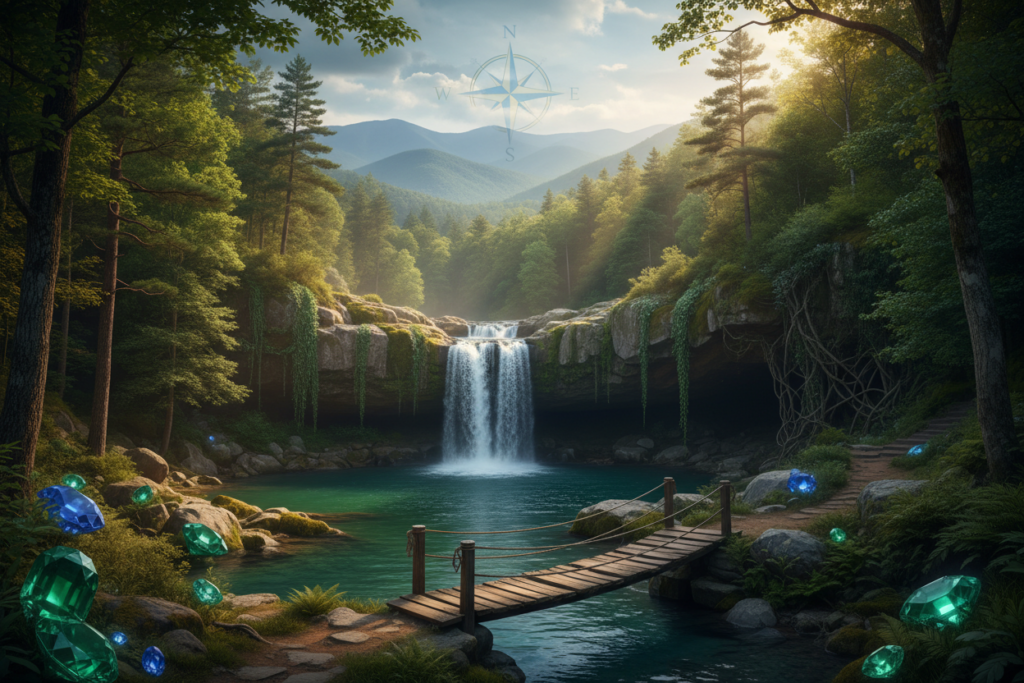
Hidden high in the Blue Ridge Mountains near Little Switzerland, Emerald Village offers visitors the chance to dig for real gemstones in authentic North Carolina mines. This unique destination combines education, adventure, and the thrill of discovery in a setting that feels worlds away from typical tourist attractions.
The village consists of several historic mines that have been carefully preserved and opened to the public. Visitors can try their hand at traditional gem mining techniques, sifting through buckets of mine rough to uncover emeralds, sapphires, garnets, and other precious stones. The knowledgeable staff provides guidance and shares fascinating stories about the area’s rich mining history. Even if you don’t strike it rich, the experience of working an actual mine and learning about North Carolina’s geological treasures makes for an unforgettable adventure that both kids and adults absolutely love.
5. Roan Mountain Rhododendron Gardens – Mitchell County
Every June, something magical happens atop Roan Mountain that transforms this already spectacular peak into what many consider the most beautiful place in North Carolina. The Roan Mountain Rhododendron Gardens burst into bloom, creating a natural display that rivals any botanical garden in the world.
This 600-acre natural garden sits at an elevation of over 6,000 feet and contains the largest natural rhododendron garden in the world. When the Catawba rhododendrons reach peak bloom, typically in mid to late June, the entire mountainside becomes a sea of purple and pink flowers that stretches as far as the eye can see. The contrast between the vibrant blooms and the dramatic mountain vistas creates photography opportunities that are simply breathtaking. Beyond the rhododendron season, Roan Mountain offers excellent hiking trails, stunning 360-degree views, and some of the clearest night skies in the region.
6. Town Creek Indian Mound – Montgomery County
Long before European settlers arrived in North Carolina, indigenous peoples created sophisticated communities throughout the region. Town Creek Indian Mound represents one of the most significant and well-preserved examples of these ancient settlements, yet it remains largely unknown to most visitors to the state.
This archaeological site preserves the remains of a Pee Dee Indian ceremonial center that thrived between 1150 and 1400 CE. The centerpiece is a reconstructed temple mound that rises 30 feet above the surrounding landscape, offering visitors a tangible connection to North Carolina’s pre-Columbian history. The site includes a visitor center with excellent exhibits that bring the ancient culture to life, reconstructed buildings that show how people lived and worked, and peaceful walking trails that wind through the historic grounds. The combination of significant history, beautiful natural setting, and thoughtful interpretation makes Town Creek Indian Mound a truly special place that deserves far more recognition.
7. Judaculla Rock – Jackson County
Deep in the mountains of Jackson County stands one of North Carolina’s most mysterious and ancient artifacts. Judaculla Rock is a large soapstone boulder covered in petroglyphs that may be over 3,000 years old, making it one of the most significant prehistoric art sites in the southeastern United States.
The rock features hundreds of carved symbols, figures, and markings that continue to puzzle archaeologists and historians. Cherokee legend tells that the markings were made by the giant Judaculla when he jumped from his mountain home, leaving his footprints and claw marks on the stone. While the true meaning and origin of these ancient carvings may never be fully understood, standing before this remarkable artifact provides a profound connection to the countless generations who called these mountains home long before recorded history. The site is easily accessible via a short walk from a small parking area, making it perfect for families and anyone interested in North Carolina’s ancient mysteries.
8. Whitewater Falls – Jackson County
While many visitors flock to the more famous waterfalls along the Blue Ridge Parkway, Whitewater Falls remains a spectacular secret that offers some of the most dramatic cascade views in the entire Appalachian region. At 411 feet, it’s the highest waterfall east of the Rocky Mountains, yet it sees a fraction of the visitors that crowd other mountain attractions.
The upper viewing platform provides breathtaking views of the falls as they plunge down the granite cliff face, while more adventurous visitors can take the challenging trail to the base for an entirely different perspective. The surrounding forest is home to rare plants and wildlife, and the sound of rushing water creates a natural soundtrack that drowns out all traces of modern life. The area also offers excellent opportunities for photography, with the changing seasons providing dramatically different moods and colors throughout the year.
9. Cape Lookout Lighthouse – Carteret County
While the Outer Banks lighthouses get most of the attention, Cape Lookout Lighthouse offers a more authentic and less commercialized coastal experience. Accessible only by ferry or private boat, this striking black and white diamond-patterned lighthouse stands guard over some of North Carolina’s most pristine and undeveloped coastline.
Cape Lookout National Seashore encompasses 56 miles of undeveloped beaches, maritime forests, and salt marshes that provide habitat for countless species of birds and marine life. The lighthouse itself, built in 1859, can be climbed for spectacular 360-degree views of the Atlantic Ocean and Core Sound. What makes this destination truly special is its wild, untouched character. There are no hotels, restaurants, or gift shops – just endless beaches, rolling dunes, and the kind of coastal solitude that’s becoming increasingly rare along the Eastern Seaboard.
10. Grandfather Mountain’s Mile High Swinging Bridge – Avery County
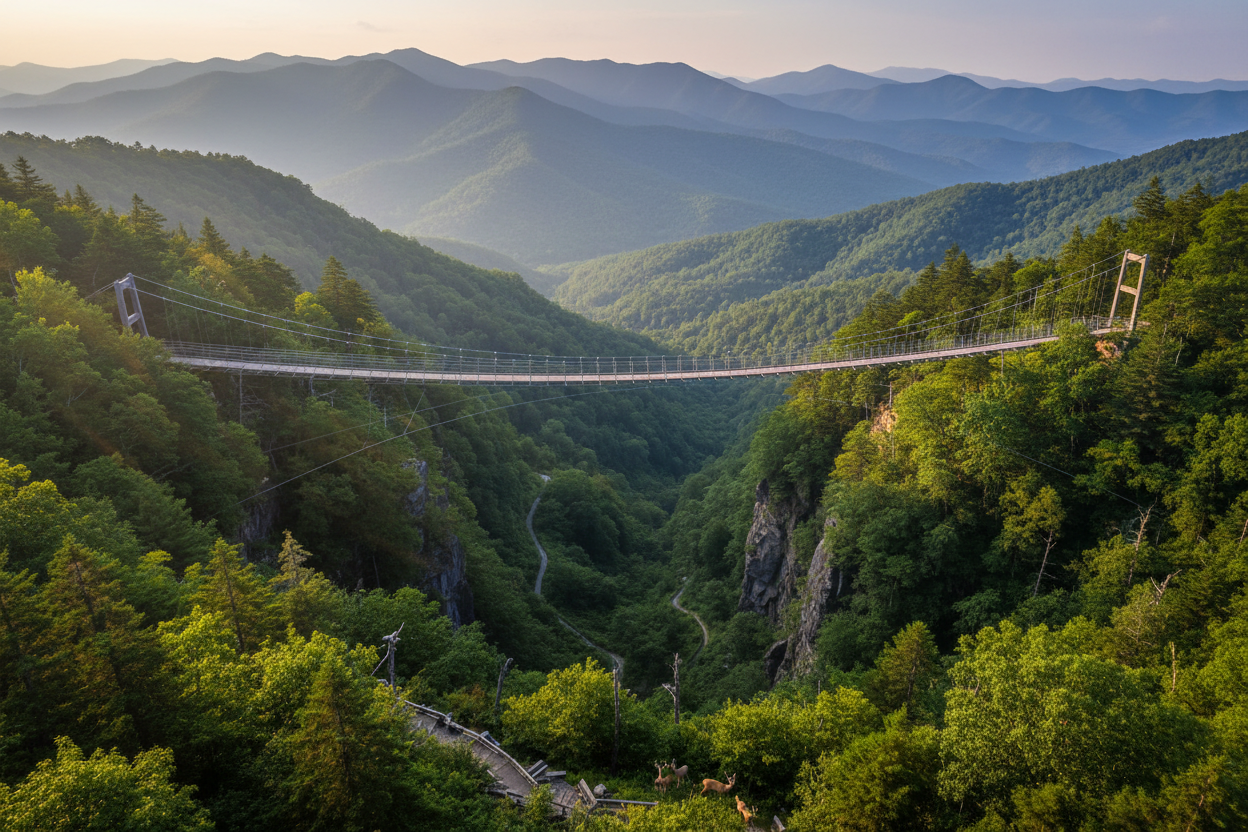
While Grandfather Mountain itself is well-known, many visitors never discover the incredible Mile High Swinging Bridge that spans a dramatic chasm near the summit. This engineering marvel sits at 5,280 feet above sea level – exactly one mile high – and offers some of the most spectacular mountain views in North Carolina.
The bridge stretches 228 feet across a deep gorge, and on clear days, visitors can see for miles across the Blue Ridge Mountains into Tennessee, Virginia, and South Carolina. What makes this experience truly special is the combination of natural beauty and gentle adventure. The bridge sways slightly in the mountain winds, adding just enough excitement to make crossing it memorable without being scary. The surrounding area offers excellent hiking trails, including access to several peaks over 5,000 feet, and the mountain’s famous wildlife habitats where you might spot black bears, deer, and numerous bird species in their natural environment.
Discovering North Carolina’s Best Kept Secrets
These ten hidden gems represent just a small sampling of the incredible diversity and natural beauty that North Carolina has to offer beyond its famous attractions. Each destination provides unique opportunities to connect with the state’s rich history, stunning landscapes, and fascinating natural phenomena without fighting crowds or dealing with over-commercialized tourist traps.
From ancient mysteries like Judaculla Rock and the Devil’s Tramping Ground to natural wonders like Whitewater Falls and the Roan Mountain Rhododendron Gardens, these special places remind us that some of the most rewarding travel experiences come from venturing off the beaten path. They offer chances to create lasting memories, gain new perspectives, and develop a deeper appreciation for North Carolina’s incredible natural and cultural heritage.
The next time you’re planning a North Carolina adventure, consider skipping the crowded tourist hotspots and exploring some of these remarkable hidden gems instead. You’ll discover that the Tar Heel State’s greatest treasures are often found in the places that don’t appear on every travel brochure – places where authentic experiences and natural beauty combine to create truly unforgettable memories.