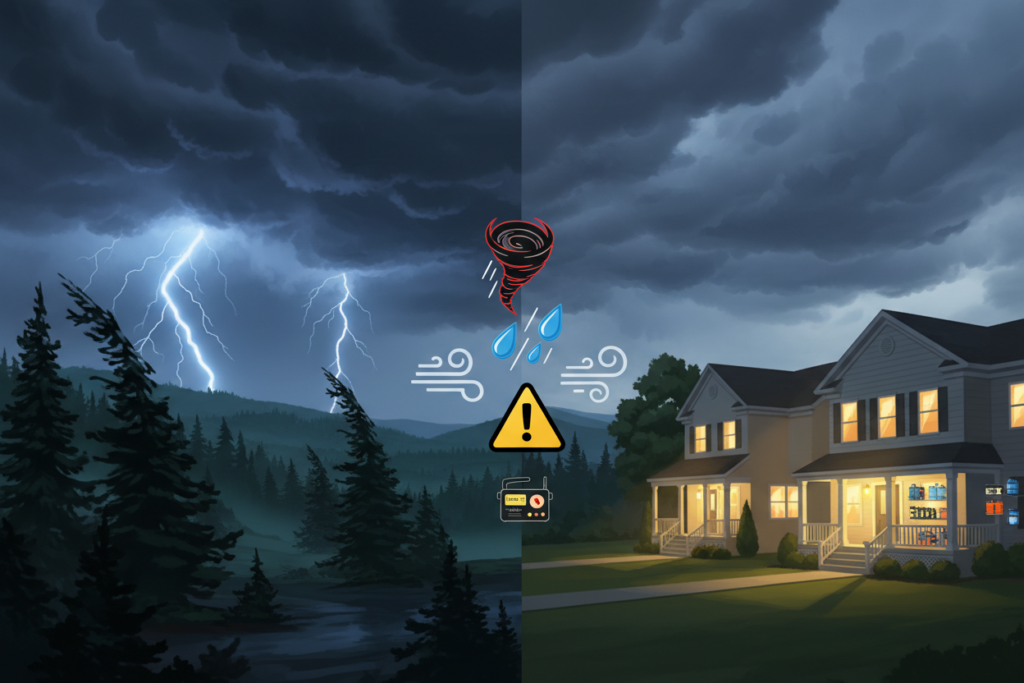
If you’ve lived in North Carolina for any length of time, you know that Mother Nature doesn’t mess around here. From the coastal plains to the Appalachian foothills, the Tar Heel State experiences some of the most diverse and intense weather patterns in the Southeast. Whether it’s a surprise afternoon thunderstorm that rolls in faster than you can fold your laundry, or a hurricane that’s been tracked for days, being prepared isn’t just smart – it’s essential for protecting your family and property.
North Carolina‘s unique geography creates a perfect storm of conditions that can spawn everything from tornadoes to ice storms, often with little warning. The state sits at the crossroads of multiple weather systems, where warm, moist air from the Atlantic collides with cooler continental air masses. Add in our varied topography, and you’ve got a recipe for weather that can change dramatically within just a few miles.
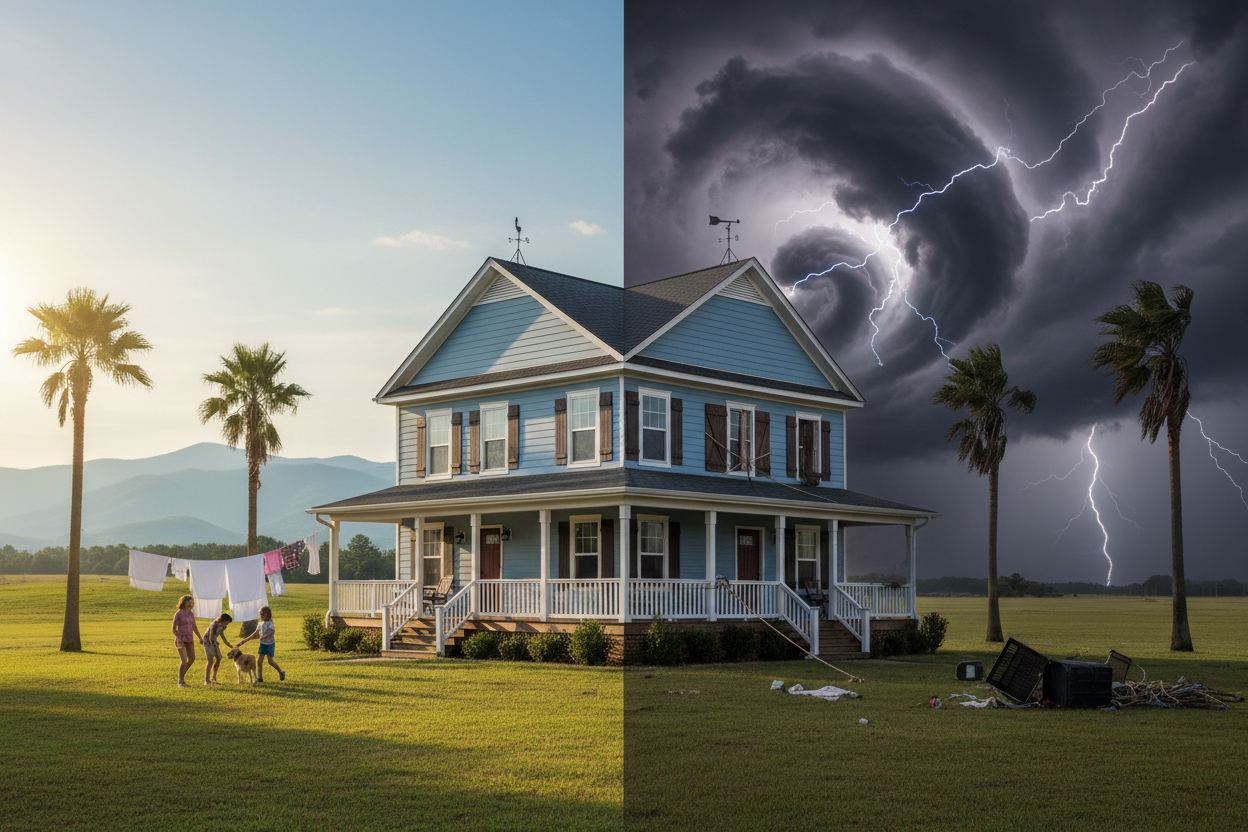
This comprehensive guide will walk you through everything you need to know about preparing for North Carolina’s severe storm season, from understanding the types of weather threats we face to creating an emergency plan that actually works when you need it most.
Understanding North Carolina’s Weather Patterns and Storm Risks
North Carolina experiences a wide range of severe weather events throughout the year, each presenting unique challenges and requiring different preparation strategies. The state’s location along the Eastern Seaboard makes it particularly vulnerable to Atlantic hurricanes, while its inland areas face significant risks from tornadoes, severe thunderstorms, and winter weather events.
Hurricane season officially runs from June through November, with peak activity typically occurring between August and October. However, tropical systems can impact the state outside these traditional boundaries. The 2018 Hurricane Florence and 2019 Hurricane Dorian serve as stark reminders of how devastating these storms can be, bringing not just high winds but catastrophic flooding that can persist for days or even weeks after the storm passes.
Tornado season in North Carolina generally peaks during spring and early summer, though tornadoes can occur year-round. The state averages about 31 tornadoes annually, with the greatest concentration occurring in the eastern and central regions. These storms often develop rapidly, giving residents minimal time to seek shelter.
Severe thunderstorms are perhaps the most frequent weather threat, capable of producing damaging winds exceeding 58 mph, hail larger than quarters, and dangerous lightning. These storms can spawn flash floods, especially in urban areas where concrete and asphalt prevent proper water absorption.
Essential Emergency Supplies Every North Carolina Home Should Have
Creating a well-stocked emergency kit is like building an insurance policy you hope you’ll never need to use. But when severe weather strikes, having the right supplies readily available can mean the difference between weathering the storm safely and facing dangerous situations.
Water tops the list of essential supplies. Plan for at least one gallon per person per day, and maintain a three-day supply at minimum. Don’t forget about pets – they need water too. Store water in clean, airtight containers and rotate your supply every six months to ensure freshness.
Non-perishable food items should focus on foods that require no cooking or refrigeration. Canned goods, dried fruits, nuts, crackers, and energy bars work well. A manual can opener is crucial – you’d be surprised how many people forget this simple but vital tool. If you have infants, ensure you have adequate formula and baby food.
Power outages are common during severe weather, making flashlights and battery-powered or hand-crank radios essential. LED flashlights are more efficient and longer-lasting than traditional bulbs. Keep extra batteries in various sizes, and consider investing in a weather radio that can receive NOAA Weather Radio broadcasts even when commercial stations go off the air.
A comprehensive first aid kit should include bandages, antiseptic wipes, pain relievers, prescription medications, and any special medical supplies your family needs. Don’t forget a thermometer and emergency contact information for your doctors.
Creating a Family Emergency Communication Plan
When severe weather hits, communication networks often become overwhelmed or completely disrupted. Having a solid communication plan ensures your family can stay connected and coordinate safety measures, even when cell towers are down or phone lines are damaged.
Start by designating an out-of-state contact person who can serve as a central communication hub. Often, long-distance calls work even when local calls don’t get through. Make sure every family member has this contact’s phone number memorized and written down in multiple places.
Create wallet-sized cards with important contact information for each family member. Include local emergency numbers, family contacts, medical information, and meeting locations. Laminate these cards to protect them from water damage.
Establish primary and secondary meeting places – one near your home for sudden emergencies and another outside your neighborhood in case you can’t return home. Choose locations that are familiar to all family members and easily accessible by different routes.
Consider investing in alternative communication methods like two-way radios for family members who might be separated during an emergency. These devices often work when cell phones don’t, and they don’t rely on potentially damaged infrastructure.
Home Preparation and Property Protection Strategies
Your home is likely your largest investment, and protecting it from severe weather requires both advance preparation and quick action when storms approach. Regular maintenance and strategic improvements can significantly reduce storm damage and keep your family safer.
Start with your roof and gutters. Clean gutters and downspouts regularly to ensure proper water drainage. Loose or damaged shingles should be repaired promptly, as they can become projectiles in high winds. Consider having your roof professionally inspected annually, especially after severe weather events.
Windows and doors are vulnerable points during storms. Install storm shutters or have plywood pre-cut and labeled for quick installation. Impact-resistant windows are an excellent long-term investment, especially for homes in hurricane-prone areas. Don’t forget about sliding glass doors and skylights – they need protection too.
Trim trees and shrubs regularly, removing dead or weak branches that could fall during storms. Large trees near your home should be evaluated by a certified arborist, especially if they show signs of disease or structural problems. Consider the mature size of trees when planting new ones, keeping them away from power lines and structures.
Secure outdoor furniture, grills, and decorations well before storms arrive. These items can become dangerous projectiles in high winds. If you can’t bring them inside, anchor them securely or move them to a protected area.
Staying Informed: Weather Monitoring and Alert Systems
Information is your first line of defense against severe weather. North Carolina has excellent weather monitoring and alert systems, but you need to know how to access and interpret the information they provide.
The National Weather Service issues various types of weather alerts, and understanding the difference can help you respond appropriately. A weather watch means conditions are favorable for severe weather development, while a warning means severe weather is imminent or occurring. Advisories indicate less severe but still potentially hazardous conditions.
NOAA Weather Radio broadcasts continuous weather information and emergency alerts 24 hours a day. These radios can be programmed to alert you automatically when warnings are issued for your specific area. Many newer models have battery backup and can be powered by hand cranks or solar panels.
Smartphone apps from reputable sources like the National Weather Service, local news stations, and emergency management agencies provide real-time weather information and alerts. Enable push notifications for severe weather warnings, but be selective – too many alerts can lead to alert fatigue.
Social media can provide valuable real-time information during severe weather events, but be cautious about unverified reports. Stick to official sources like the National Weather Service, local emergency management agencies, and established news organizations.
Evacuation Planning and When to Leave
Knowing when and how to evacuate can save your life. Evacuation decisions should never be taken lightly, but they also shouldn’t be delayed when authorities recommend leaving. Having a plan in place removes the stress and confusion from these critical decisions.
Coastal residents should be particularly familiar with evacuation zones and routes. North Carolina’s coast is divided into evacuation zones based on storm surge risk, and different zones may be evacuated depending on the storm’s intensity and track. Know your zone and have multiple evacuation routes planned, as primary routes may become congested or impassable.
Inland residents aren’t immune to evacuation orders. Flash flooding, dam failures, and hazardous material spills can all trigger evacuation orders. Stay informed about potential hazards in your area, including nearby dams, chemical facilities, and flood-prone areas.
Prepare an evacuation kit that’s separate from your home emergency supplies. This should be easily portable and include essential items like important documents, medications, clothing, and comfort items for children and pets. Keep your vehicle’s gas tank at least half full during storm season.
Don’t wait for mandatory evacuation orders if you feel unsafe. If you’re in a mobile home, manufactured home, or any structure that feels unsafe during high winds, leave early for a more substantial shelter. Remember that emergency responders may not be able to reach you once conditions deteriorate.
Post-Storm Safety and Recovery Tips
The period immediately following a severe storm can be just as dangerous as the storm itself. Downed power lines, contaminated flood water, structural damage, and carbon monoxide from generators create serious hazards that require careful navigation.
Never assume downed power lines are safe. Treat all downed lines as energized and dangerous, and stay at least 35 feet away. Report downed lines to your utility company immediately. Be especially cautious around water – electricity and water create deadly combinations.
If your home has been flooded, don’t enter until it’s been declared safe. Flood water can contain sewage, chemicals, and other contaminants. Wear protective clothing including rubber boots and gloves when cleaning up. Take photographs of damage before cleaning for insurance purposes.
Generator safety is crucial during extended power outages. Never operate generators indoors, in garages, or near windows and doors. Carbon monoxide is odorless and deadly. Keep generators at least 20 feet from your home and ensure proper ventilation.
Be patient with utility restoration efforts. Crews work systematically to restore power safely, often prioritizing critical facilities like hospitals and emergency services first. Avoid unnecessary travel to allow emergency responders and utility crews to work efficiently.
Preparing for the Unexpected: Building Resilience
Severe weather preparation isn’t just about having supplies and plans – it’s about building resilience that helps you bounce back quickly when storms disrupt your life. This means thinking beyond the immediate emergency to consider how you’ll maintain some normalcy during extended outages or displacement.
Financial preparedness is often overlooked but crucial. Keep some cash on hand, as ATMs and credit card systems may not work during power outages. Maintain copies of important documents like insurance policies, identification, and financial records in a waterproof container or cloud storage.
Consider your family’s specific needs when preparing. Elderly family members may need special medical equipment or medications. Children may need comfort items and activities to help them cope with stressful situations. Pet owners need supplies for their animals and knowledge of pet-friendly shelters or hotels.
Building community connections strengthens everyone’s resilience. Get to know your neighbors, especially elderly or disabled residents who might need assistance during emergencies. Consider joining or forming a neighborhood emergency response group.
North Carolina’s severe storm season demands respect, preparation, and vigilance. While we can’t control the weather, we can control how well we prepare for it. The time you invest in preparation now – gathering supplies, creating plans, and staying informed – pays dividends when severe weather threatens. Remember that preparation is an ongoing process, not a one-time event. Review and update your plans regularly, replace expired supplies, and stay informed about new threats and preparation techniques. Your future self will thank you for the effort you put in today.