The Tar Heel State beckons with its stunning Blue Ridge Mountains, pristine beaches, thriving job market, and that famous Southern hospitality. Whether you’re drawn by the Research Triangle’s tech opportunities, Charlotte’s banking sector, or simply the promise of milder winters and sweet tea on every corner, moving to North Carolina is an exciting adventure that requires careful planning.
Relocating to a new state isn’t just about packing boxes and hiring movers. It’s about transitioning your entire life, and North Carolina has its own unique considerations that can make or break your moving experience. From understanding the state’s diverse regions to navigating new tax laws, this comprehensive checklist will ensure your move to the Old North State goes smoothly.

Research Your New North Carolina Community
Before you start packing, it’s crucial to understand where you’re headed. North Carolina isn’t just one homogeneous state – it’s a tapestry of distinct regions, each with its own personality, climate, and lifestyle.
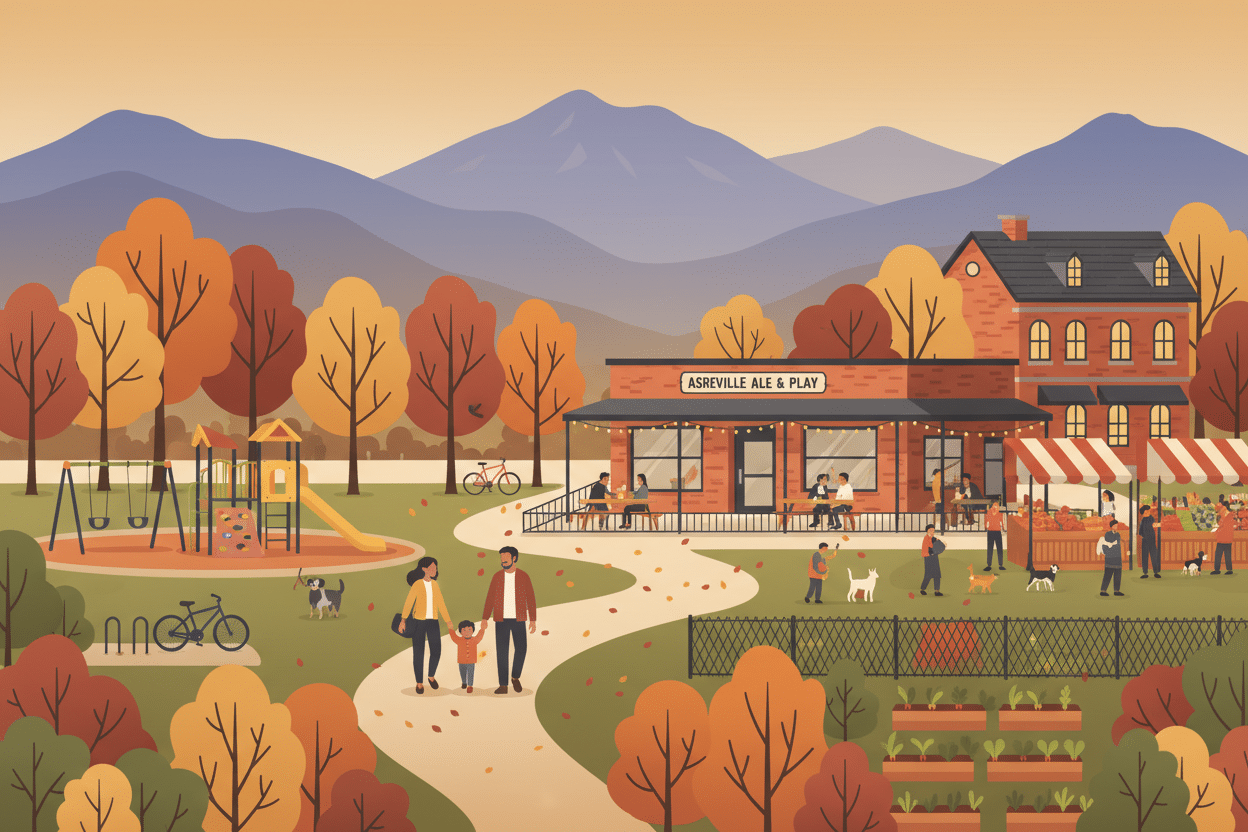
The western mountains around Asheville offer a completely different experience than the coastal plains near Wilmington. Charlotte pulses with urban energy, while smaller towns like Davidson or Brevard provide that quintessential small-town charm. Research your specific destination thoroughly, including local amenities, school districts if you have children, healthcare facilities, and recreational opportunities.
Don’t forget to investigate the local job market, even if you’re transferring with your current employer. Understanding the economic landscape will help you make connections and potentially open doors for future opportunities. North Carolina’s economy spans from agriculture and textiles to high-tech and biotechnology, so there’s likely a niche that fits your career goals.
Understanding North Carolina’s Cost of Living
One of North Carolina’s biggest draws is its relatively affordable cost of living compared to many other states, but costs can vary significantly depending on your location. Charlotte and the Research Triangle area (Raleigh, Durham, Chapel Hill) tend to be more expensive than smaller cities and rural areas.

Housing costs will likely be your biggest consideration. Research median home prices and rental rates in your target area, and factor in property taxes, which vary by county. North Carolina’s property taxes are generally reasonable, but it’s worth understanding the local rates before making housing decisions.
Don’t overlook utility costs, which can fluctuate based on the region’s climate needs. Coastal areas might have higher cooling costs in summer, while mountain regions could see increased heating expenses in winter.
Legal and Administrative Tasks
Moving to North Carolina means updating your legal residence, and the state has specific timelines and requirements you’ll need to meet. You have 30 days after establishing residency to obtain a North Carolina driver’s license and register your vehicle.
To get your North Carolina driver’s license, you’ll need to visit a DMV office with proper documentation, including proof of identity, Social Security number, and two proofs of North Carolina residency. The state accepts out-of-state licenses without requiring a driving test in most cases, but you’ll still need to pass a vision screening.
Vehicle registration requires your current registration, title, and proof of insurance. North Carolina requires annual safety inspections and emissions testing in certain counties, so factor these ongoing requirements into your budget and schedule.
Register to vote as soon as possible after your move. North Carolina allows voter registration up to 25 days before an election, and you can register online, by mail, or in person at your local board of elections.
Financial Considerations and Banking
North Carolina’s tax structure might be different from your previous state, so understanding these changes is crucial for financial planning. The state has a flat income tax rate, which could be advantageous depending on your income level and previous state of residence.
Research local banking options and consider opening accounts with institutions that have a strong presence in North Carolina. Many national banks operate here, but local and regional banks often provide more personalized service and better understanding of local market conditions.
If you’re buying a home, get pre-approved for a mortgage and research local lenders who understand North Carolina’s real estate market. Some areas have unique considerations, like flood insurance requirements in coastal regions or well and septic inspections in rural areas.
Healthcare and Insurance Setup
Establishing healthcare in North Carolina should be a priority, especially if you have ongoing medical needs or take regular medications. Research healthcare providers in your new area and understand which insurance plans they accept.
North Carolina has excellent medical facilities, including world-renowned institutions like Duke University Hospital and UNC Hospitals. However, rural areas might have more limited options, so plan accordingly if you’re moving to a smaller community.
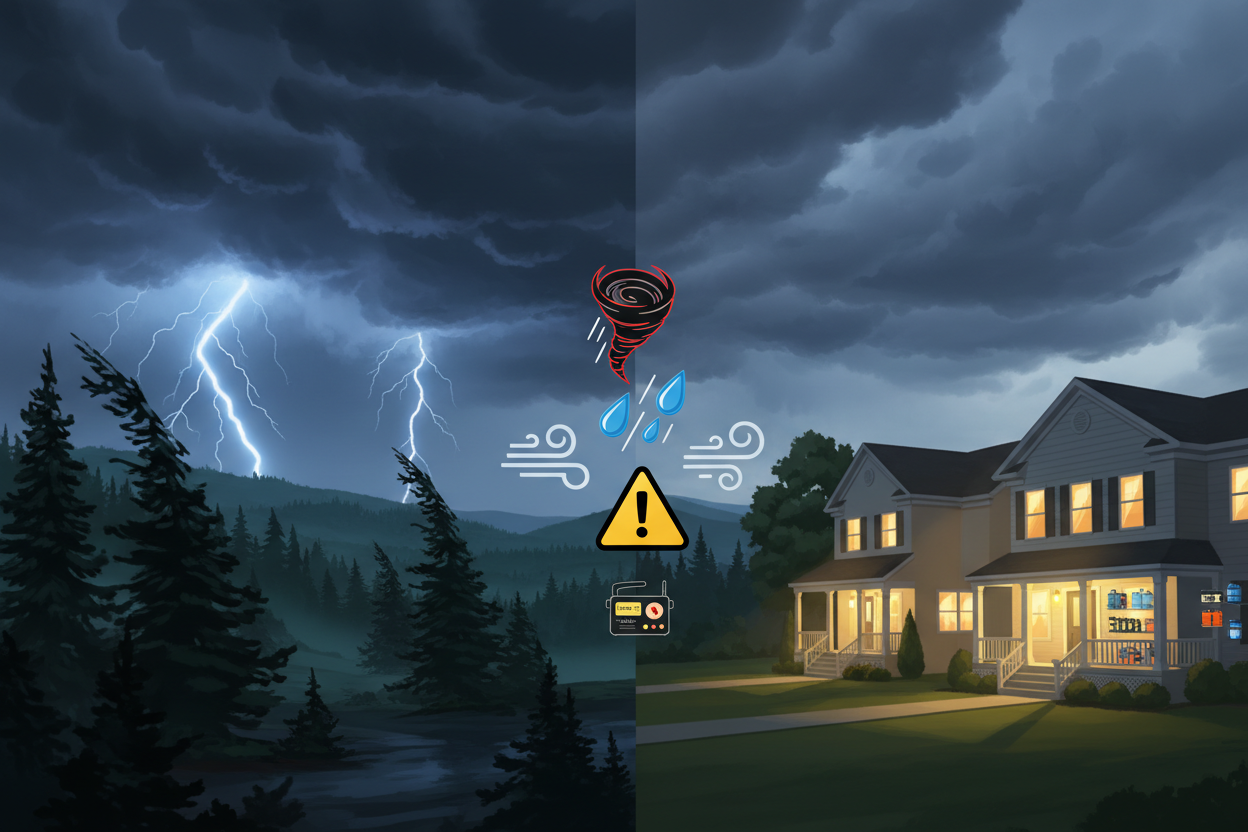
Update your health insurance to ensure coverage in North Carolina, and don’t forget about other insurance needs like homeowner’s or renter’s insurance. Coastal areas require special consideration for hurricane and flood insurance, while mountain regions might need coverage for different weather-related risks.
Education and Schools
If you have school-age children, researching North Carolina’s education system is essential. The state has both excellent public school districts and numerous private school options. Some areas, particularly in the Research Triangle and Charlotte regions, are known for their outstanding schools.
Contact schools directly to understand enrollment procedures, required documentation, and any special programs that might benefit your children. North Carolina also has a robust community college system and several prestigious universities, which could be valuable for continuing education or if you have college-bound teenagers.
Consider the school calendar when planning your move, as starting mid-semester can be challenging for children. Many families time their relocations for summer to allow kids to start fresh in the fall.
Employment and Professional Licensing
If you’re not transferring with your current employer, start your job search early. North Carolina’s job market is diverse and growing, particularly in technology, healthcare, finance, and advanced manufacturing sectors.
Certain professions require state-specific licensing or certification in North Carolina. Research requirements for your profession well in advance, as the process can take weeks or months. This is particularly important for healthcare professionals, teachers, real estate agents, and skilled tradespeople.
Network with professional organizations in North Carolina before your move. Many industries have active professional groups that can provide valuable connections and insights into the local job market.
Utilities and Home Services
Arrange utility connections well before your move-in date. North Carolina has multiple utility providers depending on your location, including investor-owned utilities, municipal systems, and electric cooperatives.
Set up electricity, natural gas (if available), water, sewer, trash collection, internet, and cable or satellite services. Some areas, particularly rural locations, might have limited high-speed internet options, so research this carefully if you work from home or rely heavily on internet connectivity.
Consider the timing of your utility connections, especially during peak moving seasons when service appointments might be harder to schedule.
Moving Day Logistics
Plan your actual moving day with North Carolina’s climate and geography in mind. Summer moves can be brutally hot and humid, while winter weather in the mountains might create challenges. Spring and fall often provide the most comfortable moving conditions.
If you’re hiring professional movers, research companies thoroughly and get multiple quotes. For long-distance moves to North Carolina, ensure your chosen company is properly licensed and insured for interstate transportation.
Create a survival kit for your first few days, including essentials like medications, important documents, basic tools, cleaning supplies, and enough clothing and toiletries to get by until you can unpack properly.
Getting Settled in Your New Community
Once you’ve arrived, focus on integrating into your new North Carolina community. Explore local attractions, restaurants, and cultural offerings. North Carolina has incredible diversity, from world-class museums and music venues to outdoor recreation opportunities that rank among the nation’s best.
Join local organizations, clubs, or volunteer groups that align with your interests. North Carolinians are generally friendly and welcoming, but making the effort to get involved will help you build meaningful connections more quickly.
Take time to learn about local customs and traditions. Whether it’s understanding the passionate devotion to college basketball, learning about the state’s rich musical heritage, or discovering regional food specialties, embracing local culture will help you feel at home faster.
Conclusion
Moving to North Carolina offers incredible opportunities for a better quality of life, career advancement, and new experiences. While the process requires careful planning and attention to detail, following this comprehensive checklist will help ensure your relocation goes smoothly.
Remember that moving is a process, not a single event. Give yourself time to adjust and don’t expect everything to feel perfect immediately. North Carolina’s combination of natural beauty, economic opportunity, and genuine hospitality makes it a wonderful place to call home, and with proper planning, your transition to the Tar Heel State will be the beginning of an exciting new chapter in your life.
Take it one step at a time, stay organized, and don’t hesitate to ask for help when you need it. Before you know it, you’ll be settled in and wondering why you waited so long to make North Carolina your home.