

Nestled along the border between North Dakota and Manitoba, the International Peace Garden stands as a living testament to one of the world’s most peaceful international relationships. This unique destination spans 2,339 acres of beautifully manicured gardens, pristine wilderness, and meaningful monuments that celebrate the enduring friendship between the United States and Canada.
More than just a garden, this remarkable place represents something extraordinary in our modern world – a border crossed by thousands of visitors daily without passports, where two nations come together to celebrate peace, friendship, and shared values. Whether you’re a history enthusiast, nature lover, or simply someone seeking a peaceful retreat, the International Peace Garden offers an experience unlike anywhere else on Earth.
A Symbol Born from Vision and Hope
The story of the International Peace Garden begins in the 1920s with Dr. Henry Moore, a Canadian horticulturist who envisioned a garden that would symbolize the peaceful relationship between neighboring countries. His dream became reality on July 14, 1932, when the garden was officially dedicated in a ceremony attended by thousands of people from both sides of the border.
What makes this place truly special isn’t just its beauty – it’s the powerful message it represents. At a time when the world was heading toward global conflict, two nations chose to create something that celebrated peace and cooperation. The timing couldn’t have been more significant, as the garden opened during the Great Depression when both countries needed symbols of hope and unity.

The dedication ceremony featured speeches from dignitaries from both nations, and the garden was proclaimed as a symbol of the peaceful relationship that had existed between the United States and Canada for over a century. This wasn’t just political rhetoric – it was a genuine celebration of what two countries could accomplish when they chose cooperation over conflict.
Exploring the Garden’s Natural Beauty and Attractions
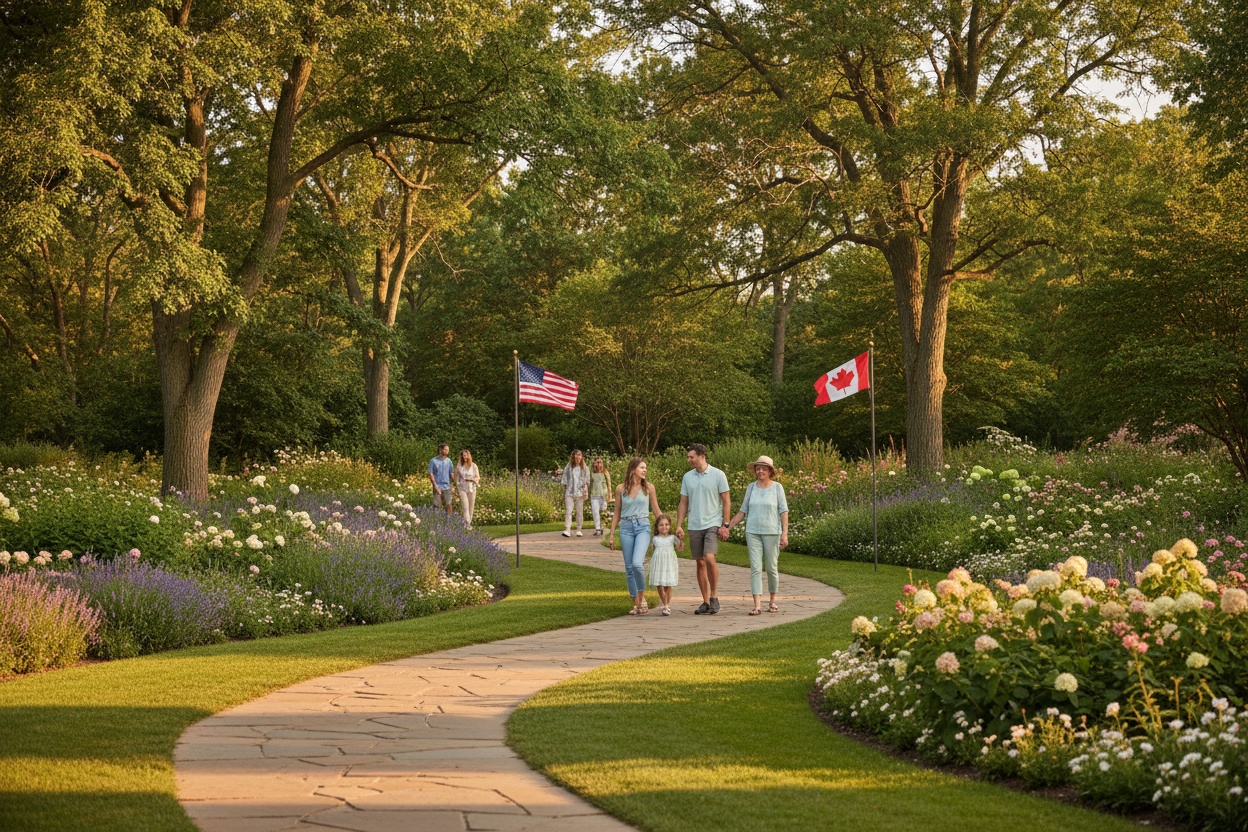
Walking through the International Peace Garden feels like stepping into a carefully orchestrated symphony of colors, fragrances, and textures. The formal gardens showcase over 150,000 flowers annually, with displays that change throughout the growing season to ensure visitors experience something new with each visit.
The centerpiece of the garden is the beautiful Sunken Garden, where meticulously planned flower beds create stunning geometric patterns that can be appreciated from the surrounding walkways. During peak bloom season, typically from June through September, the garden transforms into a photographer’s paradise with vibrant displays of annuals and perennials.
Beyond the formal gardens, visitors can explore the Peace Tower, an 120-foot structure that offers panoramic views of the surrounding prairie landscape. The tower houses four bells that chime regularly, their peaceful tones carrying across the border – a audible reminder of the harmony this place represents.
The garden also features several lakes and wetlands that provide habitat for numerous bird species and other wildlife. These natural areas offer visitors a chance to experience the native prairie ecosystem while enjoying peaceful walking trails that wind through both cultivated and wild spaces.
Crossing Borders: A Unique International Experience
One of the most remarkable aspects of visiting the International Peace Garden is the ease with which visitors can literally walk between two countries. The garden operates under a special agreement between the United States and Canada that allows free movement within its boundaries, making it one of the few places in the world where you can cross an international border simply by taking a stroll.
This unique arrangement means that families and friends can meet at the garden regardless of which country they’re visiting from. It’s not uncommon to see reunions taking place right at the border monument, where people embrace with one foot in each country. The symbolism is powerful, but the human connections are what make these moments truly special.
However, it’s important to note that while movement within the garden is unrestricted, visitors must still go through proper border procedures when leaving the garden to enter either country. The garden maintains customs facilities for both nations, staffed by friendly officers who understand the special nature of this place.
Seasonal Splendor: When to Visit for Maximum Beauty
The International Peace Garden offers distinct experiences throughout the year, each season bringing its own special character to this remarkable place. Understanding the seasonal patterns can help you plan the perfect visit based on your interests and preferences.
Summer represents the garden at its most vibrant, with July and August typically offering the most spectacular flower displays. The formal gardens reach their peak during these months, with carefully timed plantings ensuring continuous blooms. Summer also brings the warmest weather, making it ideal for extended outdoor exploration and photography.
Spring arrives gradually on the northern prairie, but when it does, the garden comes alive with an energy that’s almost palpable. Early wildflowers begin blooming in May, and the formal gardens start showing color by late May or early June. Spring is also an excellent time for bird watching, as migratory species return to the area.
Fall transforms the garden into a tapestry of autumn colors, with the native trees and shrubs providing stunning displays of reds, yellows, and oranges. While the formal flower gardens wind down, the natural areas become the stars of the show. Fall also tends to have fewer crowds, offering a more peaceful and contemplative experience.
Winter brings a different kind of beauty to the garden, with snow-covered landscapes creating a serene, almost magical atmosphere. While many facilities close during the coldest months, the garden remains open for winter activities like cross-country skiing and snowshoeing.
Educational Programs and Cultural Events
The International Peace Garden serves as more than just a tourist destination – it’s an active educational center that hosts numerous programs throughout the year designed to promote understanding between cultures and nations. These programs range from school field trips to international conferences, all centered around themes of peace, cooperation, and environmental stewardship.
One of the most popular annual events is the International Music Camp, which brings together young musicians from around the world for intensive training and performance opportunities. Watching these talented young people from different countries collaborate on musical performances perfectly embodies the garden’s mission of international cooperation.
The garden also hosts regular cultural festivals that celebrate the heritage of both the United States and Canada, as well as other nations. These events feature traditional music, dance, food, and crafts, providing visitors with opportunities to learn about different cultures in a welcoming, peaceful environment.
Educational programs for school groups focus on topics ranging from horticulture and environmental science to history and international relations. Many students who visit the garden leave with a deeper understanding of what peaceful coexistence looks like in practice, not just in theory.
Planning Your Visit: Practical Information
Planning a visit to the International Peace Garden requires some consideration of the unique aspects of this cross-border destination. The garden is located approximately 13 miles north of Dunseith, North Dakota, and 20 miles south of Boissevain, Manitoba, making it accessible from both countries.
Visitors should bring proper identification, as you’ll need it to re-enter your country of origin after visiting the garden. While movement within the garden itself is unrestricted, crossing back into either the United States or Canada requires going through customs procedures.
The garden offers various accommodation options, including a lodge with comfortable rooms and dining facilities. For those preferring to camp, there are both RV sites and tent camping areas available. The camping facilities are particularly popular during summer months, so advance reservations are recommended.
Admission fees are reasonable and help support the garden’s maintenance and programming. Annual passes are available for frequent visitors, and group rates are offered for organized tours and educational groups.
The Deeper Meaning: Peace in Action
While the International Peace Garden is undoubtedly beautiful and offers wonderful recreational opportunities, its deeper significance lies in what it represents about human potential for cooperation and understanding. In a world often divided by borders, conflicts, and misunderstandings, this place stands as proof that different nations can work together to create something beautiful and meaningful.
The garden’s existence challenges us to think differently about what borders can represent. Instead of barriers that divide, the border here becomes a meeting place that unites. Instead of a line of conflict, it’s a symbol of cooperation. This shift in perspective has profound implications for how we think about international relations and human cooperation more broadly.
Many visitors report that their time at the garden changes their perspective on what’s possible when people choose cooperation over conflict. Children who visit often leave with a different understanding of what borders mean and how nations can relate to each other peacefully.
Conclusion: A Living Testament to Peaceful Coexistence
The International Peace Garden represents something increasingly rare in our modern world – a place where the ideals of peace, friendship, and cooperation are not just talked about but actively demonstrated every day. Through its stunning beauty, educational programs, and unique cross-border character, the garden continues to fulfill its founders’ vision of promoting understanding between nations.
Whether you visit for the spectacular flower displays, the peaceful walking trails, or simply to experience what it feels like to step between two countries without conflict, the International Peace Garden offers something special for everyone. It reminds us that borders don’t have to divide us – they can also be places where we come together to celebrate what we share rather than what separates us.
In our increasingly connected yet sometimes divided world, places like the International Peace Garden become even more important. They serve as reminders of what’s possible when people choose cooperation over conflict, understanding over suspicion, and friendship over fear. A visit here isn’t just a pleasant day out – it’s an opportunity to experience peace in action and to carry that experience back into the world.
Frequently Asked Questions
Do I need a passport to visit the International Peace Garden?
While you can move freely within the garden itself, you’ll need proper identification to re-enter your country of origin after your visit. US and Canadian citizens should bring a passport, passport card, or enhanced driver’s license.
What are the garden’s operating hours and seasons?
The garden is typically open from May through October, with peak season running from June through September. Hours vary by season, with longer hours during summer months. Winter access is limited but available for certain activities.
Can I get married at the International Peace Garden?
Yes, the garden is a popular wedding destination, offering several beautiful ceremony locations. Couples can literally get married on the border between two countries, making for a unique and symbolic celebration.
Are pets allowed in the garden?
Pets are welcome in most areas of the garden but must be kept on leashes at all times. Some indoor facilities may have restrictions, so it’s best to check when planning your visit.
What should I bring for my visit?
Comfortable walking shoes, weather-appropriate clothing, a camera, and proper identification are essential. Sunscreen and insect repellent are recommended during summer months. If you plan to picnic, bring your own food or plan to eat at the on-site dining facilities.
How long should I plan for my visit?
Most visitors spend 3-4 hours exploring the garden thoroughly, though you could easily spend a full day if you participate in programs or events. Those staying overnight can take advantage of additional activities and more leisurely exploration.