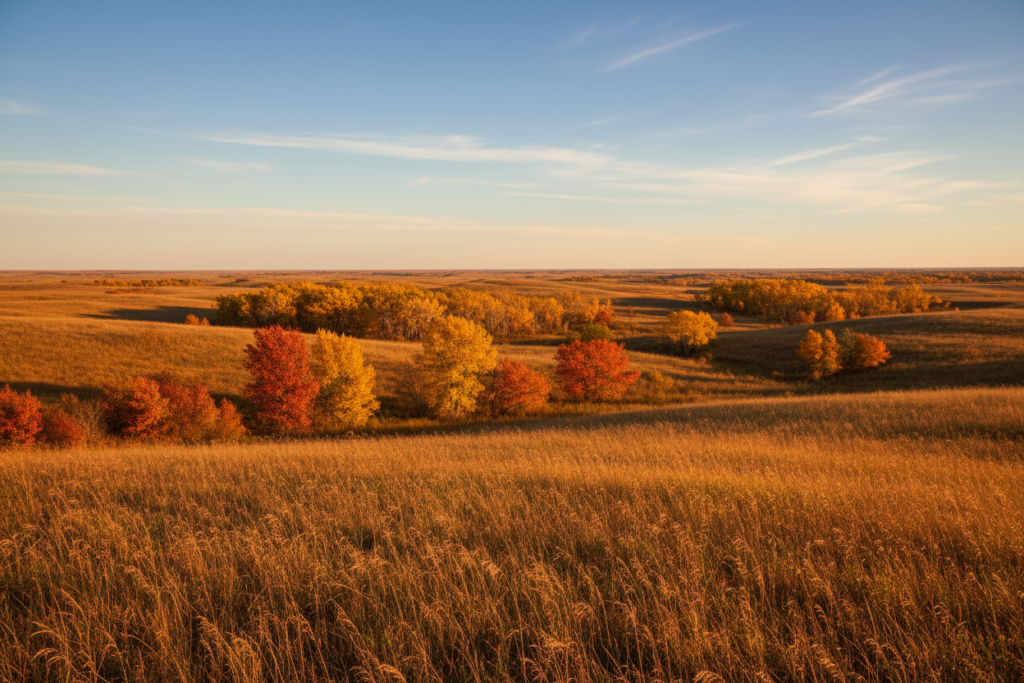
When most people think of spectacular fall foliage, their minds drift to New England’s maple-lined highways or the Rocky Mountain aspens turning golden. But here’s a secret that locals have known for generations: North Dakota’s autumn landscape offers some of the most breathtaking and underrated fall colors in the entire country. Sure, we might not have towering maples, but what we do have is a unique prairie palette that paints the landscape in brilliant yellows, deep reds, and rustic oranges that’ll make you pull over just to soak it all in.
The beauty of North Dakota’s fall foliage lies in its diversity and accessibility. From the cottonwoods lining our rivers to the oak groves scattered across our rolling hills, autumn here brings a subtle yet stunning transformation that rewards those who know where to look. Whether you’re a longtime resident or planning your first visit to the Peace Garden State, this guide will help you discover the hidden gems where autumn puts on its most spectacular show.
Understanding North Dakota’s Unique Fall Color Palette
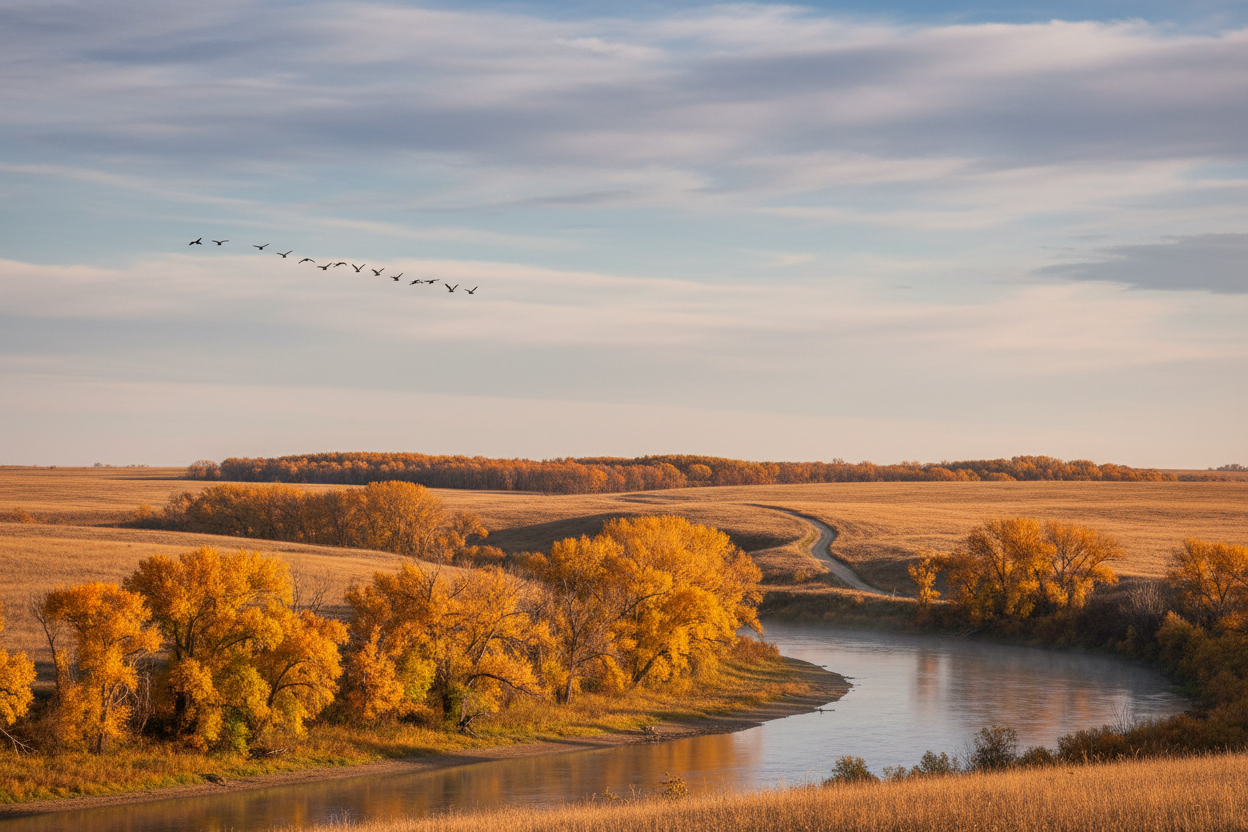
North Dakota’s fall foliage story is different from other regions, and that’s exactly what makes it special. While you won’t find the sugar maples that make Vermont famous, you’ll discover a prairie-specific collection of trees and plants that create their own magnificent autumn symphony. The dominant players in our fall color game include cottonwoods, green ash, American elm, bur oak, and box elder trees, each contributing its own unique hue to the seasonal display.
What makes North Dakota’s autumn colors particularly striking is how they contrast against the endless sky and rolling prairie landscape. The cottonwoods along our riverbanks turn a brilliant golden yellow that seems to glow from within, while the oak trees scattered across our hills offer deeper oranges and rusty reds. The timing here is typically perfect too, with peak colors usually occurring between late September and mid-October, depending on weather conditions and location.
The prairie grasses themselves shouldn’t be overlooked in this autumn showcase. Native species like big bluestem turn copper and burgundy, while switchgrass takes on golden tones that ripple like waves in the constant prairie wind. This grassland component adds texture and movement to the fall landscape that you simply can’t find in heavily forested regions.
Theodore Roosevelt National Park: A Fall Foliage Paradise
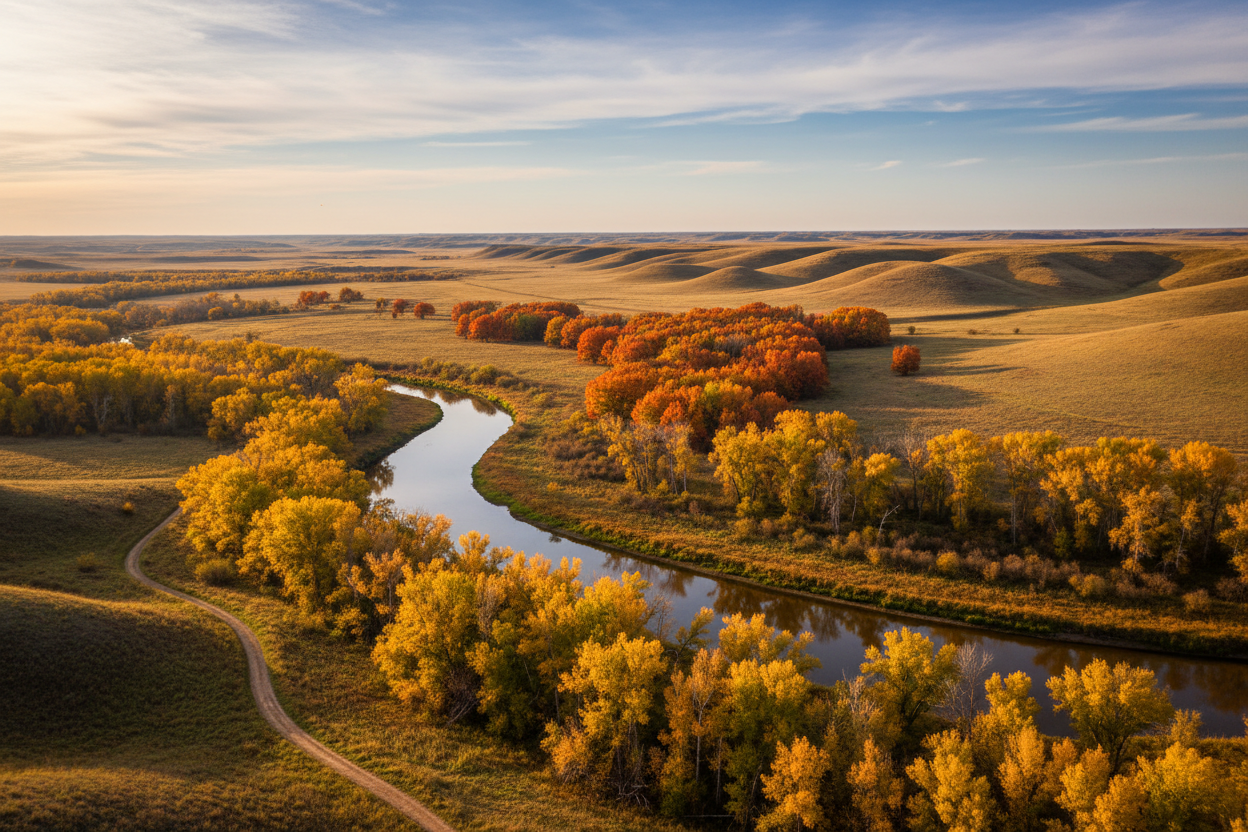
If there’s one destination that should top your North Dakota fall foliage list, it’s Theodore Roosevelt National Park. This badlands treasure offers some of the most dramatic autumn scenery in the state, where colorful trees create stunning contrasts against the rugged, layered rock formations that define this unique landscape.
The South Unit, located near Medora, provides the most accessible fall viewing opportunities. The cottonwoods in the Little Missouri River valley turn brilliant gold in early October, creating a ribbon of color that winds through the dramatic badlands terrain. The 36-mile scenic loop drive offers numerous pullouts where you can capture Instagram-worthy shots of golden trees framed by colorful rock formations and endless prairie views.
Don’t overlook the North Unit near Watford City, which often gets less attention but delivers equally spectacular results. The Caprock Coulee Trail is particularly rewarding during fall, offering hikers the chance to walk through groves of changing trees while enjoying panoramic views of the surrounding badlands. The contrast between the warm autumn colors and the cool blues and grays of the rock formations creates a visual experience that’s uniquely North Dakotan.
For the best experience, plan your visit for early morning or late afternoon when the lighting enhances the natural colors. The park’s visitor centers can provide current conditions and recommendations for the best viewing spots during your visit.
River Valleys and Riparian Areas: Nature’s Color Corridors
North Dakota’s river systems create natural corridors of fall color that stretch across the state like golden highways. These riparian areas concentrate moisture and nutrients, supporting larger trees that put on the most impressive autumn displays. The Missouri River, Little Missouri River, Red River, and numerous smaller waterways all offer exceptional fall foliage viewing opportunities.
Along the Missouri River, particularly in areas like Bismarck-Mandan and the Lake Sakakawea region, massive cottonwoods create cathedral-like canopies that turn brilliant yellow in fall. The Riverfront Park in Bismarck offers easy access to these riverside colors, with walking trails that wind through mature tree groves. Further north, the Lake Sakakawea State Park provides elevated viewing points where you can see the river valley’s autumn colors stretching to the horizon.
The Red River Valley, while known more for its agricultural productivity, surprises many visitors with its fall color potential. The tree lines that separate farm fields, known locally as shelterbelts, create a patchwork effect across the landscape. Green ash and American elm trees in these areas turn golden yellow, while scattered oak groves add deeper orange and red accents to the scene.
Smaller rivers and streams throughout the state offer more intimate fall foliage experiences. The Sheyenne River, winding through southeastern North Dakota, supports diverse tree species that create a varied color palette. The Sheyenne River Valley National Scenic Byway provides access to some of these hidden gems, with numerous opportunities to explore riverside areas on foot.
State Parks and Natural Areas: Hidden Autumn Gems
North Dakota’s state park system protects some of the most beautiful fall foliage locations in the state, often in areas that showcase the diversity of our prairie ecosystem. These parks offer well-maintained trails, interpretive information, and facilities that make fall foliage viewing both comfortable and educational.
Fort Abraham Lincoln State Park, located south of Mandan, combines historical significance with natural beauty. The park’s diverse habitats support various tree species, and the elevated areas provide panoramic views of the Missouri River valley’s autumn colors. The reconstructed earthlodge village and Custer House add historical context to your fall foliage adventure.
Cross Ranch State Park offers one of the most pristine prairie experiences in the state, where native ecosystems remain largely unchanged. The park’s mixed-grass prairie comes alive with autumn colors, while the Missouri River bottomlands support impressive groves of cottonwoods and other deciduous trees. The park’s trail system allows visitors to experience both prairie and woodland fall colors in a single visit.
Turtle River State Park, near Grand Forks, showcases the fall potential of North Dakota’s eastern regions. The park’s hardwood forest includes species like basswood, ash, and elm that create a diverse color palette. The relatively dense forest canopy here offers a different fall experience than the more open prairie landscapes found elsewhere in the state.
For those seeking a more remote experience, Little Missouri State Park provides access to badlands scenery with fewer crowds. The park’s rugged terrain and scattered tree groves create opportunities for discovering hidden autumn colors in one of North Dakota’s most dramatic landscapes.
Best Times and Conditions for Fall Foliage Viewing
Timing your North Dakota fall foliage adventure requires understanding the state’s unique climate patterns and how they influence autumn color development. Unlike regions with more predictable fall seasons, North Dakota’s weather can be quite variable, making flexibility key to catching peak colors.
Generally, the fall color season begins in late September and extends through mid-October, with peak conditions typically occurring during the first two weeks of October. However, elevation, moisture levels, and local microclimates can cause significant variation in timing across the state. Western areas, including Theodore Roosevelt National Park, often peak slightly earlier than eastern regions.
Weather conditions play a crucial role in both the intensity and duration of fall colors. Ideal conditions include warm, sunny days followed by cool (but not freezing) nights, with adequate moisture throughout the growing season. Drought conditions can cause leaves to drop before developing full color, while early hard frosts can end the season abruptly.
For the most current information on fall color conditions, check with local visitor centers, state park offices, and online resources. Many locations provide regular updates during peak season, helping visitors plan their trips for optimal viewing conditions.
Early morning and late afternoon offer the best lighting conditions for both viewing and photography. The low angle of the sun during these times enhances the natural colors and creates dramatic shadows that add depth to the landscape. Overcast days can also provide excellent viewing conditions, as the diffused light eliminates harsh shadows and allows colors to appear more saturated.
Photography Tips for Capturing Prairie Autumn
Photographing North Dakota’s fall foliage presents unique opportunities and challenges that differ from more traditional autumn destinations. The expansive prairie landscape and big sky country setting require different approaches than you might use in densely forested areas.
Composition is crucial when photographing prairie fall colors. Use the rule of thirds to balance colorful foreground elements with the expansive sky that dominates North Dakota’s landscape. Include prairie grasses or wildflowers in your foreground to add texture and lead the viewer’s eye toward your main subject. The contrast between intimate details and vast landscapes can create compelling images that capture the essence of prairie autumn.
Take advantage of North Dakota’s incredible light quality. The clear prairie air and unobstructed horizons create lighting conditions that can make fall colors absolutely glow. Golden hour photography is particularly rewarding here, as the warm light enhances yellow and orange tones while creating long shadows that add dimension to the landscape.
Don’t forget about the sky in your compositions. North Dakota’s big sky is an integral part of the fall foliage story, and dramatic cloud formations can add visual interest and context to your images. Consider using a polarizing filter to enhance sky contrast and reduce glare on foliage.
For close-up detail work, focus on the unique elements that make North Dakota’s autumn special. Capture the texture of prairie grasses, the patterns in cottonwood bark, or the way light filters through golden leaves. These intimate images help tell the complete story of prairie autumn.
Planning Your North Dakota Fall Foliage Adventure
A successful North Dakota fall foliage trip requires some advance planning, particularly regarding timing, accommodation, and route selection. The relatively short peak season means that flexibility and preparation are essential for making the most of your autumn adventure.
Start by identifying your primary destinations and creating a rough itinerary that allows for weather-related adjustments. Consider basing yourself in larger towns like Bismarck, Minot, or Grand Forks, which offer good accommodation options and serve as convenient hubs for exploring surrounding areas. Many of the best fall foliage locations are within day-trip distance of these population centers.
Pack appropriately for variable weather conditions. North Dakota’s autumn weather can change rapidly, with temperature swings of 30-40 degrees possible in a single day. Layer your clothing and bring rain gear, as autumn storms can develop quickly on the prairie. Comfortable walking shoes are essential, as many of the best viewing locations require at least short hikes.
Consider combining your fall foliage trip with other North Dakota attractions. The state’s rich cultural and historical sites, including numerous museums, historic forts, and Native American cultural centers, can add depth to your visit. Many of these attractions are located near prime fall foliage areas, making it easy to combine natural and cultural experiences.
Don’t forget practical considerations like fuel and supplies. Some of the most beautiful fall foliage areas are in remote locations with limited services. Fill your gas tank regularly, bring snacks and water, and consider packing a emergency kit for extended drives in rural areas.
Frequently Asked Questions
When is the best time to see fall foliage in North Dakota?
Peak fall foliage in North Dakota typically occurs between late September and mid-October, with the first two weeks of October generally offering the most reliable viewing. However, timing can vary significantly based on weather conditions and location within the state.
What types of trees create North Dakota’s fall colors?
North Dakota’s fall display is dominated by cottonwoods (brilliant yellow), green ash (golden yellow), American elm (yellow), bur oak (orange to brown), and box elder (yellow). Native prairie grasses also contribute significant color with species like big bluestem turning copper and burgundy.
Is Theodore Roosevelt National Park worth visiting for fall colors?
Absolutely! Theodore Roosevelt National Park offers some of the most spectacular fall foliage in North Dakota, with golden cottonwoods creating stunning contrasts against the colorful badlands rock formations. Both the North and South Units provide excellent viewing opportunities.
Are there any fees for viewing fall foliage in North Dakota?
Most fall foliage viewing areas are free to access, including scenic drives and many trails. Theodore Roosevelt National Park charges an entrance fee, and some state parks have modest day-use fees. Many of the best roadside viewing areas are completely free.
How long does the fall color season last in North Dakota?
The fall color season typically lasts 3-4 weeks, from late September through mid-October. However, this can vary significantly based on weather conditions. Drought or early hard frosts can shorten the season, while mild weather can extend it.
What should I bring for a fall foliage trip in North Dakota?
Pack layers for variable weather, comfortable walking shoes, a camera, snacks and water, and emergency supplies for remote areas. Don’t forget warm clothing, as temperatures can drop significantly, especially in the mornings and evenings.
Embracing the Prairie’s Autumn Magic
North Dakota’s fall foliage may not match the fame of New England’s autumn spectacle, but it offers something equally valuable: an authentic, uncrowded, and uniquely beautiful prairie autumn experience. Here, you can stand in a golden cottonwood grove along the Missouri River with nothing but the sound of wind through the leaves and the distant call of migrating waterfowl. You can drive for miles along country roads lined with colorful shelterbelts, stopping whenever something catches your eye without worrying about crowds or traffic.
The beauty of autumn in North Dakota lies not just in the colors themselves, but in the way they’re presented against the backdrop of endless sky and rolling prairie. It’s a landscape that rewards those who take the time to really look, to appreciate the subtle differences in how light plays across golden grasslands, and to understand that sometimes the most spectacular shows happen in the most unexpected places.
Whether you’re a lifelong North Dakotan discovering new corners of your home state or a visitor seeking an off-the-beaten-path autumn adventure, the Peace Garden State’s fall foliage season offers memories that will last long after the last leaf has fallen. So grab your camera, plan your route, and prepare to be surprised by the autumn magic that awaits in North Dakota’s prairies, river valleys, and badlands. The colors are out there waiting for you – you just need to know where to look.