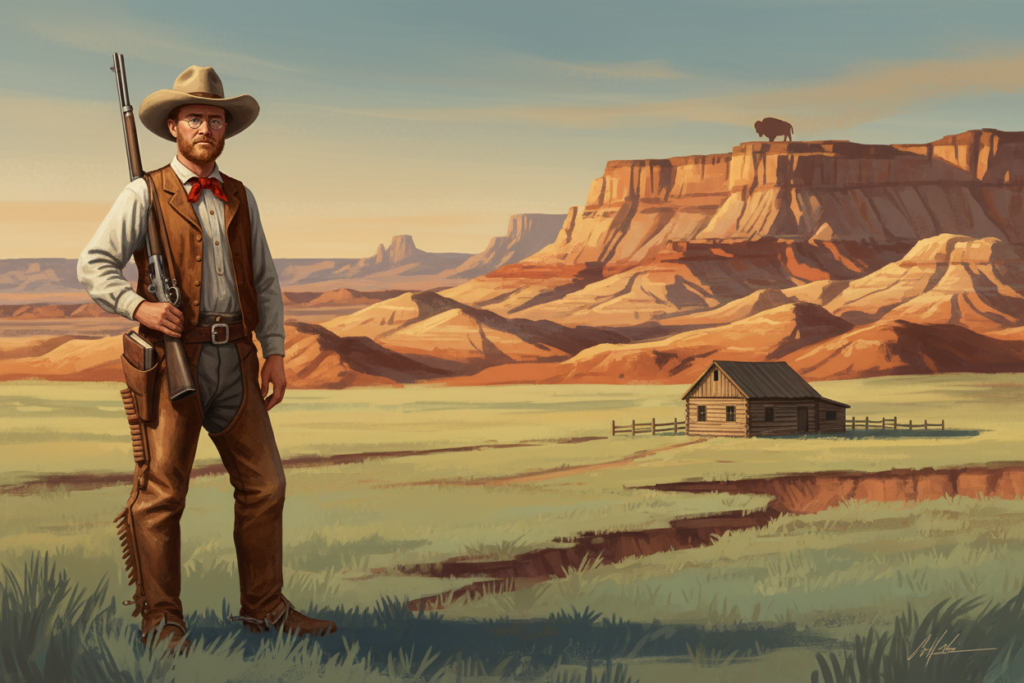
When most people think of Theodore Roosevelt, they picture the boisterous president charging up San Juan Hill or wielding his famous “big stick” in international diplomacy. But long before he became the 26th President of the United States, a young Roosevelt found himself transformed by the rugged landscapes and harsh realities of North Dakota’s Badlands. This chapter of his life, spanning from 1883 to 1886, would fundamentally shape the man who would later become one of America’s most dynamic leaders.
Roosevelt’s Dakota years remain one of the most fascinating yet overlooked periods of his remarkable life. These formative experiences in the American West didn’t just toughen him physically – they forged his conservation philosophy, honed his leadership skills, and gave him the grit that would define his presidency. Let’s explore fifteen surprising facts about Roosevelt’s time in the territory that would forever change both the man and the nation.
The Tragic Beginning: Why Roosevelt Fled to Dakota
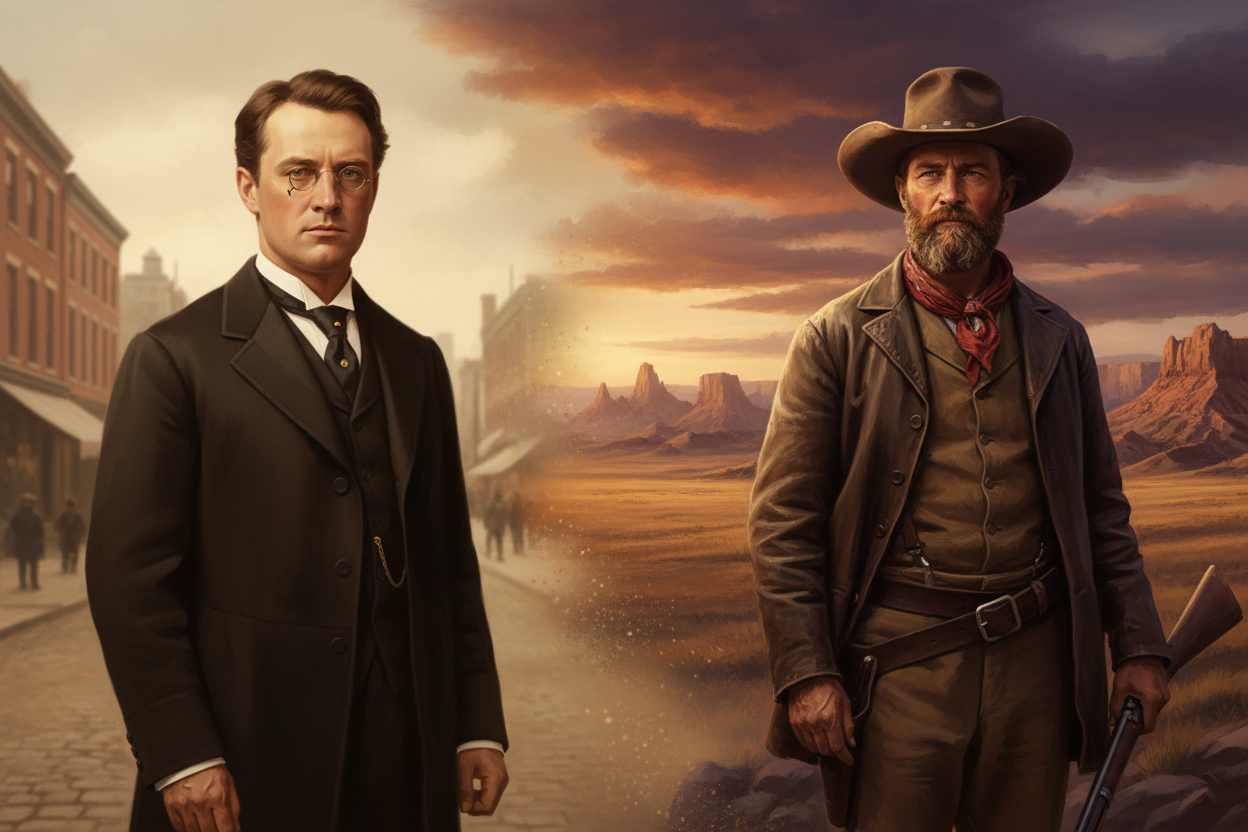
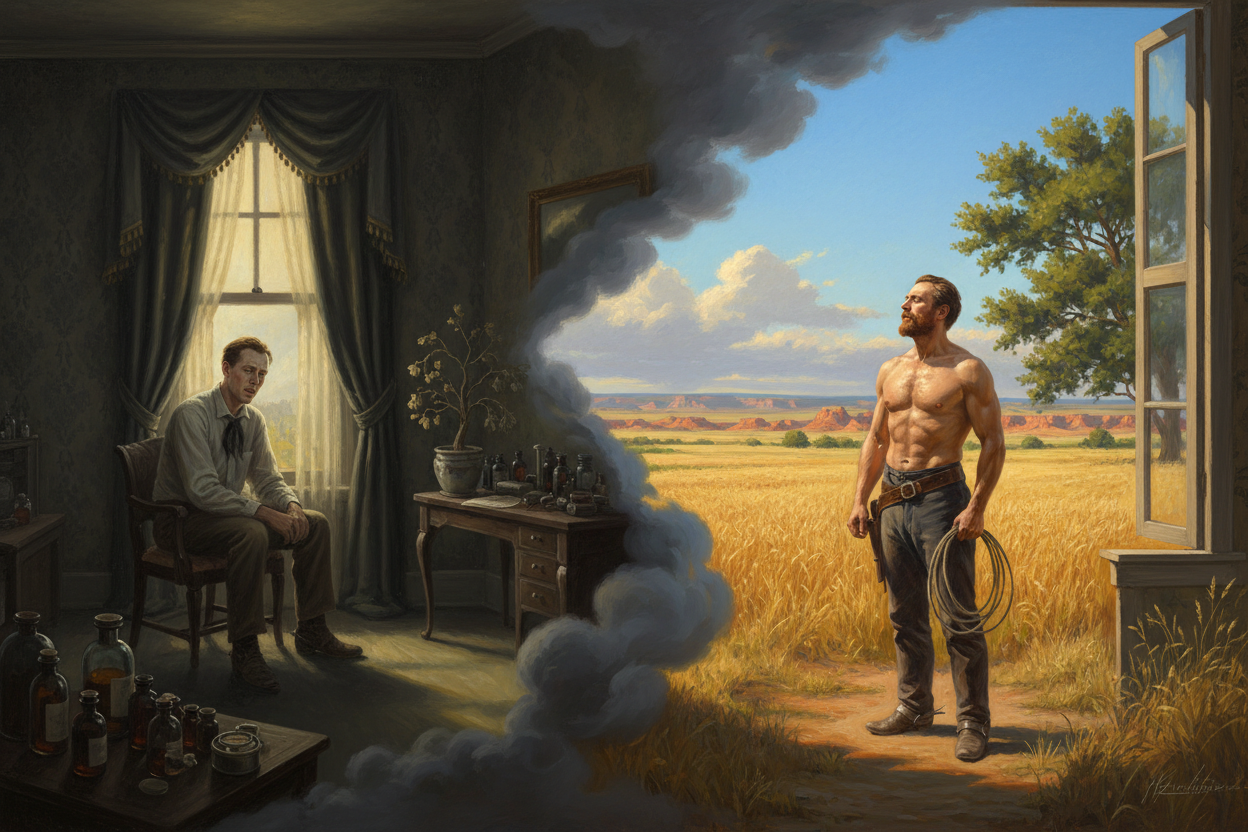
Roosevelt’s journey to North Dakota began with profound personal tragedy. On February 14, 1884, both his wife Alice and his mother Martha died on the same day – Alice from kidney failure following childbirth, and his mother from typhoid fever. Devastated by this double loss, the 25-year-old Roosevelt famously wrote in his diary, “The light has gone out of my life.” Unable to bear remaining in New York, he headed west to his recently purchased cattle ranch in the Dakota Territory, seeking solace in the wilderness.
This wasn’t just a temporary escape – Roosevelt threw himself into ranch life with characteristic intensity. He invested heavily in cattle operations and spent significant portions of the next three years living as a genuine cowboy and rancher, not merely playing at frontier life as many wealthy Easterners did.
Roosevelt Owned Not One, But Two Major Ranches
Many people know Roosevelt had a ranch in North Dakota, but few realize he actually owned two substantial operations. His first purchase was the Maltese Cross Ranch near Medora, which he bought in 1883 even before the family tragedies struck. After moving west permanently, he established a second ranch called the Elkhorn Ranch about 35 miles north of Medora along the Little Missouri River.
The Elkhorn Ranch was Roosevelt’s pride and joy – he personally selected the site and helped design the ranch house. He considered it his primary residence during his Dakota years, and it was here that he did much of his writing and reflection that would later influence his political philosophy.
He Nearly Died Multiple Times in Dakota
Roosevelt’s time in North Dakota was far from a gentleman’s retreat. He faced genuine life-threatening situations that would have broken lesser men. During the brutal winter of 1886-1887, temperatures plummeted to -41°F, and Roosevelt nearly froze to death while checking on his cattle. He once spent three days tracking boat thieves down the Little Missouri River in freezing conditions, subsisting on minimal food and sleeping on frozen ground.
Perhaps most dramatically, Roosevelt contracted malaria while in Dakota – likely from mosquitoes in the river bottoms. He suffered recurring bouts of fever and chills that left him bedridden for days at a time, yet he refused to abandon his ranching operations.
Roosevelt Wrote Three Books While Living in the Badlands
Despite the physical demands of ranch life, Roosevelt maintained his intellectual pursuits with remarkable discipline. During his Dakota years, he completed three significant books: “Hunting Trips of a Ranchman” (1885), “Ranch Life and the Hunting Trail” (1888), and “The Winning of the West” (the first volume, published in 1889).
He would often write by candlelight in his Elkhorn Ranch cabin after long days of physical labor. These works weren’t just literary exercises – they helped establish Roosevelt as a serious author and provided crucial income when his ranching ventures struggled financially.
The Future President Nearly Became a Vigilante
Law enforcement in the Dakota Territory was sparse and often ineffective, leading many settlers to take justice into their own hands. Roosevelt came close to joining a vigilante group after cattle rustlers repeatedly targeted his herds. However, his Eastern education and legal background ultimately prevailed, and he instead worked to establish proper law enforcement mechanisms in the region.
This experience taught Roosevelt valuable lessons about the balance between order and frontier justice – lessons that would later influence his approach to trust-busting and corporate regulation as president.
Roosevelt Lost a Fortune in the Cattle Business
Roosevelt’s ranching ventures were ultimately financial disasters. The catastrophic winter of 1886-1887 killed an estimated 80% of his cattle herd. Combined with falling beef prices and overgrazing throughout the region, Roosevelt lost approximately $80,000 – equivalent to about $2.5 million today. This represented a significant portion of his inheritance from his father.
Rather than bitter him against the West, this financial setback taught Roosevelt important lessons about economic cycles and the need for sustainable resource management – insights that would later inform his conservation policies as president.
He Helped Establish the Town of Medora
Roosevelt played a crucial role in developing Medora, North Dakota, which served as the hub for his ranching operations. He invested in local businesses, supported the construction of civic buildings, and helped attract other settlers to the area. The town was named after Medora von Hoffman, the wife of the Marquis de Morès, Roosevelt’s sometimes rival and sometimes partner in various business ventures.
Roosevelt’s presence and investments helped transform Medora from a rough frontier outpost into a more civilized community, complete with a hotel, general store, and other amenities that attracted families and legitimate businesses.
Roosevelt’s Conservation Philosophy Was Born in Dakota
The future conservationist president first witnessed the devastating effects of unchecked resource exploitation in North Dakota. He saw buffalo herds that had once numbered in millions reduced to scattered remnants, watched as overgrazing destroyed grasslands, and observed the rapid depletion of wildlife populations.
These firsthand experiences convinced Roosevelt that America’s natural resources needed protection and scientific management. The conservation ethic he developed in Dakota would later drive his establishment of national parks, wildlife refuges, and forest reserves as president – a legacy that preserved millions of acres for future generations.
He Captured Outlaws Single-Handedly
One of Roosevelt’s most famous Dakota adventures occurred in March 1886, when three men stole his boat from the Elkhorn Ranch. Rather than simply reporting the theft, Roosevelt and two ranch hands built a makeshift raft and pursued the thieves down the ice-clogged Little Missouri River. After a three-day chase in bitter cold, Roosevelt captured all three men and personally marched them 40 miles to the nearest jail in Dickinson.
This incident demonstrated Roosevelt’s personal courage and his belief in taking direct action rather than waiting for others to solve problems – traits that would characterize his entire political career.
Roosevelt Became a Skilled Marksman and Hunter
Before coming to Dakota, Roosevelt was a decent shot but hardly an expert outdoorsman. The demands of frontier life quickly transformed him into a skilled hunter and marksman. He learned to track game across difficult terrain, became proficient with various firearms, and developed the outdoor skills that would serve him well in later adventures from Africa to South America.
His hunting experiences in Dakota also contributed to his understanding of wildlife behavior and habitat requirements, knowledge that proved invaluable when he later worked to establish hunting regulations and wildlife conservation programs.
The Badlands Cured Roosevelt’s Asthma
Roosevelt had suffered from severe asthma since childhood, a condition that often left him gasping for breath and limited his physical activities. The dry, clean air of the Dakota Badlands, combined with the intense physical activity of ranch work, dramatically improved his respiratory health. By the end of his time in Dakota, Roosevelt’s asthma had largely disappeared, and he had transformed from a sickly young man into a robust outdoorsman.
This physical transformation gave Roosevelt the confidence and stamina that would enable his later adventures and his energetic approach to the presidency.
Roosevelt Nearly Fought a Duel Over Politics
Roosevelt’s passionate political convictions sometimes got him into trouble in Dakota. During one heated political discussion in a Medora saloon, Roosevelt’s criticism of a local political figure so enraged the man that he challenged Roosevelt to a duel. Fortunately, cooler heads prevailed, and the matter was resolved without violence.
This incident highlighted Roosevelt’s lifelong tendency to speak his mind regardless of consequences – a trait that would both help and hinder him throughout his political career.
He Learned Leadership by Managing Cowboys
Managing a ranch crew of hardened cowboys taught Roosevelt invaluable leadership lessons. These men respected competence and courage more than education or social status, forcing Roosevelt to prove himself through actions rather than words. He learned to earn respect through fairness, decisiveness, and personal example – leadership principles he would later apply as a military officer and president.
The democratic nature of frontier society also reinforced Roosevelt’s belief in meritocracy and his conviction that leadership should be based on ability rather than birth or wealth.
Roosevelt’s Famous “Speak Softly” Philosophy Originated in Dakota
Roosevelt’s famous maxim to “speak softly and carry a big stick” had its roots in his Dakota experiences. He learned that in frontier society, quiet confidence and demonstrated competence carried more weight than bluster or threats. Cowboys and ranchers respected men who could back up their words with action, leading Roosevelt to develop his philosophy of diplomatic restraint backed by obvious strength.
This approach would later define his foreign policy as president, from his mediation of the Russo-Japanese War to his handling of the Panama Canal crisis.
The Badlands Shaped Roosevelt’s “Strenuous Life” Philosophy
Roosevelt’s experiences in Dakota convinced him that physical and moral vigor were essential for both individual success and national greatness. The harsh demands of frontier life taught him that comfort and ease led to weakness, while challenge and hardship built character and strength.
This philosophy of the “strenuous life” would become a central theme of his presidency and his approach to American foreign policy. Roosevelt believed that nations, like individuals, needed to embrace challenge and difficulty to remain strong and vital.
Conclusion: How Dakota Made a President
Theodore Roosevelt’s three years in North Dakota transformed him from a grief-stricken young politician into the dynamic leader who would reshape American politics and foreign policy. The Badlands taught him lessons about conservation, leadership, and the importance of personal courage that would guide him throughout his career.
Perhaps most importantly, Dakota gave Roosevelt an authentic connection to the American West and its values. Unlike many Eastern politicians who viewed the frontier as an abstract concept, Roosevelt had lived the reality of Western life. This experience gave him credibility with Western voters and a deep understanding of the region’s needs and perspectives.
Today, visitors to Theodore Roosevelt National Park can still see the landscapes that shaped America‘s most dynamic president. The rugged beauty of the Badlands remains largely unchanged from Roosevelt’s time, offering modern Americans a glimpse into the frontier world that forged one of our greatest leaders.
Frequently Asked Questions
How long did Theodore Roosevelt live in North Dakota?
Roosevelt spent approximately three years (1883-1886) actively ranching in North Dakota, though he made occasional visits after returning to Eastern politics.
Did Roosevelt make money from his North Dakota ranches?
No, Roosevelt lost a significant amount of money on his ranching ventures, particularly during the harsh winter of 1886-1887 when most of his cattle died.
Can you visit Roosevelt’s ranches today?
Yes, the sites of both the Maltese Cross Ranch and the Elkhorn Ranch are preserved within Theodore Roosevelt National Park. The Maltese Cross cabin has been reconstructed and is on display at the park’s visitor center.
What happened to Roosevelt’s Dakota ranch hands?
Many of Roosevelt’s ranch employees remained lifelong friends and correspondents. Some later visited him at the White House, and he maintained contact with several Dakota acquaintances throughout his life.
How did Roosevelt’s time in Dakota influence his presidency?
His Dakota experiences shaped his conservation policies, his understanding of Western issues, his “strenuous life” philosophy, and his approach to leadership and foreign policy.