Often overlooked by travelers rushing between more famous destinations, North Dakota holds some of America’s best-kept secrets. This sprawling prairie state offers everything from dramatic badlands and pristine lakes to vibrant cities and fascinating historical sites. Whether you’re seeking outdoor adventures, cultural experiences, or simply a peaceful escape from the crowds, North Dakota delivers an authentic American experience that will surprise and delight you.
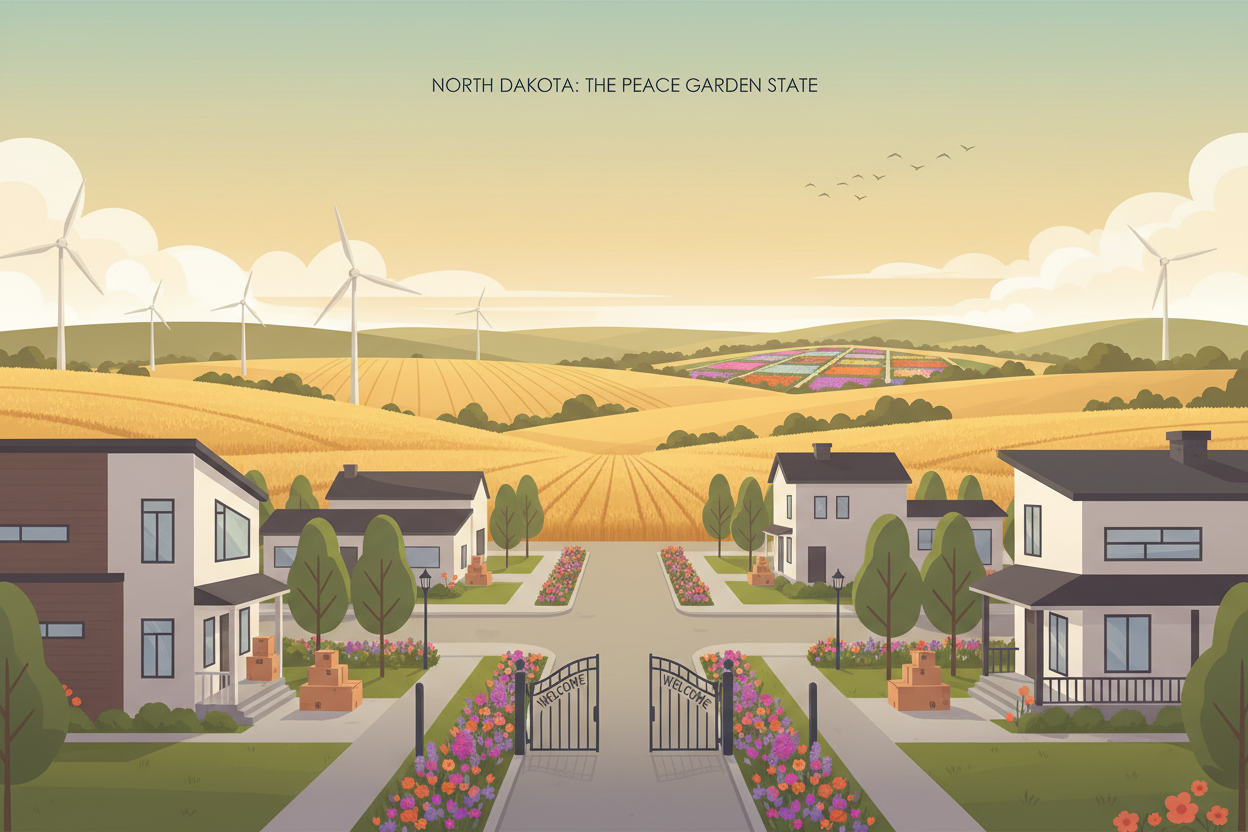
Planning a trip to the Peace Garden State requires understanding its unique geography, seasonal variations, and hidden gems. This comprehensive guide will help you discover why North Dakota deserves a spot on your travel bucket list and how to make the most of your visit to this remarkable destination.
Best Time to Visit North Dakota
North Dakota’s continental climate creates distinct seasons, each offering unique travel experiences. Summer months from June through August provide the warmest weather and longest daylight hours, making them ideal for outdoor activities and sightseeing. Temperatures typically range from 70-85°F, perfect for hiking, fishing, and exploring the state’s numerous parks.
Fall brings spectacular colors to the prairie landscape, with September and October offering comfortable temperatures and fewer crowds. Winter transforms North Dakota into a snowy wonderland, attracting visitors interested in ice fishing, cross-country skiing, and northern lights viewing. Spring can be unpredictable but rewards patient travelers with wildflower blooms and excellent bird watching opportunities.
Consider your interests when timing your visit. Photography enthusiasts will love the golden hour light during summer evenings, while winter visitors can experience the magic of snow-covered badlands and frozen lakes.
Top Attractions and Must-See Destinations
Theodore Roosevelt National Park
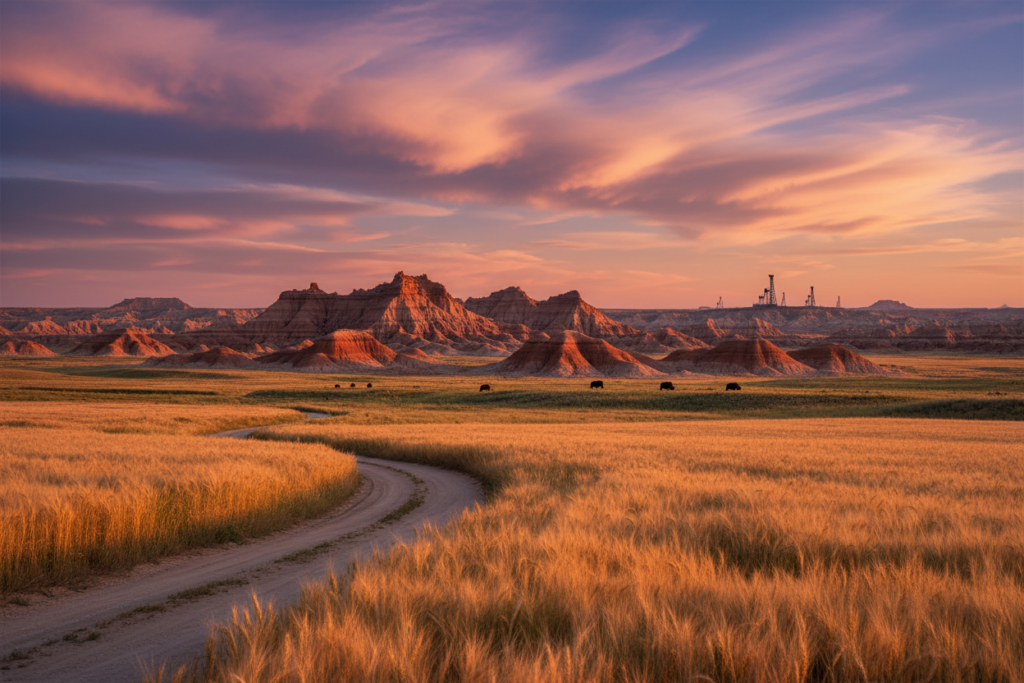
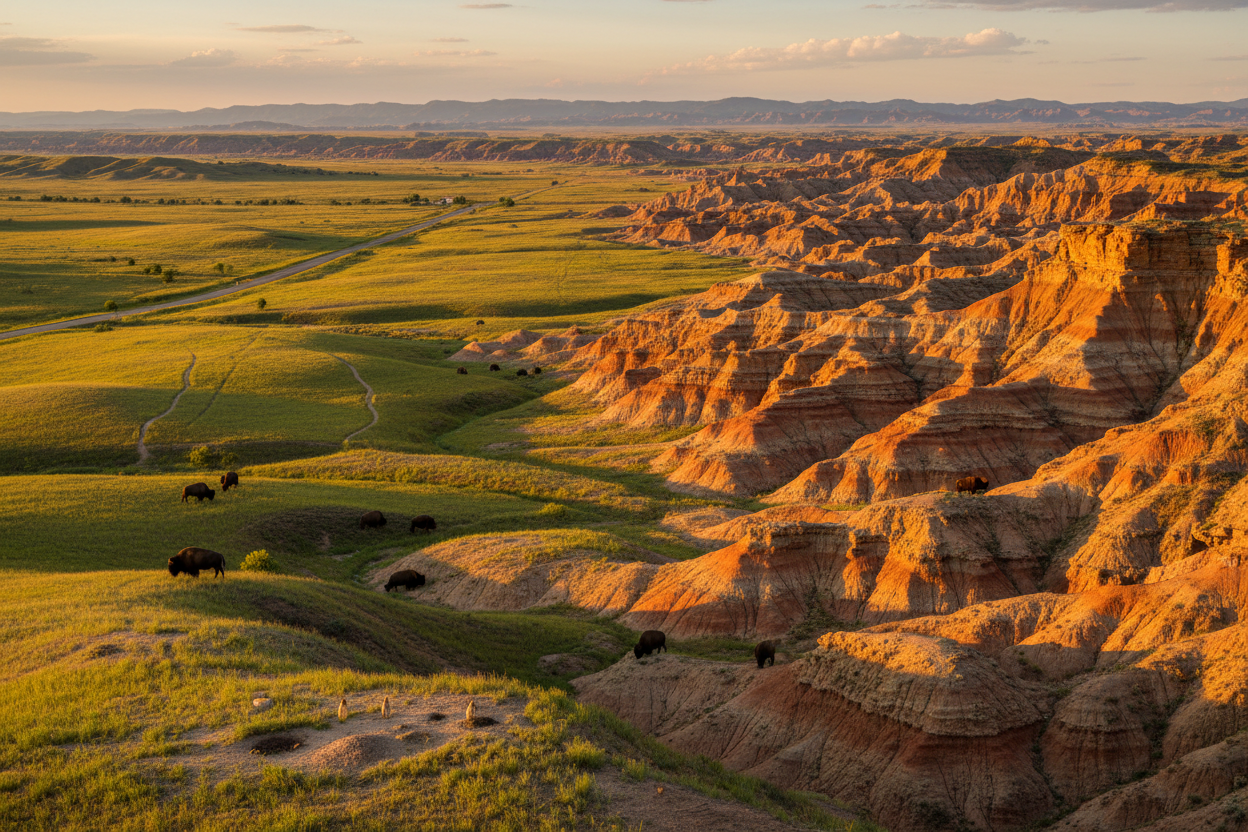
The crown jewel of North Dakota’s attractions, Theodore Roosevelt National Park showcases the rugged beauty of the badlands. Split into three units, the park offers diverse landscapes from colorful rock formations to prairie grasslands. The South Unit near Medora provides the most accessible hiking trails and scenic drives, while the North Unit offers more solitude and wildlife viewing opportunities.
Don’t miss the Painted Canyon overlook for breathtaking sunrise and sunset views. The park’s wildlife includes bison herds, wild horses, prairie dogs, and over 180 bird species. Plan at least two days to fully appreciate this natural wonder.
Medora
This charming western town serves as the gateway to Theodore Roosevelt National Park’s South Unit. Medora’s main attraction is the famous Medora Musical, a patriotic outdoor show performed in a natural amphitheater. The town also features the North Dakota Cowboy Hall of Fame, historic sites related to Theodore Roosevelt, and excellent dining options.
Fargo
North Dakota’s largest city offers urban amenities alongside Midwestern charm. Downtown Fargo features excellent restaurants, craft breweries, and cultural attractions like the Plains Art Museum. The city’s vibrant arts scene includes galleries, theaters, and music venues. Don’t miss the historic Fargo Theatre, a beautifully restored 1926 movie palace.
Outdoor Activities and Adventures
Hiking and Nature Trails
North Dakota’s diverse landscapes provide hiking opportunities for all skill levels. Theodore Roosevelt National Park offers over 100 miles of trails, from easy nature walks to challenging backcountry routes. The Caprock Coulee Trail provides stunning badlands views, while the Petrified Forest Loop offers a glimpse into ancient history.
Beyond the national park, explore trails at Fort Abraham Lincoln State Park, Cross Ranch State Park, and the Maah Daah Hey Trail, a 144-mile hiking and biking route connecting all three units of Theodore Roosevelt National Park.
Water Activities
Despite its prairie reputation, North Dakota offers excellent water recreation. Lake Sakakawea, one of the largest man-made lakes in the United States, provides opportunities for boating, fishing, and swimming. The Missouri River system offers canoeing and kayaking adventures through diverse landscapes.
Devils Lake, known as the “Perch Capital of the World,” attracts anglers from across the country. Ice fishing during winter months provides a uniquely North Dakota experience.
Wildlife Viewing
North Dakota’s position along the Central Flyway makes it a premier bird-watching destination. Over 400 species have been recorded in the state, including waterfowl, raptors, and grassland birds. The best viewing occurs during spring and fall migrations.
Large mammals include white-tailed deer, elk, moose, and the iconic American bison. Prairie dog towns provide entertaining wildlife watching, while the state’s rivers and lakes host beaver, muskrat, and various waterfowl species.
Cultural Attractions and Historical Sites
Native American Heritage
North Dakota’s rich Native American heritage is preserved at several cultural sites. The Knife River Indian Villages National Historic Site near Stanton showcases the agricultural lifestyle of Plains tribes. The site features reconstructed earth lodges and interpretive trails along the Missouri River.
The Three Affiliated Tribes Museum at New Town provides insights into Mandan, Hidatsa, and Arikara cultures. Powwows throughout the summer offer visitors authentic cultural experiences.
Pioneer and Military History
Fort Abraham Lincoln State Park preserves both military and Native American history. The reconstructed fort includes Custer’s house and provides insights into frontier military life. The adjacent On-A-Slant Indian Village features reconstructed Mandan earth lodges.
The Bonanzaville Pioneer Village in West Fargo showcases late 19th-century prairie life through historic buildings, artifacts, and demonstrations. The North Dakota Heritage Center in Bismarck offers comprehensive state history exhibits.
Food and Dining Experiences
North Dakota’s cuisine reflects its agricultural heritage and immigrant influences. Local specialties include bison burgers, walleye fish, and hearty comfort foods. Many restaurants feature farm-to-table concepts using locally sourced ingredients.
Fargo’s dining scene offers surprising sophistication with restaurants like Mezzaluna and HoDo Restaurant showcasing creative cuisine. Don’t miss trying kuchen, the official state dessert, or lefse, a traditional Norwegian flatbread.
Local breweries have gained recognition for quality craft beers. Fargo Brewing Company, Drekker Brewing, and Laughing Sun Brewing offer unique flavors inspired by local ingredients and traditions.
Accommodation Options
North Dakota provides diverse lodging options from luxury hotels to rustic cabins. Fargo and Bismarck offer full-service hotels with modern amenities. Historic properties like the Radisson Hotel Fargo provide character alongside comfort.
For unique experiences, consider staying at a working ranch or bed and breakfast. Several properties near Theodore Roosevelt National Park offer western-themed accommodations. Camping enthusiasts will find excellent facilities at state and national parks.
Book accommodations well in advance during summer months and special events like the Medora Musical season. Many properties offer packages combining lodging with attraction tickets or outdoor activities.
Transportation and Getting Around
Flying into Fargo’s Hector International Airport provides the most convenient access to North Dakota. Rental cars are essential for exploring the state’s attractions, as public transportation is limited outside major cities.
Interstate highways connect major destinations, but many attractions require travel on state and county roads. Plan for longer driving times than GPS estimates suggest, especially in rural areas. Winter driving requires preparation and appropriate vehicles.
Consider the distances between attractions when planning your itinerary. North Dakota is larger than many visitors expect, and rushing between destinations reduces enjoyment.
Practical Travel Tips
Pack layers regardless of season, as prairie weather can change rapidly. Sunscreen and hats are essential due to limited shade and intense sun exposure. Comfortable walking shoes are necessary for most attractions.
Cell phone coverage can be spotty in remote areas, so download offline maps and inform others of your travel plans. Carry extra water and snacks when exploring backcountry areas.
Respect wildlife by maintaining safe distances and following park regulations. Bison may appear docile but are dangerous when approached. Store food properly to avoid attracting animals to campsites.
Conclusion
North Dakota rewards curious travelers with authentic experiences, stunning landscapes, and warm hospitality. From the dramatic badlands of Theodore Roosevelt National Park to the cultural richness of its cities, the state offers adventures that create lasting memories. The key to enjoying North Dakota lies in embracing its pace, appreciating its natural beauty, and connecting with its genuine people.
Whether you’re seeking outdoor adventures, historical insights, or simply a break from crowded tourist destinations, North Dakota delivers experiences that feel both timeless and refreshing. Start planning your visit to discover why those who venture to the Peace Garden State often find themselves planning return trips before they’ve even left.
Frequently Asked Questions
What is the best time of year to visit North Dakota?
Summer (June-August) offers the warmest weather and best conditions for outdoor activities. Fall provides beautiful colors and comfortable temperatures, while winter offers unique experiences like northern lights viewing and ice fishing.
How many days do I need to see North Dakota’s main attractions?
A minimum of 4-5 days allows you to visit Theodore Roosevelt National Park, Medora, and one major city. A week provides time for more thorough exploration and outdoor activities.
Is North Dakota safe for solo travelers?
Yes, North Dakota is very safe for solo travelers. Crime rates are low, and locals are generally helpful and friendly. However, always inform someone of your plans when exploring remote areas.
What should I pack for a North Dakota trip?
Pack layers for changing weather, comfortable hiking shoes, sunscreen, hat, and camera. In winter, bring warm clothing, ice grippers for shoes, and emergency supplies for your vehicle.
Are there any unique foods I should try in North Dakota?
Yes, try bison burgers, walleye fish, kuchen (state dessert), lefse, and local craft beers. Many restaurants feature farm-to-table cuisine using local ingredients.
Do I need a car to get around North Dakota?
Yes, a rental car is essential for exploring North Dakota’s attractions. Public transportation is limited, and many sites are located in rural areas requiring personal transportation.