
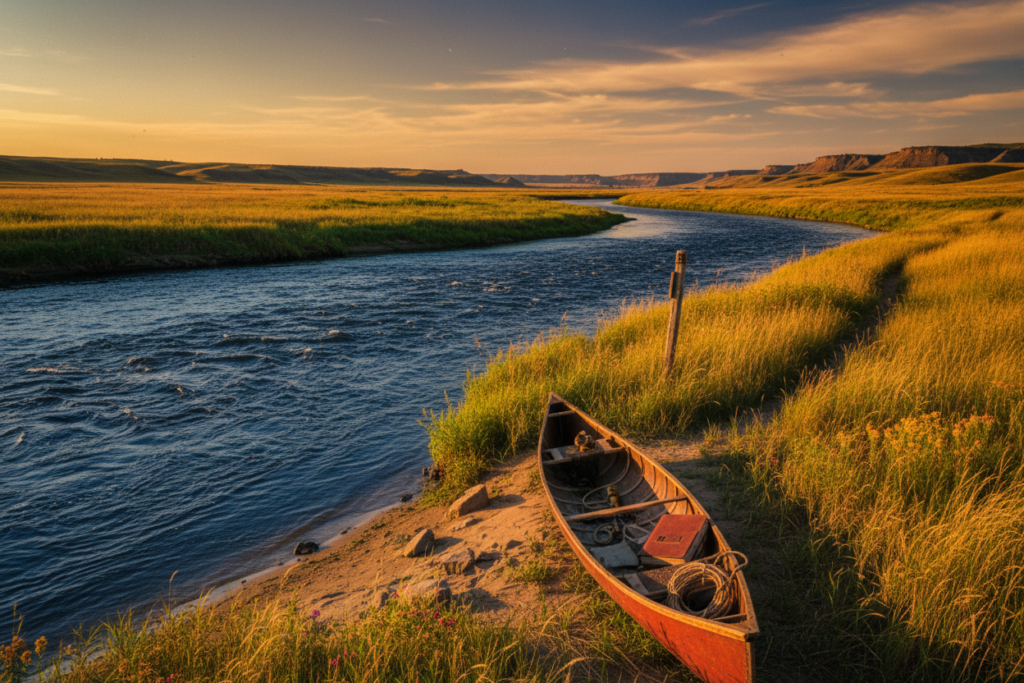
The vast prairies of North Dakota hold secrets that stretch back over two centuries, when two brave explorers and their Corps of Discovery changed the course of American history forever. Meriwether Lewis and William Clark’s legendary expedition through what would become the Peace Garden State offers modern adventurers an incredible opportunity to walk in the footsteps of these pioneering explorers. From the confluence of great rivers to the winter camps that tested human endurance, North Dakota’s Lewis and Clark trail provides an immersive journey through time that connects us to one of America’s greatest adventures.
Today’s travelers can experience the same landscapes, wildlife, and natural wonders that captivated the expedition members more than 200 years ago. Whether you’re a history enthusiast, outdoor adventurer, or simply someone seeking to understand America’s westward expansion, following the Lewis and Clark trail through North Dakota promises unforgettable experiences and profound connections to our nation’s past.
The Historical Significance of Lewis and Clark’s North Dakota Journey
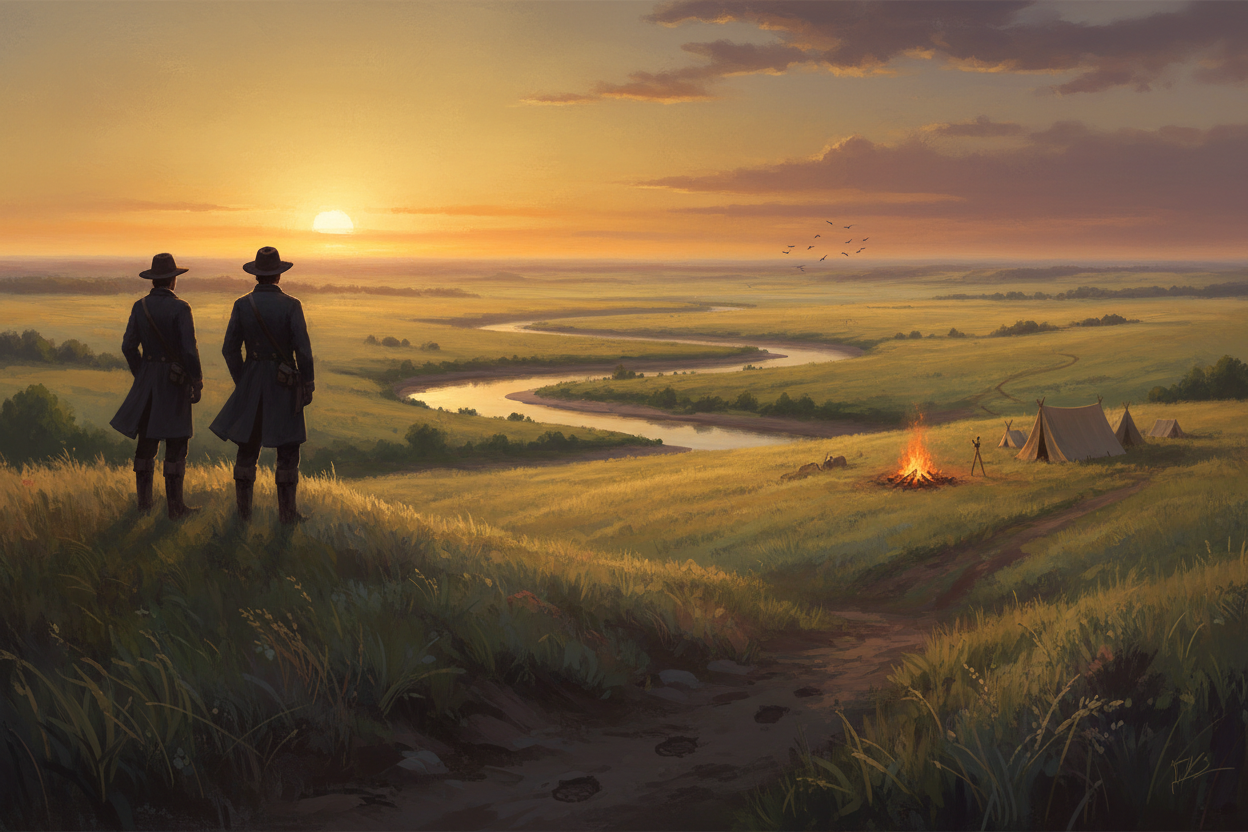
President Thomas Jefferson’s vision of westward expansion became reality when Lewis and Clark entered present-day North Dakota in October 1804. This wasn’t just a casual exploration – it was a carefully planned scientific and diplomatic mission that would determine the future of an entire continent. The expedition spent nearly six months in North Dakota, longer than in any other state, making it a crucial chapter in their remarkable journey.
During their time in North Dakota, the Corps of Discovery established Fort Mandan, where they endured one of the harshest winters in recorded history. Temperatures plummeted to minus 45 degrees Fahrenheit, yet the expedition not only survived but thrived, thanks to their relationships with local Native American tribes, particularly the Mandan and Hidatsa peoples. These interactions proved invaluable, providing essential knowledge about western territories, trade routes, and survival techniques.
The expedition’s North Dakota chapter also marked the recruitment of Sacagawea, the Shoshone woman whose guidance would prove instrumental in their success. Her knowledge of the terrain, ability to communicate with various tribes, and presence as a peaceful symbol made her an indispensable member of the Corps of Discovery.
Key Lewis and Clark Sites to Visit in North Dakota
Fort Mandan and the Knife River Indian Villages
The reconstructed Fort Mandan stands as a testament to human resilience and ingenuity. Located near Washburn, this replica fort showcases the cramped quarters where 32 expedition members spent the brutal winter of 1804-1805. Visitors can explore the triangular stockade, examine authentic artifacts, and imagine the daily challenges faced by the Corps of Discovery during those long, dark months.
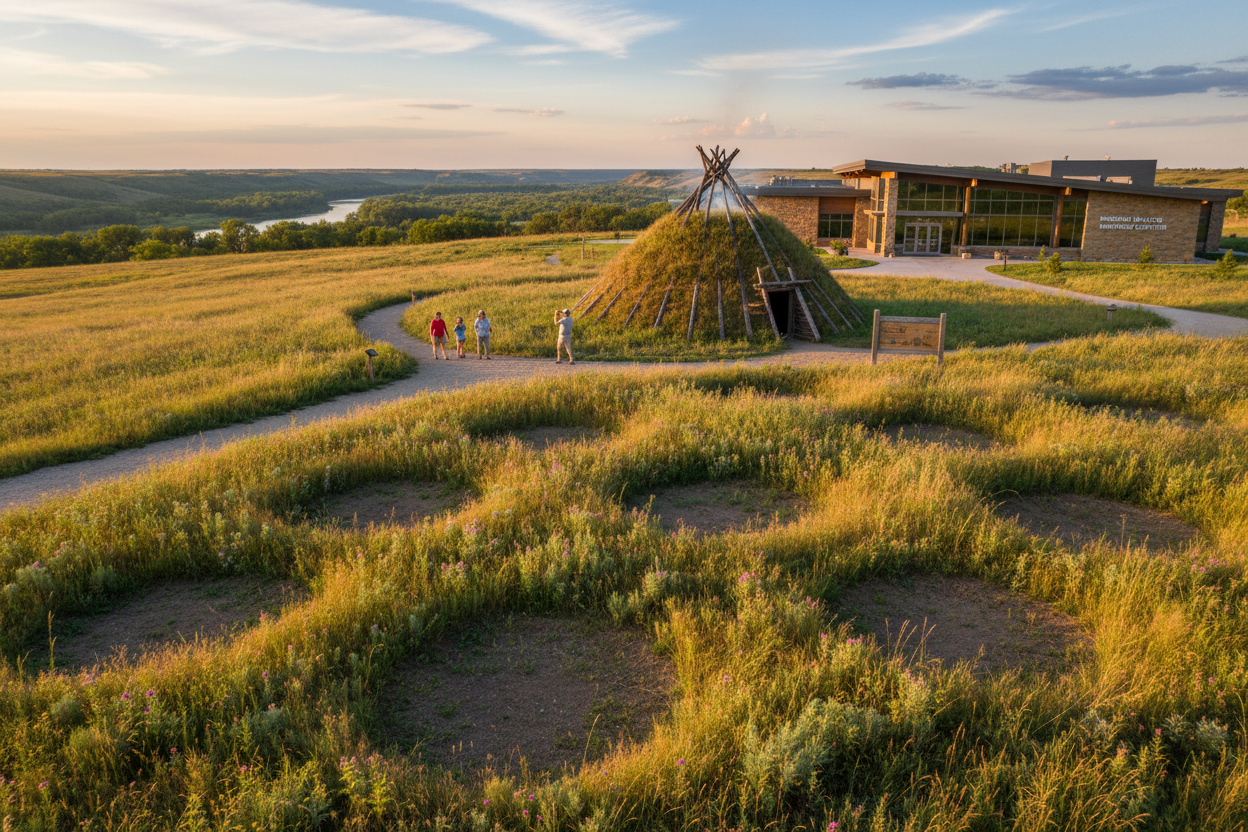
Just a short drive away, the Knife River Indian Villages National Historic Site preserves the earthlodge villages where the Hidatsa and Mandan peoples lived for centuries. These communities were thriving centers of trade and culture when Lewis and Clark arrived. Walking through the village sites, you can see the circular depressions where earthlodges once stood and visit the excellent visitor center that brings this rich cultural heritage to life.
Fort Abraham Lincoln State Park
While Fort Abraham Lincoln is more famous for its connection to General Custer, the park also features reconstructed Mandan earthlodges that help visitors understand the sophisticated agricultural societies that Lewis and Clark encountered. The On-A-Slant Indian Village showcases how Native Americans had been successfully living on these northern plains for generations before European contact.
Cross Ranch State Park
This pristine stretch of the Missouri River offers visitors a chance to see the landscape much as Lewis and Clark would have experienced it. The park preserves native prairie, river bottom forests, and diverse wildlife habitats. Hiking the trails here, you’ll encounter the same species of plants and animals that the expedition documented, from prairie dogs to bison.
Planning Your Lewis and Clark Adventure in North Dakota
Best Time to Visit
The optimal time for retracing Lewis and Clark’s North Dakota journey is from late spring through early fall, typically May through September. Summer months offer the warmest weather and longest daylight hours, perfect for outdoor exploration. However, visiting during shoulder seasons provides unique perspectives – spring showcases wildflower blooms that amazed the expedition’s botanists, while fall offers stunning prairie colors and cooler temperatures ideal for hiking.
Winter visits, while challenging, can provide the most authentic experience of what the Corps of Discovery endured. Modern visitors have heated cars and warm hotels, making it possible to appreciate the expedition’s incredible hardships while staying comfortable.
Transportation and Logistics
Most Lewis and Clark sites in North Dakota are accessible by car, with well-marked scenic byways connecting major locations. The Lewis and Clark Trail follows Highway 1804 along the Missouri River, providing excellent access to historical sites while offering spectacular river valley views. Plan for driving distances between sites, as North Dakota’s wide-open spaces mean attractions can be 50-100 miles apart.
For the most immersive experience, consider combining driving with river activities. Several outfitters offer Missouri River canoe and kayak trips that follow the expedition’s water route, providing perspectives impossible to achieve from land.
Wildlife and Natural Wonders Along the Trail
One of the most remarkable aspects of following Lewis and Clark through North Dakota is witnessing the incredible biodiversity they documented. The expedition’s journals overflow with descriptions of wildlife encounters, from massive bison herds to curious prairie dogs, many of which were completely new to science at the time.
Today’s visitors can still observe many of the same species. Theodore Roosevelt National Park, while not directly on the Lewis and Clark route, preserves the type of badlands ecosystem the expedition encountered. Here, bison roam freely, prairie dogs create bustling underground cities, and wild horses run across rugged terrain that looks unchanged since 1805.
Bird enthusiasts will particularly appreciate retracing the expedition’s steps, as Lewis and Clark documented numerous new species. The Missouri River corridor remains a critical flyway for migratory birds, and patient observers can spot many of the same species that fascinated the expedition’s naturalists.
Cultural Connections and Native American Heritage
Understanding Lewis and Clark’s North Dakota journey requires appreciating the sophisticated Native American cultures they encountered. The Mandan, Hidatsa, and Arikara peoples had created complex agricultural societies along the Missouri River, with permanent villages, extensive trade networks, and rich cultural traditions.
Modern visitors can learn about these cultures at several excellent interpretive centers. The Three Affiliated Tribes Museum in New Town provides comprehensive exhibits about Mandan, Hidatsa, and Arikara history and culture. The museum’s collections include artifacts from the Lewis and Clark era and help visitors understand the expedition from Native American perspectives.
Respectful engagement with contemporary Native American communities adds depth to any Lewis and Clark journey. Many tribal cultural centers offer programs that share traditional knowledge, crafts, and stories that connect directly to the expedition’s experiences.
Modern Amenities and Visitor Services
North Dakota has developed excellent infrastructure for Lewis and Clark trail visitors. The Lewis and Clark Interpretive Center in Washburn serves as an ideal starting point, offering comprehensive exhibits, knowledgeable staff, and detailed trail maps. The center’s theater presentations bring the expedition’s story to life through multimedia presentations that help visitors understand the journey’s significance.
Accommodations range from modern hotels in larger cities like Bismarck and Mandan to charming bed-and-breakfasts in smaller communities along the trail. For those seeking more adventurous lodging, several state parks offer camping facilities that allow visitors to sleep under the same stars that guided Lewis and Clark.
Dining options throughout the trail region celebrate both local agricultural bounty and historical connections. Many restaurants feature locally-sourced ingredients, including bison, which provides a direct taste connection to the expedition’s experiences.
Educational Opportunities and Family Activities
Following Lewis and Clark through North Dakota offers exceptional educational opportunities for families and school groups. Many sites provide hands-on activities that help younger visitors connect with history. At Fort Mandan, children can try their hand at frontier crafts, learn about expedition equipment, and participate in living history demonstrations.
The North Dakota Lewis and Clark Bicentennial Foundation has developed excellent educational resources, including curriculum guides, interactive maps, and activity books that enhance visits for learners of all ages. These resources help visitors understand not just what happened, but why it mattered and how it continues to influence American development.
Junior Ranger programs at various sites along the trail provide structured activities that engage children while teaching important lessons about history, geography, and environmental stewardship. These programs often include completing activity booklets, participating in guided tours, and earning official Junior Ranger badges.
Conclusion
Retracing Lewis and Clark’s historic journey through North Dakota offers modern travelers an unparalleled opportunity to connect with American history while experiencing some of the nation’s most beautiful and unspoiled landscapes. From the reconstructed walls of Fort Mandan to the rolling prairies that stretch to the horizon, every mile of the trail tells stories of courage, discovery, and cultural exchange that shaped our nation’s destiny.
The expedition’s North Dakota chapter demonstrates how exploration, scientific inquiry, and respectful cultural interaction can lead to extraordinary achievements. Today’s visitors leave with deeper appreciation for the challenges faced by early explorers, the sophisticated societies of Native American peoples, and the incredible natural heritage preserved in the Peace Garden State.
Whether you spend a weekend or a week following Lewis and Clark through North Dakota, you’ll discover that history isn’t just something that happened long ago – it’s a living, breathing part of the landscape that continues to inspire and educate all who take the time to listen to its stories.
Frequently Asked Questions
How long did Lewis and Clark spend in North Dakota?
Lewis and Clark spent nearly six months in present-day North Dakota, from October 1804 through April 1805. This was longer than they spent in any other state during their expedition.
What is the best starting point for a Lewis and Clark tour in North Dakota?
The Lewis and Clark Interpretive Center in Washburn is an excellent starting point. It provides comprehensive background information, exhibits, and trail maps that help orient visitors to the expedition’s North Dakota journey.
Can you visit the original Fort Mandan site?
The original Fort Mandan site is now underwater due to dam construction on the Missouri River. However, a historically accurate replica has been built near the original location and is open to visitors.
Are there guided tours available along the Lewis and Clark trail in North Dakota?
Yes, several organizations offer guided tours, including bus tours, river excursions, and specialized educational programs. The North Dakota Tourism Division and local visitor centers can provide current information about available guided tour options.
What should I bring when visiting Lewis and Clark sites in North Dakota?
Bring weather-appropriate clothing (North Dakota weather can change quickly), comfortable walking shoes, sunscreen, water, and a camera. Many sites are outdoors with limited shade, so sun protection is important during summer visits.
Is the Lewis and Clark trail in North Dakota suitable for children?
Absolutely! Many sites offer Junior Ranger programs, hands-on activities, and family-friendly exhibits. The trail provides excellent educational opportunities for children to learn about American history, geography, and Native American cultures.