Exploring Ohio’s Historic River Towns Along the Ohio River: A Journey Through Time and Culture
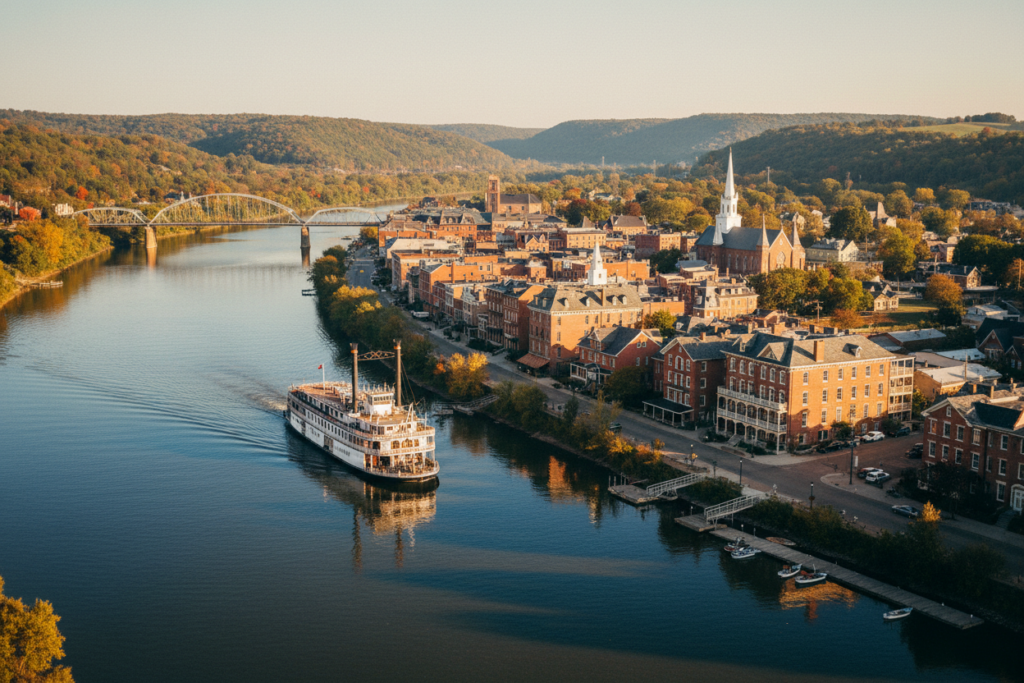
The Ohio River has been the lifeblood of countless communities for centuries, serving as a vital transportation route, economic engine, and cultural corridor. Along Ohio’s southern border, where the mighty river winds its way westward, you’ll discover a collection of charming historic towns that tell the story of America’s westward expansion, industrial growth, and cultural evolution. These river towns offer visitors a unique glimpse into the past while providing modern amenities and attractions that make them perfect destinations for history buffs, families, and adventure seekers alike.
From bustling riverfront districts to quiet cobblestone streets lined with antique shops, Ohio’s historic river towns along the Ohio River present an irresistible blend of natural beauty, architectural treasures, and small-town hospitality. Whether you’re planning a weekend getaway or a longer exploration of the region, these communities offer experiences that will leave lasting memories and a deeper appreciation for Ohio’s rich heritage.
The Rich History of Ohio River Towns
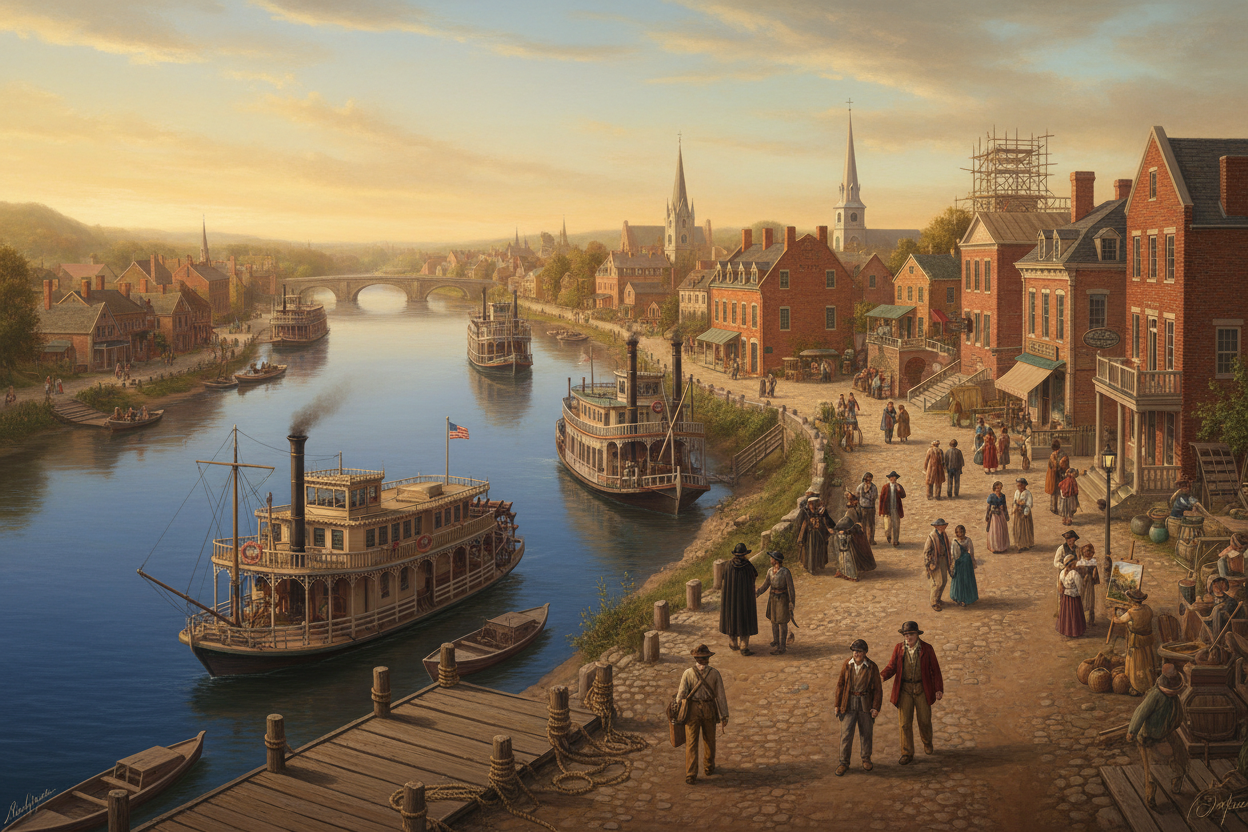
The Ohio River served as the primary highway for early settlers moving westward in the late 18th and early 19th centuries. These river towns became crucial stopping points for steamboats, flatboats, and keelboats carrying passengers, goods, and dreams of new opportunities. Many of these communities were established as trading posts and grew rapidly during the steamboat era, which lasted from the 1810s through the 1920s.
The strategic location of these towns along the river made them natural centers for commerce, manufacturing, and cultural exchange. German, Irish, and other immigrant communities settled in these areas, bringing their traditions, architecture, and crafts that still influence the character of these towns today. The Underground Railroad also played a significant role in many of these communities, as they served as crucial crossing points for freedom seekers heading north.
Marietta: Ohio’s First City and Gateway to River History
Marietta stands as Ohio’s first permanent settlement, founded in 1788 by the Ohio Company of Associates. This historic river town at the confluence of the Muskingum and Ohio rivers offers visitors an exceptional journey through early American history. The city’s well-preserved downtown district features beautiful Federal and Victorian architecture that speaks to its prosperous past as a major river port.
The Campus Martius Museum provides an excellent starting point for understanding the region’s history, housing artifacts from prehistoric Native American cultures through the steamboat era. Visitors can explore original blockhouses from the Northwest Territory’s first fortified settlement and learn about the challenges faced by early pioneers.
Marietta’s riverfront has been beautifully restored, featuring walking trails, parks, and the historic Levee House Cafe, where you can dine while watching modern towboats navigate the same waters that carried settlers centuries ago. The annual Ohio River Sternwheel Festival celebrates the town’s maritime heritage with authentic sternwheeler demonstrations, live music, and traditional crafts.
Portsmouth: A Victorian Gem with Industrial Heritage
Portsmouth, located where the Scioto River meets the Ohio, showcases some of the finest Victorian architecture in the state. The town’s historic Boneyfiddle District earned its unusual name from early French traders and now serves as the heart of the community’s cultural renaissance. Brick streets lined with restored 19th-century buildings house unique shops, galleries, and restaurants that reflect the town’s artistic revival.
The Southern Ohio Museum and Cultural Center occupies a beautiful 1918 department store building and features rotating exhibitions that highlight regional history and contemporary art. Portsmouth’s floodwall murals, painted by renowned artist Robert Dafford, tell the story of the region through stunning large-scale artwork that attracts visitors from across the country.
The town’s connection to the Underground Railroad is commemorated through historical markers and guided tours that reveal the courage of local residents who helped freedom seekers cross the Ohio River to safety. Portsmouth’s location made it a crucial crossing point, and several buildings in the historic district served as safe houses during this dangerous but vital period in American history.
Ironton: Iron Heritage and Architectural Treasures
Named for its role in Ohio’s iron industry, Ironton represents the industrial might that once powered America’s growth. The town’s historic district features an impressive collection of 19th and early 20th-century commercial buildings that reflect the prosperity brought by iron furnaces and related industries.
The Lawrence County Museum showcases the region’s industrial heritage, including exhibits on iron production, river transportation, and the famous Ironton-Russell Bridge, which has connected Ohio and Kentucky since 1922. Visitors can walk through downtown Ironton and admire the detailed brickwork and architectural elements that demonstrate the craftsmanship of skilled immigrant workers who built these lasting monuments to American industry.
Ironton’s riverfront offers excellent opportunities for fishing, boating, and simply enjoying the peaceful flow of the Ohio River. The town serves as a gateway to Wayne National Forest, providing outdoor enthusiasts with hiking trails, camping opportunities, and scenic vistas that showcase the natural beauty of southeastern Ohio.
Gallipolis: French Heritage on the Ohio
Gallipolis, meaning “City of the Gauls,” was founded in 1790 by French settlers who were part of a land development scheme that brought educated French citizens to the Ohio frontier. This unique heritage sets Gallipolis apart from other Ohio River towns and is celebrated throughout the community’s historic district.
The Gallia County Historical Society Museum occupies the old Presbyterian Church building and houses artifacts from the French settlement period, including furniture, documents, and personal items that tell the story of these early immigrants’ struggles and successes. The town’s French heritage is also evident in street names, architectural details, and local traditions that have been maintained for over two centuries.
Our House Museum, a Federal-style tavern built in 1819, served as a stagecoach stop and hotel during the town’s early years. Today, it offers visitors a glimpse into 19th-century hospitality and the challenges of frontier life. The museum’s period rooms are furnished with authentic pieces that help visitors understand how families lived and worked in this river community.
Ripley: Underground Railroad Legacy and Scenic Beauty
Ripley holds a special place in American history as one of the most important Underground Railroad stations along the Ohio River. The Rankin House, perched high on a bluff overlooking the river, served as a beacon of hope for freedom seekers who could see its light from the Kentucky shore. Reverend John Rankin and his family helped more than 2,000 enslaved people reach freedom over a period of nearly 40 years.
The town’s historic district features beautiful antebellum and Victorian homes that reflect the prosperity of river trade and the community’s commitment to education and social progress. Many of these homes have been carefully restored and now serve as bed and breakfasts, allowing visitors to experience the charm of 19th-century river town life.
Ripley’s riverfront park provides excellent views of the Ohio River and Kentucky hills beyond. The park includes interpretive signs that explain the Underground Railroad’s operation and the courage required by both freedom seekers and the local residents who risked everything to help them. Walking tours of the historic district reveal additional sites connected to this remarkable chapter in American history.
Modern Attractions and Activities in Ohio River Towns
While history forms the foundation of these river towns’ appeal, modern attractions and activities ensure that visitors of all ages find engaging experiences. Many towns offer riverboat excursions that provide unique perspectives on the landscape and wildlife along the Ohio River. These cruises often include historical narration and seasonal themes such as fall foliage tours or holiday light displays.
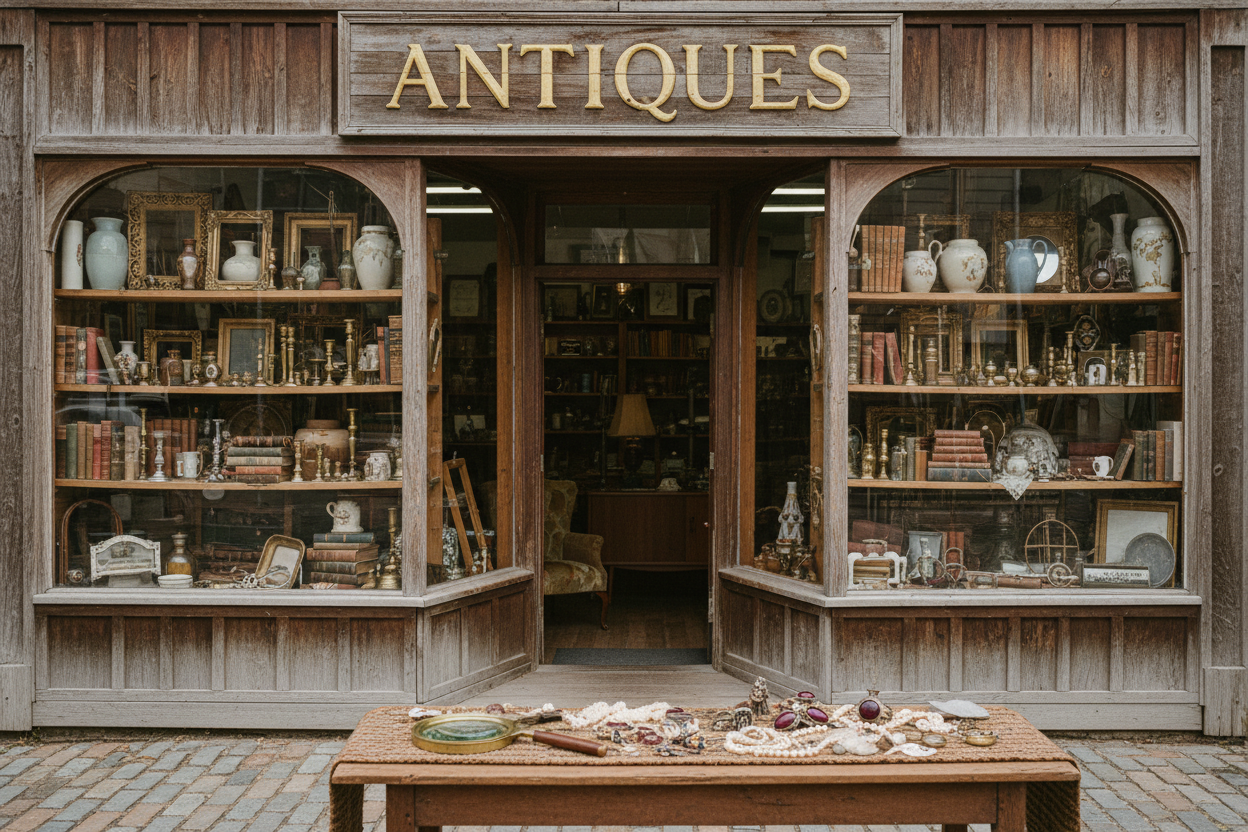
Antique shopping has become a major draw in several river towns, with shops housed in historic buildings offering everything from vintage furniture to rare books and collectibles. Local artisans also showcase their work in galleries and studios, creating opportunities to purchase unique handmade items while supporting the local economy.
Festivals and events throughout the year celebrate each town’s unique heritage and provide entertainment for visitors. From Civil War reenactments to German heritage festivals, these events offer immersive experiences that bring history to life while creating fun family memories.
Planning Your Ohio River Towns Adventure
The best way to explore Ohio’s historic river towns is to plan a multi-day trip that allows time to fully appreciate each community’s unique character. Many towns are within an hour’s drive of each other, making it possible to visit several during a long weekend. Spring through fall offers the most pleasant weather for walking tours and outdoor activities, though each season provides its own scenic beauty.
Accommodations range from historic bed and breakfasts to modern hotels, with many properties offering river views and period furnishings that enhance the historical experience. Local restaurants often feature regional specialties and family recipes that have been passed down through generations, providing authentic tastes of Ohio River valley cuisine.
Visitors should also consider timing their trips to coincide with special events or festivals, as these occasions offer unique opportunities to experience local culture and meet residents who are passionate about preserving their communities’ heritage. Many towns offer guided tours led by knowledgeable local historians who can share stories and details not found in guidebooks.
Conclusion: Discovering Ohio’s River Town Treasures
Ohio’s historic river towns along the Ohio River offer an extraordinary opportunity to step back in time while enjoying modern comforts and attractions. These communities have preserved their architectural treasures, cultural traditions, and historical significance while adapting to contemporary needs and interests. Whether you’re drawn by Underground Railroad history, Victorian architecture, industrial heritage, or simply the peaceful beauty of river life, these towns provide enriching experiences that connect visitors to America’s past while creating new memories.
The journey through Ohio’s river towns reveals the resilience, creativity, and determination of generations who built thriving communities along this vital waterway. From Marietta’s pioneer spirit to Ripley’s courage in the face of injustice, each town contributes unique chapters to the larger story of American growth and progress. Plan your visit to these remarkable communities and discover for yourself why Ohio’s historic river towns continue to captivate travelers seeking authentic experiences and meaningful connections to our shared heritage.