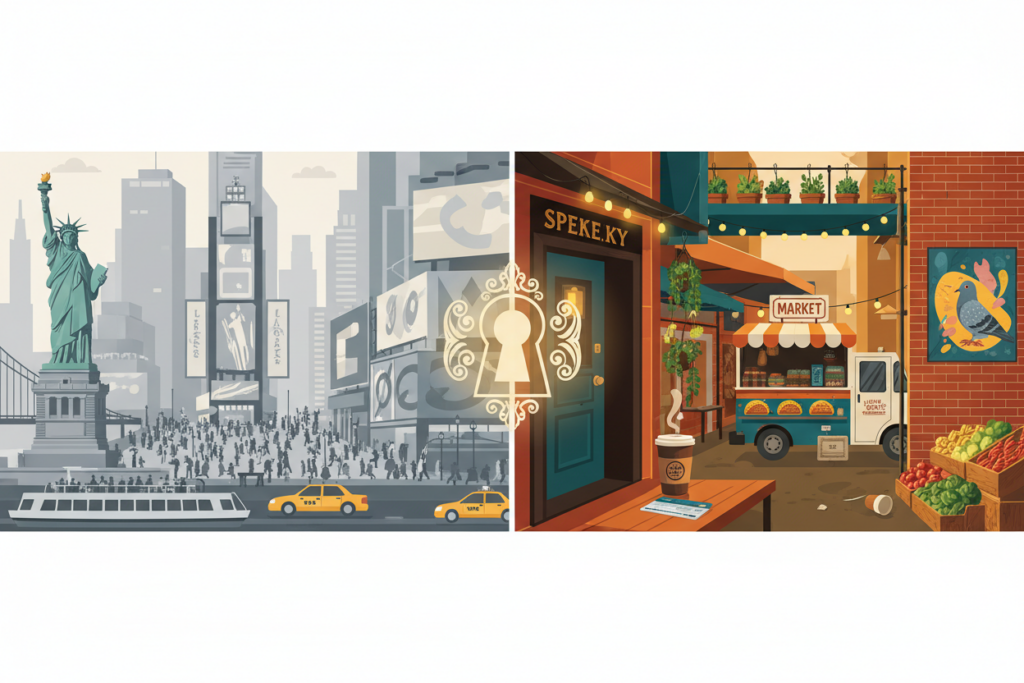
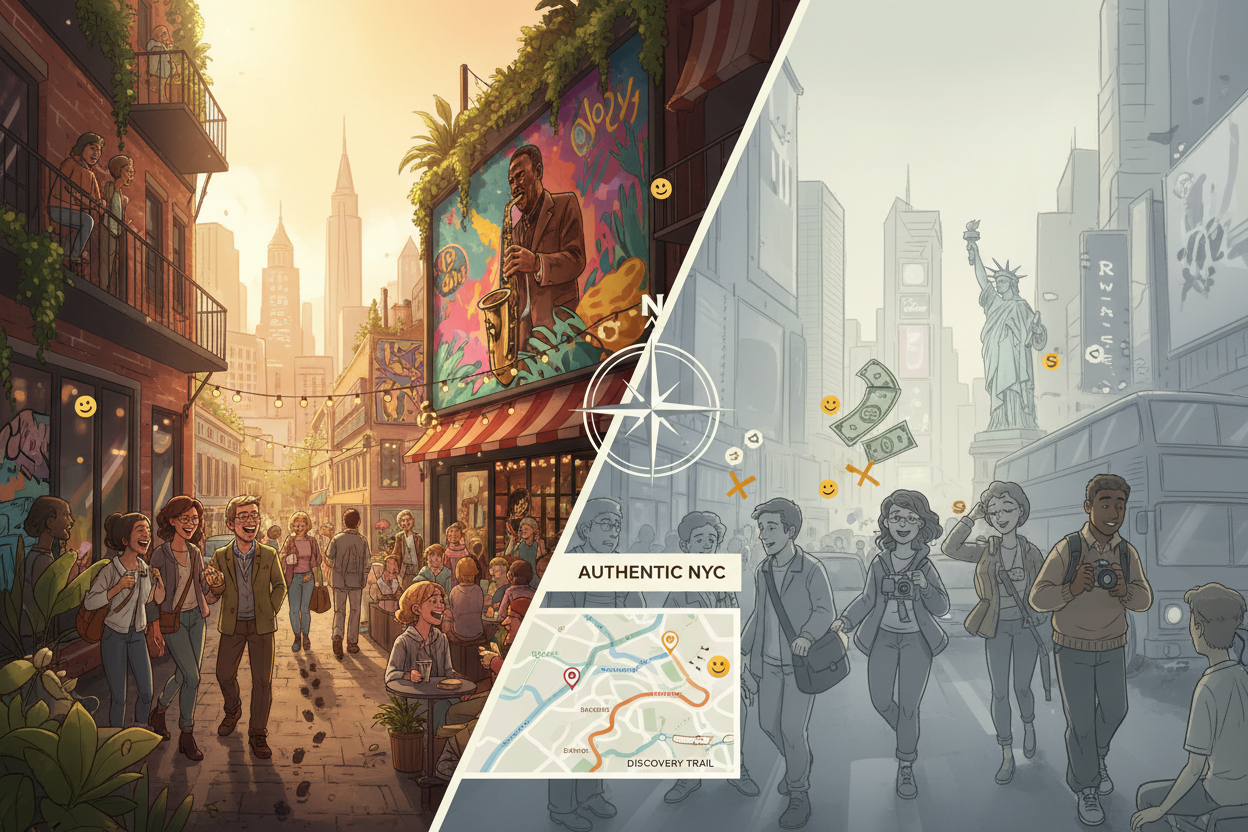
New York City attracts millions of visitors each year, but most tourists only scratch the surface of what the Big Apple truly offers. While locals navigate their daily routines, they’ve discovered countless shortcuts, hidden gems, and money-saving tricks that rarely make it into guidebooks. After living in NYC for over a decade, I’m ready to spill the secrets that will transform your visit from a typical tourist experience into an authentic New York adventure.
These insider tips aren’t just about avoiding crowds or saving money – they’re about experiencing the real New York that locals call home. From secret subway shortcuts to hidden speakeasies that don’t advertise their existence, these are the closely guarded secrets that will make your NYC trip unforgettable.
Transportation Secrets That Save Time and Money
The subway system is New York’s lifeline, but tourists often make expensive mistakes that locals learned to avoid years ago. First, never buy single-ride tickets at $2.90 each when you can get an unlimited 7-day MetroCard for $33. Even if you’re staying for just four days and taking six rides, you’ll break even.
Here’s something most visitors never realize: express trains don’t always mean faster travel. During rush hours, local trains often move quicker because express trains get held up by signal delays and overcrowding. Locals check real-time train apps like Citymapper or Transit before heading underground.
The biggest transportation secret? Walking is often faster than taking the subway for distances under 10 blocks. While tourists wait on crowded platforms, savvy locals are already at their destination. Plus, you’ll discover incredible street art, food vendors, and architectural details you’d miss underground.
For airport transfers, skip the expensive taxis and Ubers from JFK. Take the AirTrain to Jamaica Station, then catch the LIRR to Penn Station for under $15 total – a journey that costs tourists $60+ in ride-shares during peak hours.
Hidden Food Gems Beyond Tourist Traps
While tourists line up for overpriced pizza in Times Square, locals know the real food scene exists in neighborhoods like Flushing, Sunset Park, and the Lower East Side. The best Chinese food isn’t in Chinatown’s tourist-heavy streets – it’s in Flushing, Queens, where authentic regional cuisines thrive without English menus or tourist markup.
Every New Yorker has their secret bodega, but here’s the insider tip: look for bodegas with a grill. These unassuming corner stores often serve the city’s best breakfast sandwiches and chopped cheese for under $5. The bodega at 125th and Lexington makes a bacon, egg, and cheese that puts expensive brunch spots to shame.
Happy hour culture runs deep in NYC, but locals know the best deals happen before 6 PM on weekdays. Dive bars in the East Village offer $3 beers and free pizza, while upscale establishments in Midtown provide half-price cocktails that normally cost $18.
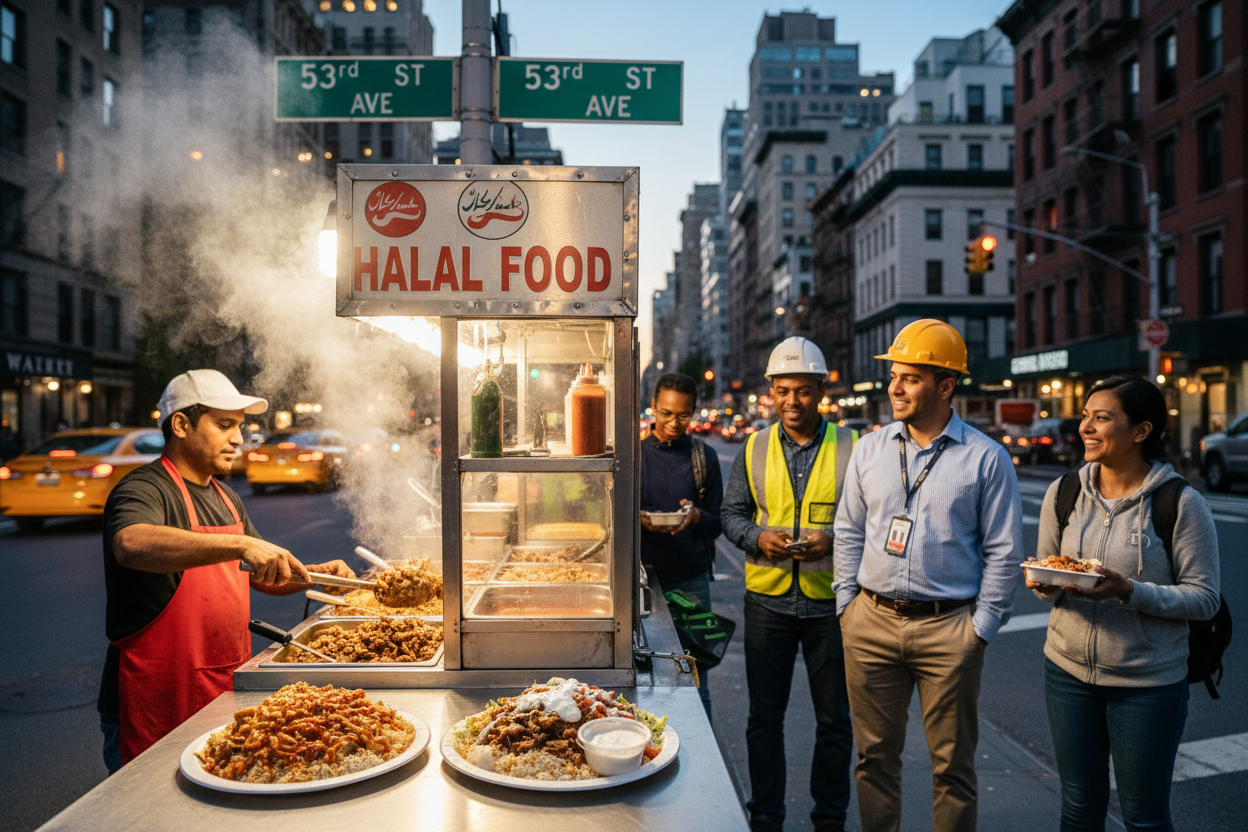
Food trucks aren’t just for tourists – locals have their favorites. The halal cart at 53rd and 6th serves portions twice the size of nearby restaurants for $8. But the real secret is asking for “white sauce on the side” – you’ll get more control over your meal and avoid the soggy bottom that ruins many street food experiences.
Free Entertainment and Activities Locals Love
Central Park gets all the attention, but locals prefer Prospect Park in Brooklyn for its authentic neighborhood feel and better picnic spots. The park hosts free concerts all summer, and the nearby Prospect Heights area offers better restaurant prices than Manhattan.
Museums offer incredible deals that tourists rarely discover. Many have “suggested admission” policies, meaning you can pay what you wish. The Metropolitan Museum of Art, while no longer free for all visitors, still offers pay-what-you-wish admission for New York residents – and they rarely check ID thoroughly.
Free outdoor movies happen all summer across the city’s parks, but locals know to arrive early with blankets and snacks from nearby bodegas. Bryant Park’s movie nights are popular, but locals prefer the more intimate screenings at Brooklyn Bridge Park with stunning skyline views.
The High Line attracts massive crowds, but walking it early morning or late evening provides a completely different experience. Locals also know about the lesser-known elevated parks like the Queensboro Bridge walkway, which offers equally stunning views without the tourist masses.
Shopping Like a Local: Where Real New Yorkers Buy
Forget Fifth Avenue’s flagship stores with tourist prices. Locals shop at Century 21 near the World Trade Center for designer clothes at 60% off retail prices. The selection changes daily, and finding a $300 designer shirt for $89 feels like winning the lottery.
Sample sales happen year-round in NYC, but locals know to follow brands on social media for exclusive invitations. These warehouse sales offer designer goods at wholesale prices, sometimes 80% off retail. The Garment District hosts pop-up sales weekly, advertised only through insider mailing lists.
Thrift shopping in NYC requires knowing the right neighborhoods. The Upper East Side’s consignment shops receive donations from wealthy residents, offering barely-worn designer pieces for fraction of retail costs. Meanwhile, Brooklyn’s vintage shops in Williamsburg provide unique finds without Manhattan markup.
Electronics and gadgets cost significantly less in the Financial District’s smaller shops compared to big-box stores in tourist areas. B&H Photo, while not exactly secret, offers better prices and service than most electronics retailers, plus they close for Jewish holidays – something tourists often discover the hard way.
Neighborhood Secrets for Authentic NYC Experiences
Each NYC neighborhood has its own personality, but tourists rarely venture beyond Manhattan’s obvious attractions. Locals treasure neighborhoods like Red Hook in Brooklyn, accessible by ferry with incredible views and authentic Italian-American culture at places like Steve’s Key Lime Pie.
The Cloisters in Fort Tryon Park offers medieval art and architecture that rivals European museums, but most tourists never make the trip uptown. The journey itself, via the A train to 190th Street, showcases NYC’s diversity as you travel through different neighborhoods.
Roosevelt Island provides stunning Manhattan views via an aerial tramway that costs the same as a subway ride. Locals use this as a cheap sightseeing tour, especially beautiful at sunset. The island itself offers peaceful walks and picnic spots away from city chaos.
Chinatown extends far beyond the tourist-heavy streets near City Hall. Venture deeper into neighborhoods where English signs disappear, and you’ll find authentic restaurants, traditional medicine shops, and cultural experiences that feel worlds away from typical NYC tourism.
Timing Your Visit: When Locals Avoid the Crowds
New Yorkers have mastered the art of timing to avoid tourist crowds. Museums are least crowded on weekday mornings, especially Tuesday through Thursday. Locals visit popular attractions like the 9/11 Memorial early morning or late afternoon when tour groups aren’t scheduled.
Restaurant reservations become available throughout the day as people cancel. Locals call their favorite spots around 3 PM for same-day availability at places that seemed completely booked online. Many high-end restaurants also reserve bar seating for walk-ins, offering the same menu without reservations.
Shopping timing matters enormously in NYC. Sample sales and clearance events typically happen Tuesday through Thursday when foot traffic is lowest. Locals also know that many stores receive new inventory on specific days – Zara gets shipments on Tuesdays and Fridays.
Weather plays a huge role in crowd management. Rainy days clear out outdoor attractions and make indoor activities more enjoyable. Locals embrace these days for museum visits, shopping, and exploring covered markets like Chelsea Market without the usual crowds.
Money-Saving Secrets Locals Use Daily
Banking in NYC can be expensive for visitors, but locals know that many credit unions offer free ATM access citywide. Additionally, many bodegas offer cash back with small purchases, avoiding ATM fees entirely.
Parking in Manhattan costs a fortune, but locals know about municipal lots that charge significantly less than private garages. The key is looking for “NYC Parks” signs – these lots often cost $15-20 for all-day parking compared to $40+ at private facilities.
Happy hour extends beyond bars – many coffee shops offer afternoon discounts on pastries and sandwiches. Locals also know that buying coffee with cash often results in lower prices, as some shops offer cash discounts to avoid credit card fees.
Tipping culture in NYC has specific unwritten rules. While tourists often over-tip from uncertainty, locals know the standard rates: 18-20% at restaurants, $1-2 per drink at bars, and $5-10 for taxi rides depending on distance and service quality.
Conclusion: Experiencing NYC Like a True Local
These insider secrets represent years of local knowledge that transforms NYC from an expensive tourist destination into an accessible, authentic experience. The real magic of New York isn’t found in guidebooks or tour packages – it’s discovered through the daily rhythms and hidden corners that locals have claimed as their own.
Remember that being a respectful visitor means understanding that these neighborhoods and businesses serve local communities first. Embrace the pace, respect the culture, and don’t be afraid to ask locals for directions or recommendations. Most New Yorkers are surprisingly helpful when approached with genuine curiosity rather than tourist demands.
Your NYC adventure doesn’t have to break the bank or follow the same tired tourist trail. Armed with these local secrets, you’ll experience the city’s authentic character while saving money and avoiding crowds. The best part? You’ll return home with stories and experiences that no guidebook could have provided – the kind of authentic New York memories that last a lifetime.