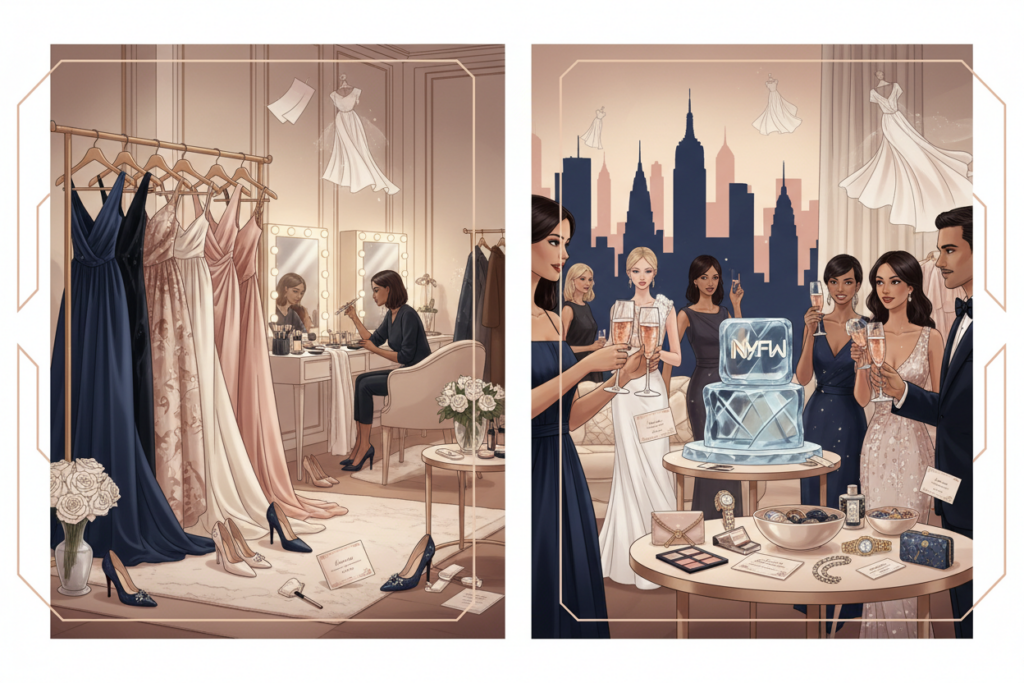
When most people think of New York Fashion Week, images of models strutting down pristine runways in avant-garde designs immediately come to mind. But here’s what industry insiders know that the general public doesn’t: the real magic happens off the runway. As someone who’s navigated the chaotic beauty of Fashion Week for over a decade, I can tell you that the most memorable experiences, valuable connections, and authentic fashion discoveries occur in the spaces between the scheduled shows.
While securing tickets to major runway presentations requires connections, luck, or a hefty budget, the fashion week ecosystem offers countless opportunities for fashion enthusiasts, emerging designers, and industry professionals to immerse themselves in this biannual celebration of creativity. Let me take you behind the velvet ropes and share the insider secrets that transform Fashion Week from a spectator sport into a participatory experience.
The Hidden World of Fashion Week Pop-Ups and Installations
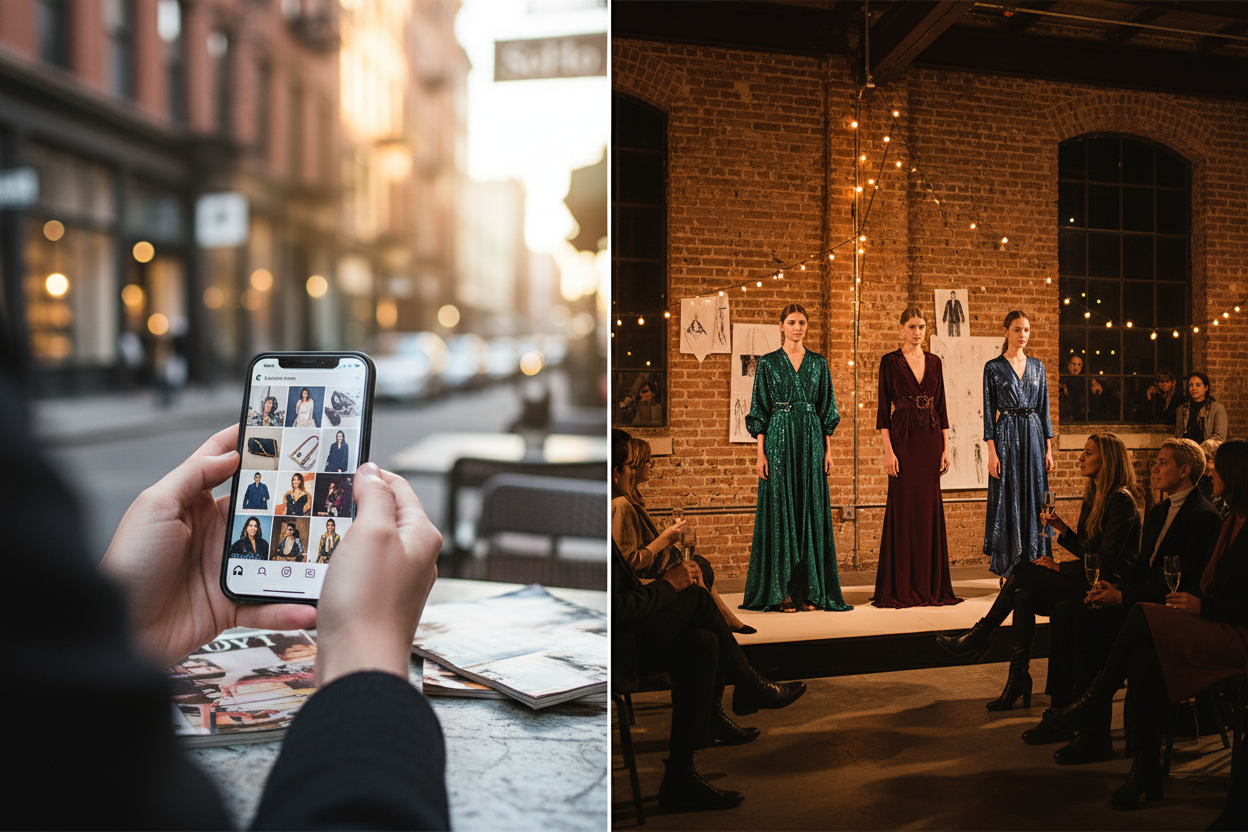
Fashion Week isn’t just about clothes walking down a catwalk – it’s about creating immersive brand experiences that tell stories. Throughout Manhattan, brands transform empty storefronts, galleries, and unconventional spaces into temporary retail experiences that often prove more engaging than traditional runway shows.
These pop-up installations serve multiple purposes. They allow emerging designers to showcase their work without the astronomical costs of a runway show, give established brands opportunities to experiment with new concepts, and provide fashion week attendees with interactive experiences they can actually participate in rather than simply observe.
The key to discovering these hidden gems lies in following fashion publications’ social media accounts, checking neighborhood guides in SoHo, Chelsea, and the Lower East Side, and simply wandering with curious eyes. Some of my most treasured Fashion Week memories come from stumbling into a converted warehouse where a young designer was hosting intimate presentations, complete with champagne, live music, and the opportunity to actually touch and try on the garments.
Networking Events That Actually Matter
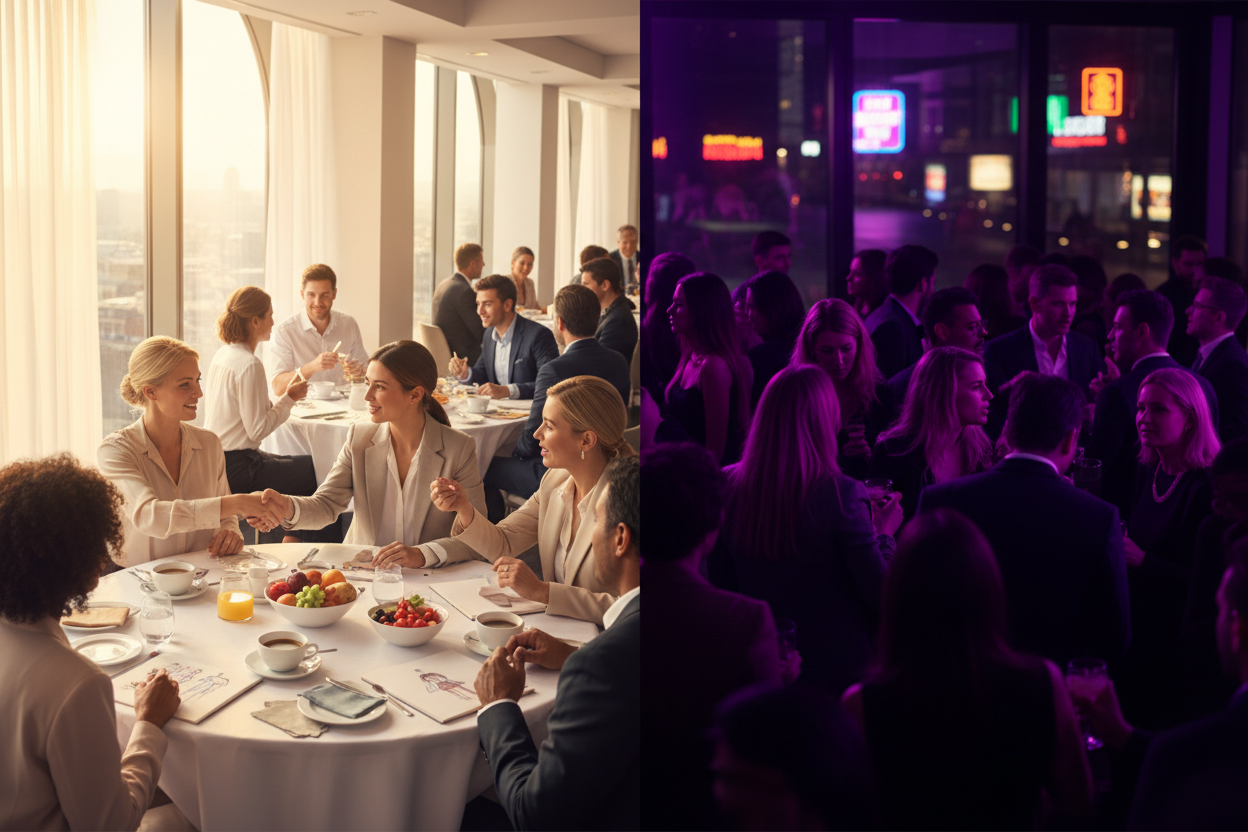
Fashion Week networking events range from stuffy industry mixers that feel like corporate conferences to intimate gatherings that spark genuine creative collaborations. The trick is knowing which ones to prioritize and how to make meaningful connections rather than simply collecting business cards.
Industry breakfast events often provide the most valuable networking opportunities. While evening parties can be crowded and superficial, morning gatherings attract serious professionals who are genuinely interested in discussing business, sharing insights, and forming partnerships. Organizations like the Council of Fashion Designers of America (CFDA) and Fashion Group International regularly host breakfast panels featuring industry leaders discussing everything from sustainable fashion practices to the future of retail.
Gallery openings and art exhibitions during Fashion Week also create unique networking environments. Fashion and art have always been intertwined, and these events attract a diverse crowd of creatives, collectors, and industry professionals in a more relaxed setting than traditional fashion events. The conversation flows more naturally when you’re both admiring a thought-provoking installation.
Sample Sales and Shopping Experiences
Fashion Week coincides with some of the year’s most exclusive sample sales, where designers clear out runway samples, showroom pieces, and previous season inventory at significantly reduced prices. These sales offer fashion enthusiasts the opportunity to own pieces that walked actual runways, often at a fraction of their retail price.
The most coveted sample sales require insider knowledge to access. Many are invitation-only or announced through industry newsletters with limited circulation. Building relationships with public relations professionals, showroom staff, and fashion journalists can provide access to these exclusive shopping opportunities.
Beyond traditional sample sales, Fashion Week features unique retail experiences like trunk shows, where designers personally present their collections to small groups of potential customers. These intimate settings allow for direct interaction with the creative minds behind the clothes, providing insights into design processes, inspiration sources, and the stories behind specific pieces.
Street Style Photography and Fashion Week Culture
The phenomenon of street style photography has transformed Fashion Week from an industry-only event into a public performance. The streets surrounding major venues become outdoor runways where fashion enthusiasts, influencers, and industry professionals showcase their personal style for photographers from major publications and blogs.
Participating in street style culture requires understanding both the unwritten rules and the best locations. Lincoln Center, the Standard Hotel, and the areas around major show venues become prime photography locations. However, the key to great street style lies not in wearing the most expensive outfit, but in demonstrating genuine personal style and confidence.
Many of the most photographed street style stars aren’t celebrities or industry insiders – they’re fashion enthusiasts who understand how to put together compelling looks that photograph well and express their individual aesthetic. The democratic nature of street style photography means that anyone with a strong sense of style and the confidence to express it can become part of Fashion Week’s visual narrative.
Emerging Designer Showcases and Independent Events
While major fashion houses dominate the official Fashion Week schedule, some of the most innovative and exciting fashion happens in independent showcases organized by emerging designers, fashion schools, and alternative fashion organizations. These events often provide more intimate, accessible experiences than major runway shows.
Fashion schools like Parsons School of Design and Fashion Institute of Technology host student showcases that offer glimpses into fashion’s future. Young designers often push creative boundaries more boldly than established brands, resulting in presentations that feel fresh and experimental.
Independent fashion weeks and alternative events provide platforms for designers who don’t fit into the traditional fashion week model. These might include sustainable fashion showcases, size-inclusive presentations, or events focused on specific cultural communities or design philosophies.
Behind-the-Scenes Access and Industry Tours
Fashion Week offers unique opportunities to peek behind the curtain of the fashion industry through organized tours, open studio events, and behind-the-scenes experiences. These might include visits to textile studios, pattern-making workshops, or meetings with fashion photographers and stylists.
Many fashion organizations and educational institutions organize special Fashion Week programming that provides access to industry professionals and creative processes typically hidden from public view. These experiences offer valuable insights for anyone interested in fashion careers or simply curious about how the industry operates.
The New York Fashion Week official app and website often list special events, tours, and educational programming that complement the main runway schedule. Additionally, fashion museums and cultural institutions frequently organize special exhibitions and programming timed to coincide with Fashion Week.
Making the Most of Your Fashion Week Experience
Successfully navigating Fashion Week’s off-runway offerings requires preparation, flexibility, and genuine curiosity. Start by researching events and experiences that align with your interests and goals. Are you hoping to discover emerging designers? Focus on independent showcases and pop-up installations. Interested in fashion business and industry insights? Prioritize networking events and panel discussions.
Comfort is crucial for Fashion Week survival. You’ll likely spend hours walking between venues, standing at events, and navigating crowded spaces. Invest in comfortable shoes that still look stylish, and dress in layers to accommodate varying venue temperatures and weather conditions.
Most importantly, approach Fashion Week with an open mind and genuine enthusiasm for fashion and creativity. The most meaningful experiences often happen unexpectedly – in conversations with fellow fashion enthusiasts, discoveries of new designers, or moments of inspiration sparked by innovative presentations.
Conclusion
New York Fashion Week extends far beyond the carefully choreographed runway presentations that dominate media coverage. The real soul of Fashion Week lives in the pop-up installations, networking events, sample sales, street style culture, and emerging designer showcases that create a rich ecosystem of fashion experiences accessible to anyone with curiosity and enthusiasm.
Whether you’re an industry professional, aspiring fashion creative, or simply someone who loves fashion, these off-runway experiences offer opportunities to engage with fashion culture in meaningful, participatory ways. The connections you make, the designers you discover, and the experiences you have in these alternative Fashion Week spaces often prove more valuable and memorable than any runway show.
Fashion Week is ultimately about celebrating creativity, innovation, and the power of personal expression through clothing. While the runway shows capture headlines, the events beyond the runway capture hearts, minds, and imaginations. They remind us that fashion is not just about what we wear, but about the communities we build, the stories we tell, and the dreams we dare to pursue.