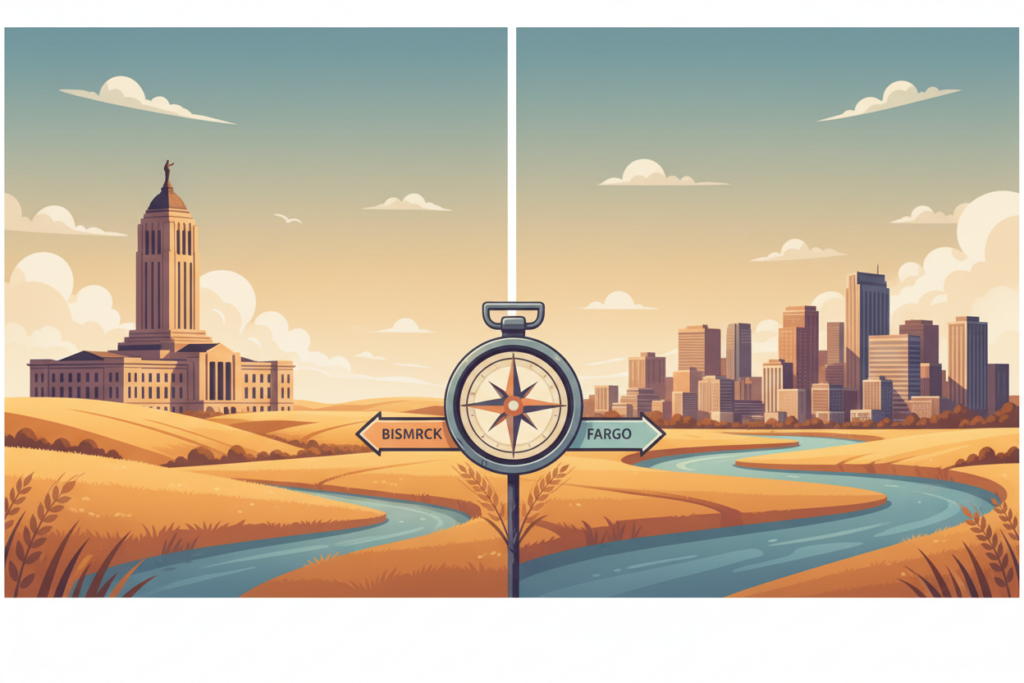
Planning a trip to North Dakota and can’t decide between Bismarck and Fargo? You’re not alone in this delightful dilemma. These two vibrant cities represent the best of what the Peace Garden State has to offer, each with its own distinct personality and attractions. While Bismarck serves as the state capital with rich historical significance, Fargo brings youthful energy and cultural diversity to the table. Let me help you navigate this decision by breaking down what makes each city special and which might be the perfect first stop for your North Dakota adventure.
Understanding North Dakota’s Two Largest Cities
Before diving into the comparison, it’s worth understanding what you’re choosing between. Fargo, with approximately 125,000 residents, claims the title of North Dakota’s largest city and sits proudly along the Red River on the Minnesota border. Meanwhile, Bismarck, home to about 75,000 people, holds the distinction of being the state capital and rests along the mighty Missouri River in the south-central part of the state.
Both cities have experienced significant growth in recent years, thanks in part to North Dakota’s oil boom and agricultural prosperity. However, they’ve maintained their Midwestern charm while embracing modern amenities and attractions that appeal to visitors from across the country.
Bismarck: Capital City Charm and Historical Significance
As North Dakota’s capital, Bismarck naturally draws visitors interested in government, history, and prairie landscapes. The city’s downtown area has undergone remarkable revitalization in recent years, creating an appealing blend of historical preservation and modern development.
The North Dakota Heritage Center and State Museum serves as the crown jewel of Bismarck’s cultural attractions. This world-class facility tells the complete story of North Dakota from prehistoric times to the present day. The museum’s exhibits on Native American culture, pioneer life, and the state’s geological history provide visitors with comprehensive insight into what makes North Dakota unique.
Fort Abraham Lincoln State Park, located just south of Bismarck, offers a fascinating glimpse into frontier military life. This is where General George Custer was stationed before his fateful journey to Little Bighorn. The reconstructed fort buildings and interpretive programs bring this pivotal period in American history to life.
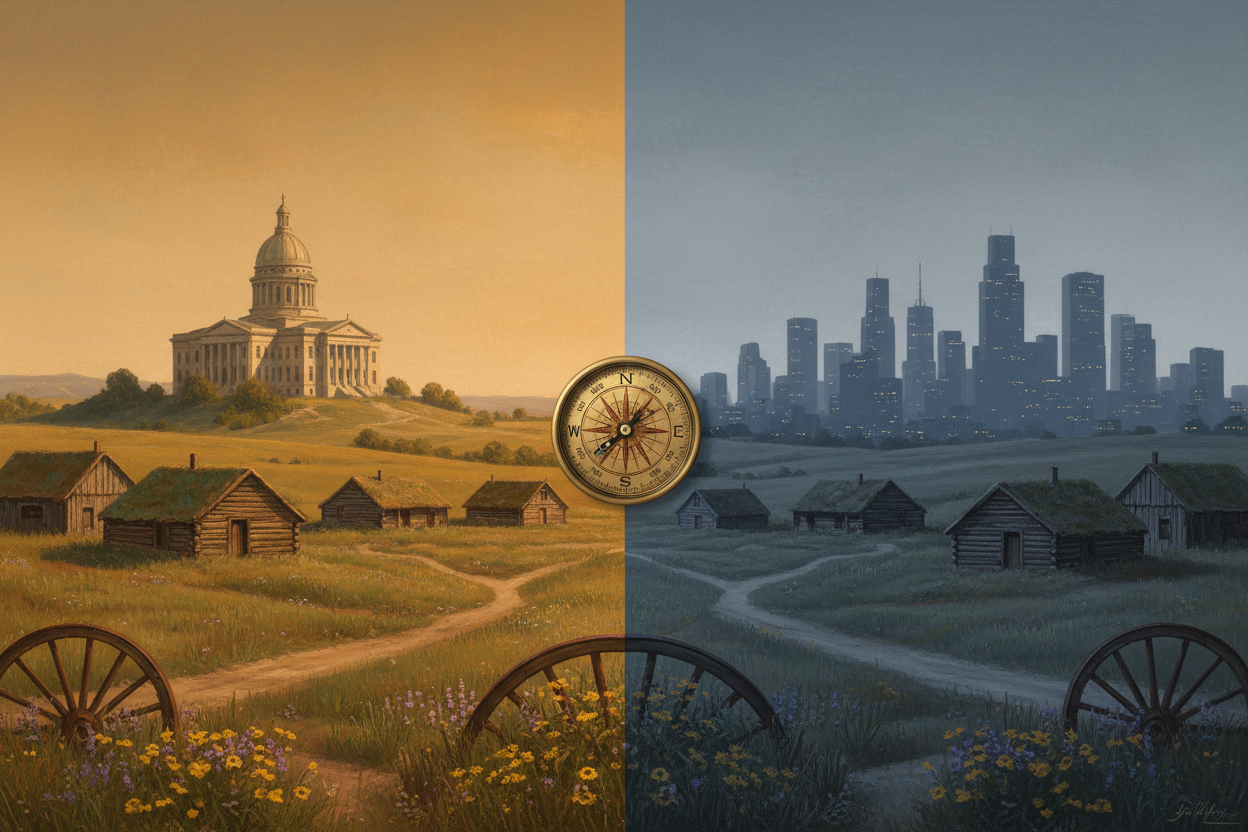
For outdoor enthusiasts, Bismarck provides excellent access to the Missouri River and its recreational opportunities. The city’s extensive trail system connects parks, natural areas, and the downtown district, making it incredibly walkable and bike-friendly. The Missouri River offers excellent fishing, boating, and scenic views that showcase North Dakota’s natural beauty.
Fargo: Cultural Hub and College Town Energy
Fargo brings a different energy entirely, largely influenced by North Dakota State University’s presence. This college town atmosphere infuses the city with youthful vibrancy, innovative dining scenes, and a thriving arts community that might surprise first-time visitors.
The downtown Fargo area has become a destination in its own right, featuring locally-owned restaurants, craft breweries, and unique shopping opportunities. The Fargo Theatre, a beautifully restored 1926 movie palace, serves as both a functioning cinema and cultural landmark that hosts live performances and special events.
Plains Art Museum stands out as the largest art museum in the Dakotas, featuring rotating exhibitions and a permanent collection that celebrates regional and national artists. The museum’s commitment to contemporary art and community engagement makes it a cultural anchor for the entire Red River Valley region.
Fargo’s proximity to Minnesota creates interesting cross-border opportunities. The sister city of Moorhead, Minnesota, sits just across the Red River, effectively doubling your exploration options. This metropolitan area offers more diverse dining, shopping, and entertainment options than you might expect from a Great Plains city.
Comparing Dining and Nightlife Scenes
When it comes to culinary experiences, both cities have evolved far beyond the stereotype of bland Midwestern fare. However, they offer distinctly different dining personalities.
Fargo’s restaurant scene benefits from its college population and proximity to Minneapolis-St. Paul, resulting in more diverse international cuisine options and trendy establishments. You’ll find everything from authentic Vietnamese pho to innovative farm-to-table restaurants that showcase North Dakota’s agricultural bounty. The craft beer scene particularly shines in Fargo, with several local breweries creating unique beers that reflect regional ingredients and tastes.
Bismarck’s dining scene, while smaller, focuses on quality over quantity. The city excels in steakhouses and restaurants that celebrate Great Plains cuisine. Local favorites often feature buffalo, locally-raised beef, and regional specialties that you won’t find elsewhere. The capital city’s restaurants tend to cater to business travelers and government officials, resulting in consistently high-quality establishments with more traditional atmospheres.
Outdoor Recreation and Natural Attractions
Both cities serve as gateways to North Dakota’s outdoor recreation opportunities, but they offer access to different types of landscapes and activities.
Bismarck’s location along the Missouri River provides excellent water-based recreation opportunities. The river’s slower-moving waters are perfect for kayaking, canoeing, and fishing. The surrounding prairie landscape offers unique hiking and wildlife viewing opportunities, particularly during spring and fall migrations when the area becomes a temporary home to numerous bird species.
Fargo’s flat terrain and extensive trail system make it exceptionally bike-friendly. The city has invested heavily in recreational infrastructure, creating connected greenways that allow visitors to explore both urban and natural areas on foot or bicycle. The Red River, while smaller than the Missouri, offers its own recreational opportunities and scenic beauty.
Winter activities differ between the cities as well. Fargo’s snow typically provides better conditions for cross-country skiing and winter sports, while Bismarck’s slightly milder winter climate might be more appealing to visitors unaccustomed to harsh Great Plains winters.
Shopping and Entertainment Options
Your shopping and entertainment preferences might significantly influence your city choice. Fargo clearly wins in terms of variety and options, thanks to its larger population and regional shopping hub status.
West Acres Shopping Center in Fargo ranks among the largest malls in North Dakota, featuring national retailers alongside local boutiques. The downtown area also offers unique shopping experiences in locally-owned stores that you won’t find in typical mall settings.
Bismarck’s shopping scene is more modest but focuses on local and regional businesses. The Kirkwood Mall serves the basic retail needs, while downtown Bismarck features several unique shops and galleries that showcase local artisans and craftspeople.
Entertainment options follow similar patterns. Fargo benefits from university-sponsored events, larger concert venues, and a more active nightlife scene. Bismarck offers more intimate entertainment experiences, often centered around community events and seasonal festivals.
Accessibility and Transportation Considerations
Practical considerations like transportation access might influence your decision, especially if you’re flying into North Dakota or have limited time for your visit.
Hector International Airport in Fargo offers more flight options and connections than Bismarck Municipal Airport, making it potentially easier to reach from major cities. Fargo also sits along major interstate highways, providing convenient access for road trip travelers.
Bismarck’s central location makes it an excellent base for exploring other North Dakota attractions, including Theodore Roosevelt National Park in the western part of the state. If your North Dakota visit includes multiple destinations, Bismarck might serve as a more strategic starting point.
Making Your Decision: Which City Fits Your Travel Style?
The choice between Bismarck and Fargo ultimately depends on what type of travel experience you’re seeking. If you’re drawn to historical significance, government buildings, and a more relaxed pace with easy access to outdoor recreation, Bismarck should be your first stop. The capital city offers a quintessentially North Dakota experience with its prairie setting and rich frontier history.
Choose Fargo if you prefer more urban amenities, diverse dining options, and cultural attractions. The college town atmosphere brings energy and innovation that creates a more cosmopolitan feel while still maintaining Midwestern friendliness.
Consider your travel timeline as well. If you only have time for one city, Fargo offers more concentrated attractions and activities. If you’re planning an extended North Dakota exploration, starting in Bismarck provides better access to the state’s western attractions and natural wonders.
Seasonal Considerations for Your Visit
The timing of your visit might also influence your city choice. Summer months showcase both cities at their best, with numerous festivals, outdoor activities, and pleasant weather for exploration.
Fargo tends to have slightly more winter activities and indoor attractions, making it potentially more appealing during colder months. The university calendar also affects the city’s energy level, with more vibrant atmospheres during the academic year.
Bismarck’s government calendar creates different seasonal rhythms, with increased activity during legislative sessions and quieter periods during summer months when many government functions slow down.
Conclusion
Both Bismarck and Fargo offer compelling reasons to visit, and honestly, you can’t go wrong with either choice. Fargo appeals to travelers seeking urban amenities, cultural diversity, and college town energy, while Bismarck attracts those interested in history, government, and authentic Great Plains experiences.
If I had to make a recommendation for first-time North Dakota visitors, I’d lean slightly toward Fargo for its concentration of attractions and amenities. However, don’t let that stop you from exploring both cities if time allows. Each offers unique insights into North Dakota’s character and charm.
The real winner in this comparison is North Dakota itself. Both cities demonstrate that the Great Plains states offer far more than many travelers expect, with welcoming communities, surprising cultural attractions, and natural beauty that rewards those willing to venture off the beaten path.
Frequently Asked Questions
How far apart are Bismarck and Fargo?
Bismarck and Fargo are approximately 200 miles apart, connected by Interstate 94. The drive takes about 3 hours under normal conditions, making it feasible to visit both cities during a longer North Dakota trip.
Which city has better hotels and accommodations?
Both cities offer adequate hotel options, but Fargo has more variety due to its larger size and business travel market. Fargo features more boutique hotels and extended-stay options, while Bismarck focuses primarily on business-class chain hotels.
Is it worth visiting both cities during one trip?
Absolutely! If you have 4-5 days in North Dakota, visiting both cities provides a comprehensive view of the state’s urban offerings. Many travelers use this approach to experience both the capital city atmosphere and college town energy.
Which city is more family-friendly?
Both cities are very family-friendly, but they cater to different interests. Bismarck offers more historical and outdoor activities that appeal to families interested in learning and nature. Fargo provides more entertainment options and attractions that might appeal to teenagers and young adults.
What’s the best time of year to visit either city?
Late spring through early fall (May through September) offers the most pleasant weather and outdoor activity options in both cities. Summer months feature numerous festivals and events, while fall provides beautiful prairie landscapes and comfortable temperatures.