
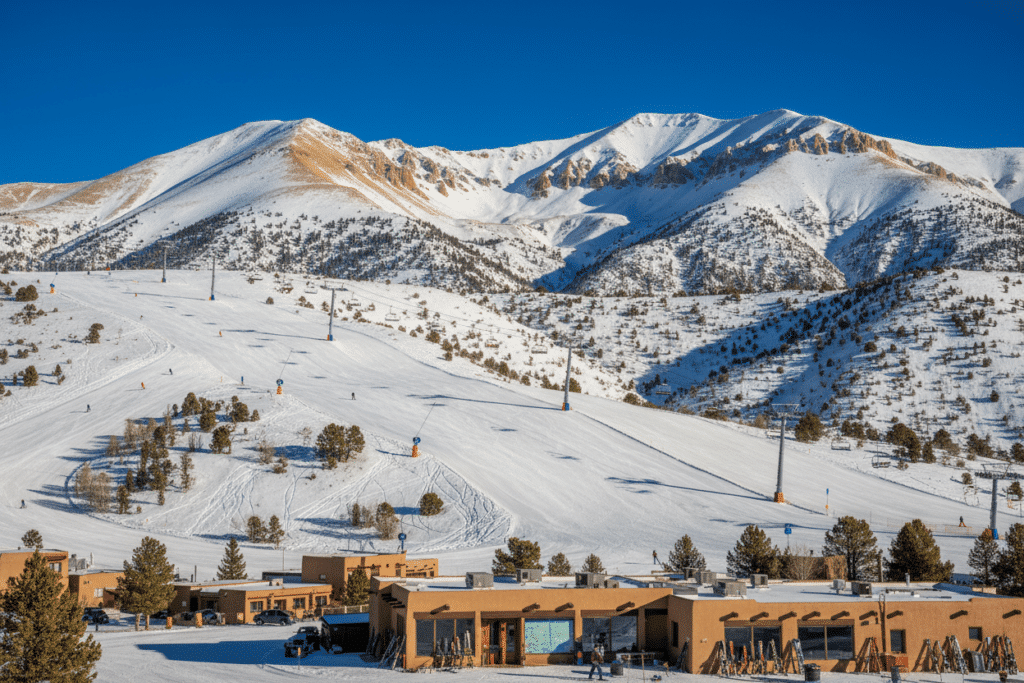
Nestled in the Sangre de Cristo Mountains of northern New Mexico, Taos Ski Valley stands as one of North America’s most distinctive ski destinations. This high desert gem offers an experience unlike any other, where powder-filled runs meet ancient Native American culture, and challenging terrain combines with breathtaking southwestern vistas. Whether you’re a seasoned skier seeking legendary steeps or a family looking for a unique mountain adventure, Taos delivers an unforgettable experience that will keep you coming back year after year.
What sets Taos apart isn’t just its impressive 1,294 skiable acres or its reputation for expert terrain – it’s the magical blend of high-altitude skiing and rich cultural heritage that creates something truly special. From the moment you arrive in this enchanting valley, you’ll understand why locals call it “the soul of skiing.”
Understanding Taos Ski Valley’s Unique High Desert Environment
Skiing in the high desert presents a completely different experience from your typical mountain resort. At Taos, the base elevation sits at 9,207 feet, with the summit reaching 12,481 feet – altitudes that create both opportunities and challenges for visitors.
The high desert climate means you’ll encounter intense UV rays, dramatic temperature swings, and surprisingly dry air. During the day, temperatures can feel quite warm in the bright mountain sun, even when it’s freezing. However, once the sun dips behind the peaks, temperatures plummet rapidly. This unique environment requires specific preparation and gear considerations that differ from skiing at lower elevations or in more humid climates.
The thin air at altitude also affects your body differently. You might find yourself getting winded more quickly during your first few days, and dehydration happens faster than you’d expect. Understanding these environmental factors is crucial for maximizing your enjoyment and safety on the mountain.
Best Times to Visit for Optimal Snow Conditions
Timing your Taos adventure correctly can make the difference between good skiing and absolutely epic conditions. The resort typically opens in late November or early December, depending on snowfall, and runs through early April.
January through March represents the sweet spot for most visitors. During these months, you’ll find the most consistent snow coverage, cooler temperatures that preserve powder longer, and the full mountain typically open. January often delivers the deepest base, while February and March offer the perfect balance of snow quality and longer daylight hours.
For powder hounds, pay attention to the storm cycles that typically roll through every 7-10 days during peak season. These Pacific storms, combined with occasional moisture from the Gulf of Mexico, create Taos’s famous champagne powder. The high desert’s low humidity and cold temperatures help preserve this light, fluffy snow longer than you’d find at many other resorts.
Spring skiing at Taos, particularly in March and April, offers its own rewards. You’ll enjoy warmer temperatures, brilliant sunshine, and corn snow conditions that are perfect for intermediate skiers looking to push their limits on steeper terrain.
Navigating Taos’s Legendary Expert Terrain
Taos built its reputation on challenging terrain, and for good reason – approximately 51% of the mountain is rated expert or advanced. The resort’s signature runs like Kachina Peak, West Basin, and the infamous Corbet’s Couloir-style chutes have tested the skills of Olympic athletes and weekend warriors alike.
If you’re new to Taos’s expert terrain, start with runs like Lorelei or Longhorn before progressing to the truly steep stuff. These trails offer a taste of Taos’s character without the full commitment required for the double-black diamonds. The key is building your confidence gradually while adjusting to the altitude and unique snow conditions.
For experienced skiers ready to tackle the legendary terrain, Kachina Peak should be your ultimate goal. Accessible via the Kachina Peak Lift, this area offers some of the most challenging inbounds skiing in North America. The West Basin provides multiple route options, from the relatively tame West Basin Ridge to the heart-pounding steeps of West Basin Bowl.
Always ski with a partner when tackling expert terrain, and consider hiring a local guide for your first few runs on the most challenging slopes. These guides know the mountain intimately and can help you navigate safely while finding the best snow conditions.
Family-Friendly Activities and Beginner Areas
While Taos is famous for its expert terrain, families and beginners will find plenty to love. The resort has invested heavily in beginner and intermediate terrain, with 25% of the mountain dedicated to beginner runs and 24% to intermediate trails.
The Strawberry Hill area serves as the perfect learning zone, featuring gentle slopes and a dedicated learning lift. The Ernie Blake Snowsports School offers excellent instruction for all ages and abilities, with specialized programs for children that make learning fun and engaging.
Families should also explore the Taos Ski Valley Village, where you’ll find ice skating, snowshoeing trails, and cozy spots to warm up with hot chocolate. The village maintains a distinctly European alpine feel, with pedestrian-friendly walkways and charming shops that kids will love exploring.
For non-skiing family members, the area offers numerous winter activities including guided snowshoe tours, cross-country skiing, and cultural experiences in nearby Taos Pueblo, one of the oldest continuously inhabited communities in North America.
Essential Gear and Preparation for High Altitude Skiing
Skiing at high altitude in the desert requires specific gear considerations that many visitors overlook. Sun protection becomes absolutely critical – the combination of high altitude, snow reflection, and intense UV rays can cause severe sunburn in minutes.
Invest in high-SPF sunscreen (minimum SPF 30, preferably 50+) and apply it liberally and frequently. Glacier glasses or goggles with 100% UV protection are non-negotiable, and lip balm with SPF will prevent painful chapping in the dry air.
Layering becomes an art form at Taos. Start with moisture-wicking base layers, add insulating mid-layers, and top with a breathable shell. You’ll likely shed and add layers multiple times throughout the day as conditions change from shaded, cold runs to sunny, warm slopes.
Don’t forget about hydration – carry more water than you think you need, and consider electrolyte supplements to combat the dehydrating effects of altitude and dry air. Many visitors underestimate how quickly dehydration can impact their skiing performance and enjoyment.
Where to Stay: On-Mountain vs Valley Options
Your accommodation choice significantly impacts your Taos experience. Staying slopeside at Taos Ski Valley offers unbeatable convenience – you can literally ski from your door and enjoy easy access to restaurants and amenities. The Edelweiss Lodge & Spa and Hotel St. Bernard provide luxury options with ski-in, ski-out access, while condominiums offer more space for families and groups.
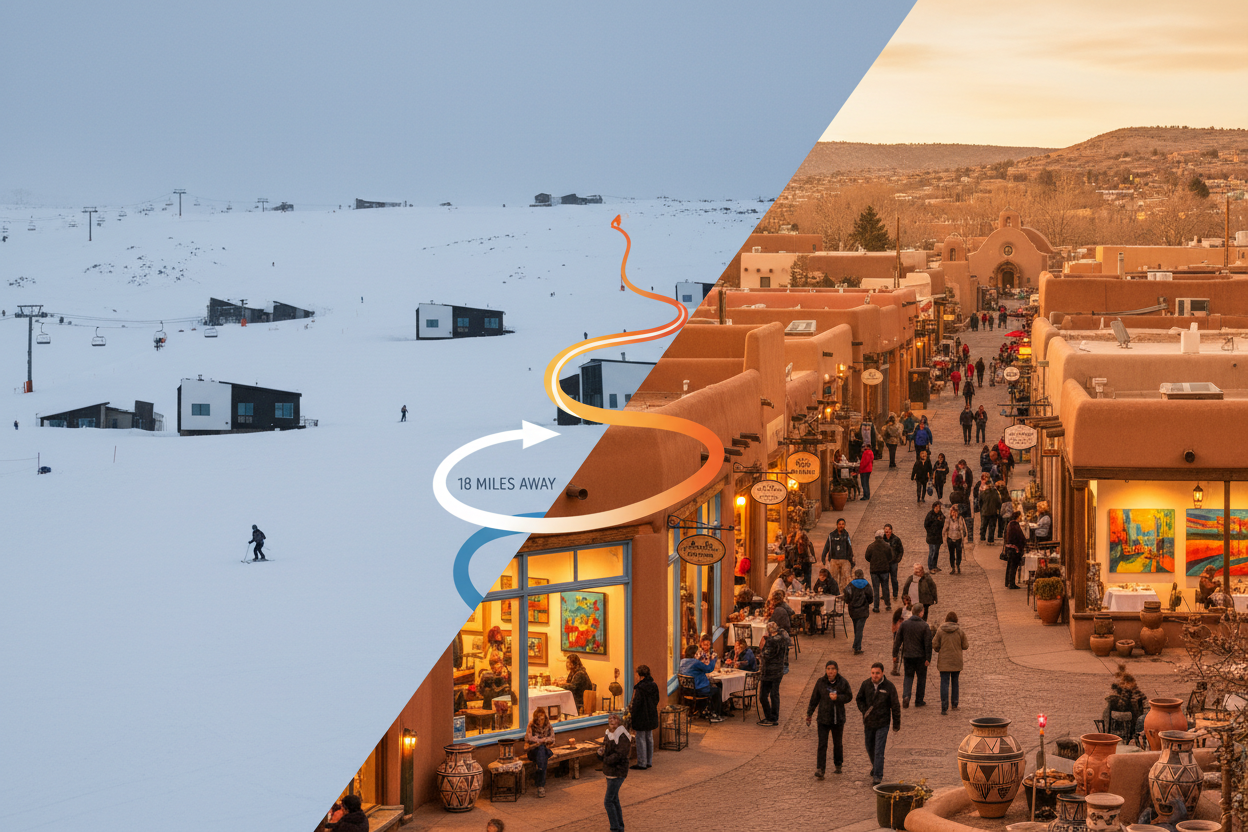
However, staying in the town of Taos, about 18 miles away, opens up a completely different dimension of your trip. Historic Taos offers incredible dining, art galleries, cultural sites, and a vibrant nightlife scene that the ski valley simply can’t match. Properties like El Monte Sagrado and La Fonda de Taos provide luxury with cultural immersion.
The drive between Taos and the ski valley is scenic but can be challenging in winter conditions. If you choose to stay in town, ensure your vehicle is equipped for mountain driving, or consider the shuttle services that run between the two areas.
For budget-conscious travelers, consider staying in nearby Angel Fire or Red River, both offering more affordable options while still providing reasonable access to Taos Ski Valley.
Local Dining and Cultural Experiences
The culinary scene around Taos reflects the area’s rich cultural heritage, blending Native American, Hispanic, and Anglo influences into something uniquely New Mexican. At the ski valley, The Bavarian Restaurant offers hearty European fare perfect for refueling between runs, while 192 at The Blake provides upscale dining with mountain views.
In Taos proper, don’t miss the chance to experience authentic New Mexican cuisine. Orlando’s serves some of the best green chile in the state, while The Love Apple offers farm-to-table dining in a converted chapel. For a truly local experience, visit Taos Pueblo and try traditional Native American fry bread and other indigenous foods.
The cultural experiences extend far beyond dining. Taos Pueblo, a UNESCO World Heritage Site, offers guided tours that provide insight into over 1,000 years of continuous habitation. The town’s art scene is legendary, with galleries featuring everything from traditional Native American pottery to contemporary southwestern art.
Consider timing your visit to coincide with local festivals or events. The Taos Winter Wine Festival in January combines world-class wines with mountain activities, while various cultural celebrations throughout the winter months offer authentic glimpses into local traditions.
Transportation and Getting Around
Getting to Taos requires some planning, as the nearest major airport is Albuquerque, about 135 miles south. The drive is scenic but can be challenging in winter weather, particularly the final stretch up to the ski valley. Many visitors fly into Denver and make the four-hour drive through spectacular high desert and mountain scenery.
If you’re flying, consider the small regional airport in Santa Fe, which is closer but offers limited flight options. Some visitors also use Colorado Springs or even Durango, Colorado, depending on flight availability and pricing.
Once you arrive, having a vehicle provides the most flexibility, especially if you plan to explore beyond the immediate ski area. However, the ski valley offers shuttle services, and many accommodations provide transportation to and from the slopes.
For those staying in Taos town, the Chile Line shuttle provides seasonal transportation to the ski valley, though schedules can be limited. Rental cars are readily available, but ensure you’re comfortable driving in mountain and potentially icy conditions.
Conclusion
Taos Ski Valley offers an unparalleled skiing experience that combines world-class terrain with rich cultural heritage and stunning high desert beauty. Success lies in understanding the unique environment, preparing properly for high-altitude conditions, and embracing both the mountain adventure and cultural richness of the area.
Whether you’re drawn by the legendary expert terrain, seeking a family-friendly mountain adventure, or simply want to experience something completely different from typical ski destinations, Taos delivers memories that last a lifetime. The key is planning ahead, respecting the mountain environment, and remaining open to the magic that makes this corner of New Mexico so special.
Remember that Taos isn’t just about the skiing – it’s about immersing yourself in a place where ancient cultures meet modern adventure sports, where high desert meets alpine environment, and where every turn reveals something new and unexpected. Plan your visit thoughtfully, prepare properly, and get ready for a ski adventure unlike any other.
Frequently Asked Questions
Q: What’s the best time of year to visit Taos Ski Valley for powder skiing?
A: January through March typically offers the best powder conditions, with February being particularly reliable for fresh snow and good coverage across the entire mountain.
Q: How challenging is Taos really for intermediate skiers?
A: While Taos is famous for expert terrain, 24% of the mountain caters to intermediate skiers. Runs like Honeysuckle and Maxie’s provide excellent intermediate skiing with beautiful views.
Q: Do I need a 4WD vehicle to reach Taos Ski Valley?
A: While not always required, 4WD or AWD with good tires is highly recommended, especially during winter storms. The final approach to the ski valley includes steep, winding mountain roads.
Q: How much should I budget for a week-long Taos ski trip?
A: Budget varies widely depending on accommodation and dining choices, but expect $200-400 per night for lodging, $100-150 per day for lift tickets, and $50-100 per person per day for meals.
Q: Is altitude sickness a real concern at Taos?
A: Yes, the high elevation (9,200+ feet at base) can affect some visitors. Arrive a day early to acclimate, stay hydrated, limit alcohol initially, and consider consulting your doctor if you have concerns.
Q: What cultural attractions should I visit beyond skiing?
A: Taos Pueblo is a must-see UNESCO World Heritage Site. Also explore the town’s art galleries, visit the Millicent Rogers Museum, and consider a day trip to nearby hot springs or Ghost Ranch.