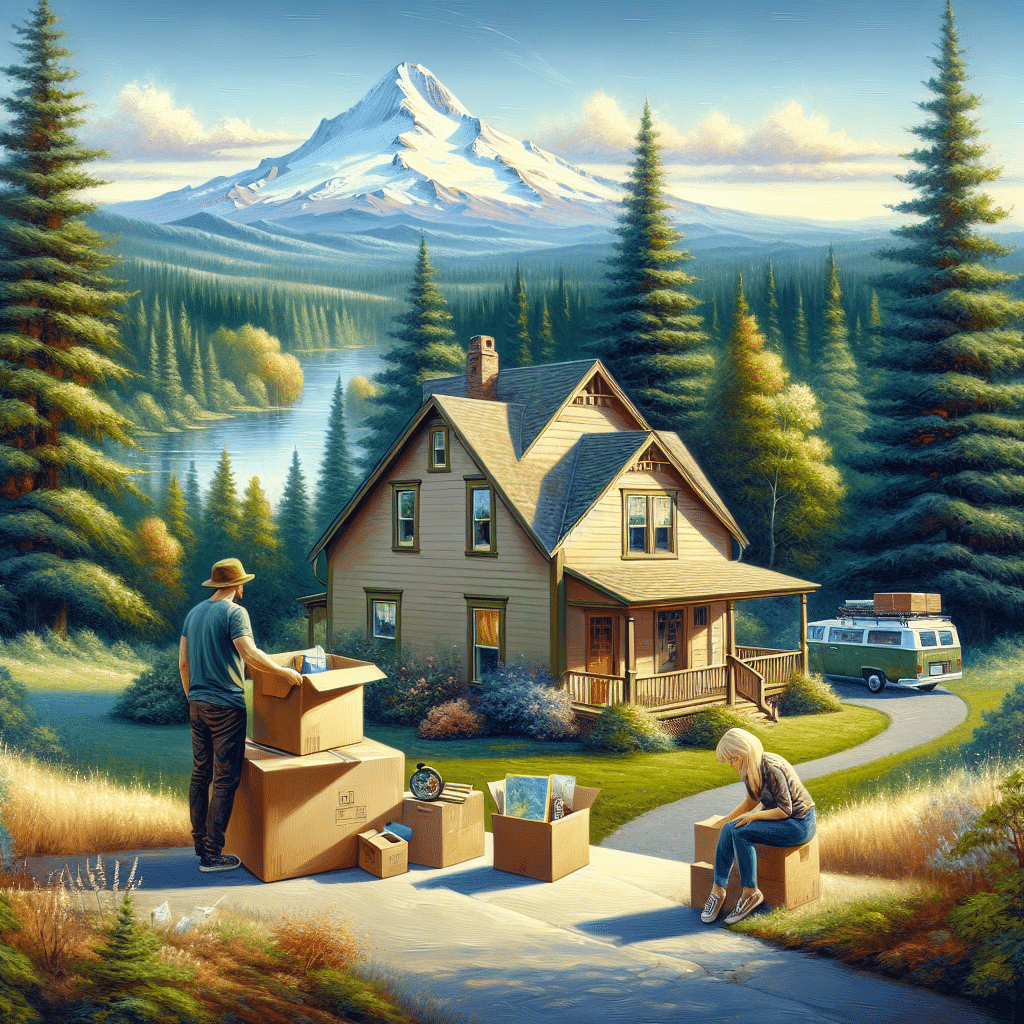
Moving to Oregon: Essential Tips for a Smooth Transition
Oregon is a state that promises lush landscapes, vibrant cities, and a unique blend of culture and nature. Whether you’re drawn by the stunning coastlines, the hip vibe of Portland, or the tranquility of its forests, moving to Oregon is an exciting adventure. However, like any move, it comes with its own set of challenges. In this guide, we’ll walk you through essential tips to ensure your transition to Oregon is as smooth as possible.
Understanding the Oregon Lifestyle
Before making any move, it’s crucial to understand the lifestyle and culture of your new home. Oregon is known for its laid-back, environmentally conscious lifestyle. Many residents are passionate about the outdoors, sustainability, and supporting local businesses. You’ll find that biking, hiking, and visiting farmer’s markets are part of the everyday routine. Embracing this lifestyle can help you integrate more smoothly into the community.
Choosing the Right City or Town
Oregon offers a variety of living environments, each with its own charm and appeal. Here’s a quick overview of some popular options:
Portland
Known for its quirky culture, food scene, and progressive values, Portland is a favorite for newcomers. It offers urban amenities with a strong community feel. However, be prepared for its infamous rainy weather and higher cost of living.

Eugene
Home to the University of Oregon, Eugene is vibrant and youthful. It’s smaller than Portland but still offers plenty of cultural activities, all with a backdrop of beautiful natural surroundings.
Bend
If you’re an outdoor enthusiast, Bend might be your ideal spot. Known for its breweries and access to outdoor activities like skiing and mountain biking, Bend offers a perfect mix of adventure and relaxation.
Salem
The capital city of Oregon, Salem provides a quieter, more suburban lifestyle. It’s an excellent choice for families looking for more space and a slower pace.
Preparing for the Weather
Oregon’s climate varies widely from the rainy, temperate western region to the drier, more arid eastern areas. If you’re moving to the western part of the state, invest in quality rain gear and embrace the drizzle. On the other hand, Eastern Oregon has distinct seasons, including hot summers and cold winters, so pack accordingly.
Finding Housing in Oregon
Finding the right home is a crucial step in your move. Here are some tips to help you navigate the housing market:
Research Neighborhoods: Spend time exploring different neighborhoods to find the one that suits your lifestyle. Whether you prefer the buzz of a city or the peace of a small town, Oregon has something for everyone.
Consider Renting First: If possible, rent a home before buying. This will give you a better feel for the area and help you decide if it’s the right fit long-term.
Work with a Local Realtor: A local realtor can provide valuable insights into the housing market and help you find hidden gems that might not be listed online.
Settling into Your New Community
Once you’ve moved, it’s time to make Oregon your home. Here are a few tips to help you settle in:
Join Local Groups: Oregon is full of clubs and groups focused on everything from hiking and cycling to book clubs and volunteering. Joining these can help you meet new people and feel more connected.
Explore the Outdoors: Take advantage of Oregon’s natural beauty by exploring its parks, trails, and scenic areas. This is not only great for your well-being but also a fantastic way to appreciate what the state offers.
Support Local Businesses: Supporting local shops, restaurants, and farmers markets can help you integrate into the community and enjoy the unique offerings of your new home.
FAQs About Moving to Oregon
What’s the cost of living like in Oregon?
The cost of living in Oregon varies by location. Portland and Bend tend to be more expensive, particularly in housing, while smaller towns and cities may offer more affordable options.
Is Oregon a good place for families?
Yes, Oregon is a great place for families, offering excellent schools, abundant outdoor activities, and safe communities. Cities like Salem and Eugene are particularly family-friendly.
Do I need a car in Oregon?
While public transportation is available in larger cities like Portland, having a car is beneficial, especially if you wish to explore the state’s natural attractions.
How’s the job market in Oregon?
Oregon’s job market is diverse, with opportunities in tech, healthcare, education, and more. Portland, in particular, is a hub for tech and creative industries.
Conclusion
Moving to Oregon is an exciting opportunity to embrace a new lifestyle filled with natural beauty and vibrant communities. By understanding the local culture, choosing the right location, and preparing for the climate, you can make your transition smoother and more enjoyable. Remember, the key to settling into any new place is to stay open-minded, explore, and engage with your new community. Welcome to Oregon!