Cumbres Toltec Railroad: Steam Train Journey Through High Desert Landscapes
There’s something magical about the rhythmic chug of a steam locomotive as it winds through untouched wilderness, carrying passengers back to a simpler time when train travel was the height of adventure. The Cumbres & Toltec Scenic Railroad offers exactly this kind of experience, taking travelers on an unforgettable journey through some of the most spectacular high desert landscapes in the American Southwest.
Stretching 64 miles between Antonito, Colorado, and Chama, New Mexico, this narrow-gauge railroad is more than just a tourist attraction – it’s a living piece of American history that continues to operate much as it did over a century ago. Whether you’re a railway enthusiast, nature lover, or simply someone seeking an escape from the modern world, this steam train adventure promises memories that will last a lifetime.
A Journey Through Time: The History of Cumbres & Toltec Railroad
The Cumbres & Toltec Scenic Railroad has its roots in the Denver & Rio Grande Railroad, originally constructed in the 1880s to serve the booming mining communities scattered throughout the Colorado and New Mexico territories. This narrow-gauge line was built to navigate the challenging mountain terrain that standard gauge railroads simply couldn’t handle.
What makes this railroad truly special is its authenticity. When the mining boom ended and many similar railways were abandoned or converted, the Cumbres & Toltec line was preserved through a joint effort between Colorado and New Mexico. Today, it operates as a National Historic Landmark, maintaining its original 3-foot narrow gauge and using restored steam locomotives from the early 1900s.
The dedication to historical accuracy extends beyond just the trains themselves. The stations, water towers, and even many of the railroad cars have been meticulously restored to their original condition, creating an immersive experience that truly transports passengers back to the golden age of railroading.
Spectacular High Desert Scenery Along the Route
The landscape along the Cumbres & Toltec route is nothing short of breathtaking. As the train climbs from Antonito’s elevation of 7,888 feet to the highest point at Cumbres Pass (10,015 feet), passengers are treated to an ever-changing panorama of high desert beauty.
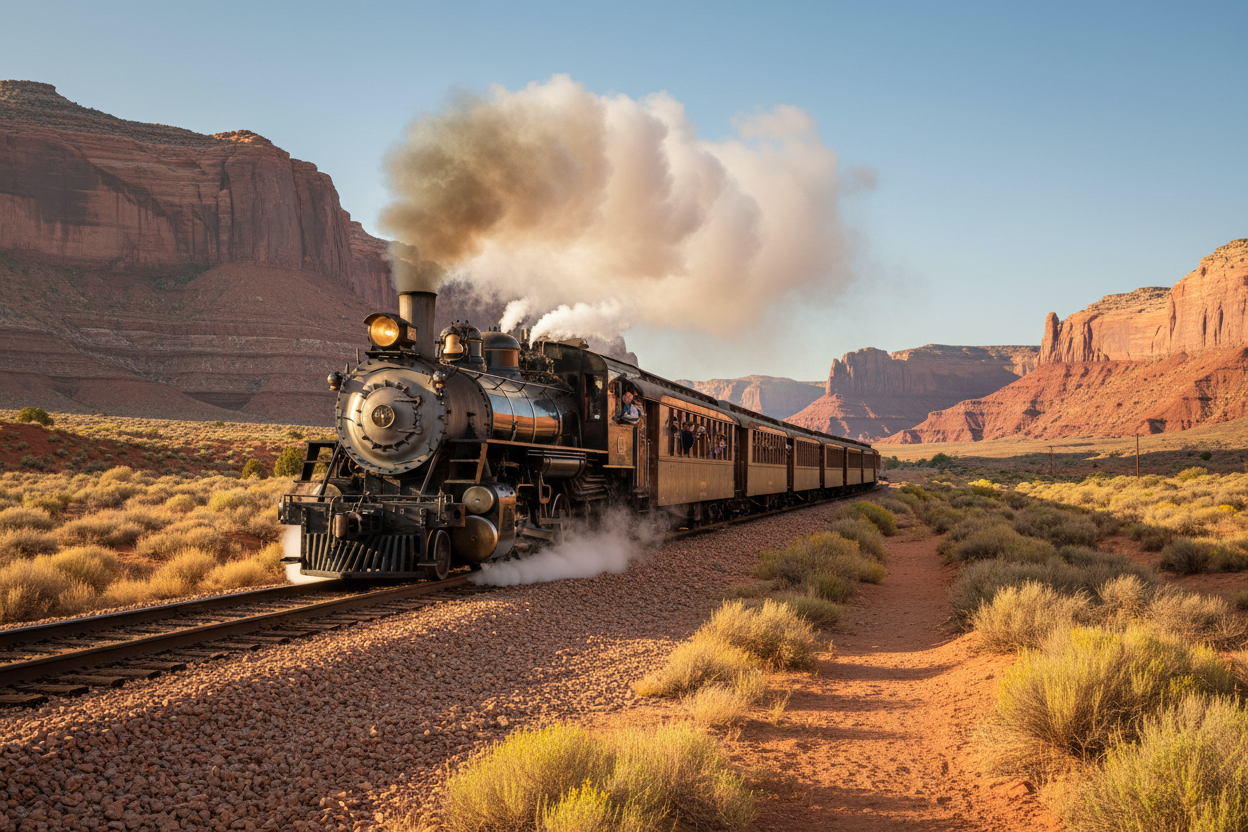
The journey begins in the Antonito area, where vast meadows stretch toward distant mountain peaks. As the train gains elevation, the scenery transforms into classic high desert terrain characterized by sagebrush, piñon pines, and juniper trees. The contrast between the golden grasslands and the deep blue sky creates a visual feast that photographers and nature enthusiasts find irresistible.
One of the most spectacular sections of the route is the approach to Cumbres Pass. Here, the train navigates a series of curves that offer panoramic views of the San Juan Mountains and the Chama River Valley. The famous Toltec Gorge section provides dramatic vistas as the train crosses high trestles with steep canyon walls dropping away on both sides.
The changing seasons add another dimension to the scenery. Spring brings wildflowers that carpet the meadows in vibrant colors, while summer offers the full green splendor of the high country. Fall transforms the aspen groves into golden galleries, and winter creates a pristine wonderland of snow-covered peaks and valleys.
Steam Locomotive Experience: Authentic Railroad Operations
Riding behind a genuine steam locomotive is an experience that engages all the senses. The distinctive whistle echoing across the valleys, the rhythmic chuff-chuff of the engine working hard on steep grades, and the occasional shower of cinders all contribute to an authentic railroading experience that simply can’t be replicated by modern transportation.
The Cumbres & Toltec operates several historic steam locomotives, including K-36 and K-37 class engines that were originally built for the Denver & Rio Grande Railroad. These powerful machines are maintained by skilled craftsmen who understand the intricate workings of steam technology, ensuring that passengers experience these locomotives much as travelers did over a century ago.
The narrow-gauge aspect adds another layer of authenticity to the journey. The 3-foot gauge creates a more intimate connection with the landscape, as the train must wind carefully through terrain that broader railways couldn’t navigate. This results in a more leisurely pace that allows passengers to fully appreciate the scenery and the engineering marvels that made this railroad possible.
Planning Your Cumbres & Toltec Railroad Adventure
The railroad operates seasonally, typically from late May through mid-October, with the peak season running through the summer months. Several different trip options are available to accommodate various schedules and interests.
The most popular option is the full-day round trip, which can be boarded from either Antonito, Colorado, or Chama, New Mexico. This journey covers the entire 64-mile route and includes a lunch stop at the historic Osier station, located at the midpoint of the line. The total travel time is approximately 6.5 hours, allowing plenty of time to soak in the scenery and enjoy the railroad experience.
For those with limited time, half-day excursions are available from both terminals. These shorter trips still provide a taste of the steam railroad experience while covering some of the most scenic portions of the route. The Antonito to Cumbres trip is particularly popular because it includes the climb to the highest point on the railroad.
Advance reservations are strongly recommended, especially during peak summer months and fall foliage season. The railroad offers different classes of service, from standard coach seating to deluxe parlor cars and even private charters for special occasions.
Wildlife and Natural Wonders Along the Route
The high desert ecosystem along the Cumbres & Toltec route supports a diverse array of wildlife that passengers often spot during their journey. Elk are frequently seen grazing in the meadows, particularly during early morning and late afternoon trips. Mule deer are common throughout the route, and lucky passengers might catch a glimpse of black bears, especially during berry season in late summer.
Bird watching opportunities abound, with species ranging from red-tailed hawks soaring overhead to smaller songbirds flitting among the piñon pines. The varied elevations along the route create different ecological zones, each supporting its own unique plant and animal communities.
The geological features along the route tell the story of millions of years of natural history. The rock formations visible from the train windows reveal layers of sedimentary deposits, volcanic activity, and glacial action that shaped this remarkable landscape. Knowledgeable conductors often share information about the natural history of the area, adding educational value to the scenic journey.
Photography Tips for Your Steam Train Journey
The Cumbres & Toltec railroad journey offers countless photography opportunities, from dramatic landscape vistas to intimate details of historic railroad equipment. The key to successful railroad photography is understanding the rhythm of the journey and being prepared for the best shots.
The morning light on eastbound trips provides excellent illumination for landscape photography, while afternoon westbound journeys offer warm, golden light that’s perfect for capturing the steam and smoke effects. The train makes several photo stops along the route, allowing passengers to step off and capture exterior shots of the locomotive and cars against the scenic backdrop.
Inside the train, the vintage details provide excellent subjects for close-up photography. The brass fittings, wooden seats, and period decorations all tell the story of early 20th-century rail travel. Don’t forget to capture the steam and smoke effects, which are particularly dramatic when the locomotive is working hard on steep grades.
For the best exterior shots, consider bringing a telephoto lens to capture distant mountain peaks and wildlife. A polarizing filter can help reduce glare and enhance the contrast between the deep blue sky and the golden desert vegetation.
Seasonal Highlights and Best Times to Visit
Each season offers its own unique advantages for experiencing the Cumbres & Toltec railroad. Late spring and early summer provide the most reliable weather and the longest operating season, with wildflowers adding splashes of color to the high desert landscape.
Summer is the peak season, offering the most departure times and the warmest weather. However, afternoon thunderstorms are common in the high country during summer months, so morning departures often provide the clearest skies and best visibility.
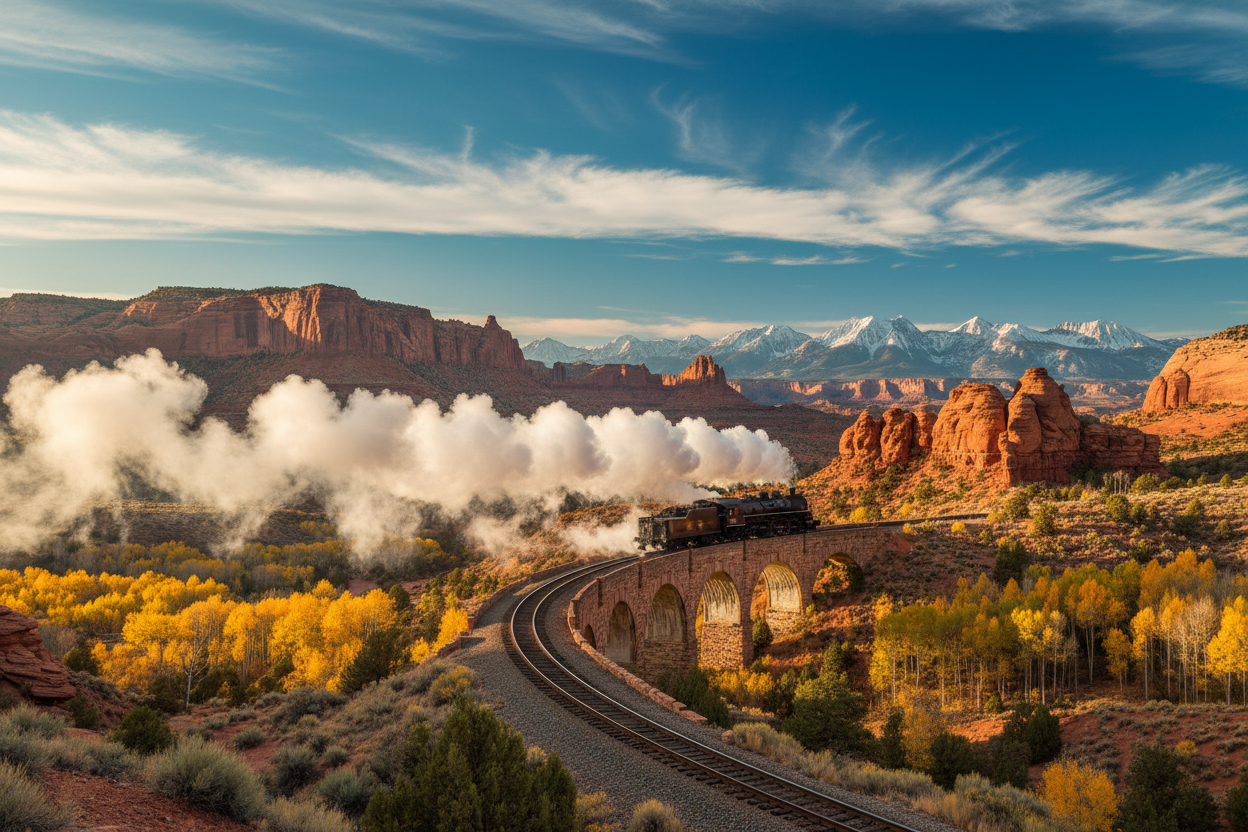
Fall is considered by many to be the most spectacular time to ride the railroad. The aspen groves that dot the mountainsides turn brilliant gold, creating a stunning contrast against the evergreen forests and red rock formations. Fall trips often sell out quickly, so early booking is essential.
Early and late season trips offer their own rewards, including smaller crowds and the possibility of seeing snow-capped peaks. The railroad sometimes operates special themed trips during these periods, including photography excursions and historical interpretation tours.
Frequently Asked Questions
How long does the full Cumbres & Toltec railroad journey take?
The complete round-trip journey takes approximately 6.5 hours, including a lunch stop at Osier station. Half-day trips range from 2.5 to 4 hours depending on the specific route.
What should I wear on the steam train?
Dress in layers as temperatures can vary significantly with elevation changes. Comfortable walking shoes are recommended, and a hat and sunglasses are advisable due to the high altitude sun exposure. Keep in mind that steam locomotives can produce cinders, so avoid wearing white or delicate fabrics.
Are food and beverages available on the train?
Full-day trips include lunch at the historic Osier station. Snacks and beverages are available for purchase on board most trains. Some premium service classes include complimentary refreshments.
Is the railroad suitable for children and elderly passengers?
Yes, the railroad welcomes passengers of all ages. However, keep in mind that some stations require walking on uneven surfaces, and the vintage cars may not be fully accessible for mobility-impaired passengers. Contact the railroad directly to discuss specific accessibility needs.
What’s the difference between boarding in Antonito versus Chama?
Both terminals offer the same overall experience, but the scenery varies depending on your starting point. Antonito departures climb gradually through high desert terrain, while Chama departures begin in forested mountain valleys. Many travelers prefer Antonito for the dramatic climb to Cumbres Pass.
Can I bring my camera and take photos during the journey?
Absolutely! Photography is encouraged, and the train makes several photo stops along the route. Professional photographers should contact the railroad about special photography excursions that offer additional photo opportunities.
The Cumbres & Toltec Scenic Railroad represents more than just a tourist attraction – it’s a genuine connection to America’s railroad heritage and a gateway to some of the most spectacular high desert scenery in the Southwest. Whether you’re drawn by the authentic steam locomotive experience, the breathtaking landscapes, or simply the chance to slow down and appreciate a bygone era of travel, this remarkable railroad journey offers something truly special. As you plan your visit to this National Historic Landmark, prepare yourself for an adventure that combines history, natural beauty, and the timeless romance of steam railroading into an unforgettable experience.