
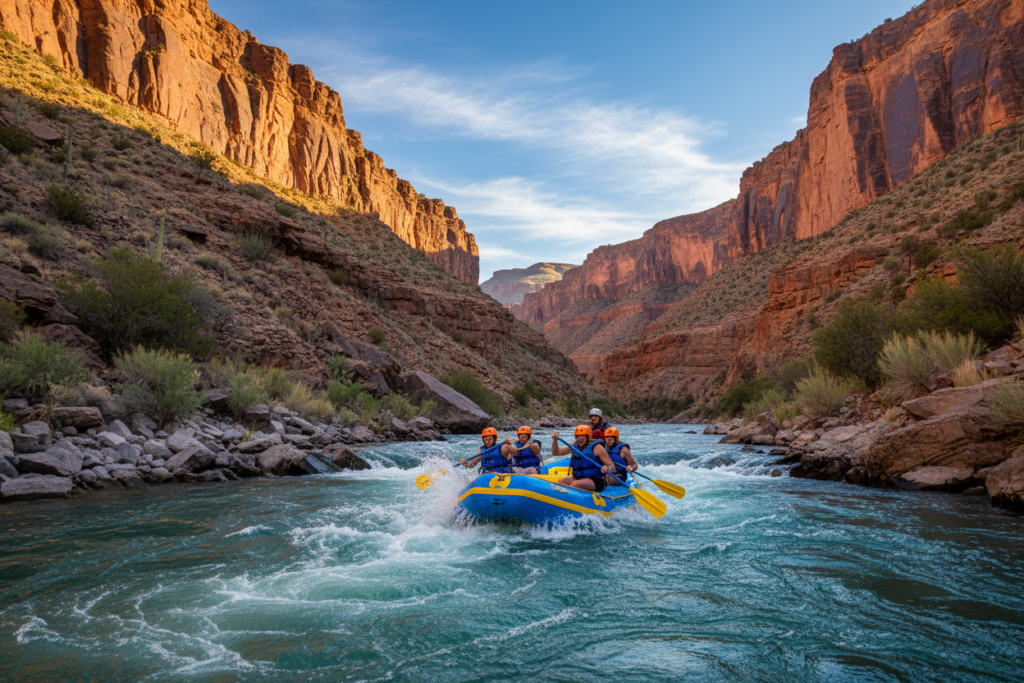
The Rio Grande River winds its way through some of the most spectacular landscapes in the American Southwest, offering white water enthusiasts an unforgettable adventure through dramatic canyons, desert wilderness, and ancient geological formations. Whether you’re a seasoned rafter seeking heart-pounding Class V rapids or a family looking for a gentle float trip, the Rio Grande delivers experiences that will leave you planning your next visit before you’ve even dried off.
Stretching over 1,800 miles from its headwaters in Colorado to the Gulf of Mexico, the Rio Grande provides diverse rafting opportunities that cater to every skill level and adventure preference. From the technical challenges of the Upper Box in New Mexico to the scenic beauty of Big Bend National Park in Texas, this mighty river has earned its reputation as one of North America’s premier white water destinations.
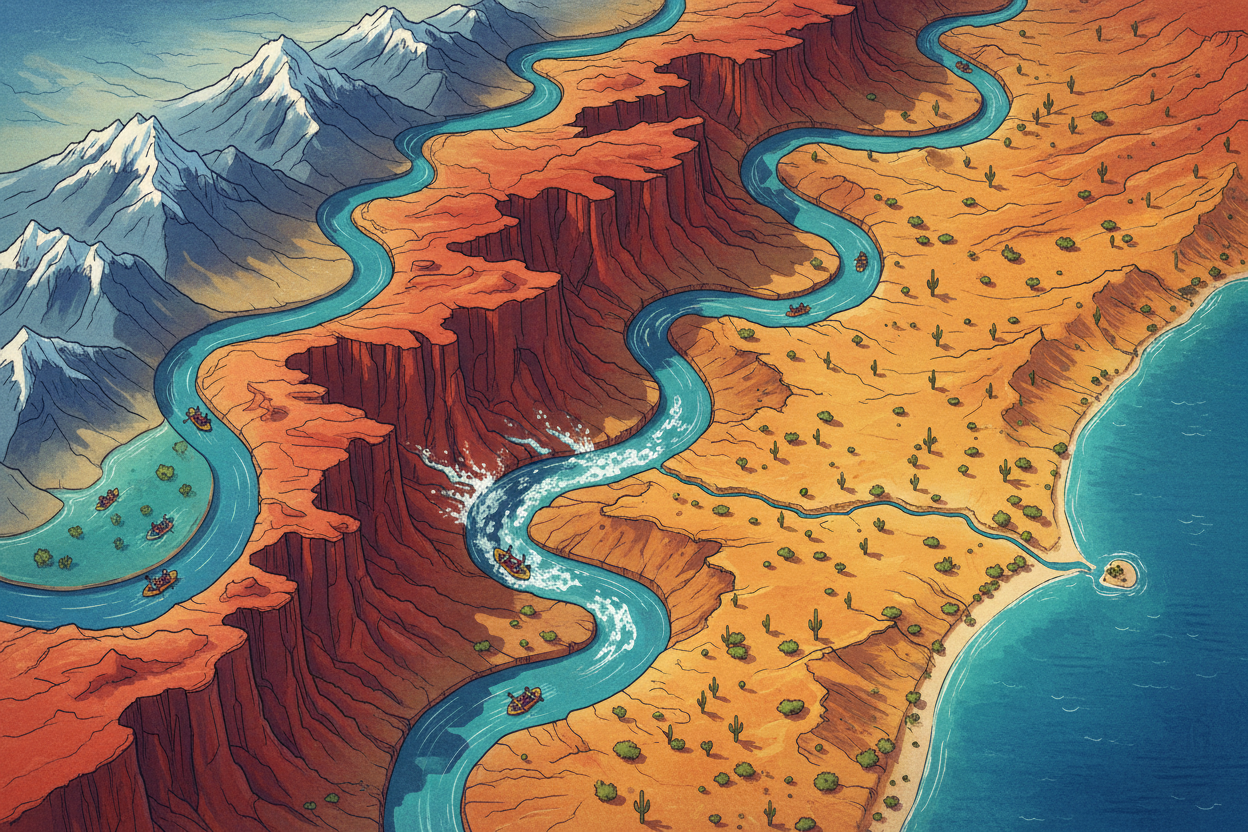
Understanding Rio Grande White Water Classifications
Before diving into the best locations and timing for your Rio Grande rafting adventure, it’s essential to understand the International Scale of River Difficulty. The Rio Grande offers everything from Class I gentle currents perfect for beginners to Class V expert-only rapids that demand years of experience and precise technique.
Class I and II sections provide excellent opportunities for families and newcomers to experience the thrill of white water without overwhelming technical demands. These stretches feature straightforward rapids with clear routes and minimal risk. Class III rapids introduce more complexity with irregular waves and strong currents requiring precise maneuvering, while Class IV sections demand advanced skills and present serious consequences for mistakes.
The most challenging Class V rapids on the Rio Grande should only be attempted by expert rafters with extensive experience and proper safety equipment. These sections feature violent rapids, complex routes, and significant hazards that require split-second decision-making and flawless execution.
Prime Rio Grande Rafting Locations
Taos Box Canyon, New Mexico
The Taos Box represents one of the Rio Grande’s most iconic and challenging sections, carving a spectacular gorge through volcanic rock formations near Taos, New Mexico. This 17-mile stretch offers consistent Class III-IV rapids that provide non-stop excitement from put-in to take-out.
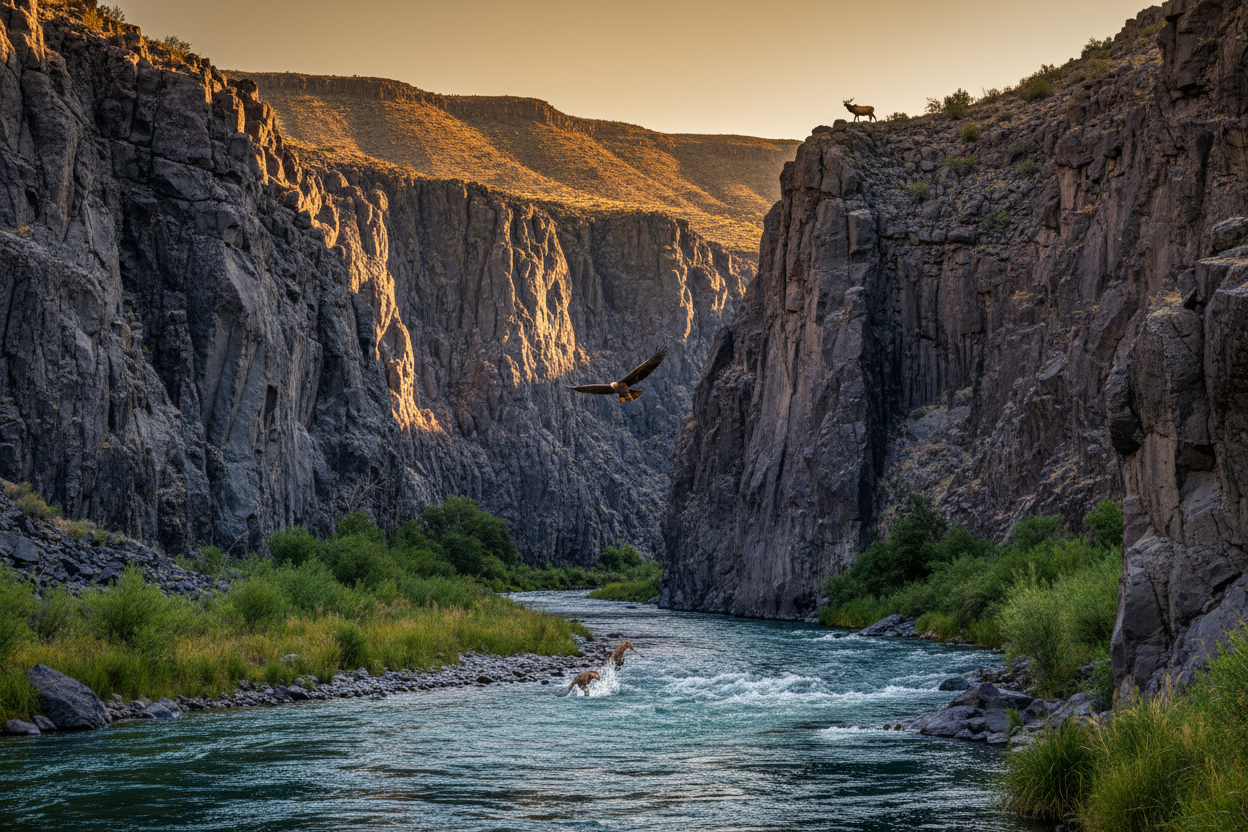
What makes the Taos Box special isn’t just its technical rapids – it’s the stunning scenery that surrounds you as you navigate through towering basalt walls that rise up to 800 feet above the river. The contrast between the desert landscape above and the lush riparian environment along the riverbank creates a unique ecosystem that supports diverse wildlife including golden eagles, river otters, and occasional elk.
The Box features several notable rapids including “Big Rock” and “Ski Jump,” each presenting unique challenges that keep even experienced rafters engaged. The continuous nature of the rapids means there’s little time to rest, making this section ideal for those seeking an adrenaline-packed adventure.
Upper Box and Lower Box Sections
Adjacent to the famous Taos Box, the Upper and Lower Box sections offer different experiences for varying skill levels. The Upper Box provides more technical and challenging rapids, often reaching Class IV-V difficulty during optimal water levels. This section attracts expert kayakers and rafters looking for the ultimate Rio Grande challenge.
The Lower Box, while still maintaining Class III difficulty, offers a slightly more forgiving experience with longer pools between rapids. This makes it an excellent choice for intermediate rafters looking to step up their game or experienced paddlers wanting a full-day adventure when combined with other sections.
Pilar to Embudo, New Mexico
This popular day-trip section offers a perfect introduction to Rio Grande white water for beginners and families. The Pilar to Embudo run features primarily Class I-II rapids with occasional Class III sections that provide just enough excitement without overwhelming novice rafters.
The 12-mile journey takes you through beautiful high desert scenery with opportunities to spot wildlife and enjoy the peaceful stretches between rapids. This section is particularly popular with commercial outfitters offering guided trips, making it an excellent choice for those new to white water rafting or families with children.
Big Bend National Park, Texas
The Rio Grande’s journey through Big Bend National Park offers a completely different rafting experience, combining moderate white water with some of the most spectacular desert scenery in North America. The Santa Elena Canyon, Mariscal Canyon, and Boquillas Canyon each provide unique adventures through towering limestone cliffs and pristine wilderness.
While the rapids in Big Bend are generally Class I-III, the remote location and multi-day trip options create an expedition-style adventure that appeals to those seeking solitude and natural beauty alongside their white water thrills. The contrast between the desert environment and the life-giving presence of the river creates an almost mystical atmosphere that many consider the highlight of their rafting career.
Optimal Timing for Rio Grande Rafting
Spring Runoff Season: March through May
Spring represents the prime season for Rio Grande white water rafting, when snowmelt from the Rocky Mountains creates the highest and most consistent water levels of the year. During this period, typically running from March through May, rafters can expect optimal conditions with full-volume rapids and cooler temperatures that make for comfortable paddling.
The spring runoff season offers the most predictable water levels, with flows generally peaking in late April or early May depending on the winter snowpack. This timing provides the best opportunity to experience the Rio Grande’s rapids at their most impressive, with powerful hydraulics and standing waves that create the classic white water experience.
Weather during spring can be variable, with cool mornings warming to pleasant afternoons. It’s essential to dress in layers and be prepared for changing conditions, but the moderate temperatures make this season ideal for all-day adventures on the river.
Early Summer Adventures: June through July
As spring transitions to summer, water levels begin to drop but often remain sufficient for excellent rafting through June and into July. This period offers warmer weather and more stable conditions, making it particularly appealing for camping trips and multi-day expeditions.
Early summer provides the advantage of longer daylight hours and more predictable weather patterns. The slightly lower water levels can actually enhance certain rapids by creating more technical routes and exposing rock features that add complexity to familiar runs.
However, rafters should be aware that water levels can drop quickly during hot, dry periods, potentially limiting access to some sections. It’s crucial to check current flow conditions and consult with local outfitters before planning summer trips.
Fall Opportunities: September through November
Fall rafting on the Rio Grande offers a different but equally rewarding experience, with lower water levels creating more technical challenges and the beautiful autumn colors of cottonwoods and willows lining the riverbank. While flows are generally lower than spring levels, many sections remain raftable and provide excellent opportunities for skilled paddlers.
The cooler temperatures of fall make for comfortable paddling conditions, and the reduced crowds mean you’re more likely to have popular sections to yourself. This season is particularly appealing for photographers and those seeking a more contemplative river experience.
Planning Your Rio Grande Rafting Adventure
Choosing the Right Outfitter
Selecting an experienced and reputable outfitter is crucial for a safe and enjoyable Rio Grande rafting experience. Look for companies with extensive local knowledge, proper safety certifications, and guides who are familiar with current river conditions and seasonal variations.
The best outfitters provide not just transportation and equipment, but also valuable insights into the river’s ecology, geology, and cultural history. They should be able to match your group’s skill level and interests with the most appropriate section of river and provide proper safety briefings and equipment.
Essential Gear and Preparation
Proper preparation is essential for any Rio Grande rafting adventure. While outfitters typically provide rafts, paddles, helmets, and life jackets, you’ll need to bring appropriate clothing, sun protection, and personal items.
Quick-dry clothing is essential, as cotton materials can become dangerously cold when wet. A good sun hat, sunglasses with retainer straps, and high-SPF sunscreen are crucial for protection against the intense southwestern sun. Don’t forget a water bottle and snacks for longer trips.
Safety Considerations
Rio Grande white water demands respect and proper safety precautions. Always wear your life jacket and helmet when provided, listen carefully to your guide’s instructions, and never attempt sections beyond your skill level without proper guidance.
The remote nature of many Rio Grande sections means that rescue and medical assistance may be hours away. This makes prevention and preparation even more critical. Inform someone of your planned itinerary and expected return time, and consider carrying emergency communication devices for multi-day trips.
Conclusion
The Rio Grande offers some of North America’s most diverse and exciting white water rafting opportunities, from the technical challenges of the Taos Box to the scenic beauty of Big Bend National Park. With proper timing, preparation, and respect for the river’s power, your Rio Grande rafting adventure will create memories that last a lifetime.
Whether you’re seeking your first taste of white water excitement or looking to test your skills against world-class rapids, the Rio Grande delivers experiences that showcase the raw beauty and power of the American Southwest. The combination of challenging rapids, stunning scenery, and rich cultural history makes every trip down this legendary river a unique adventure.
Remember that conditions on the Rio Grande can change rapidly, so always check current water levels and weather conditions before your trip. With the right preparation and a sense of adventure, you’ll discover why the Rio Grande has captivated white water enthusiasts for generations and continues to rank among the world’s premier rafting destinations.
Frequently Asked Questions
What is the best time of year for Rio Grande white water rafting?
The optimal time for Rio Grande rafting is during spring runoff season from March through May, when snowmelt creates the highest water levels and most exciting rapids. Early summer (June-July) also offers good conditions with warmer weather, while fall provides more technical challenges with lower water levels.
Do I need previous rafting experience to enjoy the Rio Grande?
The Rio Grande offers sections suitable for all skill levels. Beginners can enjoy Class I-II sections like Pilar to Embudo, while experienced rafters can challenge themselves on Class IV-V sections like the Upper Box. Always choose sections appropriate for your skill level and consider guided trips for your first Rio Grande experience.
How long are typical Rio Grande rafting trips?
Trip lengths vary significantly depending on the section and your preferences. Half-day trips (3-4 hours) are available on shorter sections, full-day adventures (6-8 hours) are popular for sections like the Taos Box, and multi-day expeditions (2-5 days) are possible in areas like Big Bend National Park.
What should I bring on a Rio Grande rafting trip?
Essential items include quick-dry clothing, sun protection (hat, sunglasses, sunscreen), water bottle, and snacks. Avoid cotton clothing as it becomes dangerous when wet. Most outfitters provide safety equipment including life jackets, helmets, and paddles. Check with your outfitter for specific gear recommendations.
Are Rio Grande rafting trips suitable for families with children?
Yes, many Rio Grande sections are excellent for families. The Pilar to Embudo section offers gentle Class I-II rapids perfect for children, while Big Bend National Park provides scenic float trips with minimal rapids. Most outfitters have age restrictions and specific family-friendly trips designed for younger participants.
How do water levels affect Rio Grande rafting conditions?
Water levels dramatically impact the rafting experience. Higher spring flows create more powerful rapids and easier navigation, while lower summer and fall levels expose more rocks and create more technical routes. Always check current conditions and consult with local outfitters before planning your trip.