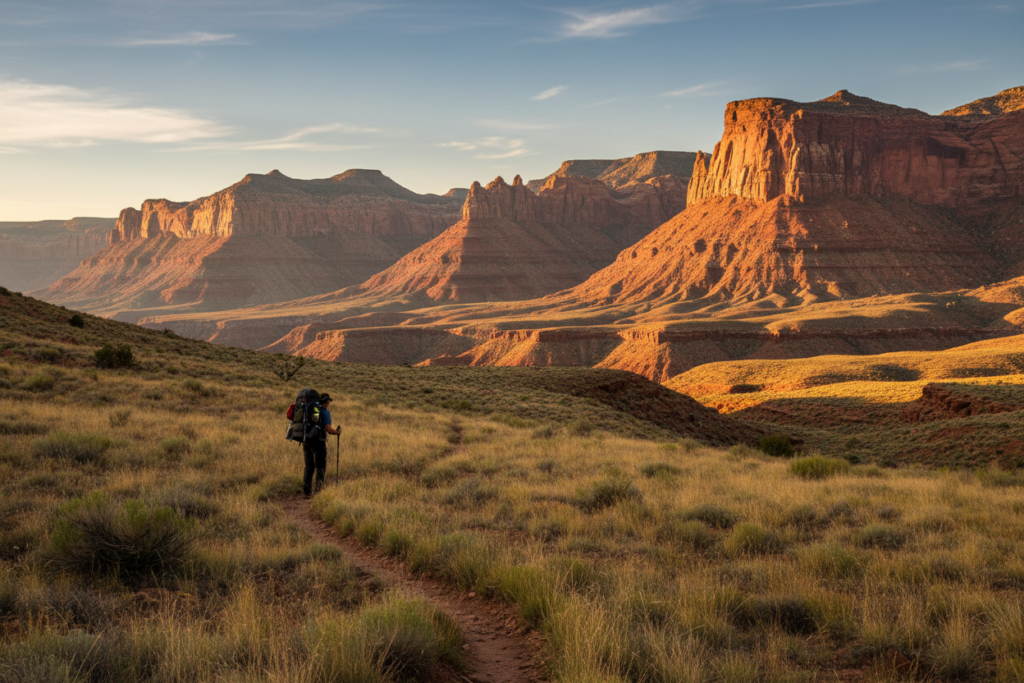
Tucked away in the rugged mountains of southwestern New Mexico lies a treasure that holds a special place in American conservation history. The Gila Wilderness, designated in 1924, proudly stands as the world’s first official wilderness area. This remarkable landscape spans over 558,000 acres of pristine backcountry, offering backpackers an authentic wilderness experience that’s become increasingly rare in our modern world.
What makes the Gila Wilderness truly extraordinary isn’t just its historical significance, but the raw, untamed beauty that has remained largely unchanged for nearly a century. Here, you won’t find maintained trails with wooden signs every mile or designated camping spots with fire rings. Instead, you’ll discover a landscape where self-reliance, navigation skills, and respect for nature are essential companions on every journey.
Why the Gila Wilderness Deserves Your Attention
The Gila Wilderness represents something increasingly precious in our interconnected world: genuine solitude and challenge. Unlike many popular backpacking destinations that can feel crowded during peak seasons, the Gila offers space to breathe and truly disconnect from civilization. The wilderness encompasses diverse ecosystems, from high-elevation pine forests to desert canyons, creating a backpacking experience that’s both varied and deeply rewarding.
This isn’t a destination for casual day hikers or those seeking Instagram-perfect overlooks with minimal effort. The Gila demands respect, preparation, and a willingness to embrace uncertainty. In return, it offers experiences that will fundamentally change how you view wilderness and your place within it.
Essential Planning for Your Gila Wilderness Adventure
Planning a successful Gila Wilderness backpacking trip requires careful consideration of several unique factors that distinguish this area from more developed wilderness regions. The remote nature of the Gila means that once you’re committed to a route, changing your mind or calling for help becomes extremely difficult.
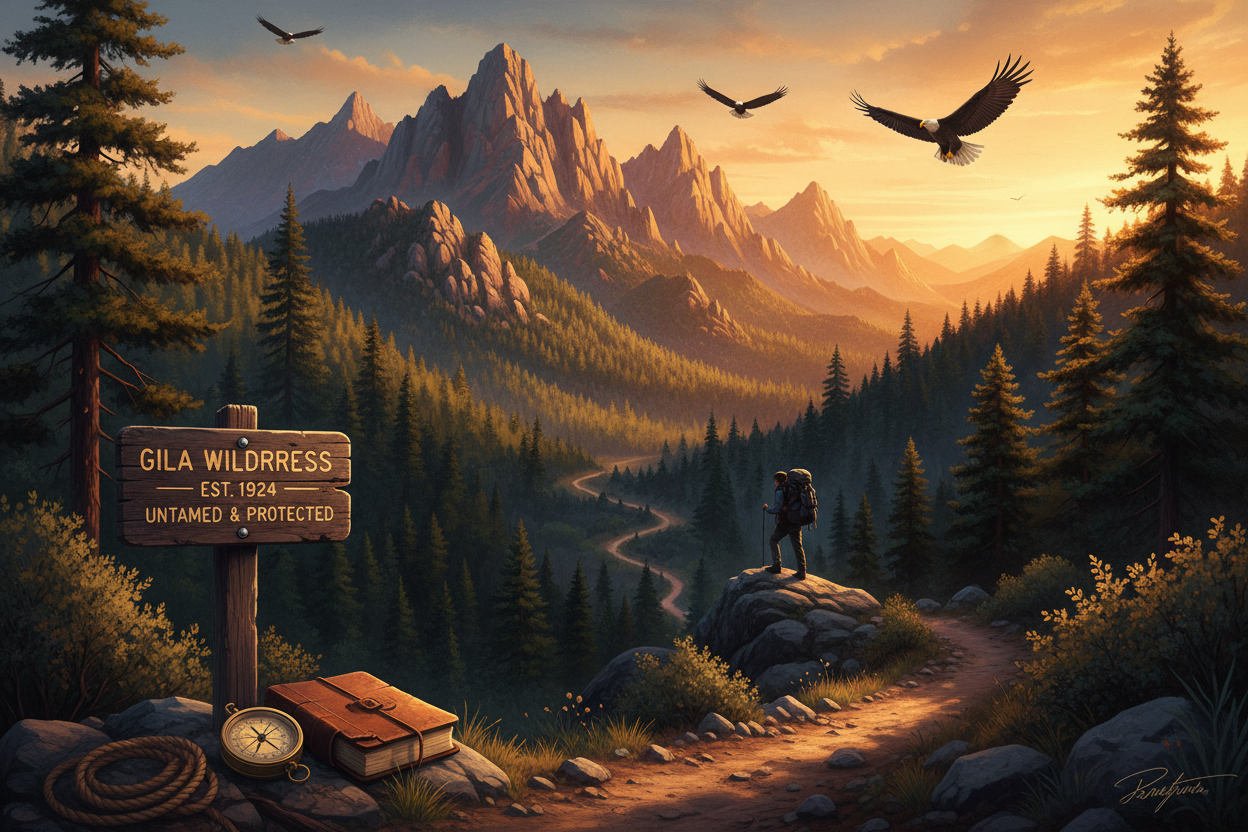
Start your planning process at least three months before your intended trip date. This timeline allows you to research routes thoroughly, obtain necessary permits, and prepare both physically and mentally for the challenges ahead. The Gila’s trail system is extensive but often poorly marked, making route selection a critical decision that will determine the entire character of your adventure.
Weather patterns in the Gila can be unpredictable and extreme. Summer temperatures in lower elevations can exceed 100 degrees Fahrenheit, while winter storms can dump significant snow at higher elevations. Spring and fall generally offer the most comfortable conditions, but even these seasons require preparation for temperature swings and potential weather changes.
Navigating the Gila’s Unique Trail System
The trail system in the Gila Wilderness presents both opportunities and challenges that set it apart from other backpacking destinations. Many trails follow historic routes used by Native Americans, miners, and early settlers, creating a network that prioritizes practicality over modern hiking convenience.
Trail maintenance in the wilderness is minimal by design, meaning you’ll encounter everything from well-defined paths to routes that disappear entirely for stretches. Creek crossings are common and can become dangerous during periods of high water. Some popular routes require dozens of stream crossings, making waterproof boots and navigation skills essential.
The most famous route, the Middle Fork of the Gila River, exemplifies the area’s character. This trail follows the river for miles, requiring constant stream crossings and careful attention to landmarks. During dry seasons, the route can be pleasant and straightforward. During snowmelt or monsoon seasons, the same trail becomes a serious undertaking requiring advanced skills and experience.
Wildlife Encounters and Safety Considerations
The Gila Wilderness hosts an impressive array of wildlife, including some species that have been successfully reintroduced after near-extinction. Black bears are common throughout the area, and proper food storage isn’t just recommended – it’s essential for both your safety and the bears’ well-being.
Mountain lions inhabit the Gila, though encounters are rare. Elk herds roam the higher elevations, particularly impressive during fall rutting season. The wilderness also supports healthy populations of deer, javelinas, and various smaller mammals that contribute to the area’s ecological richness.
Perhaps most significantly, the Gila is home to the Mexican gray wolf, one of the most endangered mammals in North America. These wolves were reintroduced to the area in the 1990s, and while seeing one is extremely unlikely, knowing they’re present adds a profound sense of wildness to the experience.
Safety in the Gila requires a different mindset than in more developed wilderness areas. Cell phone coverage is essentially nonexistent throughout most of the wilderness. Emergency evacuation, if needed, can take days to coordinate and execute. This reality makes thorough preparation, conservative decision-making, and solid wilderness skills absolutely critical.
Water Sources and Purification Strategies
Water availability in the Gila Wilderness varies dramatically by season and location, making water planning one of the most critical aspects of trip preparation. The area’s numerous springs, streams, and seasonal water sources can sustain life, but they require careful evaluation and treatment.
Many water sources in the Gila are seasonal, flowing strongly during snowmelt and monsoon periods but potentially drying up during late spring and early summer. Before departing, research recent trip reports and contact local ranger stations for current water conditions along your planned route.
All water sources in the wilderness should be treated before consumption. The presence of wildlife, including livestock that graze under permit in some areas, means that even the clearest mountain spring can harbor harmful microorganisms. Carry multiple purification methods, including both filtration and chemical treatment options.
Recommended Gear for Gila Wilderness Backpacking
Gear selection for the Gila requires balancing weight considerations with the reality that you’re entering a genuinely remote environment where equipment failure can have serious consequences. Standard backpacking gear forms the foundation, but several items deserve special consideration for Gila adventures.
Navigation equipment tops the list of essential gear. A detailed topographic map and compass are mandatory, and a GPS device provides valuable backup. Many experienced Gila backpackers carry paper maps in waterproof cases along with digital navigation aids. The wilderness’s poor trail marking and complex terrain make navigation skills and equipment non-negotiable.
Footwear selection requires careful thought due to the frequent stream crossings characteristic of many Gila routes. Some backpackers prefer waterproof boots, while others choose quick-drying trail runners and accept wet feet. Gaiters can provide valuable protection against thorny vegetation that’s common throughout the area.
Emergency communication devices, while not required, deserve serious consideration for solo travelers or those attempting challenging routes. Satellite communicators can provide peace of mind and potentially life-saving communication capabilities in genuine emergencies.
Best Times to Visit and Seasonal Considerations
Timing your Gila Wilderness adventure significantly impacts both safety and enjoyment. Each season offers distinct advantages and challenges that should influence your planning and expectations.
Spring, typically March through May, provides some of the year’s most pleasant conditions. Temperatures are moderate, water sources are generally reliable, and wildflowers can be spectacular in favorable years. However, late spring can bring unpredictable weather, and some high-elevation areas may still have snow.
Summer in the Gila can be challenging due to extreme heat in lower elevations and intense afternoon thunderstorms. The monsoon season, roughly July through September, brings dramatic weather that can create dangerous flash flood conditions in canyons and drainages. However, the monsoons also bring relief from heat and can create spectacular displays of desert blooms.
Fall offers perhaps the ideal combination of stable weather, comfortable temperatures, and reliable water sources. September through November typically provides excellent backpacking conditions, with the added bonus of fall colors in aspen groves at higher elevations.
Winter backpacking in the Gila is possible but requires advanced skills and appropriate gear. Snow can make navigation extremely challenging, and the remote nature of the wilderness makes winter travel a serious undertaking best left to experienced winter campers.
Leave No Trace Principles in America’s First Wilderness
The Gila Wilderness’s status as America’s first designated wilderness area carries special responsibility for visitors. The principles that guided its protection nearly a century ago remain relevant today, requiring modern backpackers to embrace a conservation ethic that preserves the area’s wild character.
Camping in the Gila follows dispersed camping principles, meaning you’ll need to select appropriate sites rather than using established campgrounds. Choose durable surfaces away from water sources, and avoid creating new fire rings or other permanent impacts. The goal is to camp in a way that leaves no evidence of your presence.
Fire management requires special attention in the Gila. While campfires are generally permitted, fire restrictions are common during dry periods. Always check current fire conditions before your trip, and be prepared to forgo fires entirely if conditions warrant. When fires are appropriate, use existing fire rings when available and fully extinguish all fires before leaving.
Wildlife protection goes beyond simple food storage. The Gila’s recovering ecosystems, including the Mexican gray wolf population, depend on minimal human interference. Maintain appropriate distances from all wildlife, never feed animals, and store all scented items properly to avoid creating negative wildlife encounters.
Frequently Asked Questions
Do I need permits for Gila Wilderness backpacking?
No permits are required for general backpacking in the Gila Wilderness. However, group size is limited to 15 people, and some special activities may require permits. Always check current regulations before your trip.
How difficult are the trails in the Gila Wilderness?
Gila trails range from moderate to extremely difficult. Many routes involve frequent stream crossings, poor trail marking, and challenging navigation. This wilderness is best suited for experienced backpackers comfortable with route-finding and self-reliance.
What’s the best route for first-time Gila visitors?
The Middle Fork of the Gila River trail is popular for first-time visitors, offering a taste of the wilderness character while following a relatively defined route. However, even this “easier” option requires stream crossing skills and solid navigation abilities.
Are there any facilities or services in the wilderness?
The Gila Wilderness contains no facilities, services, or maintained infrastructure. This includes no restrooms, water spigots, trash collection, or emergency phones. Complete self-sufficiency is required.
When is water most reliable in the Gila?
Water reliability varies by location and year, but generally, spring snowmelt (March-May) and monsoon season (July-September) provide the most reliable water sources. Always research current conditions and carry backup purification methods.
Can I bring my dog to the Gila Wilderness?
Dogs are permitted in the Gila Wilderness but must be under direct control at all times. Consider the challenges your pet will face, including stream crossings, rough terrain, and potential wildlife encounters, including bears and mountain lions.
Embracing the Gila Experience
The Gila Wilderness offers something increasingly rare in our modern world: a genuine wilderness experience that challenges, humbles, and ultimately transforms those who venture into its depths. This isn’t a destination for collecting summit photos or checking boxes on a hiking bucket list. Instead, it’s a place where the journey itself becomes the reward, where self-reliance and respect for nature aren’t just concepts but daily necessities.
Planning a Gila Wilderness backpacking adventure requires commitment, preparation, and a willingness to embrace uncertainty. In return, you’ll experience landscapes and solitude that remain largely unchanged since Aldo Leopold first championed wilderness protection nearly a century ago. Whether you’re drawn by the historical significance, the navigation challenges, or simply the promise of genuine wilderness, the Gila offers experiences that will deepen your connection to wild places and your understanding of what true wilderness means.
The Gila Wilderness stands as a testament to the vision of early conservationists who understood that some places should remain wild, challenging, and free from human development. As you plan your own adventure in America’s first wilderness area, remember that you’re not just taking a backpacking trip – you’re participating in a conservation legacy that extends far beyond your individual experience.