Land of Enchantment Road Trip: 7-Day Itinerary Through New Mexico’s Natural Wonders
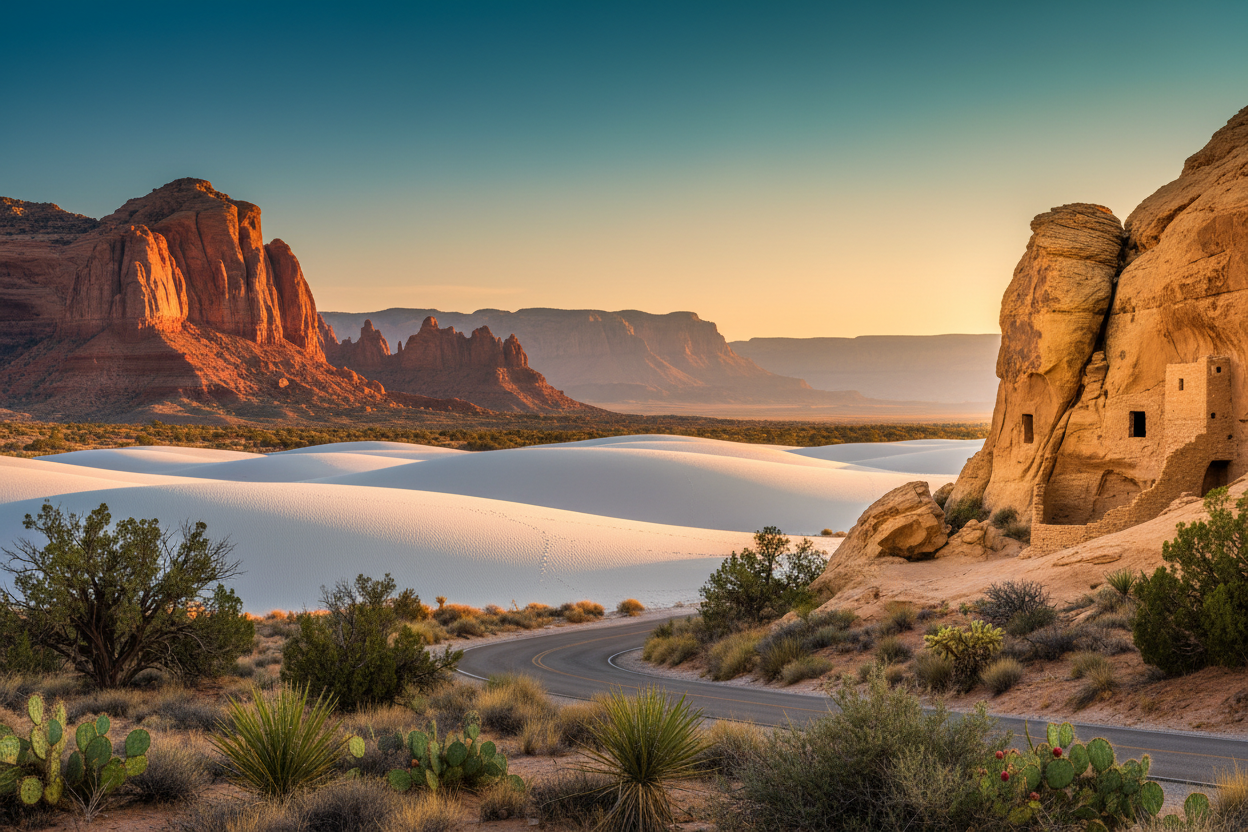
New Mexico’s nickname, the “Land of Enchantment,” isn’t just marketing fluff—it’s a promise that every mile of highway delivers. From ancient cliff dwellings carved into sandstone walls to underground caverns that stretch for miles, this southwestern state offers a kaleidoscope of natural wonders that will leave you questioning whether you’ve stumbled into another world entirely.
Planning a week-long road trip through New Mexico means preparing for dramatic elevation changes, diverse ecosystems, and landscapes that shift from high desert to alpine forests within hours. This carefully crafted 7-day itinerary takes you through the state’s most spectacular natural attractions while allowing enough time to truly absorb the magic of each destination.
Day 1: Albuquerque to Santa Fe – High Desert Beginnings
Start your New Mexico adventure in Albuquerque, where the high desert meets urban sophistication. Begin with a morning ride on the Sandia Peak Tramway, the world’s longest aerial tramway, which whisks you 2.7 miles up the steep western face of the Sandia Mountains. The 15-minute journey offers breathtaking views of the Rio Grande Valley and serves as your first taste of New Mexico’s dramatic topography.
After descending from Sandia Peak, drive north on the historic Turquoise Trail (Highway 14) toward Santa Fe. This scenic byroute winds through the ghost towns of Golden, Madrid, and Cerrillos, each offering glimpses into New Mexico’s mining heritage. The 50-mile drive takes about 90 minutes without stops, but plan for a full afternoon to explore these charming communities.
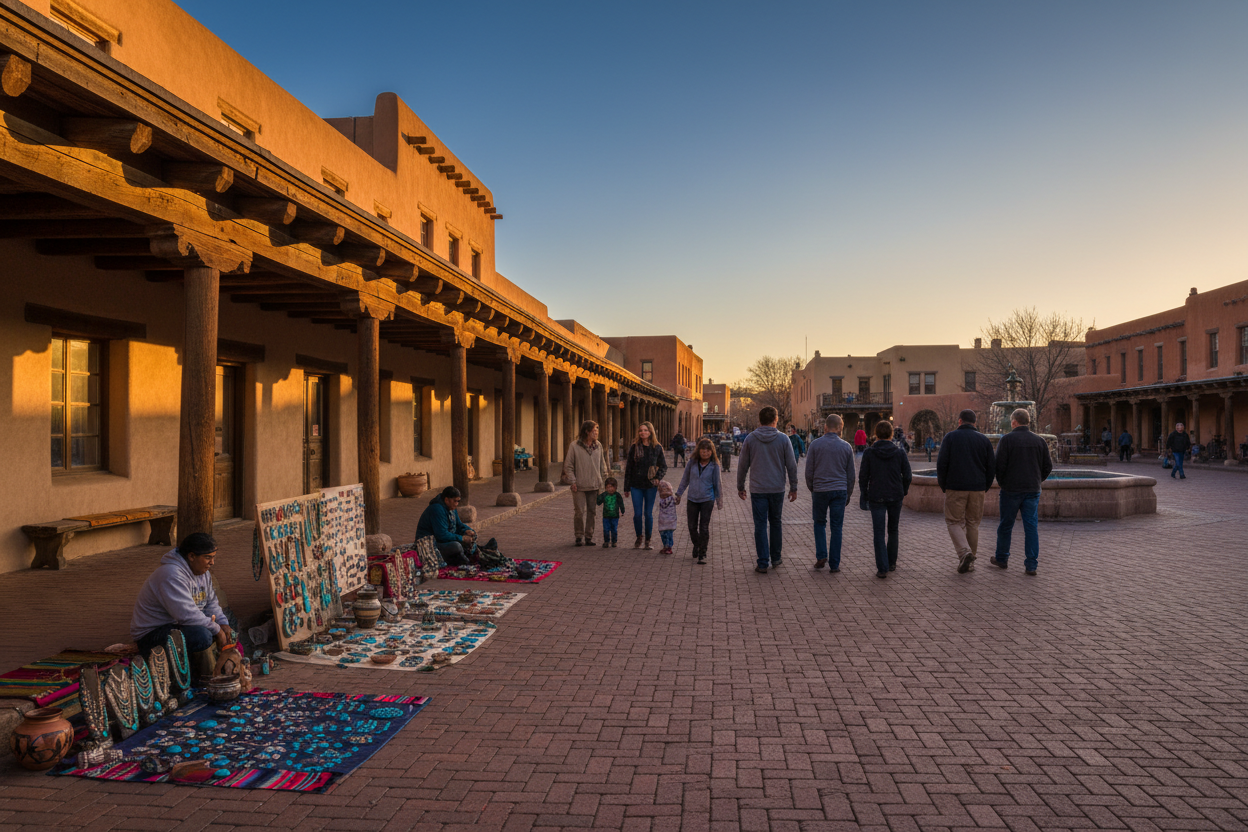
Arrive in Santa Fe by evening and settle into your accommodation. The city’s adobe architecture and narrow streets provide the perfect introduction to New Mexico’s unique cultural blend. Take an evening stroll around the historic Plaza, where Native American artisans sell handcrafted jewelry and pottery under the portal of the Palace of the Governors.
Day 2: Bandelier National Monument – Ancient Cliff Dwellings
Dedicate your second day to exploring Bandelier National Monument, located just 40 miles northwest of Santa Fe. This archaeological preserve protects over 33,000 acres of rugged canyon and mesa country, along with evidence of human presence spanning more than 11,000 years.
The Main Loop Trail offers an excellent introduction to Bandelier’s wonders. This easy 1.2-mile walk leads you past ancient pueblo ruins and petroglyphs before reaching the cliff dwellings carved directly into the volcanic tuff. Climbing wooden ladders into these cave-like rooms, you’ll gain intimate insight into how the Ancestral Pueblo people lived between 1150 and 1550 CE.
For more adventurous hikers, the Alcove House Trail adds an additional 1.5 miles and 140 feet of elevation gain. The reward is spectacular: a large cave dwelling 140 feet above the canyon floor, accessible only by climbing four wooden ladders. The views from this ancient dwelling encompass the entire Frijoles Canyon.
Return to Santa Fe in the evening, where you can enjoy dinner at one of the city’s renowned restaurants specializing in New Mexican cuisine. Don’t miss trying green chile, the state’s signature ingredient.
Day 3-4: White Sands National Park – Gypsum Dunes Paradise
On day three, make the drive south to White Sands National Park, approximately 280 miles from Santa Fe. This journey takes you through diverse landscapes, from the high desert around Santa Fe to the Tularosa Basin, where the world’s largest gypsum dune field awaits.
White Sands National Park protects 275 square miles of brilliant white gypsum sand dunes that shift and change with the wind. Unlike typical sand dunes made of quartz, these dunes consist of gypsum crystals that remain cool to the touch even under the intense desert sun.
Spend your first afternoon exploring the Dunes Drive, an 8-mile scenic road that leads deep into the heart of the dune field. Stop at the Nature Center and take the easy Interdune Boardwalk to learn about the unique plants and animals that call this harsh environment home.
On day four, wake early for sunrise photography—the soft morning light transforms the white dunes into a canvas of subtle pinks and golds. The Alkali Flat Trail, a challenging 5-mile loop marked by orange posts, takes you to the heart of the dune field where you’ll feel completely surrounded by an ocean of white sand.
Consider spending both nights in nearby Alamogordo or Las Cruces to maximize your time in the park and experience the dunes under different lighting conditions.
Day 5: Carlsbad Caverns National Park – Underground Marvels
Day five requires an early start for the 160-mile drive east to Carlsbad Caverns National Park. This UNESCO World Heritage Site protects more than 119 known caves carved from a fossilized reef that formed 250 million years ago beneath an ancient sea.
The Big Room self-guided tour represents the park’s crown jewel—a massive underground chamber that could easily house 14 football fields. The relatively easy 1.25-mile walk takes you past incredible formations including stalactites, stalagmites, flowstone, and popcorn formations that have developed over millions of years.
If you’re feeling adventurous and have made advance reservations, consider adding a ranger-guided tour to less accessible areas of the cave system. The King’s Palace tour descends 830 feet below the surface and includes four highly decorated chambers.
During summer months (May through October), don’t miss the evening bat flight program. Each evening at sunset, hundreds of thousands of Mexican free-tailed bats spiral out of the cave entrance in search of insects, creating one of nature’s most spectacular wildlife displays.
Day 6: Tent Rocks – Geological Formations and Slot Canyons
Begin your journey back toward central New Mexico with a stop at Kasha-Katuwe Tent Rocks National Monument. These cone-shaped rock formations, created by volcanic eruptions 6-7 million years ago, create an otherworldly landscape that’s perfect for hiking and photography.
The Cave Loop Trail offers an easy 1.2-mile introduction to the tent rocks, while the more challenging Slot Canyon Trail leads through narrow passages between towering rock walls before emerging onto a mesa with panoramic views of the Sangre de Cristo, Jemez, and Sandia Mountains.
The slot canyon section requires some scrambling over rocks and through tight spaces, but the effort rewards you with an intimate experience of geological forces at work. The narrow passages create dramatic lighting conditions that photographers particularly appreciate.
Spend the night in Santa Fe or Albuquerque, depending on your departure plans for the following day.
Day 7: Petroglyph National Monument – Ancient Art Gallery
Conclude your New Mexico adventure at Petroglyph National Monument on Albuquerque’s west side. This unique park protects one of the largest petroglyph sites in North America, with more than 24,000 images carved into volcanic rocks by Native Americans and Spanish settlers between 400 and 700 years ago.
The Boca Negra Canyon offers three short, easy trails that provide excellent petroglyph viewing opportunities. The Macaw Trail, a 0.5-mile loop, features some of the site’s most impressive rock art, including images of birds, animals, and human figures that offer glimpses into the spiritual and daily lives of ancient peoples.
For a more challenging hike with fewer crowds, try the Rinconada Canyon Trail. This 2.2-mile round trip walk follows an arroyo through the volcanic escarpment, passing hundreds of petroglyphs while offering views of the Rio Grande Valley and Sandia Mountains.
The visitor center provides essential context for understanding these ancient images and the cultures that created them. Interactive exhibits explain the difference between petroglyphs and pictographs while highlighting the ongoing cultural significance of these sites to modern Pueblo peoples.
Essential Road Trip Tips for New Mexico
Successful navigation of New Mexico’s diverse landscapes requires preparation and respect for the environment. Always carry extra water—at least one gallon per person per day when hiking in desert areas. Weather can change rapidly, especially at higher elevations, so pack layers including warm clothing even during summer months.
Cell phone coverage can be spotty in remote areas, so download offline maps and inform someone of your itinerary. Many of New Mexico’s natural wonders exist at high elevations, which can affect visitors from lower altitudes. Take time to acclimate and listen to your body.
Respect for Native American and Hispanic cultural sites is paramount throughout New Mexico. Many locations hold deep spiritual significance for local communities, so follow all posted guidelines and maintain appropriate behavior.
Frequently Asked Questions
What’s the best time of year to visit New Mexico’s natural wonders?
Spring (April-May) and fall (September-October) offer the most comfortable weather conditions. Summer can be extremely hot in lower elevations, while winter may bring snow to higher elevations and limited access to some areas.
Do I need a high-clearance vehicle for this itinerary?
No, all destinations in this itinerary are accessible by regular passenger vehicles. However, a vehicle with good ground clearance can be helpful for exploring some of the more remote areas and unpaved parking areas.
How much should I budget for entrance fees?
Consider purchasing the America the Beautiful Annual Pass ($80) if you plan to visit multiple national parks. Individual park fees range from $15-30 per vehicle. Some state and local sites may have additional fees.
Are pets allowed at these natural sites?
Pet policies vary by location. National parks generally allow pets on leashes in developed areas but prohibit them on most trails. Check specific regulations for each destination before traveling with pets.
What should I pack for hiking in New Mexico?
Essential items include sun protection (hat, sunscreen, sunglasses), plenty of water, sturdy hiking shoes, layers for temperature changes, and a first aid kit. Don’t forget a camera to capture the incredible landscapes.
New Mexico’s natural wonders offer experiences that linger long after you’ve returned home. From the ethereal beauty of White Sands to the ancient mysteries of Bandelier, each destination reveals another facet of this enchanting state. This seven-day journey provides just a taste of what New Mexico offers—consider it an invitation to return and explore even deeper into the Land of Enchantment’s natural treasures.