White Sands National Park: 10 Must-Do Activities in the World’s Largest Gypsum Desert
Imagine stepping into a landscape so surreal it feels like you’ve been transported to another planet. Welcome to White Sands National Park in New Mexico, where endless waves of pristine white gypsum dunes stretch as far as the eye can see. This extraordinary destination offers visitors a chance to experience the world’s largest gypsum desert, spanning over 275 square miles of crystalline sand formations that shimmer like snow under the desert sun.
Whether you’re an adventure seeker, photography enthusiast, or simply someone who appreciates nature’s most spectacular displays, White Sands National Park delivers an unforgettable experience. The park’s unique ecosystem supports rare plants and animals that have adapted to this harsh yet beautiful environment, making it both a natural wonder and a scientific marvel.
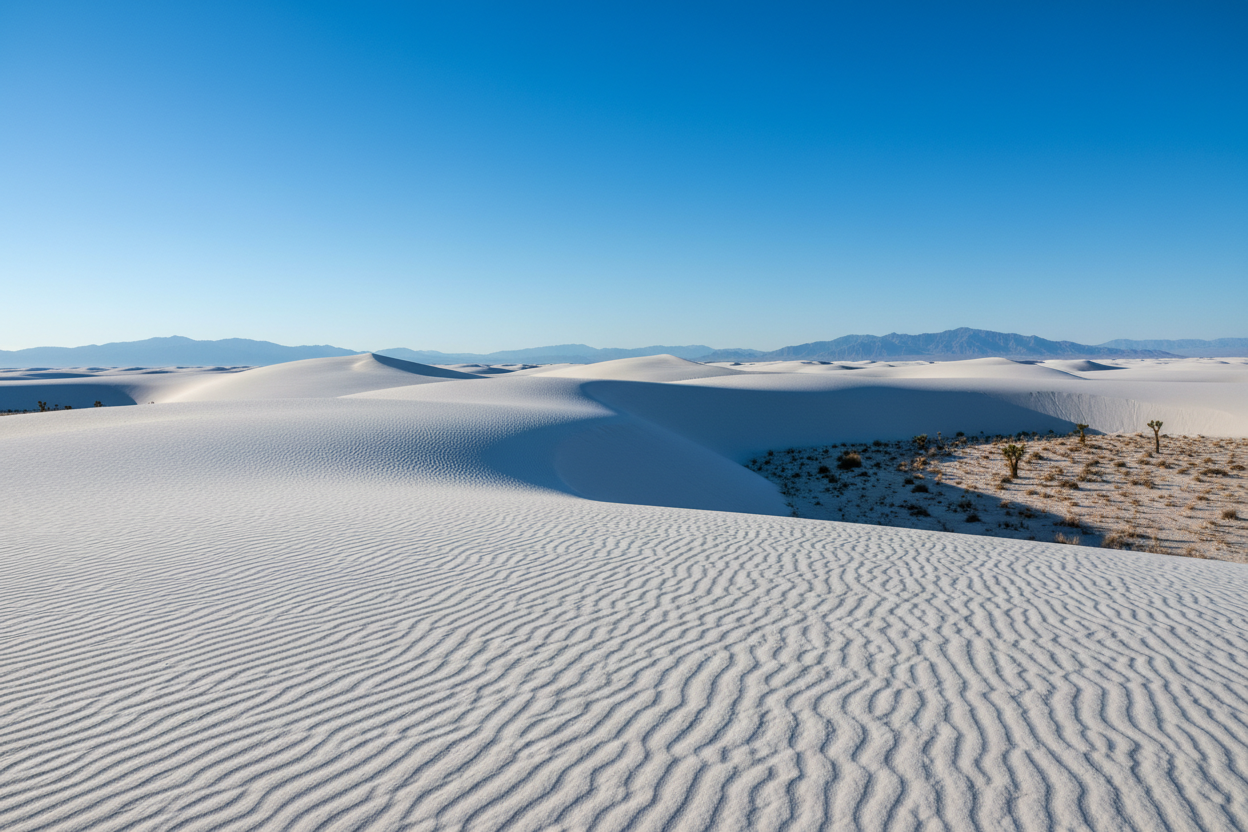
1. Sand Sledding: The Ultimate Desert Adventure
Nothing quite captures the pure joy of White Sands like sand sledding down the towering gypsum dunes. Unlike traditional sand, gypsum stays cool to the touch even under the blazing New Mexican sun, making it perfect for this exhilarating activity. You can purchase sand discs at the visitor center or bring your own plastic saucer.
The best sledding spots are found along the Alkali Flat Trail and the Interdune Boardwalk area. Start with smaller dunes to get the hang of it, then work your way up to the massive formations that can reach heights of 60 feet. Pro tip: wax your sled with the candle provided at the visitor center for maximum speed and smoothness.
2. Sunset Photography at Dunes Drive
White Sands transforms into a photographer’s paradise during the golden hour. The eight-mile Dunes Drive scenic route offers countless opportunities to capture the interplay of light and shadow across the undulating landscape. As the sun begins to set, the white gypsum takes on warm hues of pink, orange, and purple, creating a magical atmosphere that’s impossible to replicate anywhere else on Earth.
The best photography spots include the marked pullouts along Dunes Drive, where you can safely park and explore the surrounding dunes. Remember to bring a tripod for those stunning twilight shots, and don’t forget to look back toward the Organ Mountains for dramatic silhouettes against the colorful sky.
3. Hiking the Alkali Flat Trail
For those seeking a more challenging adventure, the Alkali Flat Trail offers a 5-mile round trip journey deep into the heart of the dune field. This moderately difficult hike takes you through the largest and most pristine dunes in the park, where you’ll feel completely surrounded by an ocean of white sand.
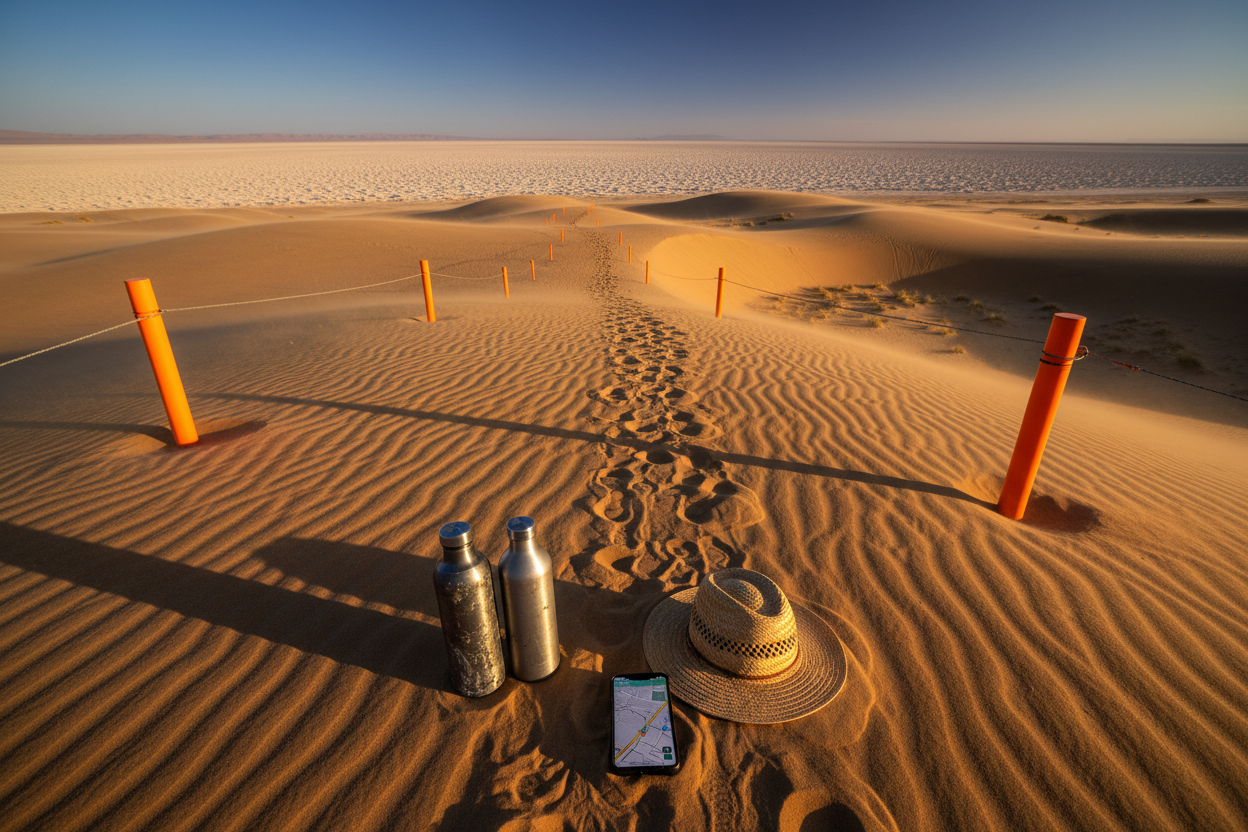
The trail is marked with orange posts, but navigation can be tricky as the dunes constantly shift and change. Bring plenty of water, sun protection, and a GPS device or smartphone with offline maps. The reward for completing this hike is reaching the alkali flat itself, where you can see the ancient lake bed that once covered this entire area.
4. Stargazing in the Dark Sky Sanctuary
White Sands National Park has been designated as a Dark Sky Park, making it one of the premier stargazing destinations in the United States. With minimal light pollution and the reflective white sand providing a natural amphitheater, the night sky here is absolutely spectacular.
The park offers ranger-led astronomy programs during certain times of the year, complete with telescopes and expert guidance. Even without a program, simply lying back on the cool gypsum sand and gazing up at the Milky Way is an experience you’ll never forget. The contrast between the white sand and the star-filled sky creates an otherworldly atmosphere that feels almost magical.
5. Exploring the Interdune Boardwalk
Perfect for visitors of all ages and abilities, the Interdune Boardwalk provides an accessible way to explore the unique ecosystem of White Sands. This 1.2-mile loop trail features elevated walkways and interpretive signs that explain the fascinating adaptations of plants and animals living in this harsh environment.
Along the boardwalk, you’ll discover how species like the bleached earless lizard and the Apache pocket mouse have evolved to survive in the gypsum desert. The trail also offers excellent opportunities for wildlife photography and provides several spots where you can step off the boardwalk to experience the sand up close.
6. Picnicking in the Backcountry
Few experiences compare to enjoying a meal surrounded by towering white dunes. White Sands offers several designated picnic areas, including tables near the visitor center and more secluded spots deeper in the dune field. Backcountry picnicking allows you to find your own perfect spot among the dunes for a truly unique dining experience.
Remember to pack out everything you bring in, as the fragile desert ecosystem is easily damaged. The gypsum sand has a way of getting into everything, so consider bringing a large blanket or tarp to create a clean eating area. Don’t forget to bring extra water, as the desert environment can be surprisingly dehydrating.
7. Full Moon Hikes and Night Programs
During full moon periods, White Sands offers special evening programs that showcase the park’s nocturnal beauty. The bright moonlight illuminates the white sand, creating an ethereal landscape that glows with an almost supernatural light. These ranger-guided programs often include night hikes, astronomy talks, and cultural presentations about the area’s rich history.
The full moon hikes are particularly popular and tend to fill up quickly, so advance reservations are highly recommended. The experience of walking through the moonlit dunes while learning about the park’s natural and cultural history creates memories that last a lifetime.
8. Wildlife Watching and Nature Study
Despite its harsh appearance, White Sands supports a surprising diversity of wildlife that has adapted to life in the gypsum desert. Early morning and late afternoon are the best times for wildlife observation, when temperatures are cooler and animals are more active.
Keep an eye out for the park’s most famous residents, including kit foxes, roadrunners, and various species of lizards that have evolved lighter coloration to blend with the white sand. The park is also home to several rare plant species, such as the four o’clock and the skunkbush sumac, which have developed unique adaptations to survive in the gypsum-rich soil.
9. Backcountry Camping Under the Stars
For the ultimate White Sands experience, consider spending a night camping in the backcountry. The park offers primitive camping opportunities that allow you to fall asleep and wake up surrounded by the pristine dune field. Backcountry camping requires a permit and advance planning, but the experience of having this incredible landscape virtually to yourself is unmatched.
Campers must hike at least one mile from any road and follow Leave No Trace principles to protect the fragile environment. The silence of the desert night, broken only by the occasional call of a coyote or the whisper of wind across the sand, creates a profound sense of connection with the natural world.
10. Learning at the Visitor Center and Museum
Before venturing into the dunes, take time to explore the excellent visitor center and museum. The exhibits provide crucial context about the formation of the gypsum desert, the unique ecosystem it supports, and the cultural history of the area. Interactive displays and educational programs help visitors understand the scientific significance of this remarkable landscape.
The museum also features artifacts from the area’s rich cultural history, including items from the Native American tribes who have called this region home for thousands of years. Rangers are available to answer questions and provide recommendations based on your interests and fitness level.
Planning Your White Sands Adventure
When planning your visit to White Sands National Park, timing is everything. The park is open year-round, but spring and fall offer the most comfortable temperatures for outdoor activities. Summer can be extremely hot, with temperatures often exceeding 100 degrees Fahrenheit, while winter occasionally brings snow to the high desert landscape.
Always check the park’s website before visiting, as Dunes Drive may be closed during military testing at nearby White Sands Missile Range. Bring plenty of water, sun protection, and appropriate footwear, as the gypsum sand can be surprisingly abrasive. Most importantly, come prepared to be amazed by one of America’s most unique and beautiful natural wonders.
Frequently Asked Questions
What makes White Sands National Park unique?
White Sands is home to the world’s largest gypsum dune field, covering 275 square miles. Unlike regular sand, gypsum crystals don’t absorb heat, staying cool even in direct sunlight, making it perfect for activities like sand sledding.
Can you sand sled at White Sands National Park?
Yes, sand sledding is one of the most popular activities at White Sands. You can purchase sand discs at the visitor center or bring your own plastic saucer. The gypsum sand provides excellent sledding conditions year-round.
When is the best time to visit White Sands National Park?
Spring (March-May) and fall (September-November) offer the most comfortable temperatures. Summer can be extremely hot, while winter is mild but can occasionally bring snow. Sunrise and sunset provide the best lighting for photography.
Do I need a permit to visit White Sands National Park?
A regular entrance fee is required for day visits. However, backcountry camping requires a special permit that must be obtained in advance. Full moon programs also require reservations.
Is White Sands National Park safe for children?
Yes, the park is very family-friendly. The Interdune Boardwalk is accessible for all ages, and sand sledding is safe for children. Always supervise kids closely and bring plenty of water and sun protection.
Can the park close unexpectedly?
Yes, Dunes Drive may close temporarily during military testing at the adjacent White Sands Missile Range. These closures are typically announced in advance on the park’s website and social media channels.