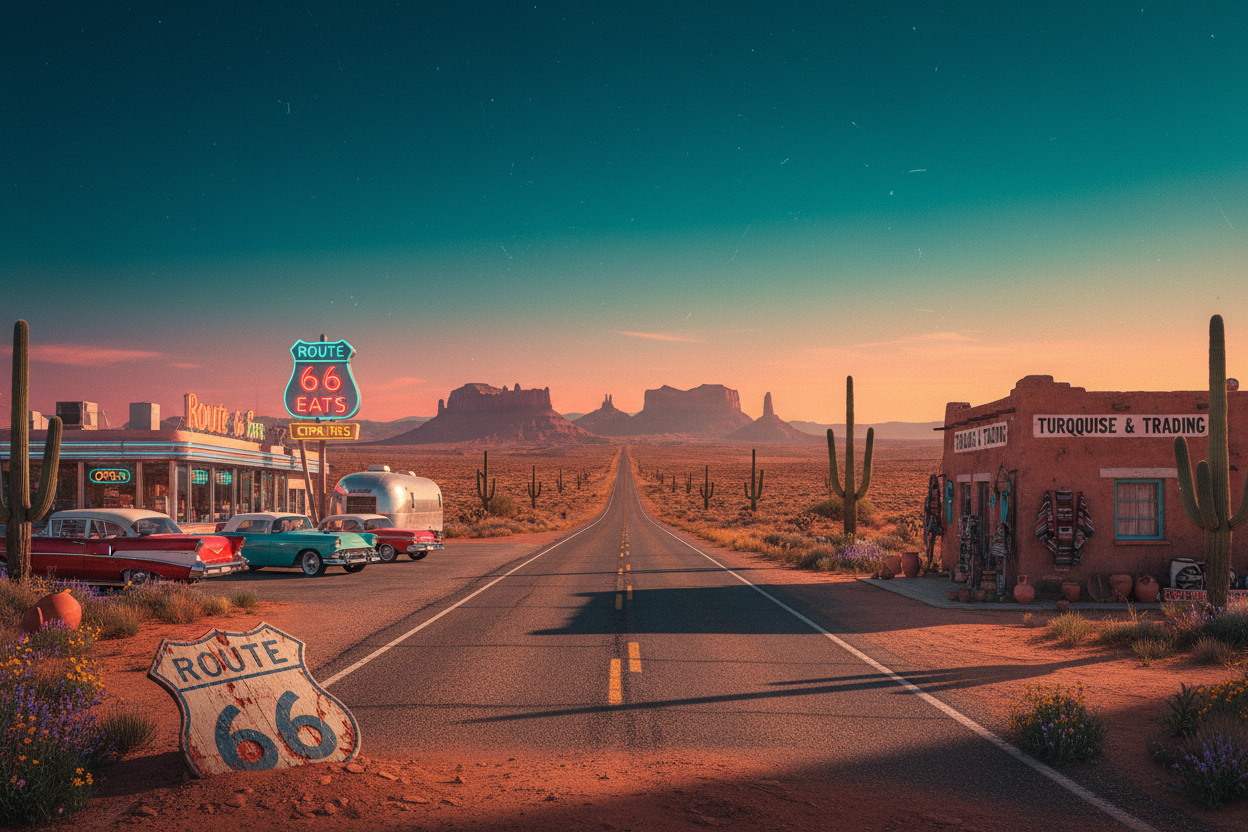
Route 66 Centennial: Complete Guide to New Mexico’s Historic Highway Landmarks
As we celebrate the centennial of America’s most famous highway, there’s no better time to explore the enchanting stretch of Route 66 that winds through New Mexico. The Land of Enchantment offers some of the most spectacular and well-preserved landmarks along the Mother Road, creating an unforgettable journey through time and culture. From vintage neon signs to ancient Native American trading posts, New Mexico’s portion of Route 66 tells stories that span centuries.
This comprehensive guide will take you through the must-see landmarks, hidden gems, and cultural treasures that make New Mexico’s Route 66 experience truly magical. Whether you’re planning your first road trip or you’re a seasoned Route 66 enthusiast, these landmarks offer glimpses into America’s automotive past and the Southwest’s rich heritage.
The Historic Significance of Route 66 in New Mexico
Route 66’s path through New Mexico covers approximately 487 miles, making it the longest stretch of the highway in any single state. Established in 1926, this iconic route connected Chicago to Los Angeles, transforming small New Mexican towns into thriving stops for travelers seeking adventure, opportunity, and the American Dream.
The highway brought unprecedented economic growth to communities like Tucumcari, Santa Rosa, and Gallup. Local entrepreneurs built motor courts, diners, and trading posts that catered to the steady stream of travelers. These establishments became the backbone of many communities, and their vintage architecture and neon signs remain as testaments to Route 66’s golden age.
New Mexico’s unique position along Route 66 also highlights the state’s multicultural heritage. The highway passes through areas rich in Native American history, Spanish colonial influence, and Mexican culture, creating a distinctive Southwestern flavor that sets this stretch apart from other portions of the Mother Road.
Eastern New Mexico Route 66 Landmarks
Tucumcari: The Neon Capital of Route 66
Tucumcari stands as perhaps the most photographed stop along New Mexico’s Route 66, and for good reason. The town’s commitment to preserving its neon heritage has created an outdoor museum of vintage Americana. The famous “Tucumcari Tonite” slogan, which appeared on billboards for hundreds of miles in both directions, promised weary travelers comfortable accommodations and friendly service.
The Blue Swallow Motel, built in 1939, remains one of the most authentic motor courts on Route 66. Its distinctive neon sign and individual garages for each room transport visitors back to the highway’s heyday. The motel has been lovingly restored and continues to welcome guests seeking an authentic Route 66 experience.
Another Tucumcari treasure is the Tee Pee Curios shop, which has been operating since 1944. This Native American trading post features an enormous concrete teepee and offers authentic Southwestern goods, making it a perfect stop for souvenirs and cultural education.
Santa Rosa: The City of Natural Lakes
Santa Rosa earned its nickname as the “City of Natural Lakes” due to the numerous artesian springs and lakes in the area. The town became a crucial stop for Route 66 travelers needing to refuel and refresh. The historic Club Cafe, famous for its “Fat Man” logo and green chile cheeseburgers, served travelers for decades before closing, though its legacy lives on in Route 66 lore.
The Route 66 Auto Museum in Santa Rosa houses an impressive collection of classic cars and Route 66 memorabilia. Visitors can explore vintage automobiles that once traveled the Mother Road and learn about the automotive culture that made the highway famous.
Central New Mexico Route 66 Attractions
Albuquerque: The Duke City’s Route 66 Heritage
Albuquerque’s Central Avenue represents the longest continuous stretch of Route 66 remaining in any city. This 18-mile corridor showcases the evolution of American roadside architecture from the 1930s through the 1960s. The neon signs, motor courts, and diners along Central Avenue create a living timeline of Route 66 history.
The KiMo Theatre, built in 1927, stands as one of Albuquerque’s most distinctive landmarks. This Pueblo Deco masterpiece combines Native American and Art Deco architectural elements, creating a uniquely Southwestern style. The theatre continues to host performances and serves as a cultural anchor for downtown Albuquerque.
The 66 Diner, housed in a restored 1946 Phillips 66 station, offers classic American comfort food in an authentic Route 66 setting. The diner’s vintage decor and traditional menu items provide visitors with a taste of the highway’s dining culture.
Western New Mexico Route 66 Treasures
Gallup: The Indian Capital of the World
Gallup’s designation as the “Indian Capital of the World” reflects its position as a major trading center for Native American arts and crafts. The city’s Route 66 heritage intertwines with its role as a cultural crossroads, where travelers could purchase authentic Native American jewelry, pottery, and textiles.
The El Rancho Hotel, built in 1937, hosted numerous Hollywood stars who came to the area to film Western movies. The hotel’s lobby displays photographs of famous guests like Ronald Reagan, Errol Flynn, and Katherine Hepburn. Today, visitors can stay in rooms named after these legendary stars and experience the glamour of Hollywood’s golden age.
Richardson’s Trading Post, established in 1913, predates Route 66 but became an essential stop for highway travelers. The trading post continues to operate as a working pawn shop and offers one of the largest selections of Native American arts and crafts in the Southwest.
Hidden Gems and Lesser-Known Landmarks
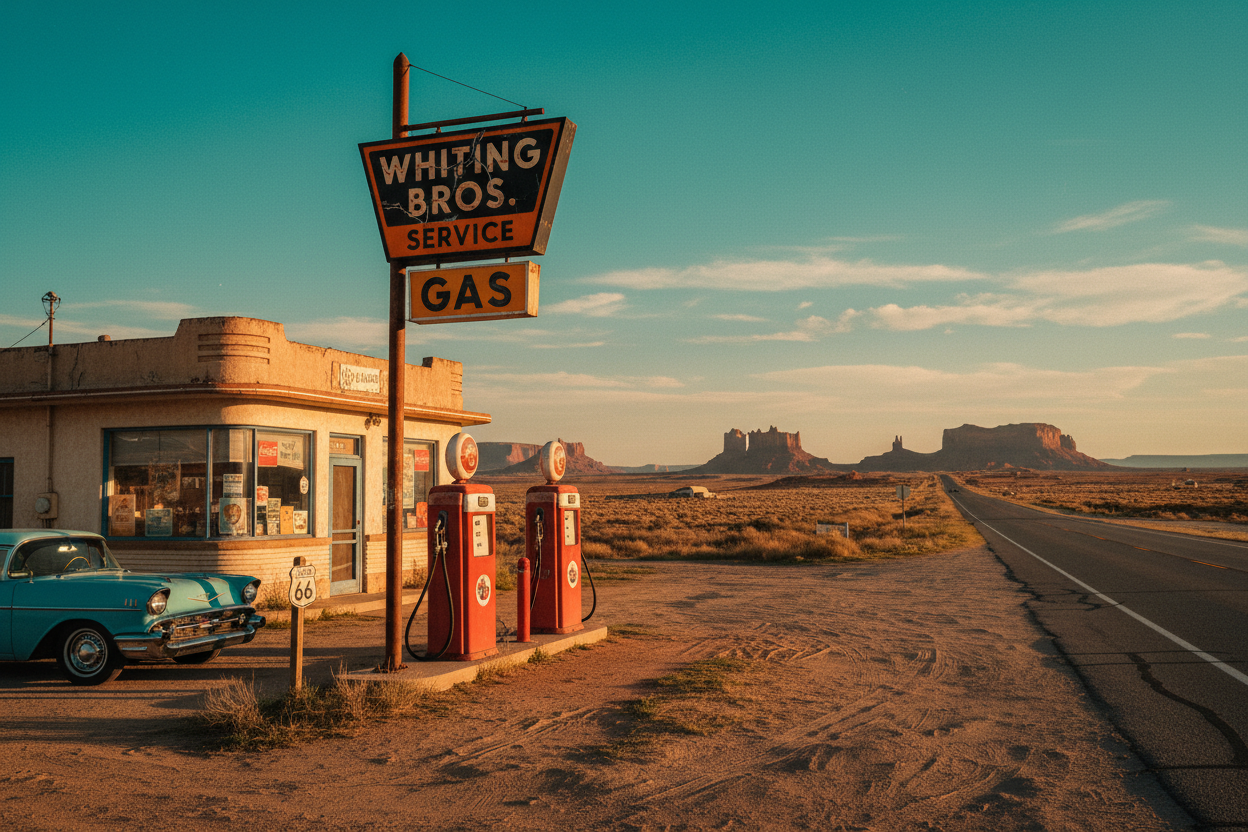
Beyond the famous stops, New Mexico’s Route 66 offers numerous hidden treasures that reward curious travelers. The Whiting Brothers gas stations, once a common sight along the highway, can still be found in various states of preservation throughout the state. These distinctive stations with their orange and black signage represent an important chapter in Route 66’s commercial history.
The Petrified Forest Trading Post near the Arizona border showcases massive petrified wood specimens and offers insight into the geological wonders of the region. This family-owned business has served Route 66 travelers for generations and maintains the personal touch that made highway travel special.
Small communities like Moriarty and Clines Corners developed specifically to serve Route 66 traffic. These towns offer authentic glimpses into how the highway shaped local economies and continue to welcome travelers with small-town hospitality.
Preservation Efforts and Modern Route 66
New Mexico has been at the forefront of Route 66 preservation efforts, recognizing the highway’s importance to both tourism and cultural heritage. The New Mexico Route 66 Association works tirelessly to maintain landmarks, promote responsible tourism, and educate visitors about the highway’s significance.
Many original Route 66 businesses have been restored and continue operating, while others have been converted into museums and cultural centers. This balance between preservation and practical use ensures that future generations can experience the authentic spirit of the Mother Road.
The state’s commitment to maintaining historic signage, protecting vintage architecture, and supporting Route 66-themed businesses has created a sustainable tourism model that benefits local communities while preserving American history.
Planning Your New Mexico Route 66 Adventure
The best way to experience New Mexico’s Route 66 landmarks is to allow plenty of time for exploration and spontaneous discoveries. While the interstate system offers faster travel, the original Route 66 alignment provides the authentic experience that made the highway legendary.
Consider staying in historic motor courts and eating at vintage diners to fully immerse yourself in the Route 66 experience. Many of these establishments offer modern amenities while maintaining their historic character, providing comfort without sacrificing authenticity.
Photography enthusiasts will find endless opportunities along New Mexico’s Route 66, from neon signs at twilight to desert landscapes that stretch to distant mesas. The golden hour light in New Mexico creates particularly stunning conditions for capturing the romance of the open road.
Conclusion
New Mexico’s Route 66 landmarks represent more than just roadside attractions; they embody the dreams, struggles, and triumphs of generations of Americans who traveled the Mother Road. As we celebrate Route 66’s centennial, these preserved treasures remind us of the highway’s role in shaping American culture and connecting diverse communities across the Southwest.
From Tucumcari’s glowing neon to Gallup’s Native American heritage, each landmark tells a unique story while contributing to the larger narrative of American mobility and freedom. By visiting and supporting these historic sites, travelers become part of Route 66’s ongoing story and help ensure its preservation for future generations.
Whether you’re drawn by nostalgia for a simpler time, fascination with American history, or simply the call of the open road, New Mexico’s Route 66 landmarks offer experiences that will create lasting memories and deeper appreciation for this iconic highway’s enduring legacy.
Frequently Asked Questions
Q: How long does it take to drive Route 66 through New Mexico?
A: Driving straight through takes about 8-10 hours, but most travelers spend 3-5 days to properly explore the landmarks and attractions along the way.
Q: What is the best time of year to visit Route 66 in New Mexico?
A: Spring (April-May) and fall (September-October) offer the most pleasant weather. Summer can be hot, while winter may bring snow to higher elevations.
Q: Are the historic motor courts still operational?
A: Yes, several historic motor courts like the Blue Swallow Motel in Tucumcari and El Rancho Hotel in Gallup continue to welcome guests with modern amenities.
Q: Can I still drive the original Route 66 alignment in New Mexico?
A: Much of the original alignment is still drivable, though some sections have been replaced by interstate highways. Historic Route 66 signs mark the original route.
Q: What should I bring for a Route 66 road trip in New Mexico?
A: Pack sunscreen, water, a camera, comfortable walking shoes, and a paper map as backup. Don’t forget cash for small businesses that may not accept cards.
Q: Are there guided tours available for Route 66 landmarks in New Mexico?
A: While most exploration is self-guided, some cities offer walking tours of their Route 66 districts, and several tour companies provide multi-day Route 66 experiences.