Manhattan Lifestyle vs. Reality: Debunking Common Myths About Living in NYC’s Most Famous Borough
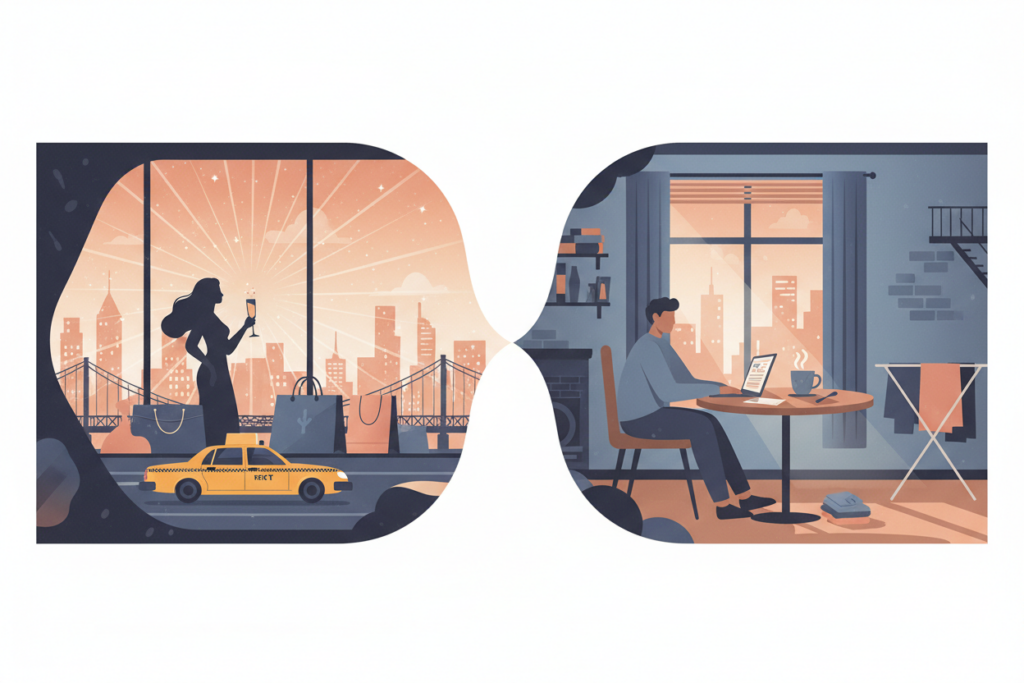
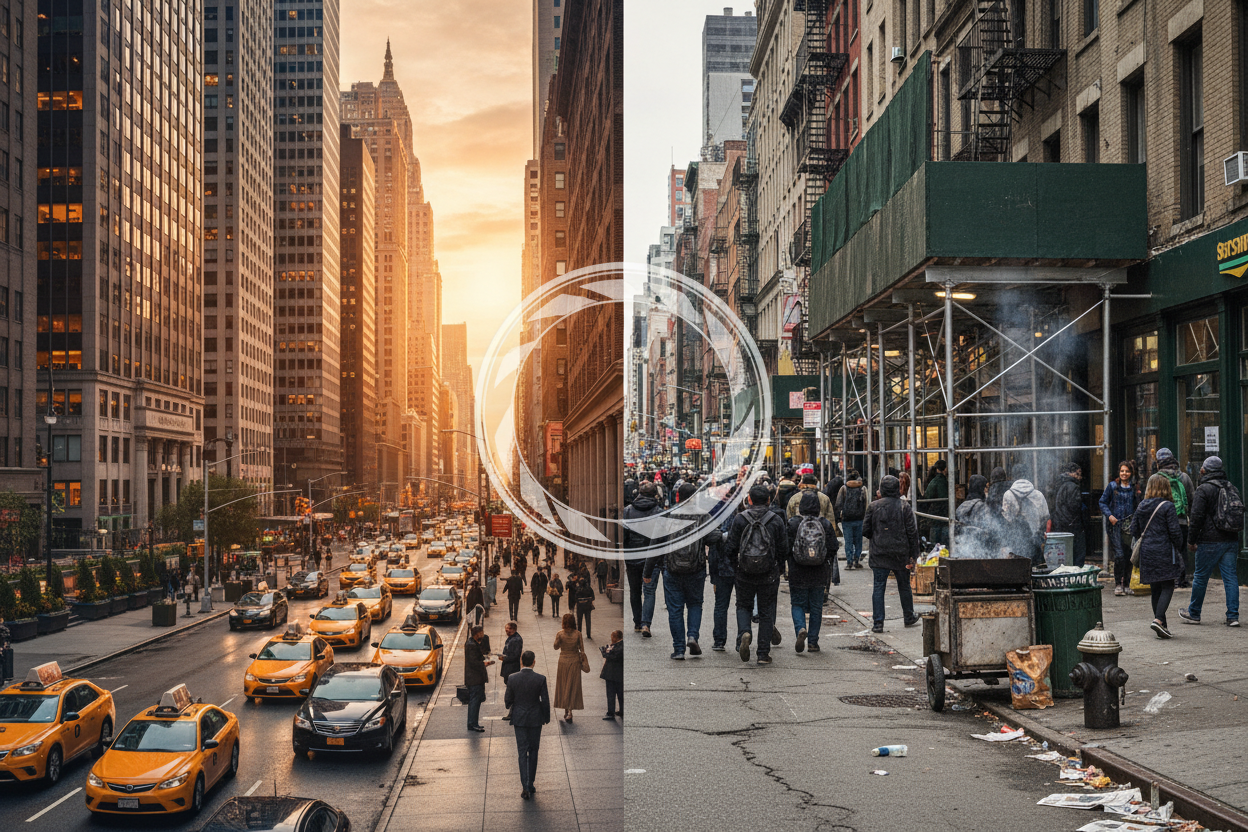
Manhattan. The very name conjures up images of towering skyscrapers, yellow taxis weaving through bustling streets, and glamorous professionals sipping cocktails at rooftop bars. Thanks to countless movies, TV shows, and social media posts, Manhattan has become synonymous with the ultimate urban lifestyle. But how much of what we see and hear about life in the Big Apple’s most famous borough is actually true?
As someone who’s spent considerable time exploring the real Manhattan beyond the Hollywood facade, I can tell you that the reality is far more nuanced than the myths suggest. While Manhattan certainly has its magic, it’s also a place where real people live real lives – complete with grocery shopping, laundry days, and budget concerns just like anywhere else.
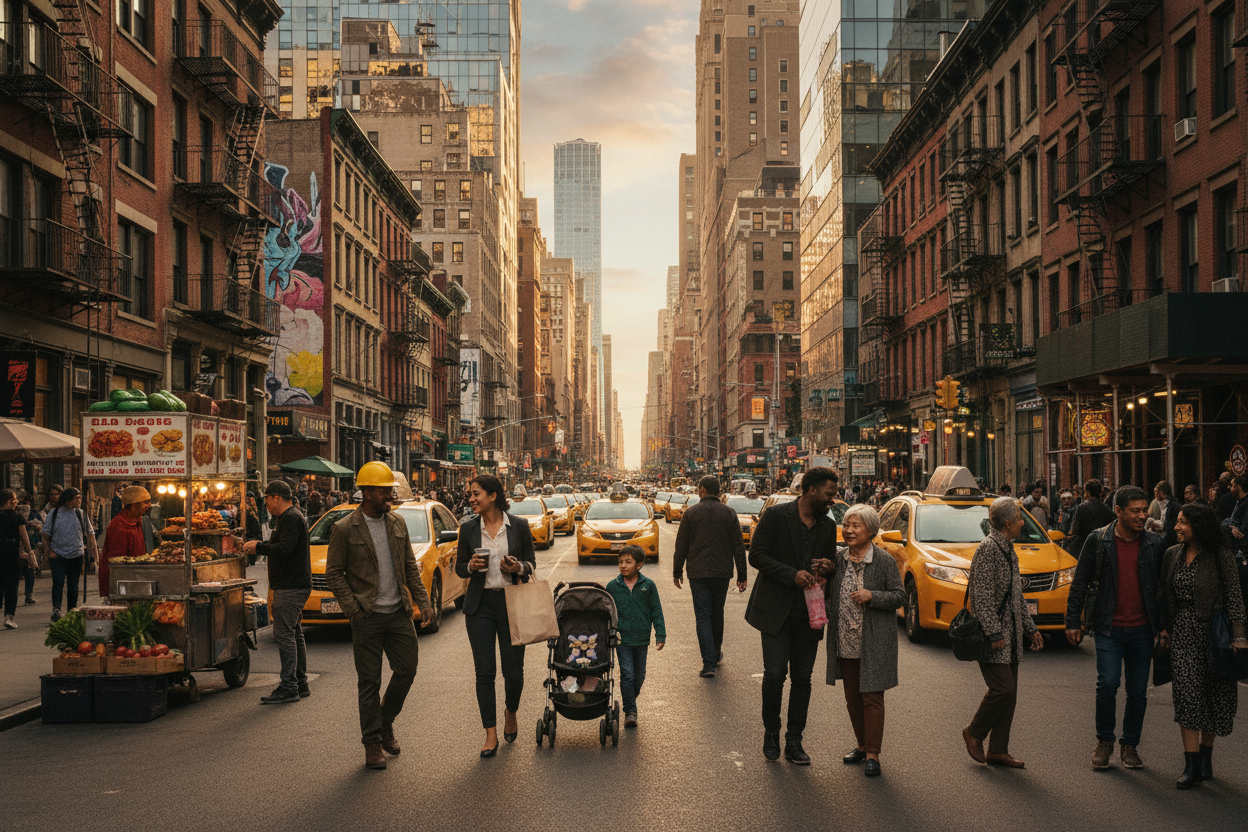
Let’s dive deep into the most persistent Manhattan myths and uncover what life is really like in this iconic borough.
Myth 1: Everyone in Manhattan Lives in Spacious, Designer Apartments
Perhaps no myth is more pervasive than the idea that Manhattan residents all live in sprawling apartments with exposed brick walls, floor-to-ceiling windows, and enough space for both a home office and a walk-in closet. Television shows have been particularly guilty of perpetuating this fantasy, showing characters with seemingly modest jobs living in apartments that would cost a fortune in real life.
The reality is starkly different. Most Manhattan apartments are significantly smaller than what you’d find in other parts of the country. A typical one-bedroom apartment in Manhattan ranges from 500 to 750 square feet, and many residents make do with even less space. Studio apartments, often called “efficiency” apartments, can be as small as 300 square feet.
New Yorkers have become masters of maximizing small spaces. You’ll find Murphy beds, loft beds, and furniture that serves multiple purposes in nearly every Manhattan home. That gorgeous exposed brick wall? It might be hiding behind a strategically placed bookshelf that also serves as a room divider.
The truth is that space is at such a premium that many Manhattan residents pay premium prices for what would be considered cramped quarters elsewhere. But here’s what the myths don’t tell you: many residents wouldn’t trade their small Manhattan apartment for a larger place in the suburbs because of everything else the location offers.
Myth 2: Manhattan Living Costs Are Impossibly High for Average People
While it’s true that Manhattan is one of the most expensive places to live in the United States, the myth that only millionaires can afford to live there simply isn’t accurate. Yes, housing costs are substantial, but millions of people with regular jobs call Manhattan home.
The key lies in understanding how Manhattan residents adapt their lifestyles and priorities. Many people share apartments with roommates well into their thirties and beyond. Others choose to live in older buildings without luxury amenities in exchange for more affordable rent. Some opt for apartments in less trendy neighborhoods that are still well-connected by public transportation.
Manhattan residents also tend to spend their money differently than people in other areas. Car ownership is rare, which eliminates car payments, insurance, gas, and parking costs that can easily add up to $500-800 per month elsewhere. Many residents walk or bike to work, saving on commuting costs. The abundance of free and low-cost entertainment options means you don’t need a large entertainment budget to enjoy yourself.
Additionally, salaries in Manhattan are often higher to compensate for the increased cost of living. Many industries, from finance to media to technology, pay premium wages for Manhattan-based positions.
Myth 3: Manhattan is All Skyscrapers and Concrete Jungle
The image of Manhattan as an endless concrete jungle devoid of green space is one of the most persistent myths about the borough. While Manhattan is certainly urban and densely built, it’s far from being just concrete and steel.
Central Park alone covers 843 acres in the heart of Manhattan, providing residents with vast green spaces, walking trails, lakes, and recreational facilities. But Central Park is just the beginning. Manhattan is home to numerous smaller parks and green spaces, including Washington Square Park, Bryant Park, Madison Square Park, and the High Line – an innovative elevated park built on former railway tracks.
Many Manhattan neighborhoods also feature tree-lined streets, particularly in areas like the Upper East Side, Upper West Side, and Greenwich Village. The borough has made significant investments in urban greenery, with new pocket parks, rooftop gardens, and green initiatives appearing regularly.
Beyond parks, Manhattan offers easy access to waterfront areas along the Hudson and East rivers, complete with walking and biking paths, recreational piers, and stunning views. The contrast between urban architecture and natural elements creates a unique environment that many residents find more appealing than purely suburban or rural settings.
Myth 4: Everyone in Manhattan Has a Glamorous, High-Powered Career
Movies and television love to portray Manhattan as populated exclusively by lawyers, investment bankers, fashion executives, and media moguls. While Manhattan certainly hosts many high-profile industries, the reality is that the borough’s workforce is incredibly diverse.
Manhattan is home to teachers, nurses, restaurant workers, retail employees, artists, freelancers, small business owners, and people in countless other professions. The service industry alone employs hundreds of thousands of people who keep the borough running – from the barista who makes your morning coffee to the doorman who greets you at your building.
Many Manhattan residents work multiple jobs or have non-traditional career paths. The gig economy thrives here, with people combining freelance work, part-time positions, and entrepreneurial ventures to make a living. The diversity of opportunities means that people can often piece together interesting and fulfilling careers that might not be possible in smaller markets.
What’s particularly interesting about Manhattan’s job market is how it enables career mobility and networking in ways that smaller cities often cannot. The concentration of industries and professionals creates opportunities for career advancement and industry connections that can be invaluable for professional growth.
Myth 5: Manhattan Social Life Revolves Around Expensive Restaurants and Exclusive Clubs
The myth of Manhattan social life often centers around expensive dinners at trendy restaurants, exclusive rooftop parties, and members-only clubs. While these options certainly exist, they represent only a small fraction of how most Manhattan residents actually socialize.
The reality is that Manhattan offers an incredible variety of affordable and free social activities. The borough hosts numerous free outdoor concerts, festivals, and cultural events throughout the year. Museums often have suggested donation policies or free hours for residents. Comedy shows, poetry readings, and live music performances happen nightly at venues with minimal cover charges.
Many Manhattan residents socialize in more casual settings – grabbing drinks at neighborhood bars, meeting friends for coffee, attending free gallery openings, or simply gathering in parks for picnics. The density of the population means that there’s always something happening, and much of it is accessible regardless of your budget.
Food culture in Manhattan is particularly democratic. While high-end restaurants get the media attention, the borough is also home to incredible affordable dining options, from food trucks and delis to ethnic restaurants serving authentic cuisine at reasonable prices. Many residents become connoisseurs of their neighborhood’s hidden gems rather than frequenting expensive establishments.
Myth 6: Manhattan Residents Are Cold, Unfriendly, and Always in a Rush
Perhaps one of the most damaging myths about Manhattan is that its residents are inherently unfriendly, cold, or too busy to connect with others. This stereotype likely stems from the fast-paced nature of the city and the fact that people often appear focused and purposeful as they navigate their daily routines.
The truth is quite different. Manhattan residents often develop strong community bonds within their neighborhoods, buildings, and social circles. The shared experience of navigating city life creates common ground and mutual understanding among residents.
New Yorkers have a reputation for being direct and efficient in their communication, which can be misinterpreted as rudeness by those unfamiliar with the culture. However, this directness often comes with a willingness to help when someone genuinely needs assistance. Ask a Manhattan resident for directions, and you’re likely to get detailed, helpful information.
The density of Manhattan actually facilitates social connections in unique ways. Regular interactions with neighbors, local business owners, and community members create familiarity and relationships that develop over time. Many Manhattan residents report feeling more connected to their immediate community than they did in less dense living situations.
The Reality: Manhattan Life is Complex and Varied
The truth about Manhattan living is that it’s far more complex and varied than any single myth or stereotype can capture. Like any place where millions of people live and work, Manhattan encompasses a wide range of experiences, lifestyles, and economic situations.
What makes Manhattan unique isn’t the glamour or the expense – it’s the incredible concentration of opportunities, diversity, and energy. Residents often accept trade-offs like smaller living spaces or higher costs because of the access Manhattan provides to culture, career opportunities, and experiences that would be difficult to find elsewhere.
Manhattan residents tend to be resourceful, adaptable, and creative in how they navigate daily life. They’ve learned to find joy and fulfillment within the constraints and opportunities that city living provides. For many, the vibrancy and possibility that Manhattan offers outweigh the challenges.
Conclusion: Embracing Manhattan’s Real Appeal
Debunking these myths isn’t meant to diminish Manhattan’s appeal – quite the opposite. Understanding the reality of Manhattan living helps us appreciate what actually makes this borough special. It’s not the fantasy version we see in movies, but rather the real community of diverse, resilient, and creative people who have chosen to make their lives in one of the world’s most dynamic urban environments.
Manhattan’s true magic lies not in impossible luxury or constant glamour, but in the daily reality of a place where millions of people from all walks of life come together to create something unique and vital. Whether you’re considering a move to Manhattan or simply curious about life there, understanding these realities provides a much more accurate and ultimately more interesting picture than any myth ever could.
The next time you see Manhattan portrayed in media, remember that behind every skyscraper and busy street corner are real people living real lives – and that reality is far more fascinating than any fiction.