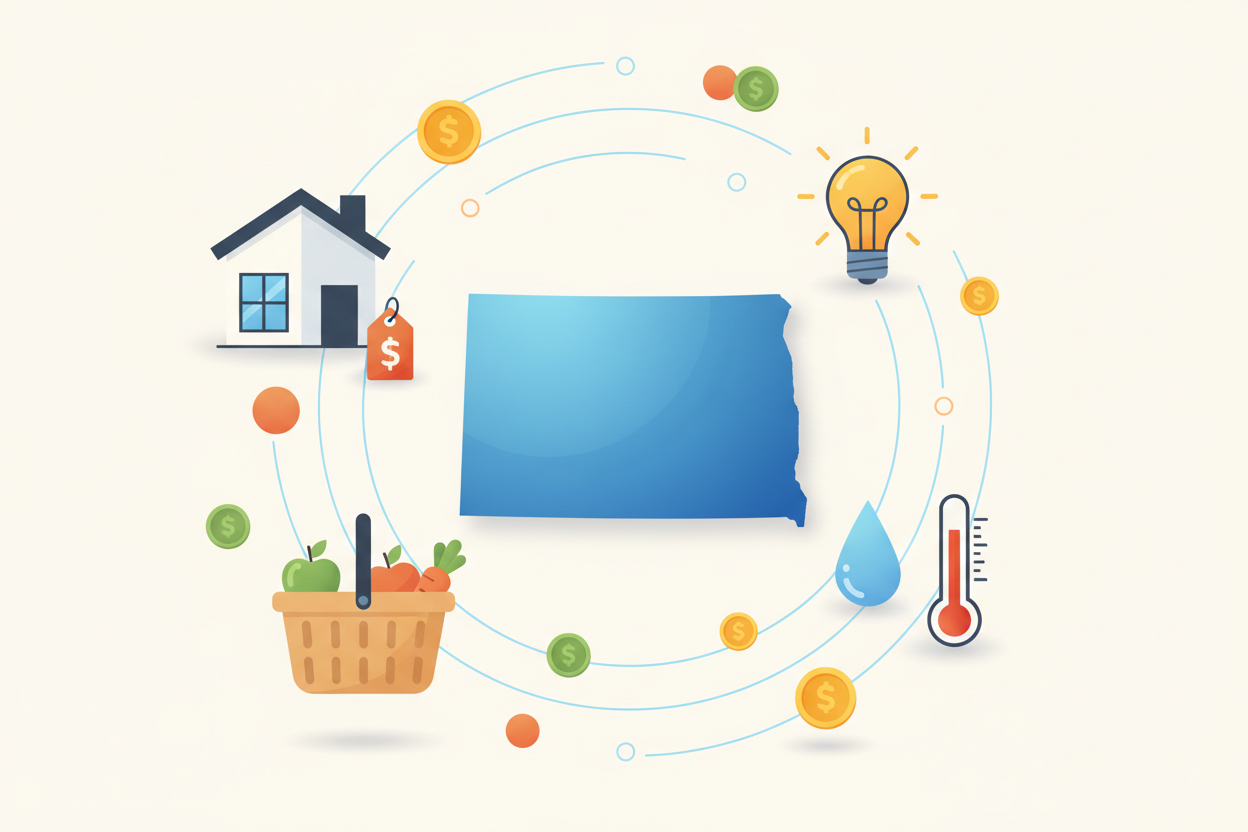
North Dakota Cost of Living: Breaking Down Housing, Food, and Utilities
When people think about affordable places to live in America, North Dakota might not immediately spring to mind. However, this northern state offers a surprisingly attractive cost of living that’s been drawing attention from families, young professionals, and retirees alike. Whether you’re considering a move to the Peace Garden State or simply curious about how your current expenses stack up, understanding North Dakota’s cost breakdown can provide valuable insights into one of America’s most budget-friendly destinations.
The reality is that North Dakota consistently ranks among the most affordable states in the nation, with living costs significantly below the national average. But what does that actually mean for your wallet? Let’s dive deep into the numbers and explore how housing, food, and utilities contribute to North Dakota’s reputation as an economical place to call home.
Overview of North Dakota’s Cost of Living
North Dakota’s overall cost of living index sits approximately 8-12% below the national average, making it one of the top ten most affordable states in the country. This translates to real savings for residents across virtually every category of expenses, from housing to healthcare to transportation.
The state’s economic landscape has been shaped significantly by the oil boom in the Bakken region, which brought both opportunities and challenges. While some areas experienced temporary price increases during peak oil production years, the overall trend has remained favorable for residents seeking affordable living options.

What makes North Dakota particularly attractive is the combination of low costs and decent wages in many sectors. The state’s unemployment rate consistently stays below national averages, and many industries offer competitive salaries that stretch further due to the lower cost structure.
Housing Costs in North Dakota
Housing represents the largest expense for most households, and North Dakota delivers impressive affordability in this crucial category. The median home price in North Dakota hovers around $220,000 to $250,000, which is substantially lower than the national median of approximately $400,000.
For renters, the numbers are equally encouraging. A typical one-bedroom apartment in North Dakota ranges from $500 to $700 per month, while two-bedroom units generally fall between $650 and $950 monthly. These figures can vary significantly between urban centers like Fargo and Bismarck versus smaller rural communities, where housing costs drop even further.
The rental market in North Dakota offers particular value in mid-sized cities. Fargo, the state’s largest city, provides urban amenities while maintaining housing costs well below what you’d find in comparable cities in other states. A family can secure a comfortable three-bedroom home for rent in the $1,000 to $1,400 range in most desirable neighborhoods.
Property taxes in North Dakota are another bright spot for homeowners. The effective property tax rate averages around 1.04%, which is notably lower than many states. This means that even as property values have appreciated in recent years, the ongoing tax burden remains manageable for most homeowners.
First-time homebuyers will find North Dakota particularly welcoming, with various state programs designed to assist with down payments and closing costs. The North Dakota Housing Finance Agency offers several programs that can make homeownership accessible even for those with modest incomes.
Food and Grocery Expenses
When it comes to putting food on the table, North Dakota residents enjoy costs that run approximately 5-8% below national averages. This might not sound dramatic, but it adds up to meaningful savings over time, especially for larger families.
Grocery shopping in North Dakota benefits from the state’s agricultural abundance. Fresh produce, dairy products, and meat often cost less than in many other regions, partly due to shorter transportation distances from farm to table. A typical family of four can expect to spend between $600 and $800 monthly on groceries, depending on their shopping habits and preferences.
Local farmers’ markets and community-supported agriculture programs provide additional opportunities for fresh, affordable produce during the growing season. Many North Dakota residents take advantage of these options, which can reduce grocery bills while supporting local agriculture.
Restaurant dining also offers good value in North Dakota. A typical dinner for two at a mid-range restaurant runs between $40 and $60, while casual dining options provide satisfying meals for $8 to $15 per person. The state’s restaurant scene has grown considerably in recent years, particularly in larger cities, offering diverse options without the premium pricing found in major metropolitan areas.
Fast food and chain restaurant prices generally align with national averages, but local establishments often provide better value and larger portions. Many North Dakota restaurants pride themselves on generous servings that can easily provide leftovers for the next day’s lunch.
Utility Costs and Energy Expenses
Utility costs in North Dakota present a mixed picture that heavily depends on the season and your specific location within the state. The average monthly utility bill for a standard apartment ranges from $100 to $150, which includes electricity, heating, cooling, water, and garbage services.
Electricity rates in North Dakota are notably competitive, averaging around $0.10 to $0.12 per kilowatt-hour. This is primarily due to the state’s abundant energy resources, including coal, natural gas, and increasingly, wind power. North Dakota has become a leader in wind energy production, which has helped stabilize electricity costs for consumers.
Heating costs represent the biggest utility challenge for North Dakota residents, given the state’s harsh winters. Natural gas heating, which is common throughout the state, typically costs between $80 and $150 per month during peak winter months. However, many homes are well-insulated, and newer construction often incorporates energy-efficient features that help manage these costs.
Water and sewer services are generally affordable, with most residents paying between $30 and $50 monthly for these utilities. Waste management services typically add another $15 to $25 to monthly bills, though some rural areas may require private waste disposal arrangements.
Internet and cable services in North Dakota have improved significantly in recent years, with high-speed internet available in most areas for $40 to $80 monthly. Many providers offer competitive packages that bundle internet, television, and phone services, which can provide additional savings for households that want comprehensive connectivity.
Transportation and Other Living Expenses
Transportation costs in North Dakota are generally lower than national averages, primarily due to affordable gasoline prices and lower vehicle registration fees. Gas prices typically run $0.10 to $0.20 below national averages, providing ongoing savings for daily commuters and road trip enthusiasts alike.
Public transportation options are limited in most of North Dakota, making car ownership nearly essential for most residents. However, the lower costs of fuel, insurance, and vehicle registration help offset this necessity. Auto insurance rates in North Dakota are among the lowest in the nation, with average annual premiums ranging from $800 to $1,200 for full coverage.
Healthcare costs in North Dakota generally track below national averages, though the exact savings depend on your insurance situation and specific healthcare needs. The state has worked to expand healthcare access in rural areas, and many communities benefit from regional medical centers that provide quality care without big-city pricing.
Childcare represents one area where North Dakota’s costs align more closely with national averages. Full-time daycare for an infant typically costs between $600 and $900 monthly, while after-school care for older children runs $200 to $400 per month. However, many communities offer cooperative childcare options and family daycare providers that can reduce these expenses.
Regional Variations Within North Dakota
It’s important to recognize that North Dakota’s cost of living varies considerably between different regions and communities. The Bakken oil region in the western part of the state experienced significant cost increases during the oil boom years, though prices have moderated as the industry stabilized.
Fargo, as the state’s largest city, offers the highest costs but also the most amenities and job opportunities. Bismarck, the capital city, provides a middle ground with reasonable costs and good access to government employment. Smaller communities throughout the state often offer the lowest living costs but may have fewer employment options and amenities.
Rural areas of North Dakota can provide exceptionally affordable living, with housing costs that seem almost unbelievable to residents of coastal states. However, rural living often requires longer commutes to employment centers and may involve trade-offs in terms of shopping, dining, and entertainment options.
Conclusion
North Dakota’s cost of living advantage is real and substantial, offering residents the opportunity to stretch their dollars further while enjoying a quality of life that includes safe communities, outdoor recreation opportunities, and strong local economies. The combination of affordable housing, reasonable food costs, and competitive utility rates creates a financial environment where families can build savings and achieve their goals more easily than in many other states.
While the state’s harsh winters and rural character aren’t for everyone, those who embrace North Dakota’s lifestyle often find that the financial benefits more than compensate for any challenges. Whether you’re a young professional starting your career, a family looking to maximize your housing budget, or a retiree seeking to make your savings last longer, North Dakota deserves serious consideration as an affordable place to call home.
The key to success in North Dakota is understanding that lower costs don’t mean lower quality of life. Instead, they represent an opportunity to live well while building financial security for the future.
Frequently Asked Questions
Q: How does North Dakota’s cost of living compare to neighboring states?
A: North Dakota generally offers lower costs than Minnesota and similar or slightly higher costs than South Dakota and Montana. The state typically ranks in the top 10 most affordable states nationally.
Q: Are there any hidden costs of living in North Dakota that people should know about?
A: The main additional costs include higher heating bills during harsh winters and the necessity of owning a reliable vehicle due to limited public transportation. Winter clothing and vehicle maintenance can also add to expenses.
Q: Which cities in North Dakota offer the best value for cost of living?
A: Fargo offers the best balance of amenities and affordability for larger cities, while smaller communities like Grand Forks, Minot, and Jamestown provide excellent value with lower costs and decent job markets.
Q: How much money should someone have saved before moving to North Dakota?
A: A good rule of thumb is having 3-6 months of expenses saved, which in North Dakota might be $6,000 to $12,000 for a single person or $12,000 to $20,000 for a family, depending on your lifestyle and housing choices.
Q: Is it cheaper to rent or buy in North Dakota?
A: With low home prices and competitive mortgage rates, buying often becomes cost-effective within 3-5 years for most residents. However, renting provides flexibility and lower upfront costs, making it attractive for newcomers or those uncertain about long-term plans.