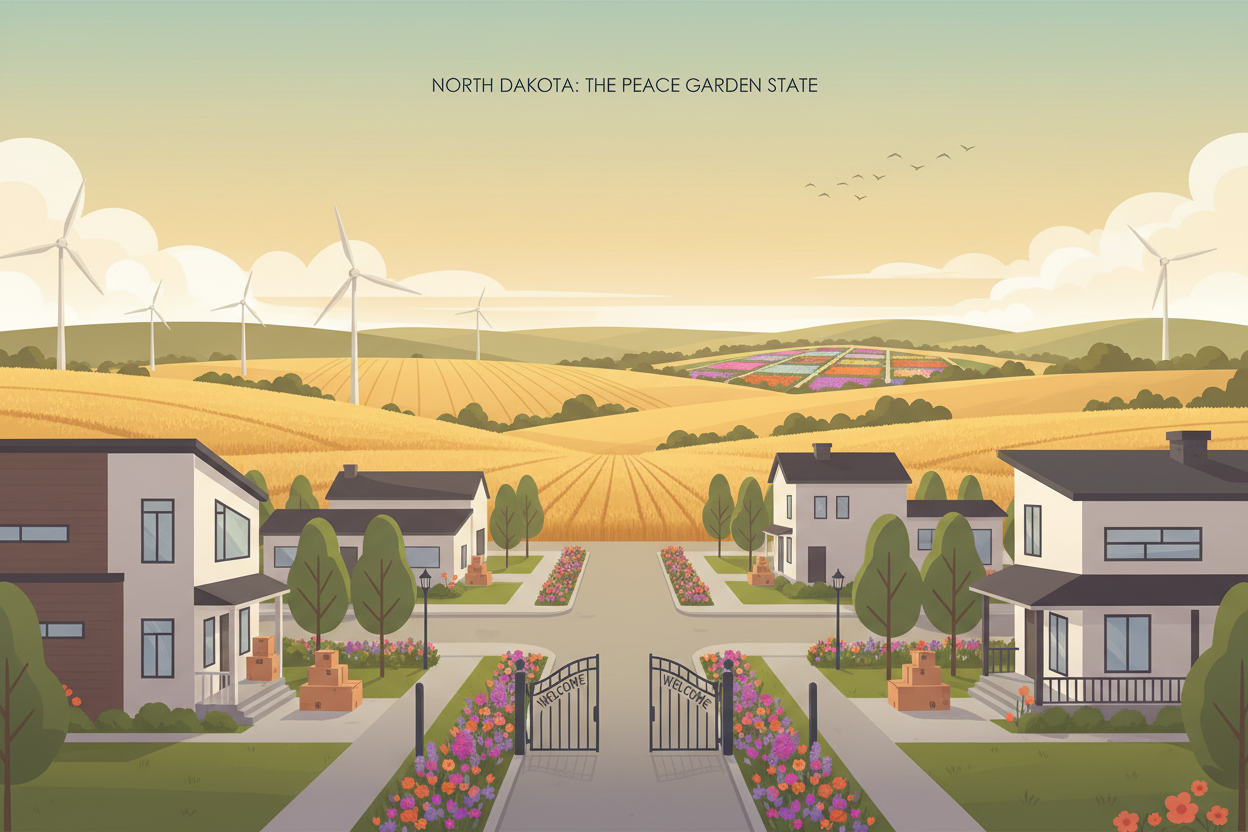
Find the Good Life in North Dakota: Why People Are Moving to the Peace Garden State
When most people think about their dream destination for relocation, North Dakota might not immediately spring to mind. But here’s the thing – thousands of Americans are discovering what locals have known all along: the Peace Garden State offers something increasingly rare in today’s fast-paced world. It’s a place where your dollar stretches further, your commute is measured in minutes rather than hours, and your neighbors still wave when they see you.
The numbers tell a compelling story. While coastal states grapple with population exodus due to rising costs, North Dakota has quietly become one of America’s hidden gems for those seeking a better quality of life. From young professionals launching their careers to retirees looking to make their savings last, people from all walks of life are finding their slice of the American Dream in the northern plains.
The Economic Advantage That’s Hard to Ignore
Let’s talk money – because that’s often what makes the biggest difference in our daily lives. North Dakota consistently ranks among the top states for economic opportunity, and it’s not just about the oil boom anymore. The state has diversified its economy in remarkable ways, creating a stable foundation that supports long-term growth.
The unemployment rate here regularly sits well below the national average, often hovering around 2-3%. That means if you want to work, you can find work. And we’re not talking about just any jobs – we’re talking about careers that pay well and offer real advancement opportunities. The median household income in North Dakota has been climbing steadily, outpacing many traditionally wealthy states.
But here’s where it gets really interesting: your money goes significantly further here. The cost of living index in North Dakota is notably lower than the national average. What would cost you $100 in New York or California might only cost you $85-90 in North Dakota. That difference adds up quickly when you’re talking about housing, groceries, utilities, and everyday expenses.
Housing Market: Where Dreams Become Affordable Reality
Remember when homeownership felt achievable? In North Dakota, it still is. The median home price here remains refreshingly reasonable compared to national averages, and first-time homebuyers aren’t competing with cash offers from investors or corporations.
Take Fargo, for instance – the state’s largest city. You can still find beautiful, well-maintained homes in great neighborhoods for prices that would barely buy you a studio apartment in San Francisco or New York. Young families are discovering they can afford not just a home, but a home with a yard, a garage, and room to grow.
The rental market is equally appealing for those not ready to buy. Apartment hunting doesn’t require camping out overnight or offering six months’ rent upfront. You can actually take your time, visit multiple properties, and make a decision without the pressure-cooker atmosphere that defines housing markets in more expensive areas.
Property taxes remain reasonable too, which means homeownership stays affordable long after you’ve signed the mortgage papers. Many new residents are pleasantly surprised to discover their total monthly housing costs – including taxes, insurance, and utilities – are less than what they were paying just for rent in their previous state.
Career Opportunities Beyond the Oil Fields
While North Dakota’s energy sector grabbed headlines and attracted workers during the oil boom, the state’s economy has evolved into something much more diverse and stable. Today’s job seekers find opportunities across multiple industries that offer both immediate employment and long-term career growth.
The healthcare sector is booming, with hospitals and medical facilities actively recruiting nurses, technicians, administrators, and specialists. Technology companies are establishing operations here, drawn by the lower costs and quality workforce. Agriculture remains a cornerstone of the economy, but it’s high-tech agriculture now – precision farming, agricultural technology, and food processing create jobs for everyone from engineers to marketing professionals.
Financial services, education, and government sectors provide stable employment with excellent benefits. Many companies offer comprehensive packages that include health insurance, retirement contributions, and paid time off that rivals or exceeds what you’d find in more expensive markets.
Perhaps most importantly, North Dakota’s business-friendly environment means entrepreneurial opportunities abound. Starting a business here doesn’t require navigating through layers of red tape or competing for limited commercial space at premium prices. The state actively supports small business development with resources, incentives, and a regulatory environment that helps rather than hinders growth.
Quality of Life That Money Can’t Always Buy
There’s something to be said for being able to get anywhere in your city within 20 minutes. Rush hour in most North Dakota communities means you might hit two red lights instead of one. Compare that to spending two hours daily in bumper-to-bumper traffic, and you start to understand why people are making the move.
The outdoor recreation opportunities are exceptional year-round. Summer brings hiking, fishing, boating, and festivals under endless prairie skies. Winter transforms the landscape into a playground for skiing, snowmobiling, ice fishing, and other cold-weather activities. The state parks system is well-maintained and accessible, offering everything from primitive camping to modern facilities.
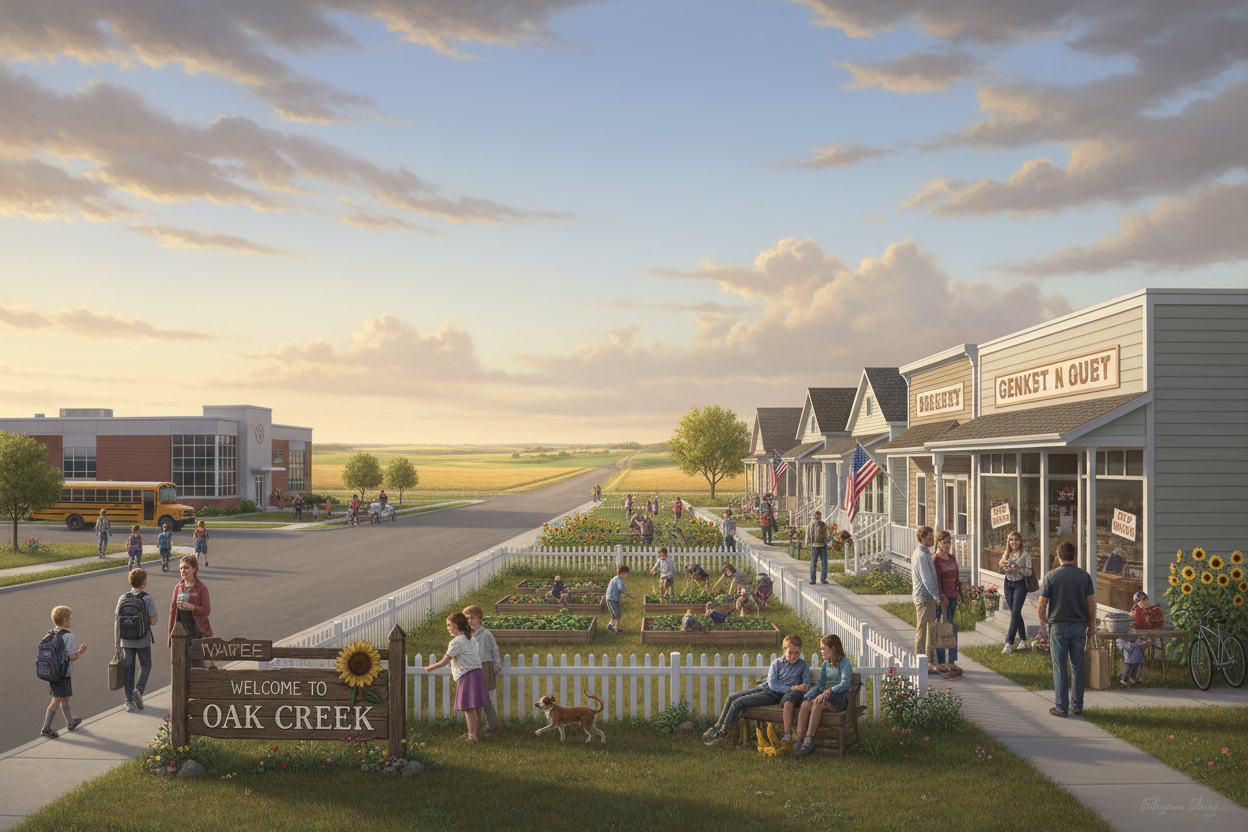
Safety is another factor that draws families to North Dakota. Crime rates are consistently among the lowest in the nation. Children can ride their bikes around the neighborhood, and parents don’t worry about them playing outside until the streetlights come on. It’s the kind of childhood many adults remember fondly but thought was no longer possible in modern America.
The sense of community here is genuine. Neighbors help neighbors, local businesses know their customers by name, and community events bring people together across all demographics. It’s not unusual for newcomers to report making more meaningful connections in their first year in North Dakota than they had in decades of living in larger metropolitan areas.
Education and Family Life Excellence
For families considering relocation, North Dakota’s education system is a major draw. The state consistently ranks in the top tier for education quality, with high graduation rates, strong standardized test scores, and schools that still have the resources to offer art, music, and sports programs.
Class sizes tend to be smaller, meaning teachers can give individual attention to students. Schools often have newer facilities and technology, funded by the state’s strong tax base without overburdening residents. Many districts offer innovative programs that prepare students for both college and career paths.
Higher education options are robust too. The University of North Dakota and North Dakota State University both offer excellent programs and research opportunities. In-state tuition rates are reasonable, and many students graduate without the crushing debt loads common elsewhere.
Childcare and family services are more accessible and affordable than in many states. Parents find they can maintain better work-life balance because commutes are shorter, family activities are nearby and affordable, and the overall pace of life allows for actual family time.
Climate and Lifestyle Adaptation
Let’s address the elephant in the room – yes, North Dakota winters are cold. But here’s what many newcomers discover: it’s manageable, and in many ways, it’s part of the charm. Modern heating systems, well-insulated homes, and proper winter clothing make the cold months comfortable.
More importantly, North Dakotans have mastered the art of winter living. Ice skating rinks, sledding hills, and winter festivals turn the season into something to embrace rather than endure. Many residents report that after their first winter, they actually look forward to the seasonal changes and the unique beauty of the northern plains.
The summer months more than compensate for winter’s bite. Long daylight hours, comfortable temperatures, and low humidity create perfect conditions for outdoor activities. The absence of extreme heat waves, hurricanes, or other natural disasters that plague other regions makes North Dakota’s climate relatively predictable and manageable.
Making the Transition: What New Residents Need to Know
Moving to any new state requires planning, but North Dakota makes the transition relatively smooth for newcomers. The state government offers resources for new residents, including information about licensing requirements, voter registration, and local services.
Professional licensing reciprocity agreements with many states mean your credentials likely transfer without major hurdles. Real estate agents familiar with relocation clients can help you understand different communities and find the right fit for your lifestyle and budget.
Most new residents recommend visiting during different seasons if possible, connecting with local professional organizations or community groups online before moving, and researching specific communities to find the best match for your needs. Whether you prefer the amenities of Fargo or Bismarck, the college town atmosphere of Grand Forks, or the charm of smaller communities, North Dakota offers options for every preference.
Frequently Asked Questions
Q: Is North Dakota really as cold as people say?
A: Yes, winters are cold, but they’re manageable with proper preparation. Most homes are well-insulated, and residents adapt quickly. Many newcomers find they enjoy winter activities they never tried before.
Q: What’s the job market like for professionals outside of oil and gas?
A: Very strong. Healthcare, technology, agriculture, education, and financial services all offer excellent opportunities. The diversified economy provides stability across multiple sectors.
Q: How much can I expect to save on housing compared to other states?
A: Housing costs are typically 20-40% lower than national averages, depending on the specific area. A home that costs $300,000 in North Dakota might cost $500,000+ in many other states.
Q: Are there good schools for my children?
A: North Dakota consistently ranks in the top tier for education quality, with well-funded schools, smaller class sizes, and comprehensive programs including arts and athletics.
Q: What about healthcare and medical facilities?
A: The state has excellent healthcare systems, including major medical centers in Fargo and Bismarck. Many specialists practice here, and emergency services are readily available.
Q: Is there anything to do for entertainment and culture?
A: Absolutely. Cities offer theaters, museums, restaurants, and festivals. Outdoor recreation is exceptional, and you’re never far from cultural events or entertainment options.
North Dakota represents something increasingly rare in American life – a place where the fundamentals still work. Housing remains affordable, jobs are available, schools function well, and communities feel like actual communities. For those willing to experience four real seasons and embrace a different pace of life, the Peace Garden State offers a genuine opportunity to find the good life that seems to be slipping away in so many other places.
The question isn’t whether North Dakota has something to offer – it’s whether you’re ready to discover what you’ve been missing. For a growing number of Americans, the answer is a resounding yes.