Top 5 National Parks in Oregon: A Nature Lover’s Guide
Oregon is a paradise for nature enthusiasts, boasting a diverse landscape that ranges from lush forests to arid deserts, and rugged coastlines to serene lakes. If you’re planning a trip to the Beaver State or just curious about its natural wonders, this guide to the top 5 national parks in Oregon will inspire your next adventure.
1. Crater Lake National Park: A Deep Blue Wonder
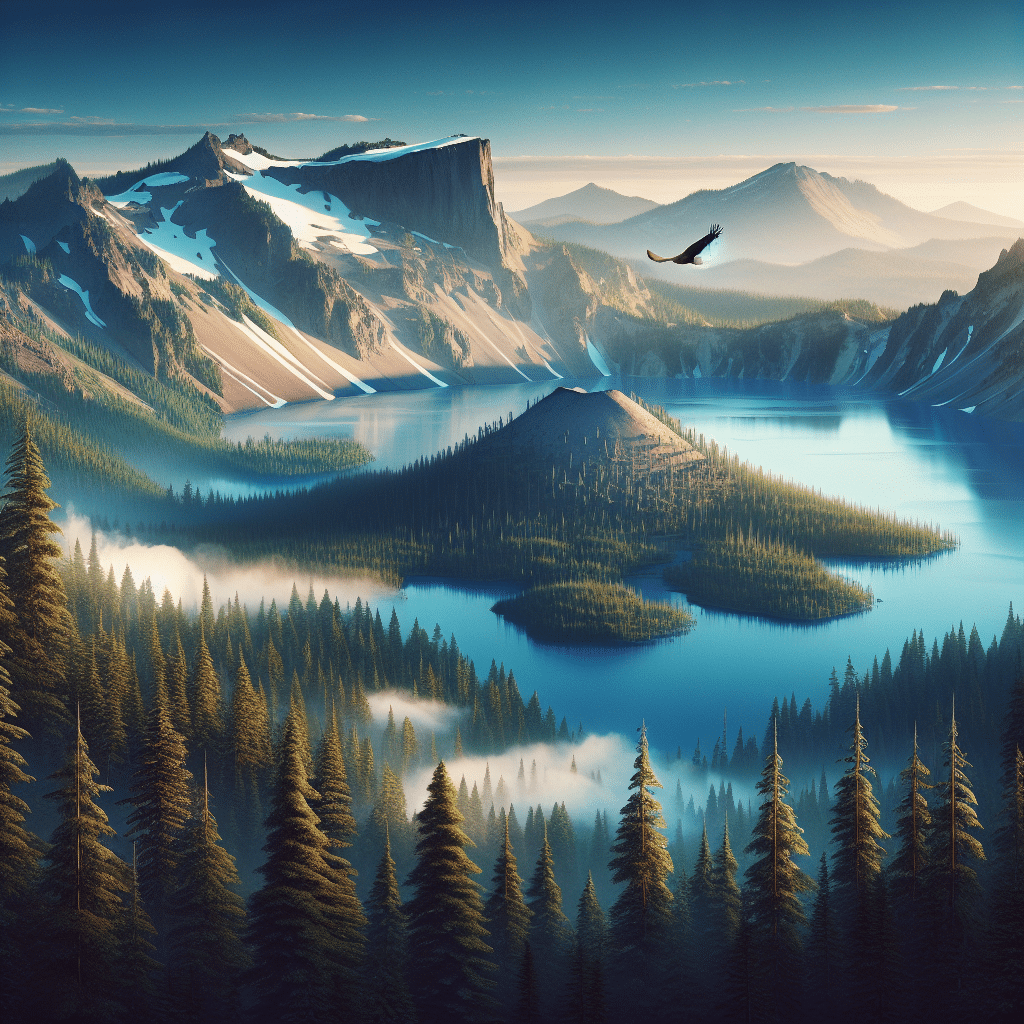
Crater Lake National Park is perhaps the crown jewel of Oregon’s natural wonders. Formed over 7,700 years ago by the collapse of Mount Mazama, Crater Lake is renowned for its stunningly deep blue water and clarity. As the deepest lake in the United States, it offers an array of activities for visitors.

Hiking enthusiasts will enjoy trails like the Garfield Peak Trail, offering panoramic views of the lake and its surroundings. For those interested in a leisurely drive, the Rim Drive encircles the lake and provides numerous scenic overlooks. In winter, snowshoeing and cross-country skiing become the highlights, transforming the park into a winter wonderland.
2. Oregon Caves National Monument & Preserve: A Subterranean Adventure
Nestled in the Siskiyou Mountains, the Oregon Caves National Monument & Preserve offers a unique underground adventure. Known as the “Marble Halls of Oregon,” these caves were formed by natural forces over hundreds of thousands of years. A guided tour will lead you through the intricate passageways, where you can marvel at the stunning stalactites and stalagmites.
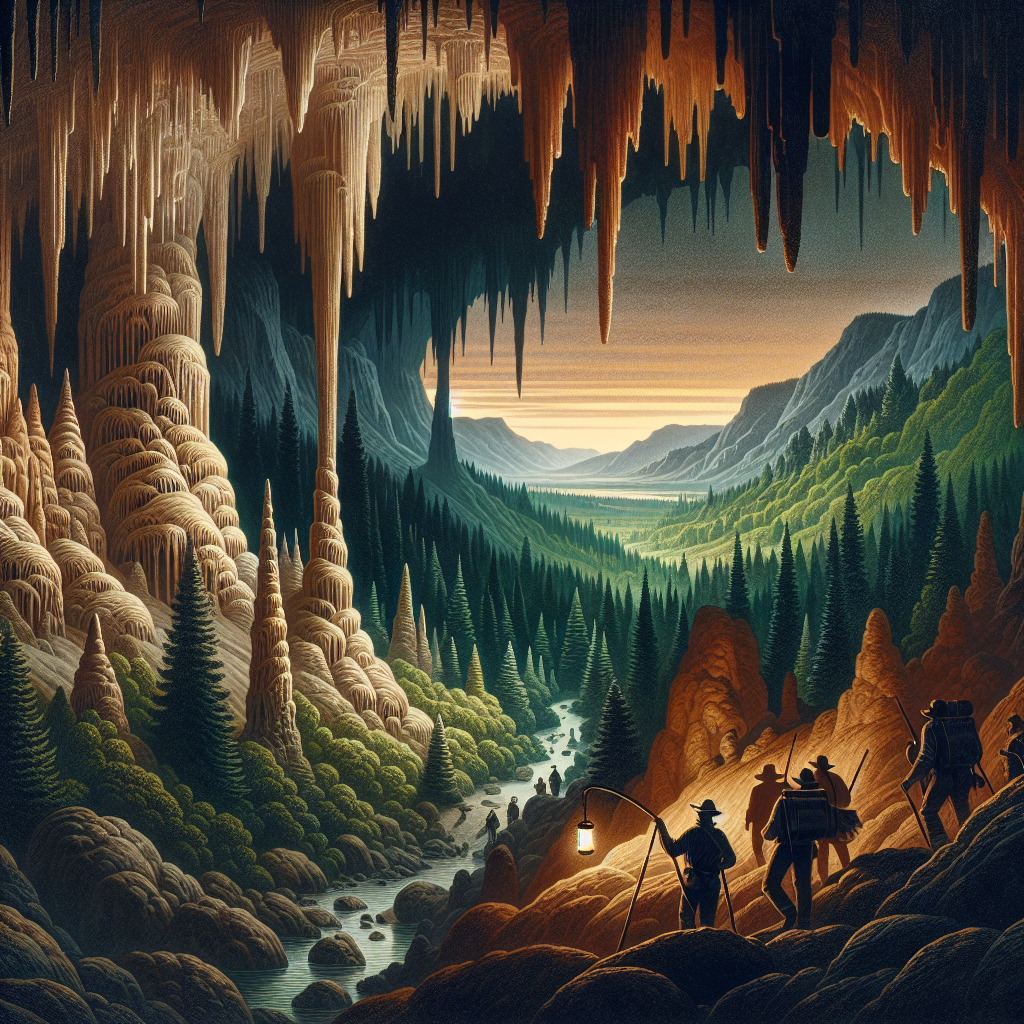
Above ground, the old-growth forest provides a habitat for diverse wildlife, and the trails offer a serene escape into nature. The Big Tree Trail is particularly popular, leading visitors through a forest of towering Douglas-firs and ponderosa pines.
3. John Day Fossil Beds National Monument: A Journey Through Time
For those fascinated by geology and paleontology, the John Day Fossil Beds National Monument is a must-visit. Located in east-central Oregon, this park showcases a rich tapestry of vibrant rock formations and a treasure trove of fossils that tell the story of ancient ecosystems.
The monument is divided into three units: Painted Hills, Sheep Rock, and Clarno. Each offers unique landscapes and opportunities for exploration. The Painted Hills are particularly famous for their colorful stripes, which change hues with the sunlight. The Thomas Condon Paleontology Center at the Sheep Rock Unit provides fascinating insights into the region’s prehistoric past.
4. Newberry National Volcanic Monument: A Volcanic Playground
Part of the Deschutes National Forest, the Newberry National Volcanic Monument is a testament to Oregon’s volcanic activity. The monument encompasses over 50,000 acres of volcanic features, including lava flows, cinder cones, and the expansive Newberry Caldera.
Visitors can explore the Lava River Cave, a mile-long lava tube perfect for adventurous spelunkers. The Big Obsidian Flow offers a chance to walk among sparkling volcanic glass, while Paulina Lake and East Lake provide opportunities for fishing, boating, and hiking.
5. Lewis and Clark National Historical Park: A Coastal Exploration
While not a national park in the traditional sense, the Lewis and Clark National Historical Park encompasses several sites along the Oregon coast, marking the end of the Lewis and Clark Expedition. This park offers a mix of history and nature, perfect for those looking to delve into the past.
Fort Clatsop, a replica of the winter encampment used by the Corps of Discovery, provides a glimpse into the life of the early explorers. The park’s numerous trails, such as the Fort to Sea Trail, allow visitors to explore the lush coastal forests and scenic beaches of the Pacific Northwest.
Conclusion: Oregon’s Natural Splendor Awaits
Oregon’s national parks offer a diverse array of landscapes and experiences that cater to all kinds of nature lovers. From the awe-inspiring depths of Crater Lake to the ancient layers of the John Day Fossil Beds, each park presents its own unique charm and adventure. Whether you’re a hiker, history buff, or simply someone who appreciates the great outdoors, Oregon’s natural splendor awaits your exploration.
FAQs
Q: When is the best time to visit these national parks in Oregon?
A: The best time to visit depends on the park and your interests. Crater Lake is stunning in both summer and winter, while parks like John Day Fossil Beds are best visited in spring or fall to avoid extreme temperatures.
Q: Are there any entrance fees for these parks?
A: Yes, most parks have entrance fees. For example, Crater Lake National Park charges a fee per vehicle. It’s best to check the official websites for the most current fee information.
Q: Are these parks accessible for all skill levels?
A: Yes, these parks offer a range of activities suitable for different skill levels, from easy nature walks to challenging hikes. Always ensure you’re prepared for the conditions and choose activities that match your fitness level.
Q: Can I camp in these national parks?
A: Many of these parks offer camping facilities. Crater Lake and Newberry National Volcanic Monument, for example, have designated campgrounds. Be sure to check availability and make reservations where necessary.