High Desert Hiking Safety: What Every New Mexico Trail Explorer Needs to Know
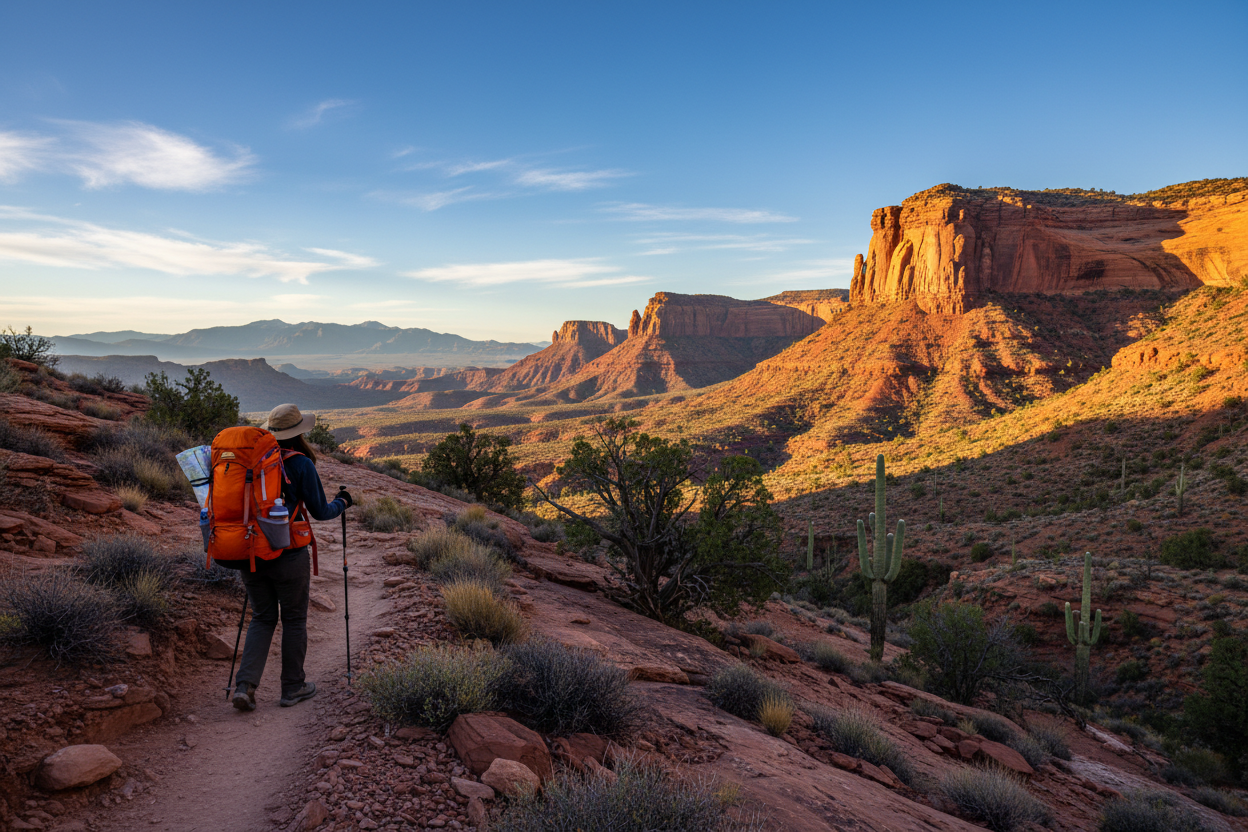
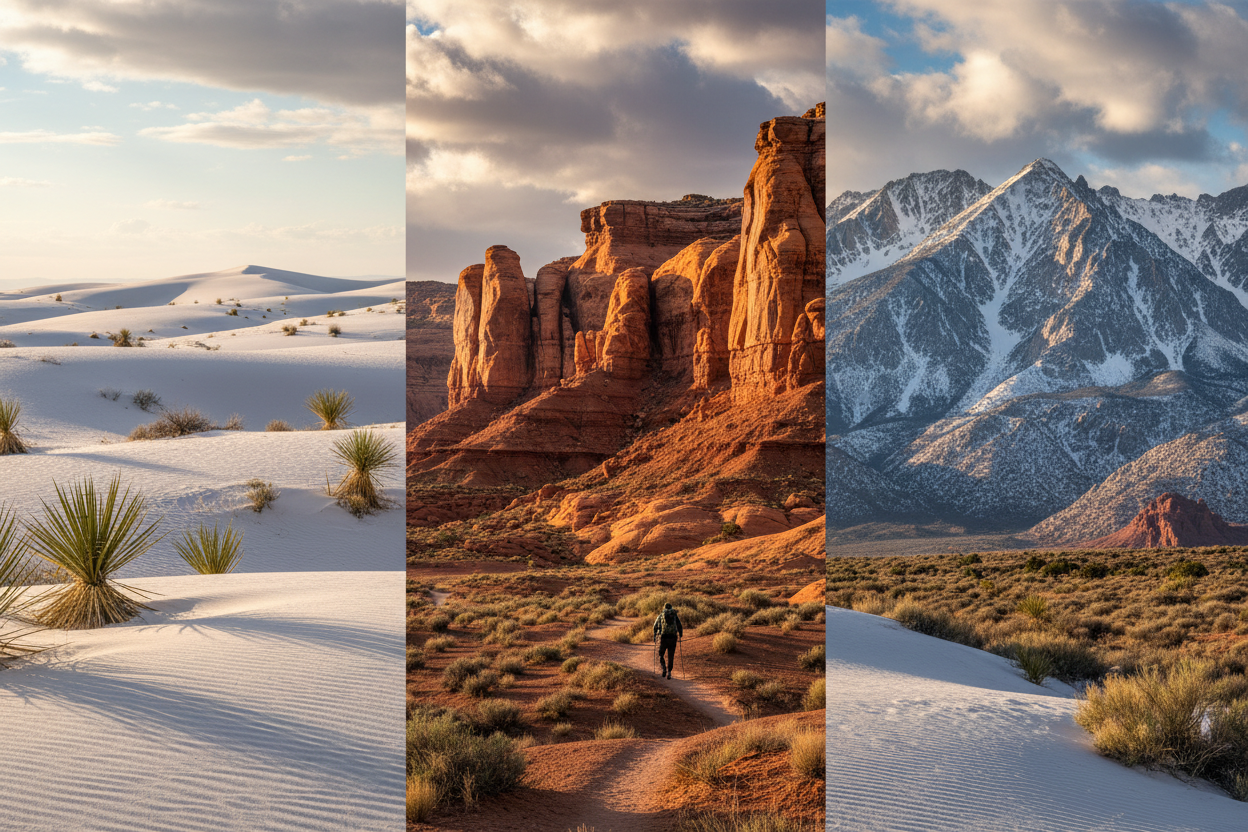
New Mexico’s high desert landscape offers some of the most breathtaking and challenging hiking experiences in the Southwest. From the otherworldly formations of White Sands National Park to the rugged peaks of the Sangre de Cristo Mountains, the Land of Enchantment beckons outdoor enthusiasts with its diverse terrain and stunning vistas. However, the unique environment of high desert hiking presents specific challenges that can catch even experienced hikers off guard.
Whether you’re planning your first adventure in the Sandia Mountains or you’re a seasoned hiker looking to explore new trails around Santa Fe, understanding high desert safety protocols isn’t just recommended—it’s essential for your survival and enjoyment. The combination of extreme temperature fluctuations, intense UV exposure, unpredictable weather patterns, and limited water sources creates a hiking environment unlike anywhere else in the country.
Understanding New Mexico’s High Desert Environment
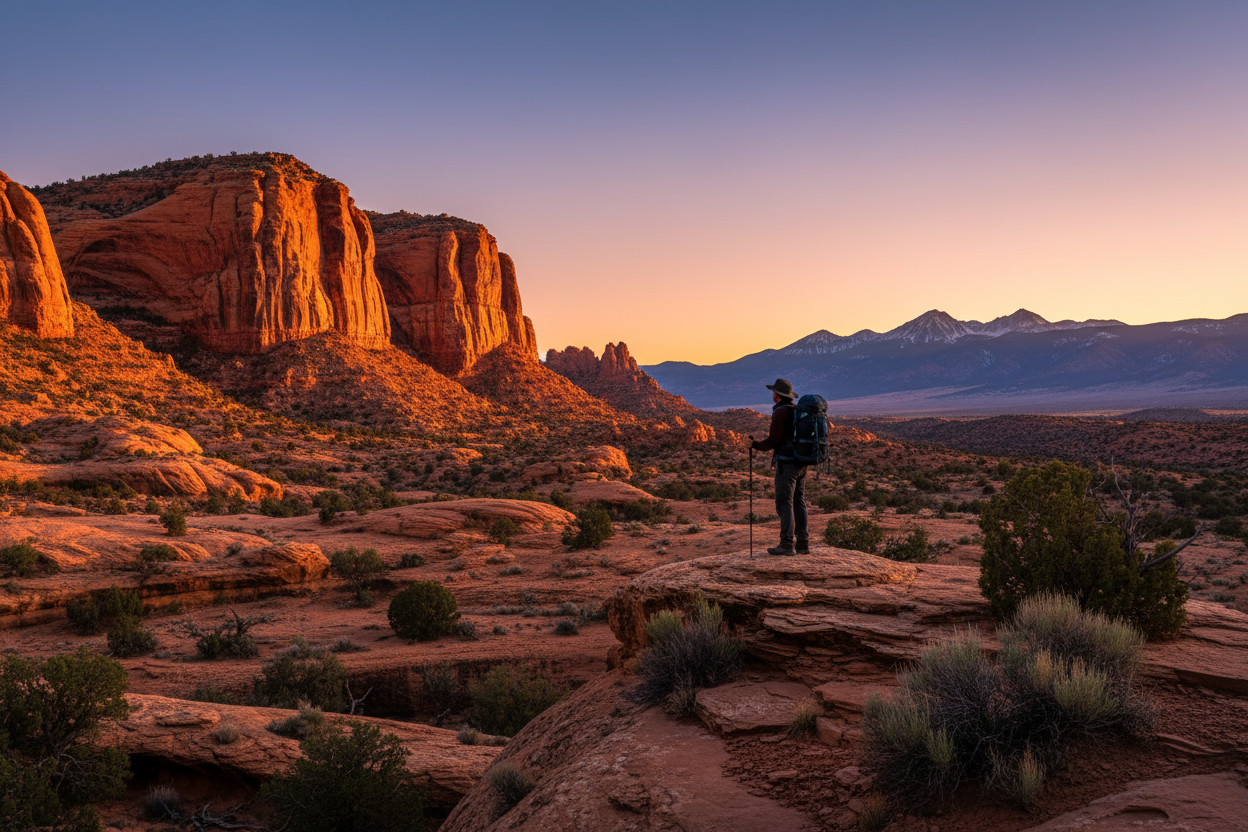
New Mexico’s high desert regions typically sit between 3,000 and 7,000 feet above sea level, creating a unique ecosystem that demands respect and preparation. Unlike the stereotypical desert imagery of cacti and sand dunes, much of New Mexico’s high desert features pinyon pine, juniper trees, and sage brush, interspersed with dramatic rock formations and expansive mesas.
The elevation plays a crucial role in both the beauty and the danger of these landscapes. Higher elevations mean thinner air, which can affect your breathing and energy levels, especially if you’re visiting from lower altitudes. The reduced atmospheric pressure also means less protection from harmful UV rays, making sunburn and heat-related illnesses more likely even on seemingly mild days.
Temperature variations in the high desert can be extreme. While you might start your hike in comfortable 70-degree weather, temperatures can drop 30 degrees or more as you gain elevation or when the sun sets. Conversely, exposed areas can become furnace-like during peak sun hours, with ground temperatures reaching dangerous levels.
Essential High Desert Hiking Gear and Equipment
Proper gear selection can mean the difference between a memorable adventure and a dangerous situation in New Mexico’s high desert. Your equipment list should account for the extreme variability in conditions you might encounter during a single hike.
Start with a reliable hydration system that holds more water than you think you’ll need. The general rule of thumb is one gallon per person per day, but high desert hiking often requires even more due to increased respiration and perspiration rates. Consider a hydration pack combined with additional water bottles, and always carry water purification tablets or a portable filter as backup.
Layered clothing is absolutely critical. Begin with moisture-wicking base layers, add insulating mid-layers like fleece or down, and top with a wind and water-resistant outer shell. Don’t forget a warm hat and gloves—even summer evenings can be surprisingly cold at elevation. For sun protection, pack a wide-brimmed hat, high-SPF sunscreen, and quality sunglasses with UV protection.
Navigation tools become even more important in the high desert, where trails can be poorly marked and landmarks may be sparse. Carry a detailed topographic map, compass, and GPS device or smartphone with offline maps downloaded. Many hikers have found themselves in serious trouble when relying solely on cell phone signals, which can be unreliable in remote areas.
Weather Awareness and Seasonal Considerations
New Mexico’s high desert weather can change rapidly and dramatically, making weather awareness a critical safety skill. Summer thunderstorms can develop quickly in the afternoon, bringing lightning, flash floods, and sudden temperature drops. These storms are particularly dangerous in exposed areas and narrow canyons where escape routes may be limited.
Winter hiking presents its own unique challenges. While snow may seem unlikely in the desert, higher elevations regularly receive significant snowfall, and temperatures can plummet well below freezing. Ice on trails creates serious slip hazards, and the combination of wind and cold can lead to hypothermia faster than many hikers realize.
Spring and fall are generally considered the best seasons for high desert hiking, but they come with their own considerations. Spring can bring high winds and unpredictable weather patterns, while fall temperatures can vary dramatically between day and night. Always check current weather conditions and forecasts before heading out, and be prepared to turn back if conditions deteriorate.
Monsoon season, typically from July through September, deserves special attention. These storms can produce intense rainfall in short periods, leading to flash flooding in washes and canyons that may have been dry for months. Never attempt to cross flowing water, no matter how shallow it appears, and avoid camping or hiking in low-lying areas during monsoon season.
Hydration and Heat-Related Illness Prevention
Dehydration and heat-related illnesses are among the most common and serious threats facing high desert hikers. The combination of low humidity, intense sun, and physical exertion creates a perfect storm for rapid fluid loss, often faster than hikers realize.
Begin hydrating well before your hike starts—ideally 24 hours in advance. During the hike, drink small amounts frequently rather than waiting until you feel thirsty. Thirst is actually a late indicator of dehydration, and by the time you feel it, you’re already behind on fluid replacement.
Electrolyte replacement becomes crucial during longer hikes or in hot conditions. Pure water alone can actually be dangerous if consumed in large quantities without electrolyte replacement, potentially leading to hyponatremia. Pack electrolyte tablets, sports drinks, or salty snacks to maintain proper mineral balance.
Learn to recognize the early signs of heat exhaustion: excessive sweating followed by cessation of sweating, nausea, dizziness, weakness, and confusion. Heat stroke, the more serious condition, can include high body temperature, altered mental state, and hot, dry skin. If you or a hiking partner shows signs of serious heat illness, seek shade immediately, remove excess clothing, and begin cooling efforts while preparing for emergency evacuation.
Wildlife Encounters and Desert Hazards
New Mexico’s high desert is home to a variety of wildlife, some of which can pose risks to unprepared hikers. While encounters are relatively rare, knowing how to respond appropriately can prevent dangerous situations from escalating.
Rattlesnakes are perhaps the most well-known desert danger, and several species call New Mexico home. These snakes are generally not aggressive and will usually retreat if given the opportunity. Make noise while hiking, especially around rocky areas and dense vegetation where snakes might be resting. If you encounter a snake, back away slowly and give it plenty of space to escape.
Mountain lions, while rarely seen, do inhabit many of New Mexico’s hiking areas. If you encounter one, maintain eye contact, appear as large as possible by raising your arms or jacket above your head, back away slowly, and never run. Make noise and throw objects if the animal approaches, but avoid bending over or turning your back.
Smaller creatures can also pose risks. Scorpions and spiders seek shelter in dark, cool places, so always shake out boots and check sleeping areas. Javelinas, while generally harmless, can become aggressive if cornered or protecting young. Give all wildlife plenty of space and never attempt to feed or approach animals.
Plant hazards in the high desert extend beyond the obvious cacti. Poison ivy grows in many areas, particularly near water sources. Cholla cacti have segments that detach easily and can be extremely difficult to remove from skin or clothing. Carry tweezers or pliers for cactus spine removal, and consider lightweight gaiters to protect your legs.
Navigation and Emergency Preparedness
Getting lost in New Mexico’s vast high desert landscapes is easier than many hikers anticipate. The terrain can be deceptively similar across large areas, and trails may be poorly marked or maintained. Developing strong navigation skills and carrying appropriate emergency gear is essential for safe desert hiking.
Before starting any hike, inform someone of your planned route and expected return time. Leave detailed information about your intended trail, alternate routes you might take, and when to call for help if you don’t return. This simple step has saved countless lives when hikers have encountered unexpected difficulties.
Carry multiple navigation tools and know how to use them. GPS devices and smartphone apps are excellent, but they can fail or run out of battery. A detailed topographic map and compass provide reliable backup navigation tools that don’t depend on technology. Practice using these tools before you need them in an emergency situation.
Emergency signaling devices can be lifesavers in remote areas. Consider carrying a whistle, mirror for signal reflection, or personal locator beacon (PLB) for serious backcountry adventures. Bright-colored clothing or gear can help search and rescue teams locate you more easily if needed.
Basic first aid knowledge and supplies are crucial for high desert hiking. Pack bandages, antiseptic, pain relievers, and any personal medications. Know how to treat common hiking injuries like cuts, sprains, and blisters, as well as desert-specific issues like cactus spine removal and heat illness.
Planning Your High Desert Adventure
Successful high desert hiking begins long before you hit the trail. Proper planning can help you avoid many of the common pitfalls that lead to dangerous situations in New Mexico’s challenging environment.
Start by honestly assessing your fitness level and experience. High desert hiking often involves significant elevation gain, unstable footing, and longer distances between water sources than many hikers expect. Choose trails that match your ability level, and don’t hesitate to turn back if conditions exceed your comfort zone.
Research your chosen trail thoroughly. Read recent trip reports, check with local ranger stations or visitor centers for current conditions, and study topographic maps to understand the terrain you’ll encounter. Pay particular attention to water availability, as many high desert trails have limited or seasonal water sources.
Timing your hike properly can dramatically improve both safety and enjoyment. Start early to avoid the hottest part of the day, and plan to be off exposed ridges and peaks before afternoon thunderstorms typically develop. During winter months, ensure you have enough daylight hours to complete your planned route safely.
Consider hiring a local guide for your first high desert adventures, especially if you’re unfamiliar with the area. Experienced guides can teach you to read the landscape, identify hazards, and develop the skills needed for safe independent exploration.
Frequently Asked Questions
What’s the best time of year to hike in New Mexico’s high desert?
Spring (March-May) and fall (September-November) generally offer the most comfortable conditions, with moderate temperatures and less extreme weather. Summer can be very hot, while winter may bring snow and ice to higher elevations.
How much water should I carry for a day hike in the high desert?
Plan for at least one gallon per person per day, and more during hot weather or strenuous hikes. The dry air and high elevation increase dehydration rates significantly compared to hiking at lower elevations.
Are there any specific permits required for hiking in New Mexico?
Most day hiking doesn’t require permits, but some areas like certain wilderness zones or national monuments may have restrictions. Always check with local land management agencies before your trip.
What should I do if I encounter a rattlesnake on the trail?
Stop immediately, back away slowly, and give the snake plenty of space to retreat. Most rattlesnake bites occur when people try to kill or move the snake. Simply wait for it to leave the area or find an alternate route.
How do I protect myself from the intense high desert sun?
Use high-SPF sunscreen (30+), wear protective clothing including a wide-brimmed hat, and quality sunglasses. The combination of high elevation and reflective surfaces can cause severe sunburn even on cloudy days.
What’s the most important safety tip for new high desert hikers?
Always tell someone your hiking plans and expected return time. This simple step ensures that help will be sent if you encounter problems. Also, know your limits and don’t hesitate to turn back if conditions become challenging.
New Mexico’s high desert offers unparalleled hiking opportunities for those who approach it with proper preparation and respect. The stark beauty of the landscape, from the glowing sandstone of Ghost Ranch to the alpine meadows of the Pecos Wilderness, rewards careful planning with unforgettable experiences. By understanding the unique challenges of high desert hiking and preparing accordingly, you can safely explore some of the most spectacular terrain in North America. Remember that the desert environment demands humility and preparation, but it also offers a profound connection to the natural world that few other landscapes can match. Take the time to learn proper techniques, invest in quality gear, and always prioritize safety over summit goals. Your future self will thank you when you’re standing atop a New Mexican peak, taking in views that stretch to the horizon, knowing you’ve earned them through careful preparation and respect for the high desert environment.