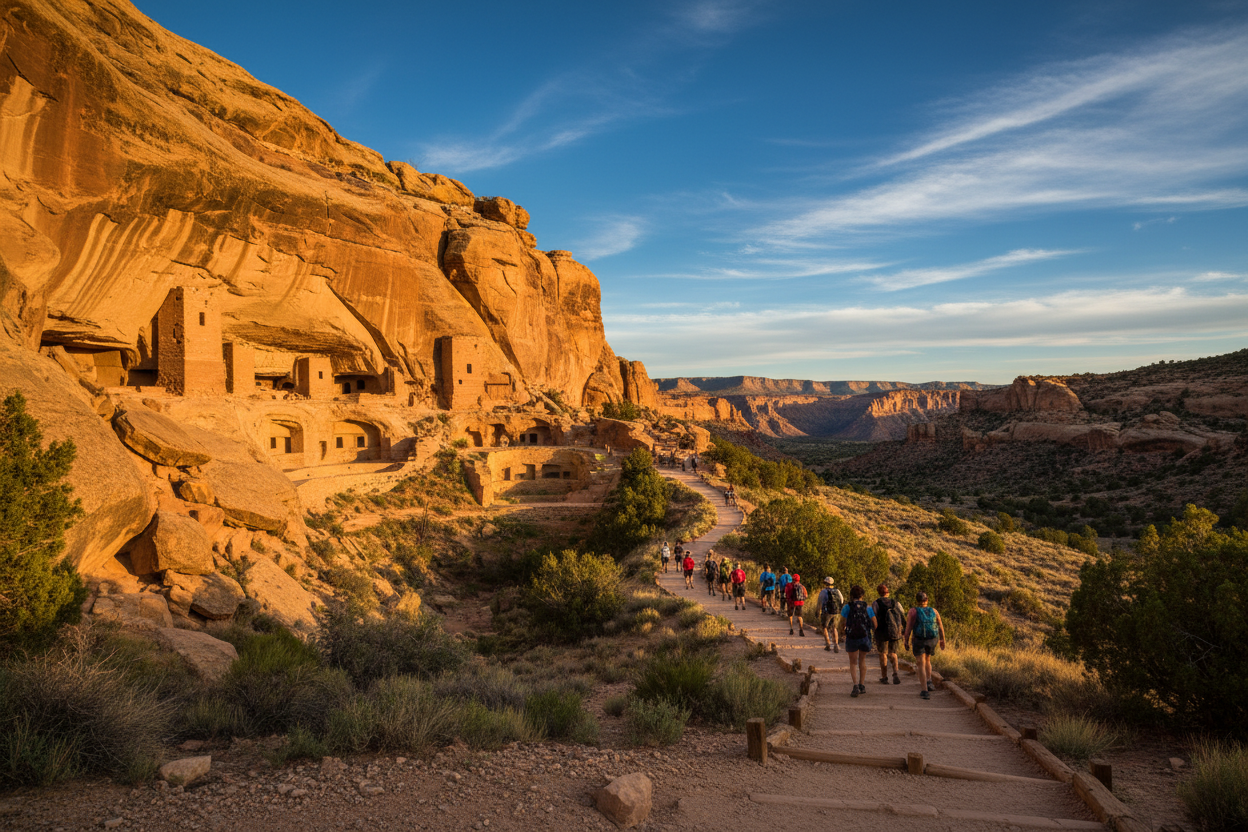
Bandelier National Monument: Ancient Pueblo Culture Meets Modern Hiking Trails
Nestled in the dramatic canyons of northern New Mexico, Bandelier National Monument stands as a testament to the ingenuity and resilience of ancestral Pueblo peoples. This remarkable destination seamlessly blends archaeological wonders with outdoor adventure, offering visitors a chance to walk in the footsteps of ancient civilizations while enjoying some of the Southwest’s most spectacular hiking trails. Whether you’re a history enthusiast, an avid hiker, or simply someone seeking to connect with America’s rich cultural heritage, Bandelier delivers an unforgettable experience that bridges past and present.
A Journey Through Time: Understanding Bandelier’s Rich History
The story of Bandelier National Monument begins over 11,000 years ago when the first hunter-gatherers arrived in the Pajarito Plateau. However, it was the ancestral Pueblo people who truly shaped this landscape between 1150 and 1550 CE. These remarkable communities carved homes directly into the soft volcanic tuff cliffs, creating a network of cave dwellings, ceremonial spaces, and agricultural terraces that remain largely intact today.
Named after Swiss-American archaeologist Adolph Bandelier, who conducted extensive research in the area during the 1880s, the monument preserves more than 3,000 archaeological sites across its 33,677 acres. The most famous of these sites include the Main Loop Trail’s cliff dwellings and the impressive Alcove House, perched 140 feet above the canyon floor.
What makes Bandelier particularly special is how well-preserved these ancient structures remain. The dry climate and protective canyon walls have helped maintain petroglyphs, pictographs, and architectural details that provide invaluable insights into ancestral Pueblo daily life, spiritual practices, and sophisticated understanding of their environment.
Exploring the Main Loop Trail: Your Gateway to Ancient Wonders
The Main Loop Trail serves as most visitors’ introduction to Bandelier’s archaeological treasures. This easy 1.2-mile paved pathway begins at the visitor center and winds through Frijoles Canyon, passing numerous cliff dwellings and offering interpretive exhibits along the way.
As you walk this accessible trail, you’ll encounter the remains of Tyuonyi, a large circular pueblo that once housed approximately 100 rooms. The structure’s layout reveals the sophisticated urban planning of its builders, with rooms arranged around central plazas that served as community gathering spaces.
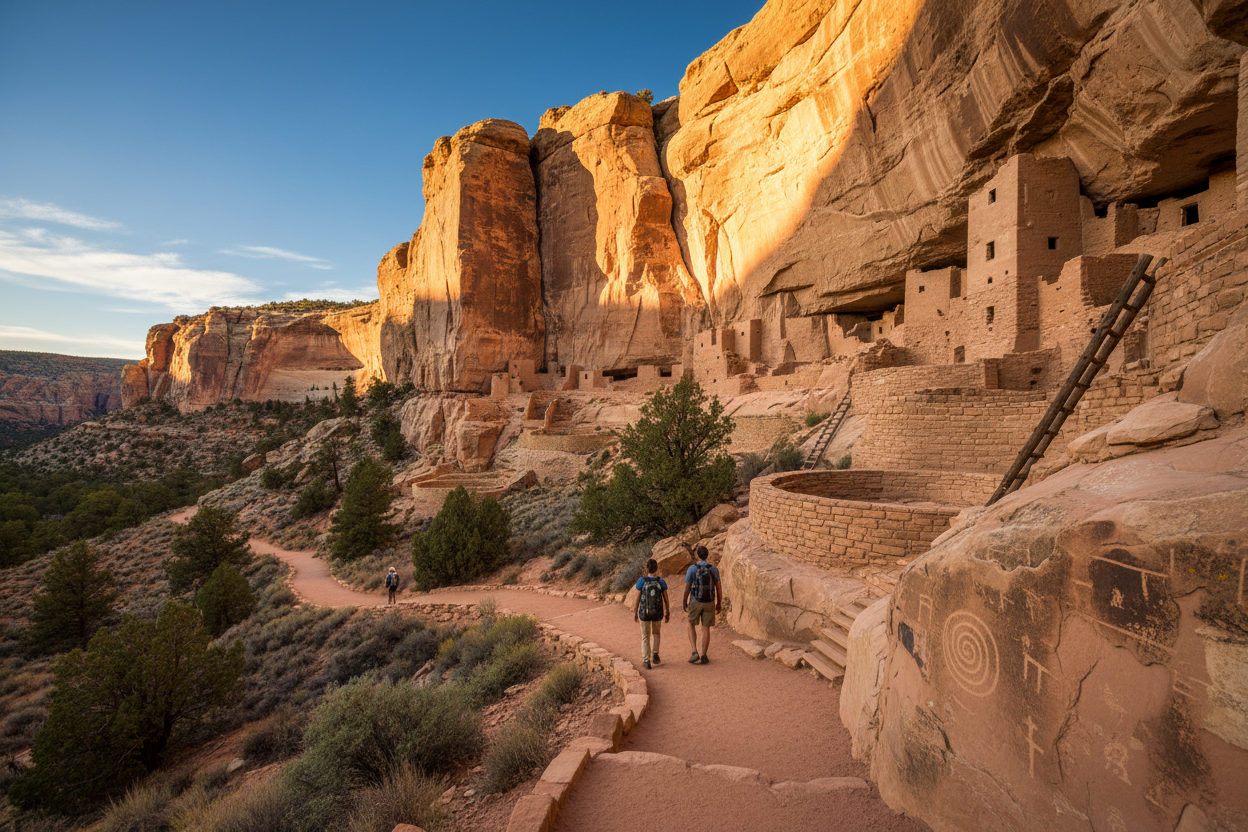
The trail’s highlight comes when you reach the cliff dwellings themselves. Here, you can actually climb wooden ladders to explore some of the cave rooms, feeling the smooth walls carved by ancient hands and imagining daily life in these remarkable homes. The experience of standing inside these dwellings, looking out over the canyon that sustained their inhabitants for centuries, creates a profound connection to the past that few archaeological sites can match.
Alcove House: A Challenging Climb to Ancient Heights
For those seeking a more adventurous archaeological experience, the trail to Alcove House presents an exciting challenge. This 1.5-mile round-trip hike culminates in climbing four wooden ladders totaling 140 feet to reach a reconstructed ceremonial cave dwelling.
The climb itself is not for everyone – those with mobility issues or fear of heights should consider carefully before attempting it. However, for those who make the ascent, the rewards are extraordinary. Alcove House offers breathtaking views of Frijoles Canyon and provides insight into how ancestral Pueblo peoples used every available space in their cliff-side communities.
The cave dwelling at the top features a reconstructed kiva, a circular ceremonial chamber that played a central role in Pueblo spiritual life. Standing in this sacred space, surrounded by ancient stone walls and looking out over the canyon below, visitors gain a deeper appreciation for the spiritual connection these peoples had with their dramatic landscape.
Beyond the Main Attractions: Bandelier’s Extensive Trail System
While the Main Loop Trail and Alcove House capture most visitors’ attention, Bandelier National Monument offers over 70 miles of hiking trails that showcase the area’s diverse ecosystems and additional archaeological sites. These longer trails provide opportunities for more immersive experiences and solitude away from the busier main attractions.
The Falls Trail leads 2.5 miles to Upper and Lower Falls, where you can enjoy the rare sight of flowing water in this high desert environment. Along the way, hikers pass additional cliff dwellings and enjoy stunning views of the surrounding mesas and canyons.
For serious hikers, the Stone Lions Trail offers a challenging 6-mile round-trip journey to ancient shrine sites. This trail requires more preparation and hiking experience but rewards adventurers with visits to sacred stone lion sculptures and panoramic views of the Jemez Mountains.
The Painted Cave Trail, though requiring advance reservations and guided access, takes visitors to some of the Southwest’s most spectacular rock art. The pictographs in Painted Cave represent centuries of artistic expression and spiritual practice, creating a gallery of ancient art that continues to inspire and mystify modern visitors.
Planning Your Visit: Practical Tips for the Modern Explorer
Visiting Bandelier National Monument requires some planning to make the most of your experience. The park operates year-round, but summer months can be extremely hot, making early morning or late afternoon visits more comfortable. Winter visits offer crisp, clear days perfect for hiking, though visitors should be prepared for potential snow and ice on trails.
The monument’s elevation of approximately 6,000 feet means weather can change quickly, and visitors from lower elevations may need time to adjust to the thinner air. Bringing plenty of water is essential, especially during warmer months, as the high desert environment can be dehydrating.
Photography enthusiasts will find endless opportunities throughout Bandelier, but visitors should remember that climbing on archaeological structures is prohibited to preserve these irreplaceable cultural resources. The best photos often come from patient observation and respectful distance from the ancient structures.
Cultural Sensitivity and Preservation Efforts
Visiting Bandelier National Monument comes with the responsibility to respect and protect these sacred cultural sites. The ancestral Pueblo peoples who created these remarkable dwellings are the ancestors of modern Pueblo communities, including the nearby San Ildefonso, Santa Clara, Cochiti, and Santo Domingo pueblos.
The National Park Service works closely with these tribal communities to ensure that Bandelier’s interpretation and management honor their cultural traditions and perspectives. Visitors should approach these sites with reverence, understanding that they are not merely tourist attractions but sacred places that continue to hold deep meaning for Native American communities.
Conservation efforts at Bandelier focus on protecting both the archaeological resources and the natural environment that sustains them. Climate change, erosion, and increased visitation all pose challenges to preserving these ancient sites for future generations. By following Leave No Trace principles and staying on designated trails, visitors help ensure that Bandelier’s treasures remain intact for years to come.
The Perfect Blend of Adventure and Education
What sets Bandelier National Monument apart from other archaeological sites is how seamlessly it combines outdoor adventure with cultural education. Unlike museum displays behind glass, Bandelier allows visitors to physically engage with history, climbing into ancient dwellings and walking the same paths used by their builders centuries ago.
The monument’s hiking trails offer varying levels of difficulty, making the site accessible to families with young children while also providing challenges for experienced hikers. This inclusivity ensures that people of all ages and abilities can connect with the remarkable story of ancestral Pueblo ingenuity and adaptation.
Educational programs at Bandelier include ranger-led talks, junior ranger activities, and special cultural demonstrations that bring the site’s history to life. These programs help visitors understand not just what they’re seeing, but why these ancient communities chose to build in such dramatic locations and how they thrived in this challenging environment for centuries.
Frequently Asked Questions
How long should I plan to spend at Bandelier National Monument?
Most visitors spend 3-4 hours exploring the main attractions, including the Main Loop Trail and Alcove House. However, if you plan to hike longer trails or participate in ranger programs, you could easily spend a full day or return for multiple visits to fully appreciate all the monument has to offer.
Is Bandelier National Monument suitable for young children?
The Main Loop Trail is paved and accessible for strollers and young children. However, the climb to Alcove House requires using tall ladders and may not be suitable for very young children or those afraid of heights. Families should assess their children’s abilities and comfort levels before attempting the more challenging climbs.
What should I bring for a visit to Bandelier?
Essential items include plenty of water, sun protection, comfortable hiking shoes, and layers for changing weather conditions. A camera, snacks, and a hat are also recommended. During summer months, starting early in the day helps avoid the intense midday heat.
Are pets allowed at Bandelier National Monument?
Pets are allowed on the Main Loop Trail and in the visitor center area but must be kept on leashes at all times. They are not permitted on backcountry trails or in archaeological sites. The monument provides pet-friendly areas for those traveling with animals.
Can I visit Bandelier National Monument year-round?
Yes, Bandelier is open year-round, though hours may vary seasonally. Winter visits can be particularly beautiful with snow-covered cliffs, but visitors should check trail conditions and weather forecasts. Some backcountry trails may be temporarily closed during severe weather conditions.
Do I need reservations to visit Bandelier?
Most areas of Bandelier do not require reservations, but access to Painted Cave requires advance reservations and guided tours. During peak seasons, arriving early in the day is recommended to ensure parking availability and a more peaceful experience.
Bandelier National Monument represents one of America’s most successful examples of preserving cultural heritage while providing public access and education. The monument’s unique combination of archaeological wonders and outdoor recreation creates an experience that satisfies both the mind and body, offering insights into human ingenuity while showcasing the natural beauty of the American Southwest. Whether you’re scaling ladders to ancient cliff dwellings or hiking through pristine wilderness areas, Bandelier provides a powerful reminder of the deep connections between people and place that have shaped this remarkable landscape for thousands of years.