Breaking: North Carolina General Assembly Passes Landmark Education Reform Bill – What It Means for Students
In a historic move that’s sending ripples through classrooms across the Tar Heel State, the North Carolina General Assembly has just passed sweeping education reform legislation that promises to reshape how students learn, teachers teach, and schools operate. This isn’t just another policy tweak – we’re talking about fundamental changes that could affect every single student in North Carolina’s public school system.
As someone who’s been following education policy for years, I can tell you that moments like these don’t come often. The last time North Carolina saw education reform of this magnitude was over a decade ago, and frankly, the results were mixed at best. But this new bill? It’s different. It’s comprehensive, it’s bold, and most importantly, it puts students at the center of everything.

The Heart of the Reform: What’s Actually in This Bill?
Let me break down what this landmark legislation actually does, because the devil – as they say – is in the details. The North Carolina Education Advancement Act, as it’s officially known, tackles five major areas that have been pain points for educators, parents, and students alike.
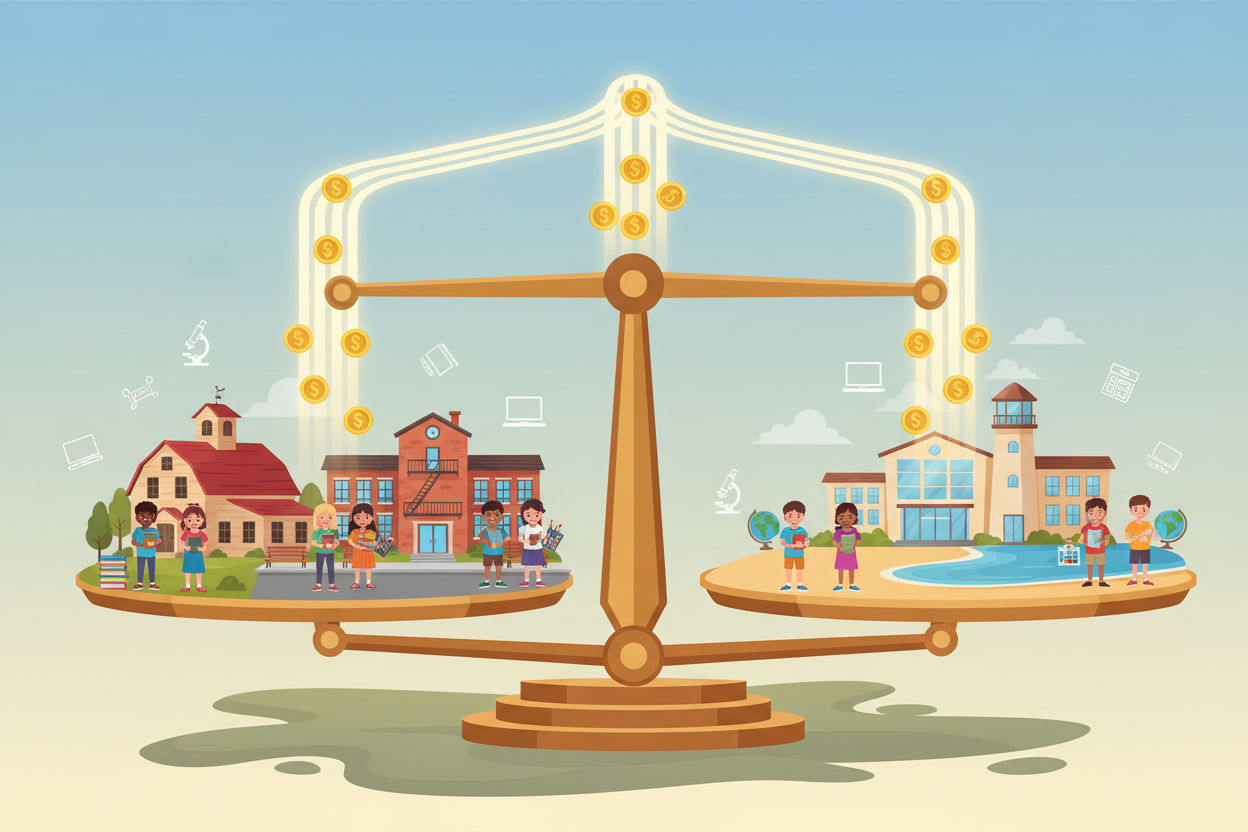
First and foremost, the bill establishes a new funding formula that’s been desperately needed for years. Instead of the current system that often leaves rural and urban districts scrambling for resources, this new approach ensures more equitable distribution of state funds. Think of it as leveling the playing field – a student in Asheville should have access to the same quality resources as a student in Charlotte or Wilmington.
The legislation also introduces what they’re calling “personalized learning pathways.” This isn’t just educational jargon – it means students will have more flexibility in how they progress through their studies. Some kids are ready for advanced math in 7th grade but might need extra support in reading. This system recognizes that one size definitely doesn’t fit all when it comes to learning.
Teacher Support and Professional Development: Finally Getting It Right
Here’s something that really caught my attention: the bill allocates significant funding for teacher professional development and support. We’ve all heard the statistics about teacher burnout and the exodus from the profession. North Carolina hasn’t been immune to this crisis, and honestly, it’s been heartbreaking to watch dedicated educators leave classrooms because they felt unsupported.
The new legislation establishes mentorship programs for new teachers, provides ongoing professional development opportunities, and – this is huge – creates pathways for career advancement that don’t require leaving the classroom. Too often, the only way for excellent teachers to advance professionally was to become administrators. Now, there are master teacher positions and curriculum specialist roles that keep great educators where they belong: working directly with students.
The bill also addresses the elephant in the room: teacher compensation. While it doesn’t solve all the salary concerns overnight, it does establish a more transparent and equitable pay scale, along with performance bonuses that actually make sense. No more arbitrary evaluations – the new system focuses on student growth and collaborative achievement.
Technology Integration and 21st Century Learning
If there’s one thing the pandemic taught us, it’s that technology in education isn’t optional anymore – it’s essential. This reform bill recognizes that reality and does something about it. Every student in grades 3-12 will have access to a personal learning device, and the state is investing heavily in broadband infrastructure to ensure that rural students aren’t left behind.
But here’s what I love about this approach: it’s not just about throwing tablets at kids and hoping for the best. The legislation includes comprehensive digital literacy curricula and requires teachers to receive training on effective technology integration. We’re talking about preparing students for a world where digital fluency is as important as traditional literacy.
The bill also establishes partnerships with major tech companies to provide real-world learning experiences. Students will have opportunities to work on actual projects, participate in coding bootcamps, and even earn industry certifications while still in high school. It’s the kind of forward-thinking approach that makes you optimistic about the future of education.
Mental Health and Student Wellness: A Holistic Approach
Perhaps the most significant aspect of this reform – and one that’s long overdue – is the comprehensive focus on student mental health and wellness. The legislation mandates that every school district employ licensed mental health professionals and establishes school-based health centers in high-need areas.
This hits close to home for many families. We’ve seen the statistics on student anxiety, depression, and stress levels, especially post-pandemic. Too many kids have been struggling in silence, and too many schools have been ill-equipped to help. This bill changes that by treating mental health as an integral part of education, not an afterthought.
The wellness component goes beyond mental health, too. The legislation requires comprehensive health education, expands access to nutritious meals, and even mandates that schools provide adequate time for physical activity and recess. It sounds basic, but you’d be surprised how many schools have been cutting these essential elements due to budget constraints or misguided priorities.
What This Means for Different Groups of Students
The beauty of comprehensive reform is that it touches every corner of the education system, but let’s be honest – some students will benefit more immediately than others. Students with disabilities, for instance, will see expanded access to assistive technologies and more individualized support services. The bill specifically addresses the need for better special education resources and training.
English language learners are another group that stands to benefit significantly. The legislation establishes bilingual education programs and cultural competency training for teachers. It recognizes that linguistic diversity is an asset, not a deficit, and creates pathways for students to maintain their home languages while mastering English.
For students in rural areas – and North Carolina has plenty of them – this bill could be transformative. The technology initiatives, combined with distance learning capabilities and partnerships with community colleges, mean that a student in a small mountain town could have access to Advanced Placement courses or dual enrollment opportunities that were previously impossible.
The Implementation Challenge: Making Reform Reality
Now, let’s be realistic here. Passing a bill is one thing; implementing it successfully is another beast entirely. The legislation includes a phased rollout over three years, which is smart. Trying to change everything at once is a recipe for chaos, and we’ve seen too many well-intentioned reforms fail because of poor implementation.
The bill establishes regional implementation teams that will work directly with school districts to ensure smooth transitions. These aren’t bureaucrats sitting in Raleigh making decisions – they’re experienced educators who understand the day-to-day realities of running schools. The legislation also includes provisions for ongoing evaluation and adjustment, recognizing that reform is an iterative process.
Funding is always a concern with major reforms, but the legislature has allocated substantial resources and identified sustainable revenue streams. The bill includes a mix of state funding, federal grants, and innovative public-private partnerships that should provide financial stability for the long term.
Looking Ahead: The Road to Educational Excellence
As I write this, I can’t help but feel cautiously optimistic about what this means for North Carolina’s students. We’ve seen education reforms before that promised the moon and delivered disappointment. But this feels different – more thoughtful, more comprehensive, and more grounded in what actually works in classrooms.
The true test will come in the months and years ahead as these changes take root in schools across the state. Will teachers embrace the new professional development opportunities? Will students thrive with more personalized learning approaches? Will the technology integration actually enhance learning rather than just digitizing old methods?
What gives me hope is that this reform was developed with extensive input from teachers, parents, students, and education researchers. It wasn’t crafted in isolation by politicians who haven’t set foot in a classroom in decades. The fingerprints of actual educators are all over this legislation, and that matters.
The North Carolina General Assembly has taken a bold step forward in reimagining public education for the 21st century. Now comes the hard work of making these reforms a reality in every classroom, in every school, in every district across the state. For the sake of North Carolina’s students – and their futures – let’s hope we get it right. The stakes couldn’t be higher, but neither could the potential rewards.