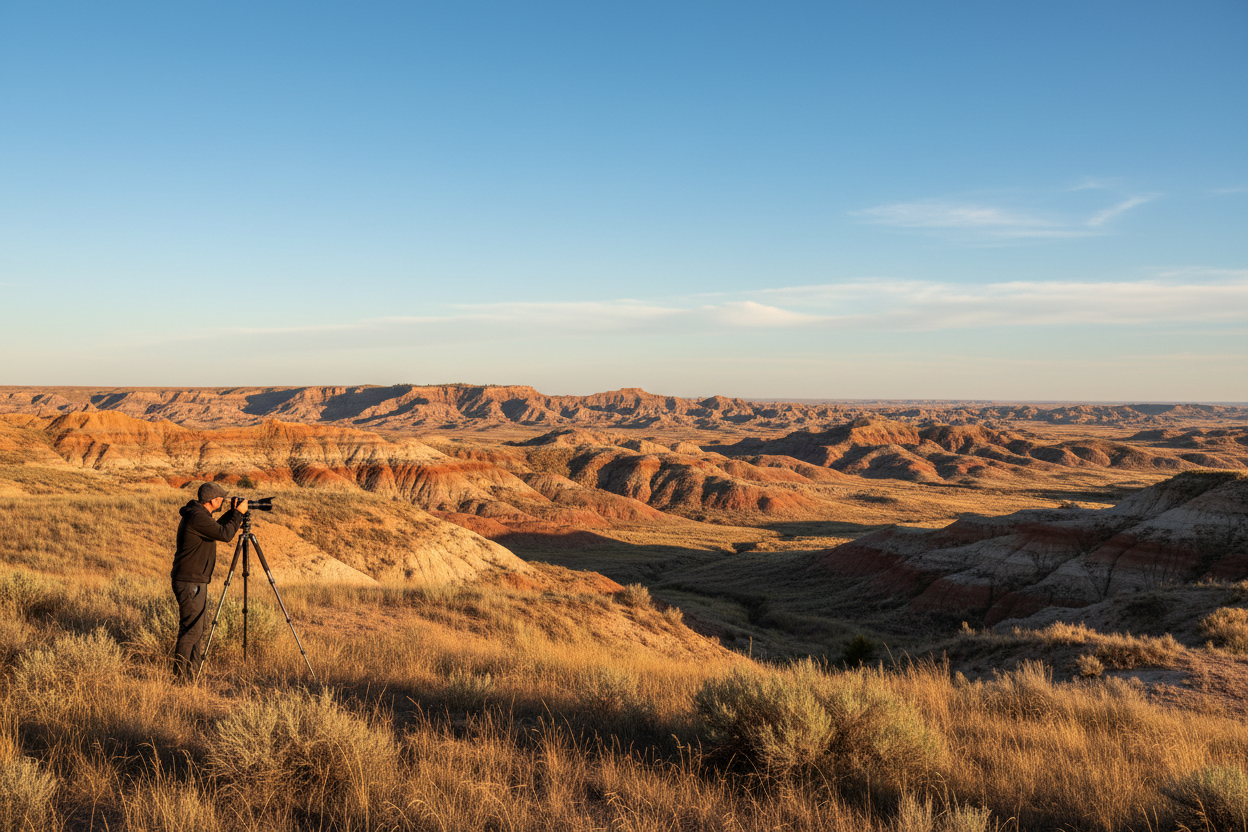
North Dakota Badlands: A Photographer’s Paradise in the Great Plains
When most people think of dramatic landscapes perfect for photography, their minds typically wander to places like Yosemite, the Grand Canyon, or perhaps the rugged coastlines of California. But tucked away in the western reaches of North Dakota lies one of America’s best-kept secrets for photographers: the North Dakota Badlands. This otherworldly terrain offers an incredible diversity of subjects, from sweeping vistas and intricate rock formations to abundant wildlife and stunning night skies.
The North Dakota Badlands represent a photographer’s dream come true, combining accessibility with breathtaking natural beauty. Whether you’re a seasoned professional or an enthusiastic amateur, this remarkable region provides endless opportunities to capture images that will leave viewers wondering if you’ve somehow transported them to another planet.
The Geological Wonder of Theodore Roosevelt National Park
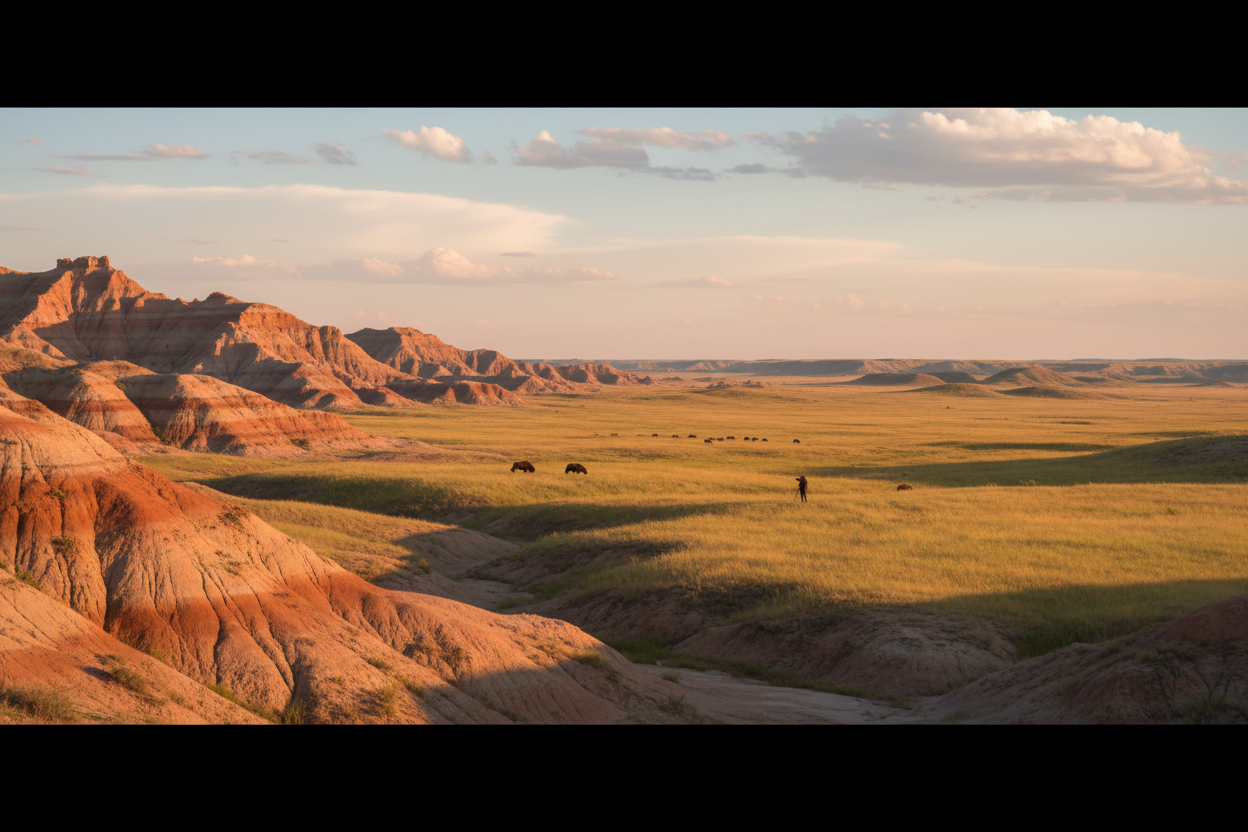
At the heart of North Dakota’s badlands photography scene lies Theodore Roosevelt National Park, a 70,000-acre preserve that showcases the region’s most spectacular geological formations. The park’s colorful sedimentary layers tell a story spanning millions of years, creating a natural canvas that changes dramatically with the light throughout the day.
The South Unit of the park offers the most accessible photography opportunities, with the scenic drive providing numerous pullouts and overlooks perfect for capturing the badlands’ signature striped buttes and deep canyons. The Painted Canyon Overlook serves as many photographers’ first introduction to the area, offering a sweeping panoramic view that’s particularly stunning during golden hour.
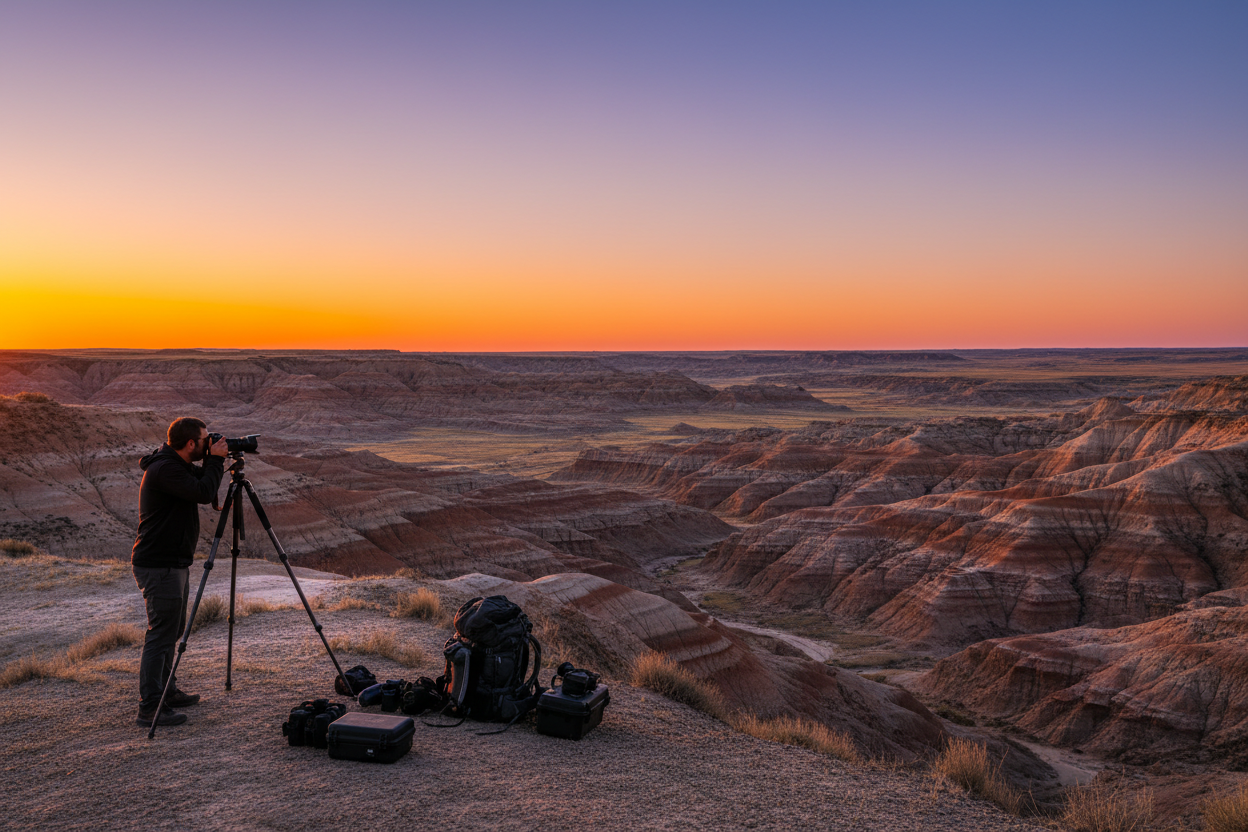
For those willing to venture further, the North Unit provides a more remote and wild experience. The Caprock Coulee Trail leads to some of the park’s most photogenic viewpoints, where you can capture images of the Little Missouri River winding through the rugged landscape below.
Wildlife Photography Opportunities in the Badlands
The North Dakota Badlands aren’t just about landscapes – they’re teeming with wildlife that provides incredible photographic subjects. Bison roam freely throughout Theodore Roosevelt National Park, often creating dramatic silhouettes against the colorful badlands backdrop. These massive creatures are surprisingly approachable for photography, though maintaining a safe distance is crucial for both your safety and theirs.
Wild horses add another layer of excitement to badlands photography. The park’s horse herds descend from ranch stock left behind by early settlers, and watching them navigate the rugged terrain provides endless photo opportunities. Early morning and late afternoon offer the best chances for horse photography, as they tend to be more active during cooler parts of the day.
Prairie dogs create their own photographic entertainment, with their elaborate “towns” scattered throughout the grasslands. These social creatures are incredibly expressive, making them perfect subjects for wildlife photographers looking to capture personality and behavior in their images.
Best Times and Seasons for Badlands Photography
The North Dakota Badlands offer year-round photography opportunities, but each season brings its own unique advantages. Spring arrives with wildflowers dotting the prairie and newborn wildlife taking their first steps. The soft green of new grass creates beautiful contrast against the earthy tones of the rock formations.
Summer provides the longest days and warmest weather, making it ideal for extended photography sessions. However, the harsh midday sun can create challenging lighting conditions, so planning your shoots for early morning and late evening becomes even more critical.
Fall transforms the badlands into a photographer’s paradise, with golden cottonwoods lining the Little Missouri River and the changing leaves providing vibrant foreground elements. The cooler temperatures also make hiking to remote locations more comfortable.
Winter photography in the badlands requires more preparation but rewards brave photographers with snow-covered landscapes that emphasize the dramatic shapes and textures of the rock formations. The contrast between white snow and red rock creates striking compositions that are impossible to achieve during other seasons.
Essential Photography Techniques for Badlands Landscapes
Photographing the North Dakota Badlands successfully requires understanding how to work with the unique lighting and terrain conditions. The region’s open skies and varied elevations create opportunities for dramatic sky photography, but they also present challenges with extreme contrast between bright skies and shadowed canyons.
Graduated neutral density filters become invaluable tools for balancing these exposure differences, allowing you to capture detail in both the colorful rock formations and the expansive prairie skies above. Polarizing filters help reduce glare from rock surfaces and enhance the contrast between clouds and sky.
The golden hours take on special significance in the badlands, where the warm light brings out the rich reds, oranges, and yellows in the sedimentary layers. However, don’t overlook the blue hour, when the soft, even light can reveal subtle details and create moody atmospheric shots.
Long exposure photography works particularly well for capturing the movement of clouds across the vast badlands sky or smoothing the waters of the Little Missouri River. The relatively low light pollution in the area also makes it excellent for night photography and astrophotography.
Hidden Gems and Lesser-Known Photography Locations
While Theodore Roosevelt National Park gets most of the attention, the North Dakota Badlands extend far beyond the park boundaries, offering numerous lesser-known locations perfect for photography. The Maah Daah Hey Trail, stretching 144 miles through the badlands, provides access to remote areas where you can photograph pristine landscapes without crowds.
Little Missouri State Park offers a different perspective on badlands photography, with opportunities to capture the interaction between prairie and badlands terrain. The park’s campground provides an excellent base for multi-day photography expeditions.
Private ranches throughout the region sometimes offer photography workshops or guided access to areas typically closed to the public. These opportunities can provide access to unique viewpoints and wildlife photography situations not available elsewhere.
Planning Your Badlands Photography Adventure
Successfully photographing the North Dakota Badlands requires careful planning, especially given the region’s remote location and variable weather conditions. Medora serves as the primary gateway town, offering accommodations, supplies, and local knowledge about current conditions and access routes.
Weather can change rapidly in the badlands, so checking forecasts and having backup plans becomes essential. Summer thunderstorms can create dramatic skies but also dangerous lightning conditions. Winter weather can make roads impassable, potentially stranding photographers in remote locations.
Water and sun protection are crucial during summer months, as the open terrain provides little shade and temperatures can soar. Layered clothing works best for managing the temperature variations between early morning shoots and midday conditions.
Gear Recommendations for Badlands Photography
The diverse photography opportunities in the North Dakota Badlands require versatile equipment. A good zoom lens covering wide-angle to moderate telephoto focal lengths (such as a 24-70mm) provides flexibility for both landscape and wildlife photography without requiring constant lens changes in dusty conditions.
A sturdy tripod becomes essential for low-light photography and long exposures, but consider weight carefully if you plan extensive hiking. Carbon fiber tripods offer the best balance of stability and portability for badlands photography.
Extra batteries and memory cards are crucial, as the nearest camera store might be hours away. The extreme temperatures can drain batteries faster than usual, and the incredible variety of subjects means you’ll likely take more photos than anticipated.
The North Dakota Badlands represent one of America’s most underrated photography destinations, offering incredible diversity in a relatively compact area. From the dramatic geological formations of Theodore Roosevelt National Park to the abundant wildlife and expansive prairie skies, this region provides endless opportunities for creating compelling images. The combination of accessibility, natural beauty, and relative solitude makes it an ideal destination for photographers seeking to expand their portfolios with unique landscape and wildlife images.
Whether you’re planning a weekend getaway or an extended photography expedition, the North Dakota Badlands will challenge your skills, inspire your creativity, and reward your efforts with some of the most spectacular images you’ll ever capture. Pack your camera, plan your route, and prepare to discover why this hidden gem in the Great Plains deserves a place on every serious photographer’s bucket list.
Frequently Asked Questions
What’s the best time of year to photograph the North Dakota Badlands?
Fall (September-October) is generally considered the best time, offering comfortable temperatures, beautiful golden cottonwoods, and excellent lighting conditions. However, each season offers unique photographic opportunities.
Do I need special permits for photography in Theodore Roosevelt National Park?
Standard entrance fees apply, but no special permits are required for personal photography. Commercial photography may require additional permits.
How close can I get to the bison for photography?
Maintain at least 25 yards (75 feet) from bison at all times. Use telephoto lenses for closer shots while respecting wildlife safety guidelines.
Are there photography workshops available in the badlands?
Yes, several local guides and photography instructors offer workshops throughout the year, particularly during peak seasons.
What’s the weather like in the badlands?
Weather can be extreme and change rapidly. Summers can reach over 100°F, while winters can drop well below zero. Always check current conditions and prepare accordingly.
Can I camp in the badlands for photography?
Yes, Theodore Roosevelt National Park offers campgrounds, and there are additional camping options at nearby state parks and private campgrounds in Medora.