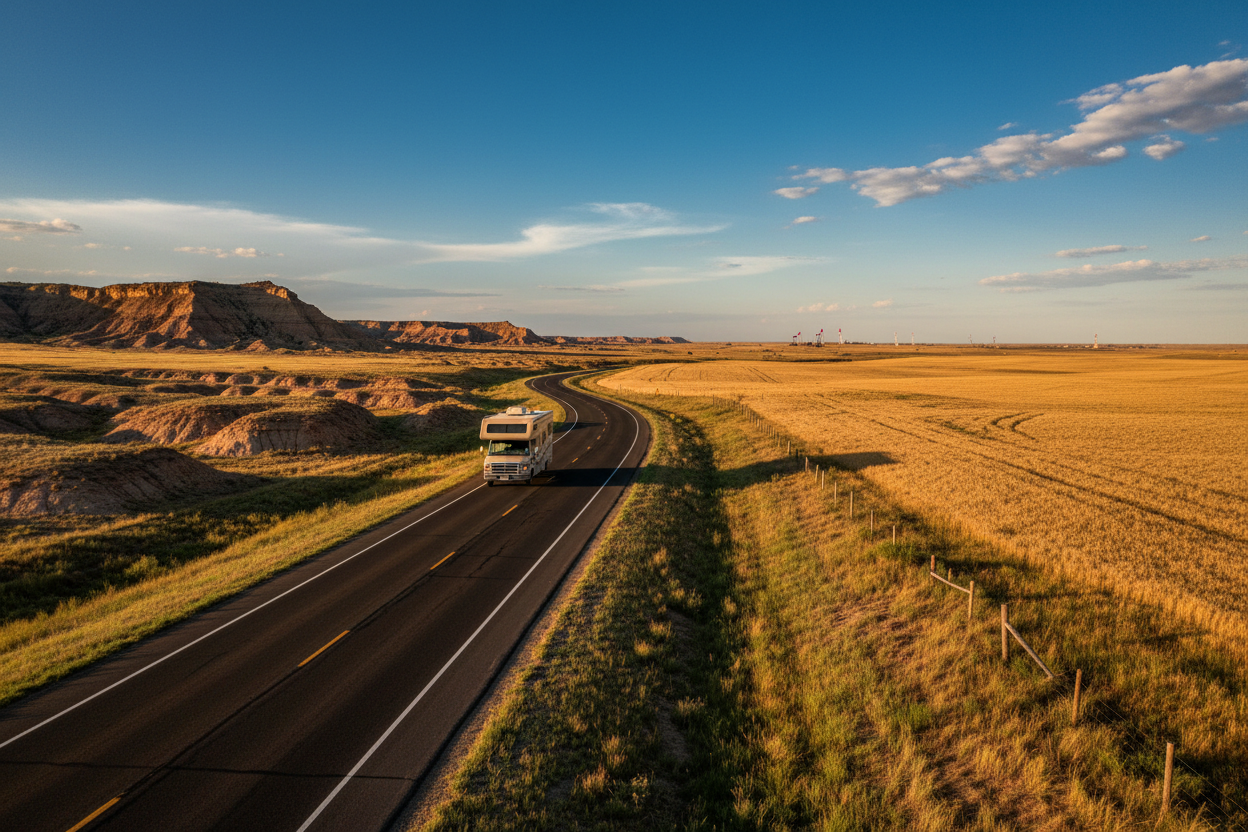
The Ultimate North Dakota Road Trip: 7-Day Itinerary Through the Peace Garden State
North Dakota might not be the first state that comes to mind when planning an epic road trip, but trust me—this hidden gem of the Midwest offers some of the most breathtaking landscapes, fascinating history, and unique attractions you’ll find anywhere in America. From the otherworldly badlands to charming prairie towns, the Peace Garden State delivers an unforgettable adventure that will leave you wondering why you waited so long to visit.
I’ve crafted this comprehensive 7-day North Dakota road trip itinerary to showcase the very best this underrated state has to offer. Whether you’re drawn to dramatic geological formations, Native American heritage, or simply the wide-open spaces that define the American frontier spirit, this journey will exceed your expectations.
Day 1: Arrival in Fargo – Gateway to Adventure
Start your North Dakota road trip in Fargo, the state’s largest city and your perfect launching pad for exploration. After arriving, spend your first day getting acquainted with this vibrant college town that’s far more cosmopolitan than you might expect.
Begin at the Fargo-Moorhead Visitors Center to gather maps and local insights, then head to the historic downtown area. The Plains Art Museum showcases regional artists and rotating exhibitions that capture the essence of Great Plains culture. Don’t miss the Roger Maris Museum, dedicated to the legendary baseball player who broke Babe Ruth’s home run record.
For dinner, experience Fargo’s surprisingly diverse culinary scene. The Boiler Room offers farm-to-table cuisine featuring local ingredients, while Doolittles Woodfire Grill serves up excellent steaks that’ll fuel you for the adventures ahead. End your evening with a stroll along the Red River, where you can watch the sunset paint the sky in brilliant oranges and purples.
Day 2: Fargo to Jamestown – Discover Prairie Heritage
Your second day takes you west toward Jamestown, approximately 100 miles away. This scenic drive introduces you to North Dakota’s endless prairie landscapes and agricultural heritage that defines much of the state’s character.
Jamestown serves as your base for exploring the National Buffalo Museum, home to the world’s largest buffalo monument and a living herd of American bison. The Frontier Village adjacent to the museum recreates pioneer life with authentic buildings and artifacts that transport you back to the 1800s.
Visit the Louis L’Amour Trail, honoring the famous Western novelist who was born nearby. The self-guided tour includes several stops around town where you can learn about L’Amour’s early life and how the North Dakota landscape influenced his legendary storytelling.
Stay overnight at the Hampton Inn & Suites Jamestown, which offers comfortable accommodations and easy access to local restaurants. The Gladstone Inn & Suites provides another excellent option with its indoor pool and complimentary breakfast.
Day 3: Jamestown to Bismarck – Capital City Exploration
Drive southwest to Bismarck, North Dakota’s capital city, where politics meets prairie charm. The journey covers about 100 miles through rolling hills and farmland that showcase the state’s agricultural abundance.
Start your Bismarck exploration at the North Dakota Heritage Center & State Museum, which houses the most comprehensive collection of state artifacts and exhibits covering 600 million years of history. The museum’s paleontology exhibits are particularly impressive, featuring fossils found throughout the state.
Take a tour of the North Dakota State Capitol building, a striking Art Deco skyscraper that rises majestically from the prairie. The building offers panoramic views of the Missouri River valley from its observation deck on the 18th floor.
Cross the Missouri River to visit Fort Abraham Lincoln State Park, where you can explore the reconstructed cavalry post and Mandan Indian village. This historic site served as Lieutenant Colonel George Armstrong Custer’s last command before the Battle of Little Bighorn.
Day 4: Bismarck to Theodore Roosevelt National Park South Unit
Today marks the beginning of your badlands adventure as you drive west toward Theodore Roosevelt National Park’s South Unit near Medora. This 135-mile journey transforms the landscape from prairie to the dramatic badlands that define western North Dakota.
Stop in Medora, a charming Western town that serves as the gateway to the national park. This restored frontier town offers shopping, dining, and the famous Medora Musical, a patriotic outdoor show performed during summer months in a natural amphitheater.
Enter Theodore Roosevelt National Park and drive the 36-mile scenic loop road through the South Unit. The route offers numerous pullouts and hiking opportunities where you can witness the park’s incredible biodiversity, including wild horses, bison, prairie dogs, and over 180 bird species.
Hike the Wind Canyon Trail for spectacular sunset views over the Little Missouri River valley. The short, easy trail rewards visitors with some of the most photographed vistas in North Dakota. Camp at Cottonwood Campground within the park or stay at the historic Rough Riders Hotel in Medora for a more comfortable experience.
Day 5: Exploring Theodore Roosevelt National Park
Dedicate your entire fifth day to thoroughly exploring Theodore Roosevelt National Park, one of North Dakota’s crown jewels. Start early with the Ridgeline Nature Trail, which provides excellent opportunities for wildlife viewing and photography.
Drive north to the park’s Elkhorn Ranch Site, where Theodore Roosevelt’s ranch once stood. Although only foundation stones remain, the site offers profound historical significance and solitude that allows you to connect with the landscape that shaped our 26th president’s conservation philosophy.
Continue to the North Unit of the park, located about 70 miles north near Watford City. The 14-mile scenic drive through the North Unit showcases different badlands formations and offers access to the Caprock Coulee Trail, where you can spot longhorn steers that roam freely throughout the area.
The Sperati Point overlook provides breathtaking panoramic views of the Little Missouri River valley and surrounding badlands. Pack a picnic lunch to enjoy while taking in these incredible vistas that stretch for miles in every direction.
Day 6: Badlands to Williston and Oil Boom Country
Your sixth day takes you into North Dakota’s oil country around Williston, where you’ll witness firsthand the modern-day energy boom that has transformed this region. The drive from Theodore Roosevelt National Park covers approximately 60 miles through changing landscapes.
Visit the Missouri-Yellowstone Confluence Interpretive Center, which sits at the historic meeting point of these two mighty rivers. Lewis and Clark camped at this exact spot during their expedition, and the center provides excellent exhibits about their journey and the area’s natural history.
Explore downtown Williston, which has experienced dramatic growth due to the Bakken oil formation. The Williston Area Recreation Center offers indoor activities if weather doesn’t cooperate, while the nearby Lewis and Clark State Park provides outdoor recreation opportunities along Lake Sakakawea.
Take a scenic drive along the Missouri River to see how the Garrison Dam created Lake Sakakawea, one of the largest man-made lakes in the United States. The area offers excellent fishing, boating, and wildlife viewing opportunities.
Day 7: Return Journey Through Central North Dakota
Your final day involves the return journey eastward, but don’t rush—North Dakota saves some wonderful surprises for the road home. Plan your route through central North Dakota to experience different landscapes and attractions you missed on the westbound journey.
Stop in Minot to visit the Scandinavian Heritage Park, which celebrates the strong Nordic heritage throughout North Dakota. The park features authentic buildings, including a Norwegian stave church and Swedish Dala horse, that honor the immigrants who settled this region.
Consider a detour to the International Peace Garden on the Canadian border if time permits. This unique park straddles the US-Canada border and symbolizes the peaceful relationship between the two nations. The formal gardens, hiking trails, and Peace Tower create a fitting end to your North Dakota adventure.
As you drive east toward Fargo for your departure, reflect on the incredible diversity you’ve experienced in just seven days. From bustling cities to pristine wilderness, from ancient geological formations to modern energy development, North Dakota offers a complete American experience that few states can match.
Essential Road Trip Planning Tips
Planning a successful North Dakota road trip requires some preparation, especially given the state’s vast distances and sometimes challenging weather conditions. Pack layers of clothing regardless of season, as prairie weather can change rapidly throughout the day.
Ensure your vehicle is in excellent condition before departing, and always travel with emergency supplies including water, snacks, blankets, and a first aid kit. Cell phone coverage can be spotty in remote areas, so download offline maps and inform others of your planned route.
Book accommodations in advance, especially during summer months when tourism peaks. Many small towns have limited lodging options, and oil boom areas like Williston can experience high demand for hotel rooms.
Budget for fuel costs, as distances between attractions can be substantial. However, gas prices in North Dakota are typically lower than national averages, making it an affordable road trip destination.
Best Time to Visit North Dakota
The optimal time for a North Dakota road trip runs from late spring through early fall, roughly May through September. Summer months offer the warmest weather and longest daylight hours, perfect for outdoor activities and sightseeing.
Fall provides spectacular prairie colors and comfortable temperatures, while spring brings wildflowers and migrating birds. Winter road trips are possible but require extra preparation for snow and cold conditions that can be extreme even by Midwest standards.
Frequently Asked Questions
How many miles will I drive during this 7-day North Dakota road trip?
You’ll cover approximately 1,200-1,500 miles depending on your specific route choices and side trips. The main itinerary involves moderate daily driving distances of 100-150 miles between major stops.
What’s the best vehicle for a North Dakota road trip?
Any reliable vehicle will work for this itinerary, as you’ll primarily travel on paved highways and well-maintained roads. An SUV or truck provides extra comfort and cargo space, but it’s not necessary for accessing the attractions included in this route.
Do I need to make reservations at Theodore Roosevelt National Park?
The park doesn’t require advance reservations for day visits, but camping reservations are highly recommended during peak season (June-August). Some popular trails and viewpoints can get crowded during summer weekends.
What should I pack for unpredictable prairie weather?
Layer your clothing and pack for temperature swings. Include a warm jacket, rain gear, comfortable hiking boots, sun protection, and extra water. Weather can change rapidly on the Great Plains.
Are there good dining options in small North Dakota towns?
Yes, many small towns feature excellent local restaurants, often specializing in hearty Midwestern fare and regional specialties. However, dining hours may be limited, so plan meal times accordingly and consider packing snacks for longer driving segments.
How much should I budget for this North Dakota road trip?
Budget $150-250 per day for two people, including lodging, meals, fuel, and attraction fees. Costs vary significantly based on accommodation choices and dining preferences, but North Dakota generally offers good value compared to coastal destinations.