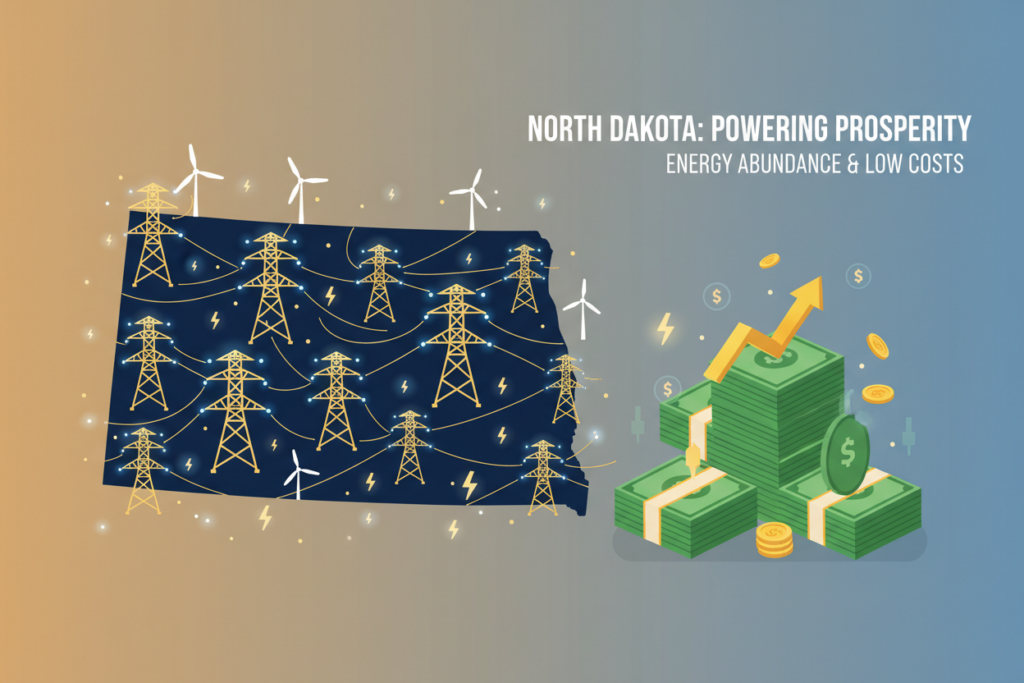
When you flip on the lights in North Dakota, you’re enjoying some of the cheapest electricity in the entire United States. While residents in states like Hawaii and California often cringe at their monthly power bills, North Dakotans typically pay less than half the national average for their electricity. But what makes this northern state such an energy bargain? The answer lies in a fascinating combination of natural resources, strategic energy policies, and economic factors that have created the perfect storm for affordable power.
Understanding North Dakota‘s energy advantage isn’t just about satisfying curiosity – it offers valuable insights into how energy economics work and what other states might learn from this success story. Let’s explore the complex web of factors that keep North Dakota’s electricity costs remarkably low.

The Numbers Don’t Lie: North Dakota’s Electricity Advantage
Before diving into the why, let’s establish just how significant North Dakota‘s electricity cost advantage really is. According to the U.S. Energy Information Administration, North Dakota consistently ranks among the top three states for lowest residential electricity rates. While the national average hovers around 13-14 cents per kilowatt-hour, North Dakota residents often pay as little as 9-10 cents per kWh.
This difference might seem small, but it adds up quickly. For an average household using 1,000 kWh per month, North Dakota residents save approximately $30-50 monthly compared to the national average. Over a year, that’s $360-600 in savings – money that stays in residents’ pockets instead of going to utility bills.
What makes these numbers even more impressive is their consistency. North Dakota hasn’t just had a few good years; the state has maintained this competitive advantage for decades, weathering various energy crises and market fluctuations that have sent costs soaring elsewhere.
Coal: The Foundation of North Dakota’s Energy Portfolio
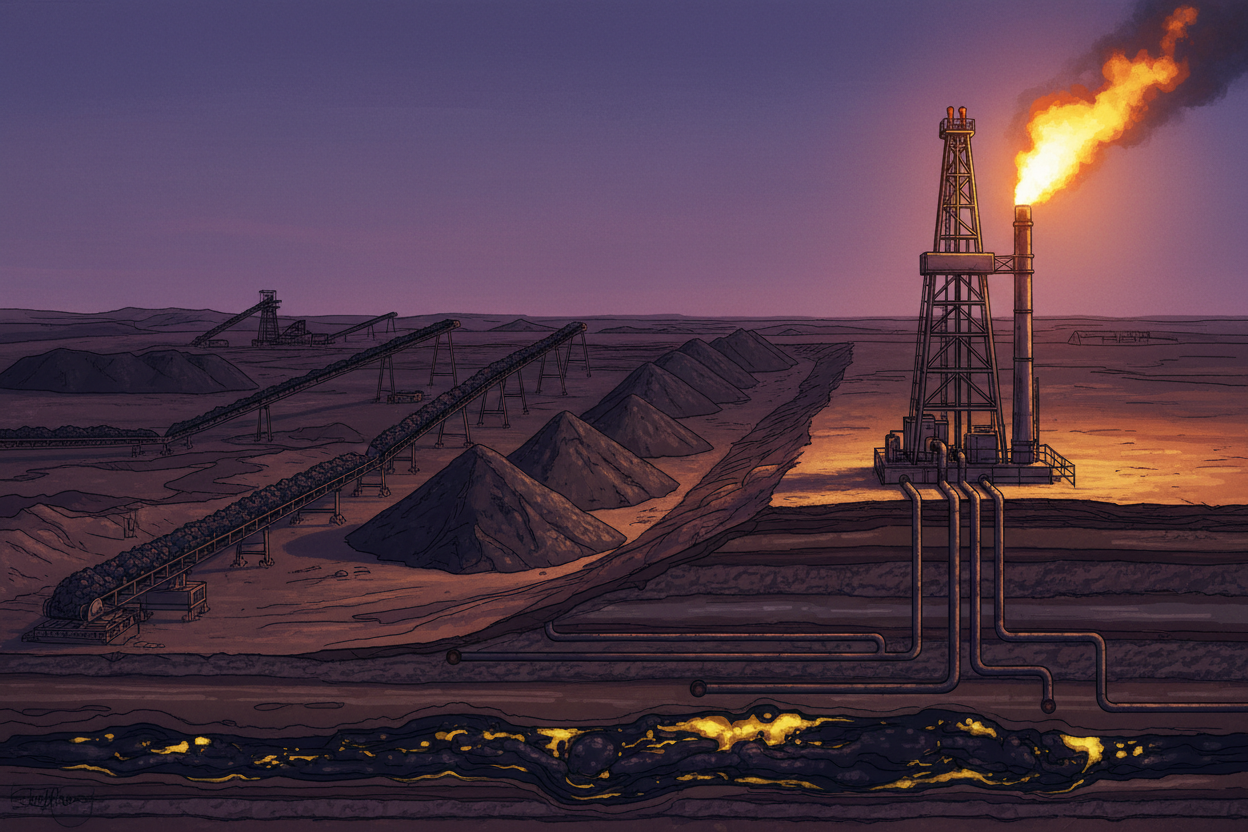
The backbone of North Dakota’s cheap electricity lies deep underground in the form of lignite coal. The state sits atop some of the largest lignite coal reserves in the world, with an estimated 9 billion tons of recoverable coal. This isn’t just any coal – lignite is particularly well-suited for electricity generation, and North Dakota has plenty of it.
What makes lignite special for North Dakota’s energy economics is its accessibility and low extraction costs. Much of the state’s lignite can be extracted through surface mining, which is significantly cheaper than deep underground mining operations. The coal seams are thick, relatively shallow, and easy to access, keeping mining costs low.
The proximity factor cannot be overstated. When your power plants are located virtually next door to your fuel source, transportation costs plummet. North Dakota’s coal-fired power plants often receive their fuel via short conveyor belts directly from nearby mines, eliminating the need for expensive rail or truck transportation that adds costs in other regions.
Currently, coal generates approximately 70% of North Dakota’s electricity, providing a stable, predictable cost base that utilities can count on for long-term planning. This reliability in fuel costs translates directly to stable, low electricity rates for consumers.
Natural Gas: The Perfect Complement
While coal provides the foundation, North Dakota’s energy story gets even more interesting when you consider its natural gas resources. The Bakken formation, famous for its oil production, also produces substantial amounts of natural gas as a byproduct. This creates a unique situation where the state has access to extremely cheap natural gas – sometimes so cheap that it’s been flared off rather than captured.
In recent years, North Dakota has made significant investments in natural gas infrastructure, including pipelines and processing facilities. This has allowed the state to capture more of this previously wasted resource and put it to work generating electricity. Natural gas plants can quickly ramp up or down to meet demand, making them perfect partners for baseload coal plants.
The abundance of both coal and natural gas creates competition between fuel sources, which helps keep costs low. Utilities can choose the most economical option at any given time, and this flexibility translates to savings for consumers.
Renewable Energy: A Growing Piece of the Puzzle
Don’t let North Dakota’s reputation as a fossil fuel state fool you – the state is also becoming a renewable energy powerhouse. With wide open spaces and consistent winds, North Dakota has developed significant wind energy resources. The state now generates about 25% of its electricity from wind power, and this percentage continues to grow.
What’s particularly interesting about North Dakota’s approach to wind energy is how it complements rather than competes with traditional sources. Wind farms often have long-term power purchase agreements at fixed, low rates, providing another source of cost-stable electricity. When the wind is blowing strong, utilities can reduce their reliance on more expensive fuel-based generation.
The state’s renewable energy development has been strategic and economically driven rather than mandated by aggressive renewable portfolio standards. This market-based approach has allowed renewable sources to develop where they make the most economic sense, contributing to overall cost efficiency.
Regulatory Environment and Market Structure
North Dakota’s regulatory environment plays a crucial role in maintaining low electricity costs. The state has maintained a traditional regulated utility model rather than moving to deregulated markets like some other states. This approach provides several cost advantages.
Regulated utilities in North Dakota operate under cost-of-service regulation, where rates are set to cover the utility’s costs plus a reasonable return on investment. Because North Dakota utilities have access to cheap fuel sources and face relatively simple regulatory requirements, their costs remain low, and these savings pass through to consumers.
The state’s Public Service Commission takes a pragmatic approach to utility regulation, focusing on reliability and affordability rather than pursuing aggressive environmental mandates that might increase costs. This doesn’t mean they ignore environmental concerns, but they balance these considerations against economic impacts.
Additionally, North Dakota has avoided some of the market complexities and administrative costs that come with deregulated electricity markets. While deregulation can sometimes lead to lower costs through competition, it can also create market inefficiencies and administrative overhead that ultimately get passed to consumers.
Geographic and Demographic Advantages
North Dakota’s geography and demographics create several natural advantages for low electricity costs. The state’s relatively low population density means less strain on the electrical grid during peak demand periods. With fewer people competing for the same generating capacity, utilities can operate more efficiently and avoid the need for expensive peaking power plants.
The state’s climate, while harsh in winter, actually provides some electricity cost advantages. Cold weather increases heating demand but reduces air conditioning loads during summer months. This creates a more balanced seasonal demand pattern compared to states with extreme summer cooling needs.
North Dakota’s industrial base also contributes to cost efficiency. The state has several large industrial customers, including oil refineries and agricultural processing facilities, that provide steady, predictable demand. These customers help utilities achieve better capacity utilization and spread fixed costs over a larger customer base.
Economic Spillover Effects
Cheap electricity creates a virtuous cycle in North Dakota’s economy. Low energy costs attract energy-intensive industries, which increases electricity demand and allows utilities to achieve better economies of scale. Data centers, manufacturing facilities, and agricultural processing operations have all been drawn to the state partly because of its competitive electricity rates.
The energy sector itself provides significant economic benefits that help keep costs low. Tax revenues from energy companies help fund state and local governments, reducing the need for utility taxes and fees that get passed on to consumers in other states. Additionally, high-paying energy sector jobs create a strong tax base that supports public infrastructure, including electrical grid improvements.
This economic strength also provides stability for utility planning. When utilities operate in economically healthy regions, they face lower risks of customer defaults and can make long-term investments with confidence, leading to more efficient operations and lower costs.
Challenges and Future Outlook
While North Dakota’s electricity cost advantage is significant, it’s not without challenges. Environmental regulations, particularly those targeting coal-fired power plants, could increase costs over time. The state will need to balance its traditional energy advantages with evolving environmental requirements.
Market changes in the broader energy sector also present both challenges and opportunities. As renewable energy costs continue to decline nationally, North Dakota’s utilities will need to adapt their generation mix to maintain their cost advantage. However, the state’s excellent renewable resources position it well for this transition.
Grid modernization and infrastructure improvements will require ongoing investment, but North Dakota’s strong economic foundation provides the resources needed for these upgrades. The state’s utilities have generally maintained their infrastructure well, avoiding the deferred maintenance problems that plague some other regions.
Lessons for Other States
North Dakota’s success offers several lessons for other states seeking to reduce electricity costs. First, having access to diverse, local energy resources provides significant advantages in terms of both cost and supply security. States with their own energy resources can avoid the transportation costs and supply chain risks that affect regions dependent on imported fuels.
Second, regulatory stability and pragmatic policy-making contribute to cost efficiency. While aggressive environmental policies may serve important goals, they can also increase electricity costs. Finding the right balance between environmental and economic objectives is crucial for maintaining affordable electricity.
Finally, North Dakota demonstrates that traditional and renewable energy sources can coexist effectively when development is driven by economic rather than purely political considerations. The state’s gradual, market-based transition to include more renewable sources has maintained cost efficiency while diversifying the energy portfolio.
Conclusion
North Dakota’s position as home to some of America’s cheapest electricity isn’t the result of any single factor, but rather a fortunate combination of abundant natural resources, smart policy decisions, and favorable economic conditions. The state’s vast coal reserves provide a low-cost foundation, while growing natural gas and renewable resources add flexibility and competition to the energy mix.
The regulatory environment emphasizes reliability and affordability, while the state’s demographics and geography create natural efficiencies. Economic spillover effects from the energy sector create a virtuous cycle that helps maintain the cost advantage.
As energy markets continue to evolve, North Dakota faces the challenge of maintaining its competitive advantage while adapting to changing environmental and economic conditions. However, the state’s diverse energy resources and strong economic foundation position it well for continued success in providing affordable electricity to its residents.
For consumers in other states paying higher electricity rates, North Dakota’s example demonstrates that affordable electricity is possible with the right combination of resources, policies, and economic conditions. While not every state can replicate North Dakota’s exact circumstances, there are valuable lessons to be learned from the Peace Garden State‘s energy success story.
Frequently Asked Questions
Q: How much cheaper is electricity in North Dakota compared to other states?
A: North Dakota typically ranks in the top 3 states for lowest electricity rates, with residential customers paying around 9-10 cents per kWh compared to the national average of 13-14 cents per kWh. This represents savings of 25-35% compared to typical rates elsewhere.
Q: Is North Dakota’s cheap electricity only due to coal power?
A: While coal provides about 70% of North Dakota’s electricity and is a major cost advantage, the state also benefits from abundant natural gas, growing wind power resources, efficient regulation, and favorable demographics that all contribute to low costs.
Q: Will North Dakota’s electricity costs increase as environmental regulations tighten?
A: Costs may increase somewhat due to environmental compliance, but North Dakota’s diverse energy resources, including excellent wind and natural gas resources, should help maintain a competitive advantage even as the energy mix evolves.
Q: Can other states replicate North Dakota’s low electricity costs?
A: While not every state has North Dakota’s specific advantages (abundant coal, natural gas, and wind resources), other states can learn from North Dakota’s pragmatic regulatory approach, emphasis on local resources, and market-based energy development strategies.
Q: How does North Dakota’s electricity reliability compare to states with higher costs?
A: North Dakota maintains excellent electricity reliability despite its low costs. The state’s utilities have invested in robust infrastructure and maintain diverse generation resources, resulting in reliability metrics that meet or exceed national averages.
Q: What role does the oil industry play in North Dakota’s cheap electricity?
A: The oil industry contributes in several ways: it provides abundant natural gas as a byproduct, generates tax revenues that reduce the need for utility taxes, creates industrial demand that improves utility economics, and supports a strong economy that benefits the entire electricity system.