
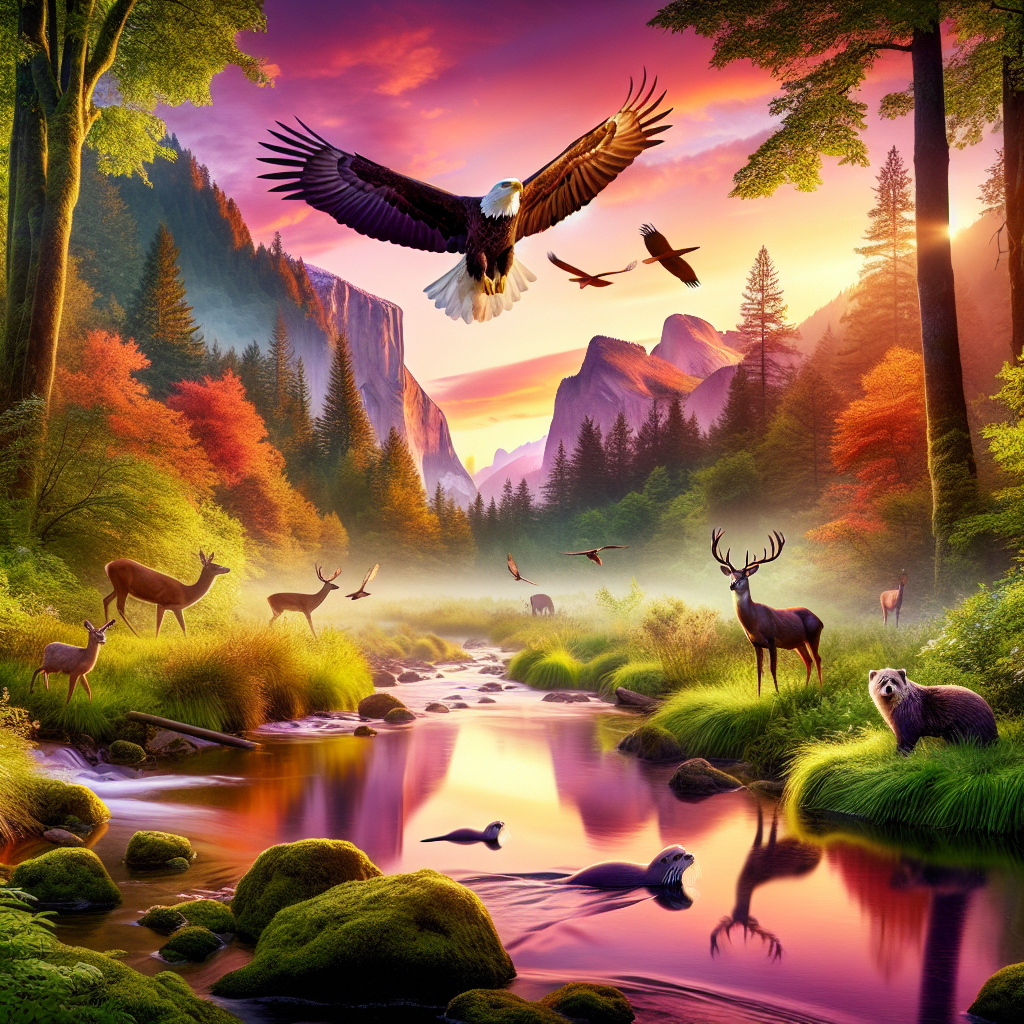
Oregon, a gem in the Pacific Northwest, is renowned for its lush landscapes and breathtaking scenery. Beyond its picturesque views, Oregon’s national parks are home to a diverse array of wildlife that captivates nature enthusiasts and casual visitors alike. Whether you’re an avid birdwatcher, a fan of furry mammals, or simply eager to explore the natural world, Oregon’s national parks offer something special for everyone. In this blog post, we delve into the unique wildlife you can discover in these stunning settings.
The Diverse Ecosystems of Oregon’s National Parks
Oregon’s national parks are a testament to the state’s ecological diversity, hosting a variety of habitats ranging from dense forests to arid high deserts. This variety in landscapes is a major factor contributing to the rich biodiversity found within the parks. Before we explore the specific wildlife, let’s understand the different ecosystems that make these parks such a haven for flora and fauna.
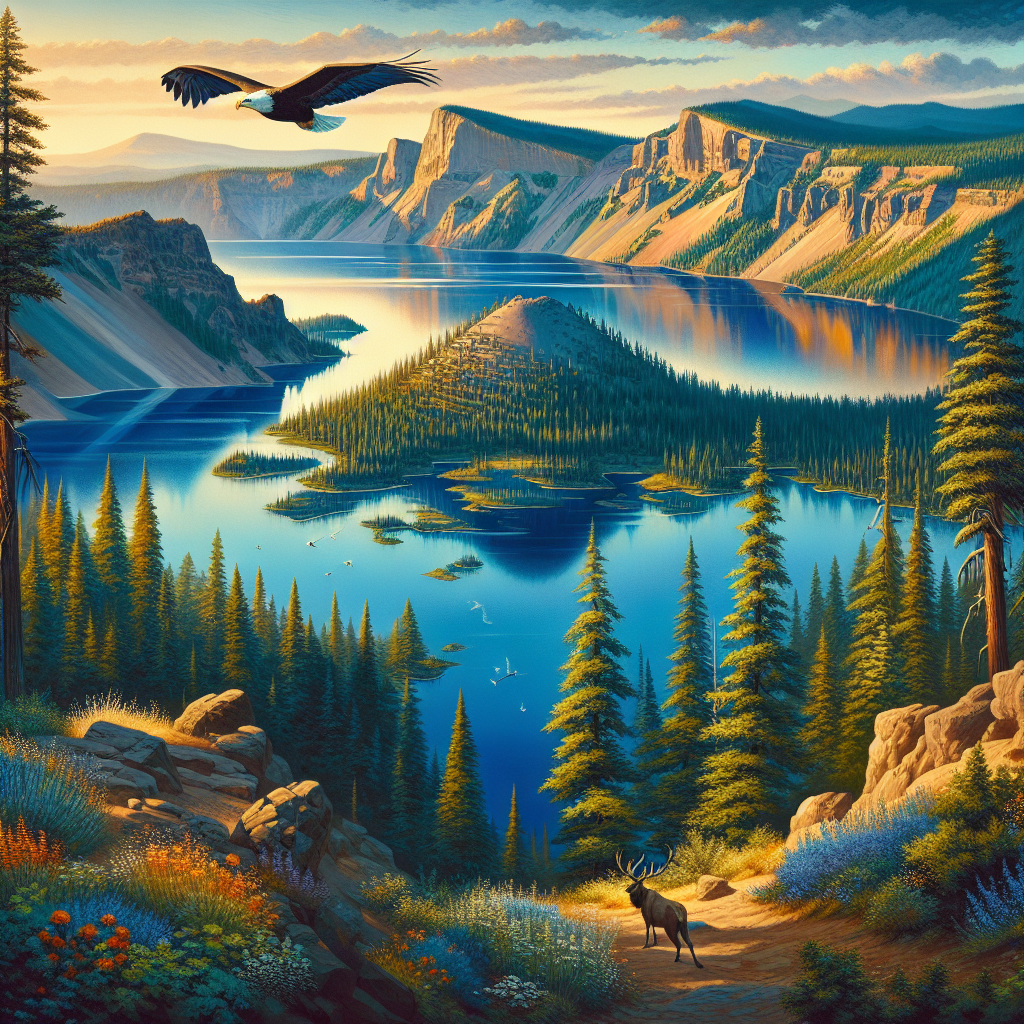
Crater Lake National Park: A Subalpine Wonderland
Crater Lake National Park, famous for its deep blue waters and the enchanting Wizard Island, also boasts a unique subalpine ecosystem. Here, you’ll find a variety of wildlife adapted to the cooler climate and high elevation.
The park is home to the elusive pika, a small, rabbit-like mammal that thrives in rocky terrain. You might also spot the Clark’s nutcracker, a bird integral to the area’s ecosystem due to its role in spreading whitebark pine seeds. Keep your eyes peeled for black bears, too, as they forage for berries and roots in the park’s forests.
Oregon Caves National Monument: A Subterranean Ecosystem
Oregon Caves National Monument offers a glimpse into a fascinating underground world that supports a unique collection of wildlife. The cool, dark environment of the caves provides a habitat for creatures like the endemic Oregon Caves pseudoscorpion.
Above ground, the monument is enveloped by lush forests where you can encounter creatures such as the northern spotted owl and the Pacific fisher. These species rely on the dense canopy and the rich understory for their survival, making the monument’s surroundings just as intriguing as the caves themselves.
John Day Fossil Beds National Monument: A Time Capsule of Biodiversity
John Day Fossil Beds is not just a window into the past but also a thriving habitat for contemporary wildlife. The monument’s semi-desert environment is home to a variety of animals that have adapted to its dry conditions.
Here, you can find the pronghorn, often mistaken for antelope, which is one of the fastest land animals in North America. The monument is also a paradise for birdwatchers, with species such as the sage sparrow and the golden eagle frequently spotted soaring above the rugged landscape.
Embrace the Adventure: Wildlife Watching Tips
While exploring Oregon‘s national parks, it’s crucial to remember that you are entering the homes of these animals. Here are some tips to ensure a respectful and fulfilling wildlife watching experience:
1. Be Quiet and Patient: Wildlife often shy away from noise and sudden movements. Approach viewing areas quietly and be prepared to wait for a while to observe animals in their natural behavior.
2. Bring Binoculars: Binoculars can enhance your viewing experience, allowing you to observe animals from a distance without disturbing them.
3. Stay on Designated Trails: Staying on marked paths minimizes your impact on the environment and reduces the risk of disturbing wildlife.
4. Respect the Animals: Never feed or attempt to interact with wildlife. Human food can be harmful to them, and close interactions can be dangerous for both you and the animals.
Conclusion: Protecting Oregon’s Natural Heritage
Oregon’s national parks are not just a sanctuary for wildlife—they are a treasure trove of biodiversity that reflects the beauty and complexity of our natural world. As visitors, it is our responsibility to appreciate and protect these unique ecosystems, ensuring they remain vibrant for generations to come. Whether you’re exploring the serene waters of Crater Lake, the mysterious depths of Oregon Caves, or the ancient landscapes of John Day Fossil Beds, each visit is an opportunity to connect with nature and deepen your understanding of the incredible wildlife that calls Oregon home.
FAQs
Q: What is the best time to visit Oregon’s national parks for wildlife viewing?
A: Spring and early summer are ideal for wildlife viewing, as many animals are more active during these seasons. However, each park offers unique opportunities throughout the year.
Q: Are there guided tours available for wildlife watching in these parks?
A: Yes, many parks offer guided tours and ranger-led programs that provide valuable insights into the local wildlife and ecosystems.
Q: How can I help protect the wildlife in Oregon’s national parks?
A: Follow Leave No Trace principles, respect wildlife by observing from a distance, and report any suspicious activity to park authorities. Your actions can make a significant difference in preserving these natural habitats.