Philbrook Museum of Art: A Cultural Treasure in Tulsa
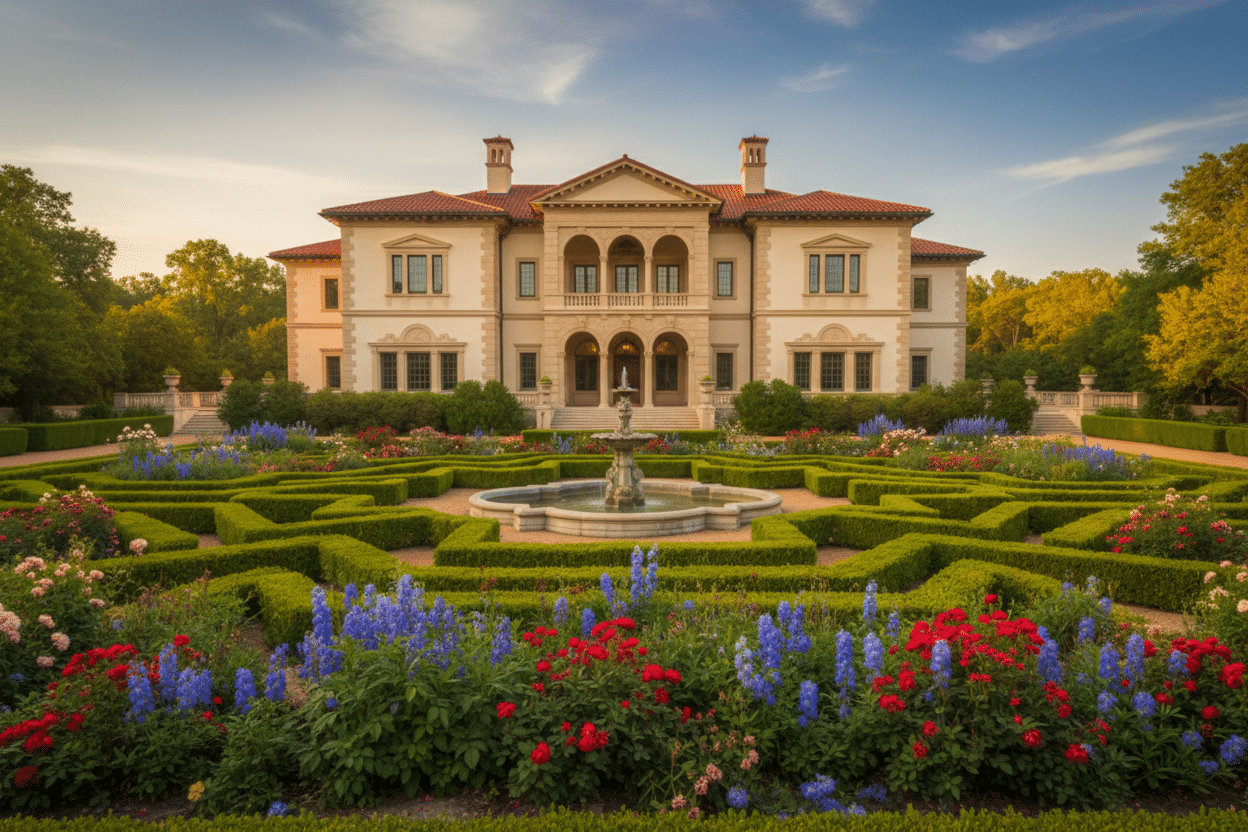
Nestled in the heart of Tulsa, Oklahoma, the Philbrook Museum of Art stands as one of America’s most magnificent cultural institutions. This breathtaking venue combines world-class art collections with stunning architecture and gardens that transport visitors to another era. Whether you’re an art enthusiast, history buff, or simply someone who appreciates beauty, Philbrook offers an unforgettable experience that showcases the very best of Tulsa’s cultural landscape.
Originally built as a private mansion in 1927, Philbrook has evolved into a premier destination that attracts visitors from around the globe. The museum’s unique blend of Italian Renaissance architecture, meticulously maintained gardens, and diverse art collections creates an atmosphere that’s both inspiring and educational. From ancient artifacts to contemporary masterpieces, Philbrook houses treasures that span thousands of years and countless cultures.
The Rich History Behind Philbrook Museum
The story of Philbrook begins with Waite Phillips, an oil magnate who commissioned the construction of this remarkable estate during the height of the oil boom in Oklahoma. Phillips envisioned a home that would rival the great estates of Europe, and he spared no expense in bringing his vision to life. The 72-room mansion was designed by Edward Buehler Delk in the Italian Renaissance Revival style, featuring imported materials and craftsmanship that reflected the finest European traditions.
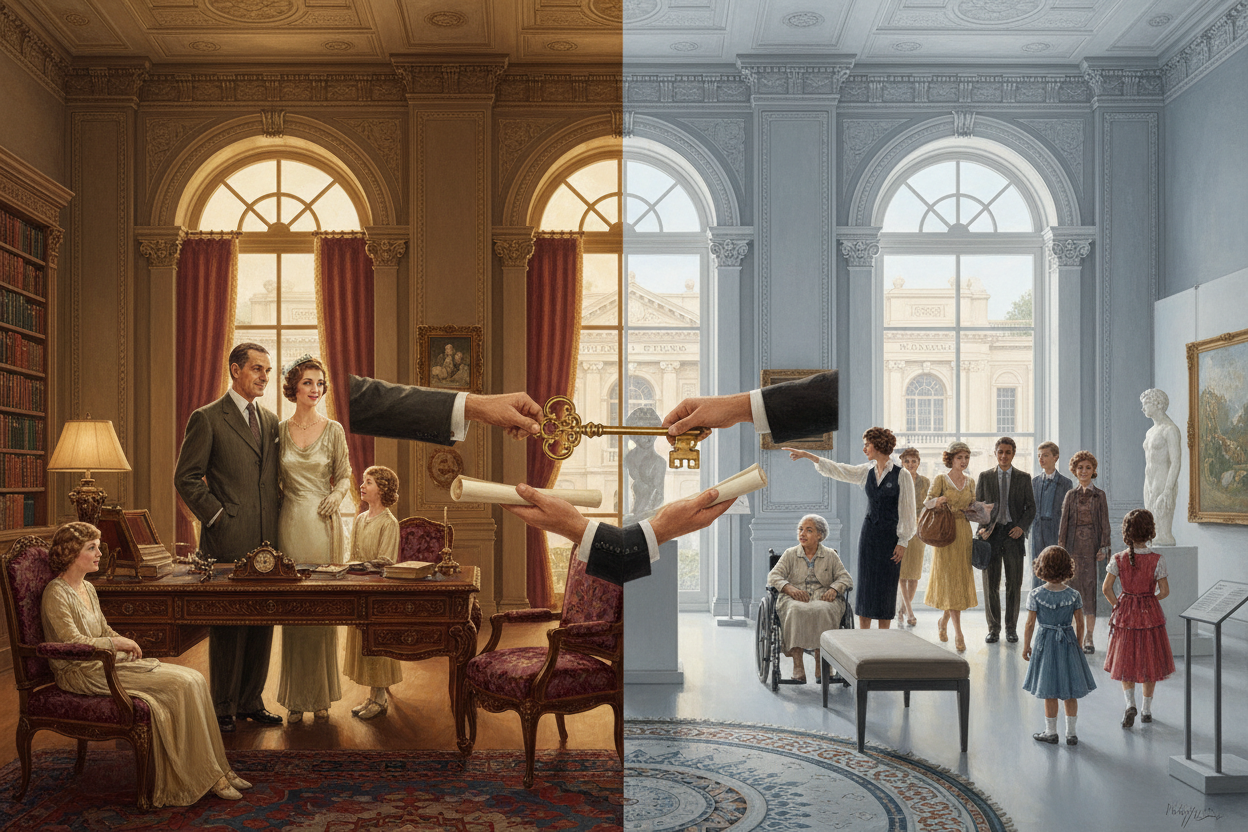
In 1938, the Phillips family made the generous decision to donate their beloved home to the city of Tulsa, with the specific intention of creating a museum that would benefit the community for generations to come. This act of philanthropy transformed a private residence into a public treasure, ensuring that the beauty and cultural significance of Philbrook would be preserved and shared with all who wished to experience it.
The transition from private mansion to public museum wasn’t immediate. It took several years of planning and preparation before Philbrook officially opened its doors as a museum in 1939. Since then, the institution has undergone numerous expansions and renovations while carefully preserving the original character and charm that makes it so special.
Architectural Marvel: Exploring the Mansion’s Design
Walking through Philbrook Museum feels like stepping into a Renaissance palace. The mansion’s architecture is a testament to the craftsmanship and attention to detail that characterized the finest homes of the early 20th century. Every room tells a story through its design elements, from the hand-painted ceilings to the intricate moldings and period furnishings that have been carefully preserved.
The Great Hall serves as the museum’s centerpiece, featuring soaring ceilings, elegant archways, and stunning architectural details that immediately capture visitors’ attention. The room’s grandeur sets the tone for the entire museum experience, while the original furnishings and decorative elements provide insight into how the Phillips family lived during Tulsa’s golden age.
One of the most remarkable aspects of Philbrook’s architecture is how seamlessly it integrates indoor and outdoor spaces. Large windows and French doors throughout the mansion offer glimpses of the spectacular gardens beyond, creating a sense of harmony between the built environment and the natural landscape. This thoughtful design approach enhances the visitor experience and demonstrates the sophisticated planning that went into the mansion’s original construction.
World-Class Art Collections That Inspire
Philbrook Museum houses an impressive collection of more than 14,000 works of art spanning various periods, cultures, and artistic movements. The permanent collection includes everything from ancient Greek pottery and Native American artifacts to contemporary paintings and sculptures. This diversity ensures that every visitor can find something that resonates with their personal interests and artistic preferences.
The museum’s American art collection is particularly noteworthy, featuring works by renowned artists such as Thomas Hart Benton, Georgia O’Keeffe, and Frederic Remington. These pieces provide visitors with a comprehensive overview of American artistic development while highlighting the unique perspectives and techniques that have shaped the nation’s cultural identity.
European art is also well-represented at Philbrook, with notable works from various periods including Renaissance paintings, Baroque sculptures, and Impressionist masterpieces. The museum’s acquisition strategy focuses on obtaining high-quality pieces that complement existing collections while filling important gaps in art historical representation.
Contemporary art plays an increasingly important role in Philbrook’s programming, with rotating exhibitions that showcase both established and emerging artists. These temporary displays keep the museum experience fresh and relevant while introducing visitors to new artistic movements and contemporary perspectives on traditional themes.
The Magnificent Gardens: An Outdoor Masterpiece
No visit to Philbrook Museum would be complete without exploring the breathtaking 25-acre gardens that surround the mansion. These meticulously maintained outdoor spaces represent one of the finest examples of formal garden design in the American Southwest. The gardens were originally designed by Rose Ishbel Greely, a prominent landscape architect who created a series of distinct outdoor rooms that complement the mansion’s Italian Renaissance architecture.
The Rose Garden stands as the crown jewel of Philbrook’s outdoor spaces, featuring hundreds of rose varieties that bloom throughout the growing season. Visitors can stroll along carefully planned pathways that wind through geometric planting beds, past elegant fountains, and beneath pergolas draped with climbing roses. The garden’s design creates intimate spaces for contemplation while offering stunning vistas of the mansion and surrounding landscape.
The Rock Garden presents a more naturalistic approach to landscape design, incorporating native Oklahoma plants and stone formations that create a sense of harmony with the local environment. This area demonstrates how formal garden principles can be adapted to work with regional climate conditions and indigenous plant materials.
Throughout the gardens, visitors will discover numerous sculptures and art installations that add another dimension to the outdoor experience. These carefully placed works create unexpected moments of discovery and help blur the lines between indoor and outdoor gallery spaces.
Educational Programs and Community Engagement
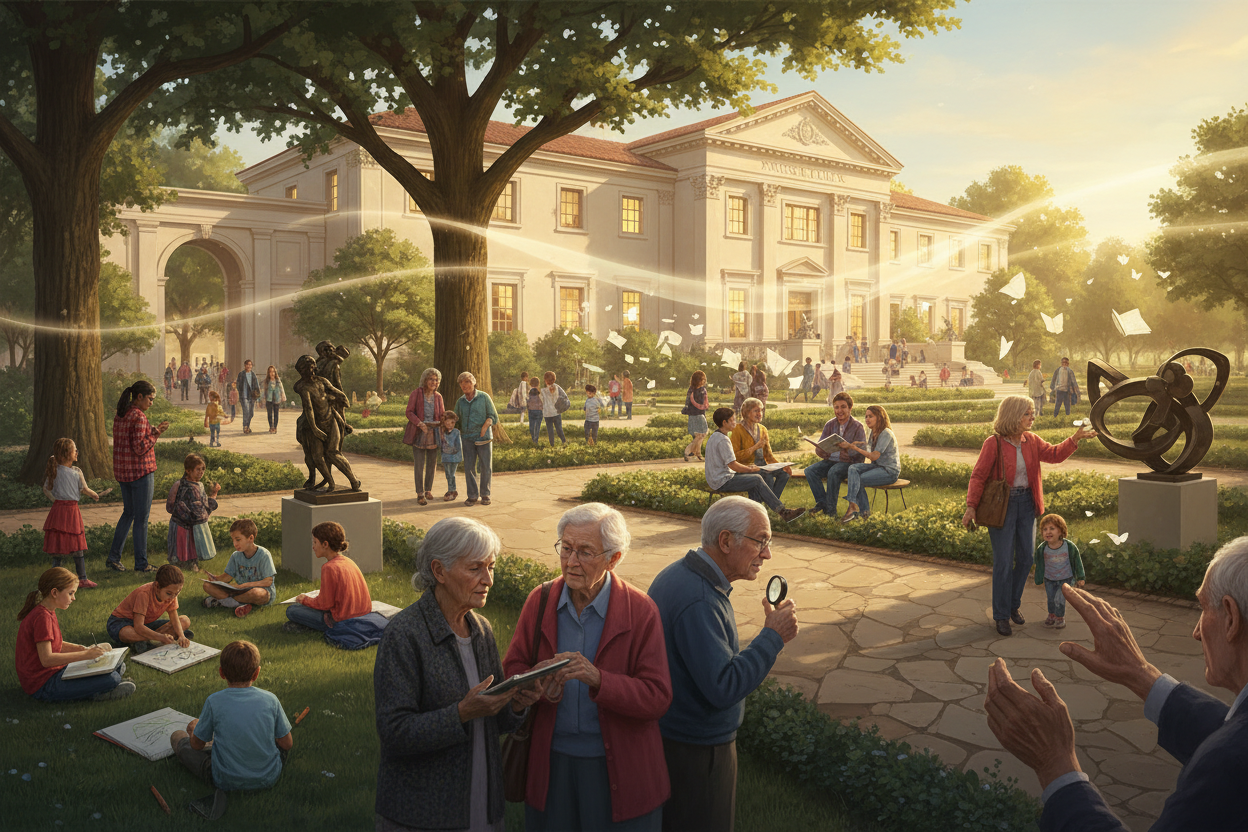
Philbrook Museum serves as much more than a repository for beautiful objects; it functions as an active educational institution that engages with the Tulsa community in meaningful ways. The museum offers a wide range of educational programs designed to serve visitors of all ages and backgrounds, from school children experiencing art for the first time to serious collectors seeking to deepen their understanding of specific artistic movements.
School programs represent a cornerstone of Philbrook’s educational mission, with specially designed tours and hands-on activities that align with state educational standards. These programs introduce thousands of students to art and cultural history each year while fostering creativity and critical thinking skills that extend far beyond the museum walls.
Adult education offerings include lectures, workshops, and symposiums that explore various aspects of art history, collecting, and conservation. These programs attract participants from throughout the region and help establish Philbrook as a center for serious art scholarship and discussion.
The museum also hosts special events throughout the year that bring the community together to celebrate art, culture, and the unique heritage of the Tulsa region. From garden parties to exhibition openings, these gatherings create opportunities for people to connect with one another while experiencing the beauty and inspiration that Philbrook provides.
Planning Your Visit to Philbrook Museum
Visiting Philbrook Museum requires some advance planning to ensure you make the most of your experience. The museum is open Tuesday through Sunday, with extended hours on certain days to accommodate different schedules. Admission fees are reasonable and include access to both the mansion galleries and the gardens, making it an excellent value for the comprehensive experience offered.
Guided tours are available and highly recommended, especially for first-time visitors who want to learn about the mansion’s history and gain insights into the art collections. These tours are led by knowledgeable docents who can provide context and answer questions that enhance your understanding and appreciation of what you’re seeing.
The museum shop offers a carefully curated selection of books, gifts, and art-related items that allow visitors to take a piece of the Philbrook experience home with them. Many items are unique to the museum and make excellent souvenirs or gifts for art lovers.
Photography policies vary throughout the museum, with some areas allowing personal photography while others restrict camera use to protect sensitive artworks. Be sure to check current policies during your visit to avoid any disappointment.
Frequently Asked Questions
What are the current admission prices for Philbrook Museum?
General admission is $15 for adults, $12 for seniors (65+) and students with ID, and free for children 17 and under. Members enjoy free admission year-round.
How long should I plan for a complete visit to Philbrook?
Most visitors spend 2-3 hours exploring both the mansion and gardens. Art enthusiasts or those taking guided tours may want to allow additional time.
Are the gardens accessible year-round?
Yes, the gardens are open during regular museum hours throughout the year. Spring through fall offers the best experience when plants are actively growing and blooming.
Can I host private events at Philbrook Museum?
Yes, Philbrook offers rental opportunities for weddings, corporate events, and private parties. Contact the museum’s events department for availability and pricing.
Is photography allowed inside the museum?
Personal photography is permitted in most areas for non-commercial use, but flash photography and tripods are not allowed. Some special exhibitions may have additional restrictions.
Does Philbrook have a restaurant or cafe?
The museum features a cafe that serves light meals, beverages, and snacks. The cafe often incorporates seasonal ingredients and offers outdoor seating when weather permits.
Philbrook Museum of Art represents far more than just another cultural institution; it embodies the spirit of generosity, beauty, and community engagement that makes Tulsa special. From its origins as a private mansion to its current role as a beloved public treasure, Philbrook continues to inspire, educate, and delight visitors from near and far. Whether you’re drawn by the magnificent architecture, world-class art collections, stunning gardens, or rich history, Philbrook offers an experience that will leave lasting memories and perhaps inspire a deeper appreciation for the arts. Plan your visit today and discover why this remarkable museum has earned its reputation as one of America’s most beautiful and significant cultural destinations.