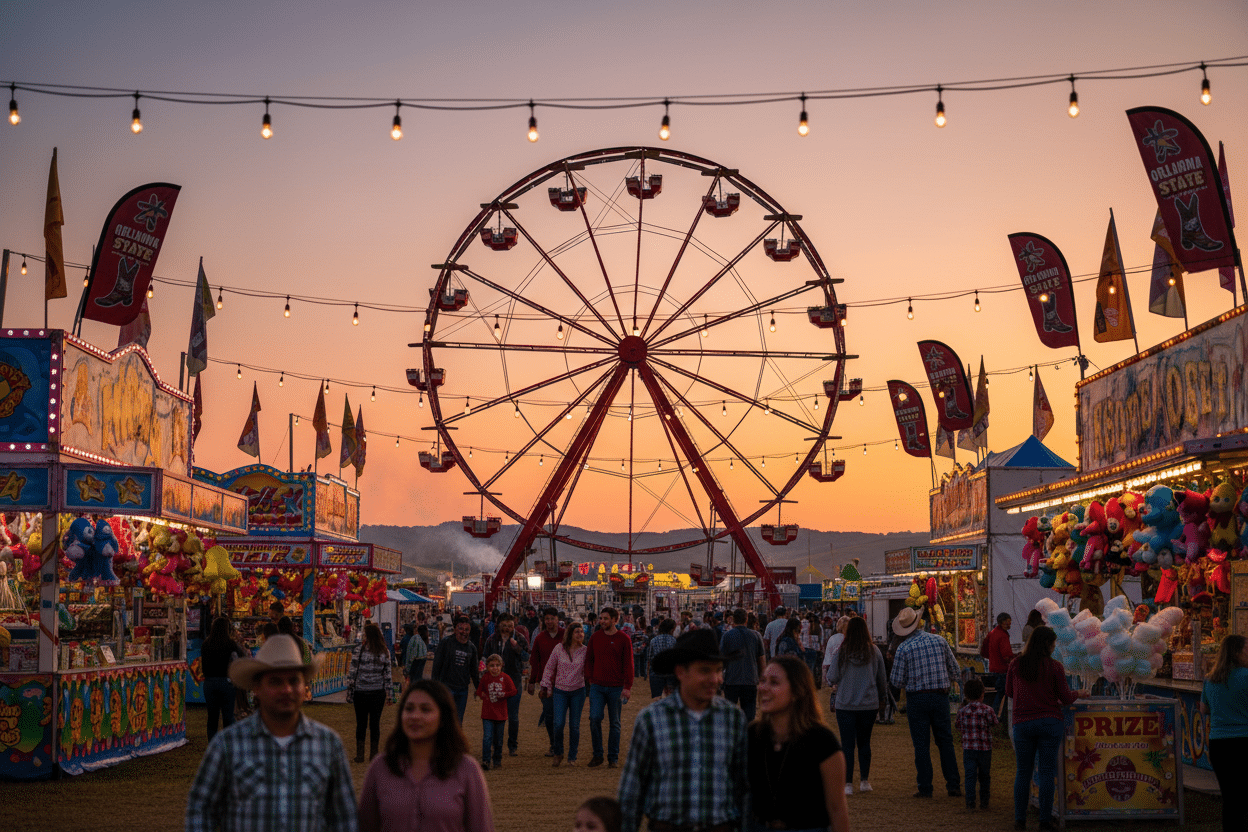
Oklahoma State Fair: A Celebration of Culture and Community
Every September, the heart of Oklahoma City comes alive with the sights, sounds, and flavors that make the Oklahoma State Fair one of the most beloved annual traditions in the Sooner State. For over a century, this remarkable event has served as a vibrant tapestry where agriculture meets artistry, where tradition blends seamlessly with innovation, and where communities from across Oklahoma gather to celebrate what makes their state truly special.
The Oklahoma State Fair isn’t just another carnival that rolls into town – it’s a deeply rooted cultural institution that reflects the soul of Oklahoma itself. From the moment you step through the gates at State Fair Park, you’re immersed in an experience that captures the essence of Midwestern hospitality, agricultural heritage, and the entrepreneurial spirit that has defined Oklahoma for generations.
A Rich History Spanning Generations
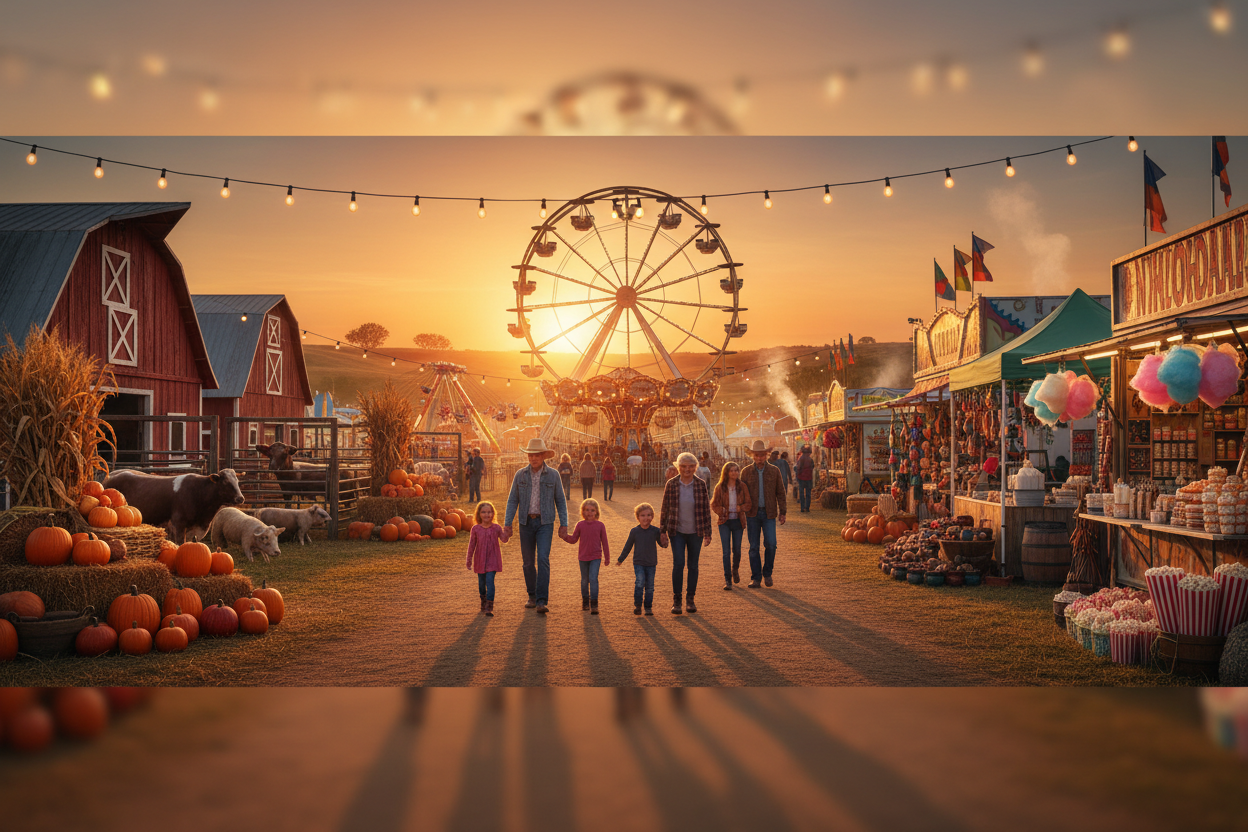
The Oklahoma State Fair’s story begins in 1907, the same year Oklahoma achieved statehood. What started as a modest agricultural exhibition has evolved into a massive celebration that attracts nearly one million visitors annually. The fair’s founding fathers envisioned an event that would showcase Oklahoma’s agricultural prowess while bringing together diverse communities from across the newly formed state.
Throughout its history, the fair has weathered economic downturns, world wars, and social changes, always emerging stronger and more inclusive. The Great Depression couldn’t dampen the spirits of fairgoers, and even during World War II, the fair continued as a symbol of hope and resilience. Today’s fair honors this legacy while embracing modern attractions and contemporary cultural expressions.
The fairgrounds themselves tell a story of growth and adaptation. What once consisted of simple wooden structures and dirt paths has transformed into a sprawling complex featuring permanent buildings, state-of-the-art facilities, and beautifully landscaped spaces that serve the community year-round.
Agricultural Heritage Takes Center Stage
At its core, the Oklahoma State Fair remains true to its agricultural roots. The livestock competitions are nothing short of spectacular, featuring prize-winning cattle, sheep, swine, and poultry from farms across the state. These aren’t just contests – they’re celebrations of the hard work, dedication, and expertise that Oklahoma’s farming families pour into their craft.
Walking through the barns, you’ll encounter young 4-H and FFA members who represent the future of Oklahoma agriculture. Their passion is infectious as they proudly present their animals, sharing stories about early morning feedings, careful grooming, and the special bonds they’ve formed with their livestock. These interactions offer city visitors a genuine glimpse into rural life and the values that sustain Oklahoma’s agricultural communities.
The creative arts and crafts competitions showcase another side of Oklahoma’s agricultural heritage. Quilting circles from small towns display intricate handiwork passed down through generations, while home bakers compete with recipes that have been family secrets for decades. The preserved foods section tells stories of self-sufficiency and the art of making the most of seasonal harvests.
Culinary Adventures and Fair Food Favorites
No discussion of the Oklahoma State Fair would be complete without diving into the legendary food scene. This isn’t just about satisfying hunger – it’s about experiencing flavors that have become synonymous with fair culture across America. The Oklahoma State Fair has earned national recognition for its innovative and sometimes outrageous culinary creations.
Turkey legs the size of small roasts have become an iconic fair food, but Oklahoma takes it further with unique offerings like fried butter, chocolate-covered bacon, and deep-fried everything you can imagine. Local vendors compete each year to create the most creative new food item, resulting in culinary adventures that you simply can’t find anywhere else.
Beyond the novelty foods, the fair celebrates Oklahoma’s diverse culinary heritage. Native American fry bread stands alongside German funnel cakes, while barbecue pits serve up authentic Oklahoma-style smoked meats. Food trucks representing various ethnic communities offer tastes from around the world, reflecting the multicultural fabric of modern Oklahoma.
The corn dogs, cotton candy, and caramel apples provide that nostalgic fair experience that connects generations of fairgoers. Many families have traditions centered around specific foods – perhaps it’s sharing a funnel cake while watching the evening entertainment or grabbing fresh-squeezed lemonade during the heat of an Oklahoma afternoon.
Entertainment That Brings Communities Together
The entertainment lineup at the Oklahoma State Fair represents a carefully curated blend of national acts and local talent that reflects the state’s rich musical heritage. Oklahoma has produced an impressive roster of musical legends, from Woody Guthrie to Garth Brooks, and the fair’s stages showcase both established artists and emerging talent that carries on this tradition.
The grandstand concerts feature major touring acts across multiple genres, ensuring there’s something for every musical taste. Country music naturally holds a special place, but rock, pop, and contemporary Christian artists also take the stage. These performances create shared experiences that bring together people from different backgrounds and age groups.
Beyond the main stage entertainment, the fair buzzes with continuous performances throughout the grounds. Local high school marching bands parade through the midway, showcasing the dedication and talent of young musicians. Dance troupes representing various cultural traditions perform on smaller stages, creating intimate settings where visitors can learn about different heritage celebrations.
The rodeo events deserve special mention as they represent a fundamental aspect of Oklahoma culture. Professional cowboys and cowgirls compete in traditional events like bull riding, barrel racing, and roping competitions. These aren’t just sporting events – they’re displays of skills that have practical applications in ranch work and represent a way of life that remains vital in rural Oklahoma.
Educational Opportunities and Cultural Exchange
One of the most valuable aspects of the Oklahoma State Fair is its role as an educational platform. The fair serves as a living classroom where urban visitors can learn about agriculture, rural life, and traditional skills that might otherwise be forgotten in our increasingly digital world.
Educational exhibits cover everything from soil conservation to renewable energy, often presented in interactive formats that engage visitors of all ages. Children who have never seen a cow up close can learn about dairy farming, while adults might discover new appreciation for the complexity of modern agricultural practices.
Cultural exchange happens naturally throughout the fairgrounds. Native American tribes showcase traditional crafts, dances, and storytelling, sharing their rich heritage with visitors who might not otherwise have such opportunities. These presentations go beyond simple entertainment – they’re educational experiences that promote understanding and appreciation of Oklahoma’s indigenous cultures.
The international village concept brings together various ethnic communities, each sharing their traditions through food, music, and cultural displays. This creates opportunities for meaningful cultural exchange and helps build bridges between different communities within the state.
Economic Impact and Community Development
The Oklahoma State Fair generates significant economic impact that extends far beyond the eleven days of the actual event. Local hotels, restaurants, and retail establishments benefit from the influx of visitors, while the fair itself provides seasonal employment opportunities for hundreds of community members.
Vendors and exhibitors, many of them small business owners, rely on the fair as a crucial revenue source. For some craftspeople and food vendors, the fair represents their primary annual income opportunity. This economic ecosystem supports entrepreneurship and helps sustain traditional crafts and skills that might otherwise disappear.
The fair also serves as a platform for economic development, showcasing Oklahoma businesses and agricultural products to visitors from across the region. Many business relationships and partnerships have their origins in connections made at the state fair.
Building Memories Across Generations
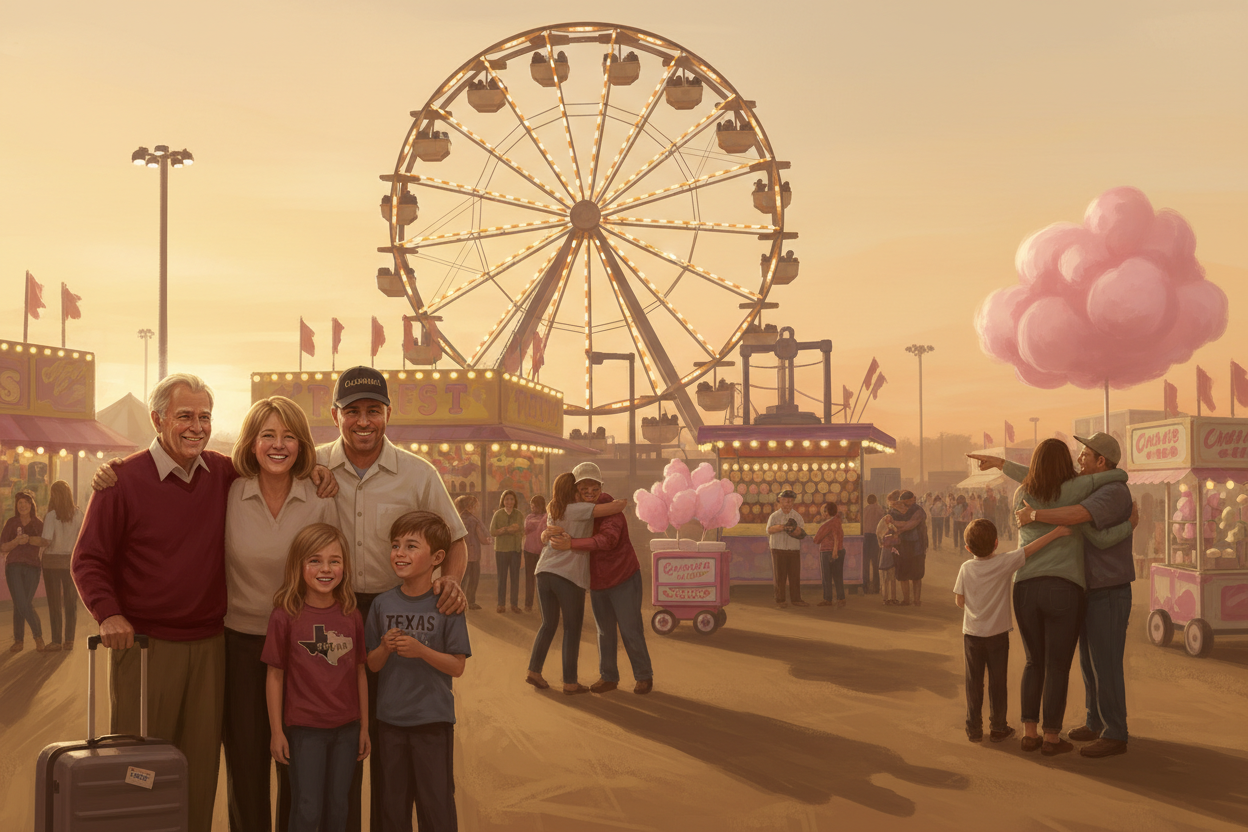
Perhaps the most important aspect of the Oklahoma State Fair is its role in creating lasting memories and maintaining family traditions. Grandparents bring grandchildren to see the same exhibits they enjoyed decades earlier, creating connections across generations. These shared experiences become part of family lore, stories that get retold at holiday gatherings for years to come.
The fair serves as an annual reunion of sorts for many Oklahoma families. Relatives who live in different parts of the state often plan their fair visits to coincide, making it a de facto family gathering. Children who move away from Oklahoma often return specifically for the fair, bringing their own children to experience the same magic they remember from their youth.
For many young people, the fair represents important milestones – perhaps their first date, their first time showing livestock, or their first job working a food booth. These experiences become part of their personal identity and their connection to Oklahoma culture.
Conclusion
The Oklahoma State Fair stands as more than just an annual event – it’s a living celebration of what makes Oklahoma special. From its agricultural heritage to its cultural diversity, from its entrepreneurial spirit to its sense of community, the fair encapsulates the values and traditions that define the Sooner State.
In an era of increasing digital connectivity and social media interaction, the Oklahoma State Fair provides something irreplaceable: authentic, face-to-face community experience. It’s a place where neighbors meet neighbors, where traditions are passed down, and where the simple pleasure of sharing a meal or watching a performance creates bonds that strengthen the social fabric of Oklahoma communities.
Whether you’re a lifelong Oklahoman or a first-time visitor, the Oklahoma State Fair offers an authentic taste of heartland America at its finest. It’s a reminder that in our fast-paced, often disconnected world, there’s still tremendous value in gathering together to celebrate our shared heritage and common humanity. The fair continues to evolve and adapt to changing times, but its core mission remains unchanged: bringing people together in celebration of culture, community, and the enduring spirit of Oklahoma.
Frequently Asked Questions
When does the Oklahoma State Fair typically take place?
The Oklahoma State Fair usually runs for eleven days in mid to late September, typically starting on a Thursday and running through the second Sunday. Exact dates vary each year, so it’s best to check the official website for current scheduling.
Where is the Oklahoma State Fair located?
The fair takes place at State Fair Park in Oklahoma City, located at 3001 General Pershing Boulevard. The venue is easily accessible from major highways and offers ample parking facilities.
How much does admission to the Oklahoma State Fair cost?
Admission prices vary by age group and day of the week, with discounts typically available for children, seniors, and military personnel. Many local businesses and organizations offer discounted tickets, and special promotion days often feature reduced admission prices.
What are the must-see attractions at the Oklahoma State Fair?
Popular attractions include the livestock competitions, creative arts exhibits, midway rides, live entertainment on multiple stages, the rodeo events, and the diverse food vendors. The specific highlights depend on your interests, but most visitors enjoy exploring the agricultural exhibits and trying unique fair foods.
Is the Oklahoma State Fair suitable for families with young children?
Absolutely! The fair is very family-friendly, with special activities designed for children, petting zoos, educational exhibits, and rides appropriate for various age groups. Many families consider attending the fair an annual tradition.
Are pets allowed at the Oklahoma State Fair?
Generally, pets are not permitted at the fair for safety and health reasons, with the exception of service animals. However, policies may vary, so it’s recommended to check the current pet policy before your visit.
What should I wear to the Oklahoma State Fair?
Comfortable walking shoes are essential, as you’ll be doing a lot of walking on various surfaces. Weather in September can be warm during the day and cooler in the evening, so layered clothing is recommended. Don’t forget sun protection for daytime visits.