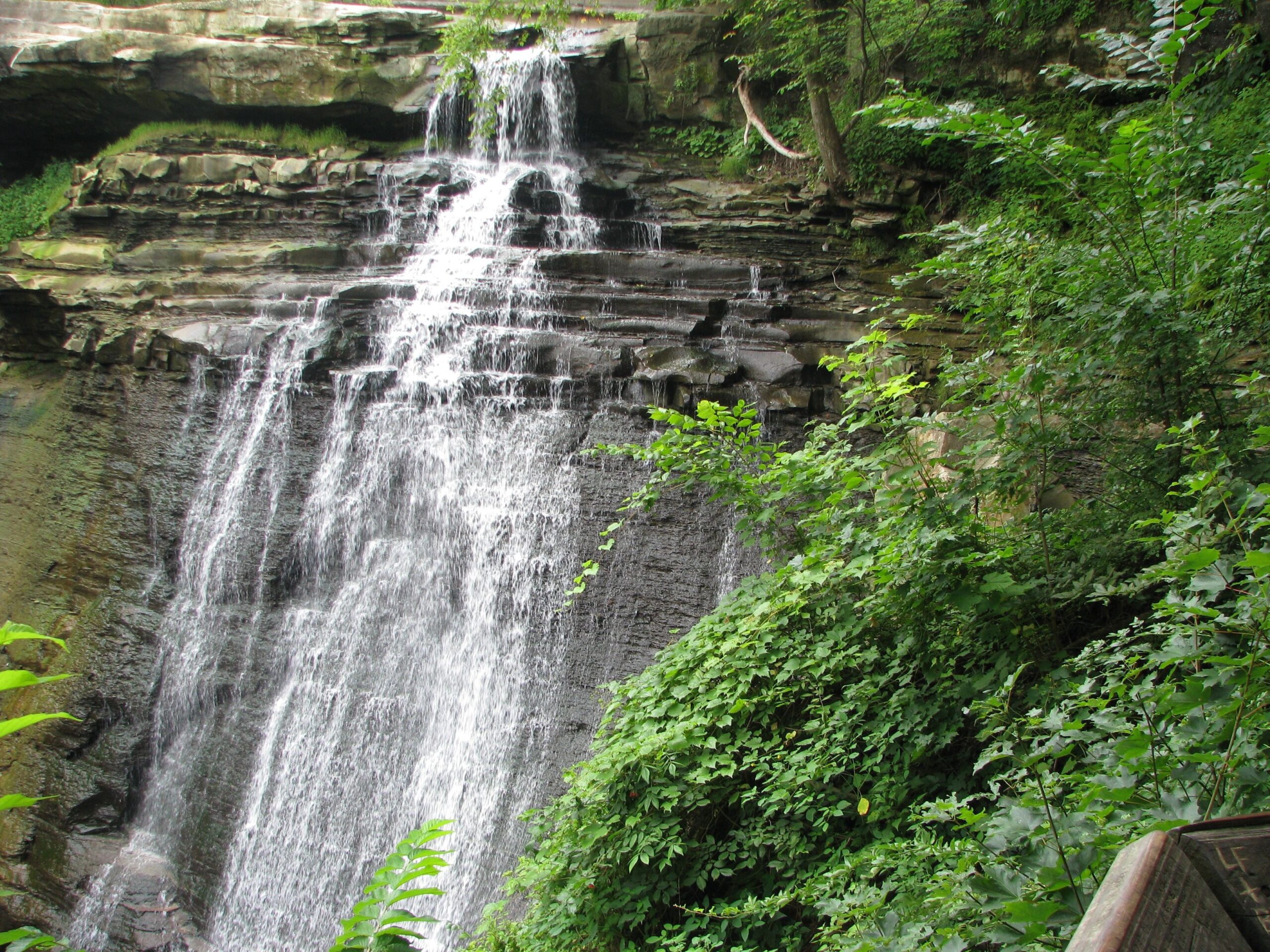
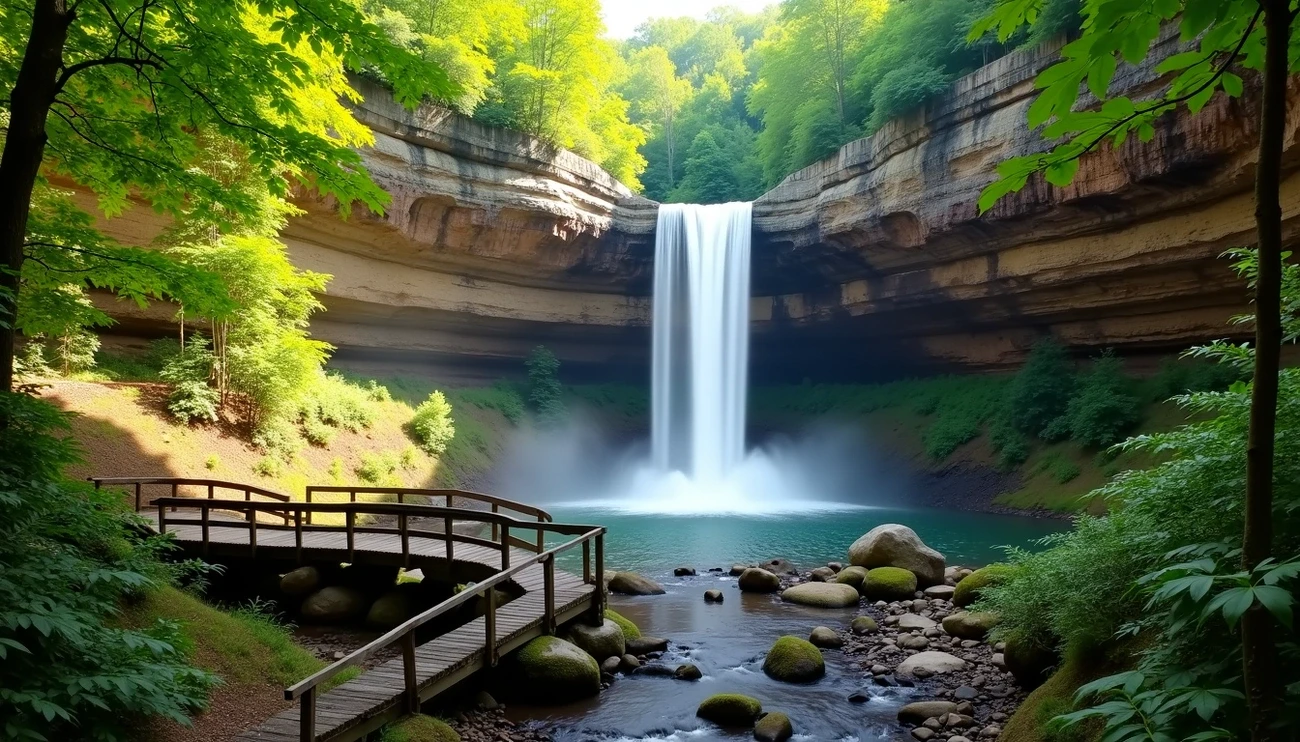
Brandywine Falls stands as one of the best waterfalls in Ohio, yet many visitors to Cleveland never discover this 60-foot cascade hidden within Cuyahoga Valley National Park. Located just 30 minutes from downtown, this geological wonder draws hikers to its dramatic sandstone gorge and accessible viewing platforms.
This guide covers everything you need to visit Brandywine Falls Ohio, including directions, trail details for the Brandywine Gorge Loop, seasonal highlights, and photography tips. Whether you’re exploring Cleveland hiking trails for the first time or seeking a quick nature escape, you’ll find practical information to plan your visit.
About Brandywine Falls and Cuyahoga Valley National Park
The 60-foot waterfall and its geological significance
Three distinct rock layers create the dramatic structure of Brandywine Falls. The cascade flows over Berea Sandstone at the top, which formed from sand grains that accumulated in an ancient sea 320 million years ago. Below this harder cap rock, softer Bedford and Cleveland shales give the water its distinctive bridal veil appearance as it tumbles down the face. These shale layers originated from mud on a sea floor that covered northeastern Ohio between 350 and 400 million years ago.
The waterfall itself came into being much more recently. Glaciers that retreated from the area approximately 10,000 years ago exposed these rock layers and shaped the gorge. At 60 feet tall, Brandywine Falls ranks as the tallest waterfall visible year-round in Cuyahoga Valley National Park. The falling water oxygenates Brandywine Creek as it descends, creating water quality conditions that nearly classify the habitat as cold-water.
Berea Sandstone proves durable enough that builders throughout the region used it for construction materials in buildings and canal locks. Visitors walking the boardwalk can examine this high-quality sandstone up close and spot individual sand grains preserved within the rock.
Historical background: from mill village to natural attraction
George Wallace recognized the falls’ potential for waterpower and constructed a sawmill at the top in 1814 1. A grist mill followed in 1815, featuring a three-story building with a store on its second floor. By 1821, workers had added a woolen factory that handled all processes of carding, spinning, weaving, and dressing wool.
The settlement also operated a distillery that processed twelve bushels of grain daily, producing 30 to 40 gallons of whiskey each day. This whiskey became known as “Brandywine Currency” because settlers frequently used it as money. People traveled eight or nine miles from surrounding communities to use the mills.
Brandywine Village threatened to outgrow Cleveland during its peak between 1810 and 1820. Records indicate the settlement never exceeded a dozen families, yet its industrial operations drew customers from across the region. In 1825, George Wallace transferred his properties to his children, who established the Wallace Brothers Company. The mills and distillery thrived for thirty years, producing wool, animal feed, and whiskey.
The village’s fortunes shifted when the Ohio & Erie Canal opened in the mid-nineteenth century. Without direct access to the canal, Brandywine Village watched commerce flow between Akron and Cleveland, bypassing their mills. Grist mills appeared in other communities along the canal, eliminating the need for Brandywine’s services. A flash flood in 1843 washed the woolen mill over the falls and severely damaged the grist mill. Workers repaired the grist mill but never rebuilt the woolen factory.
The distillery closed in 1830, and the sawmill shut down in 1851. A post office operated at the falls from 1822 until 1855. The settlement briefly revived in the 1920s when Willis Hale built Champion Electric Company among the ruins 4. Interstate 271 construction in later decades erased most remaining structures.
The James Wallace House, built by George’s son in 1848, survives as the Inn at Brandywine Falls. Besides this restored house, only foundation traces of the gristmill remain visible to visitors.
Location within Cuyahoga Valley National Park
Brandywine Falls sits at 8176 Brandywine Road in Sagamore Hills. The falls ranks among the most popular attractions in Cuyahoga Valley National Park. Restrooms and picnic tables serve visitors at the site.
How to Get to Brandywine Falls
Driving directions and parking information
Navigate to 8176 Brandywine Road in Sagamore Hills Township, Ohio, using your GPS or phone. The coordinates 41.276347, -81.539290 will bring you directly to the trailhead. Visitors coming from outside Northeast Ohio should follow GPS directions, while those familiar with the area can access Brandywine Road from either the north or south.
The parking area contains 90 total spaces in a midsized paved lot. This lot serves both Brandywine Falls and the Summit Metroparks Bike and Hike Trail, creating high demand for limited spaces. The facility does not accommodate oversized vehicles. Accessible parking spots sit closest to the trailhead entrance.
Park only in designated spaces. Vehicles parked along the roadway face damage, tickets, or towing. No overflow parking exists at this location.
Available facilities at the trailhead
Restrooms at Brandywine Falls feature drop toilets with hand sanitizer but no running water. A water bottle-filling station provides drinking water near the parking area . Visitors should bring adequate water supplies for their hike.
Four or five picnic tables occupy space near the parking lot. The trailhead includes benches, a bicycle rack, an information kiosk, recycling bins, and trash receptacles. Accessible restrooms with flush toilets and a baby changing station serve visitors with specific needs.
A paved path leads from the parking lot toward the boardwalk system. Signs direct visitors either to stairs or the accessible ramp route. The entire site maintains wheelchair accessibility standards.
Parking tips and peak time considerations
The parking lot typically fills between 10am and 4pm during nice weather and throughout summer months. Weekends and holidays bring particularly heavy crowds. Arriving early when the park opens at 8am or visiting later in the evening improves your chances of finding a space.
Most visitors complete the short boardwalk hike quickly and return to their vehicles within 30 minutes. Circling the lot once may reveal departing visitors willing to alert you about their space.
Car break-ins occur at this location, so remove all valuables from your vehicle.
Alternatively, park at the Boston Mill Visitor Center and hike to the falls. This option requires a 5-mile roundtrip journey but guarantees parking availability. The visitor center provides maps and trail information for this extended route. Boston Mill officially opened as the park’s visitor center on October 25, 2019, replacing the Boston Store location.
The Brandywine Falls Trail Experience
Trail difficulty and distance options
Multiple route choices let you tailor your visit to your time and ability level. The simplest option covers just 0.3 miles on the upper boardwalk, requiring roughly 10-15 minutes roundtrip. This paved concrete and wooden route maintains a gentle grade of 5% or less and stays at least 6 feet wide.
For a closer waterfall encounter, descend approximately 80 steps to the lower viewing deck. This addition transforms the easy stroll into a moderate experience. Visitors who skip the extended loop but include both viewing platforms typically complete their visit in 30-40 minutes.
The 1.5-mile Brandywine Gorge Loop offers the full trail experience with a 160-foot elevation change. Starting near the bed and breakfast, this route follows the gorge edge before descending to creek level. Hikers cross Brandywine Creek on a metal bridge, then connect to the Stanford Trail that loops back to the falls. Most people finish this circuit in 40 minutes to 1.5 hours.
Extended options link multiple trails together. The Stanford Trail drops 1.5 miles into the valley, connecting to the Towpath Trail for longer excursions. Combining routes can stretch your hike to 4-5.7 miles with elevation changes reaching 400-440 feet.
The boardwalk and staircase system
A paved path leads from the parking area to the main boardwalk junction. Stairs provide direct access, though an accessible ramp bypasses them for visitors with mobility needs. The ramp route starts at the Brandywine Falls Picnic Area and maintains a grade of 3% or less.
The boardwalk itself combines wood construction with sturdy railings. At the split, you choose between the upper platform straight ahead or the lower deck down the staircase. Descending requires navigating multiple wooden steps that can accommodate only single-file traffic in some sections. Handrails assist those who need support.
Returning from the lower platform means climbing back up those same stairs. The exertion surprises some visitors, so gage your fitness level before committing to the descent.
Upper and lower viewing platforms
The upper viewing area sits accessible at boardwalk level, providing a top-down perspective of the cascade. Tree branches partially obstruct this angle, limiting some photography. This platform positions slightly higher than the stair-accessed lower deck.
The lower viewing deck delivers the signature Brandywine Falls experience. Standing approximately 80 steps below the upper boardwalk, this platform places you nearly within mist range of the falling water. The gorge walls rise around you, and the waterfall fills your field of vision. Both viewing areas warrant visits, though the lower platform captures the falls’ full power.
What to see along the trail: sandstone cliffs and forest features
Berea Sandstone dominates the gorge walls, visible up close from the boardwalk. Individual sand grains remain distinct in the rock surface, evidence of their 320-million-year-old marine origins.
Moisture saturates the gorge environment. Moss clings to sandstone surfaces and tree trunks, thriving in the perpetual dampness created by the waterfall’s spray. Eastern hemlocks, an evergreen species, populate the gorge slopes. These contrast sharply with the abundant red maples that ignite with color each fall.
The Gorge Trail section passes through diverse forest growth, including wildflowers that peak in August. Stones lining portions of the trail suggest wet conditions during spring months.
Best Times to Visit and Seasonal Changes
Each season transforms Brandywine Falls into a distinct experience worth revisiting throughout the year.
Spring: high water flow and vernal pools
Spring rains create the most powerful water flow at the falls. Runoff from upstream paved surfaces increases water volumes compared to historic levels, particularly after storms when water rushes over the cascade in high volumes. The falls gush with excitement during this season, surrounded by vivid greens as new leaves emerge.
The trail proves worth revisiting in spring specifically to view vernal pools that temporarily fill with water. These seasonal depressions attract breeding salamanders, offering unique wildlife viewing opportunities. Wildflowers bloom across the gorge during this period, adding color to the landscape.
Summer: shade and cooler temperatures
Temperatures range from 49 to 95 degrees F during summer months, with humidity adding to the warmth. The dense forest canopy provides shade along the trail, making conditions more pleasant than open areas. The falls fan out in a bridal veil pattern as water levels begin to decrease from spring peaks.
Summer brings the biggest crowds to Cuyahoga Valley National Park. Visiting around sunrise or sunset helps avoid both the heat and the rush of midday visitors.
Fall: foliage and autumn colors
Peak color typically arrives during the third week of October. Sugar and red maples display spectacular reds, yellows, and oranges first, followed by white and pin oak turning brownish red. Colors prove most vivid when warm, sunny days combine with cool, frost-free nights.
The view of the falls surrounded by autumn colors creates ideal photography conditions, particularly in late afternoon. Consequently, parking lots fill around midday on warm, sunny weekends. Weekday mornings or later in the day offer better access with fewer crowds.
Winter: ice formations
Ice becomes the main attraction as temperatures drop. The waterfall often partially freezes, creating dramatic formations and icicles that cling to the sandstone cliffs. The north wall of the gorge develops towering icicles, some stretching more than 20 feet long.
Snow-dusted boardwalks and platforms provide safe views of these frozen features. The surrounding forest takes on a quiet, peaceful atmosphere with fewer crowds and crisp views through bare trees. The lower observation deck typically closes during most of winter and usually reopens in late February or early March.
Essential Visitor Information and Tips
Accessibility and mobility considerations
The upper boardwalk at Brandywine Falls provides full wheelchair accessibility. Visitors using wheelchairs, mobility equipment, or strollers can access the main viewing platform via the 0.4-mile paved route with a 3% grade. Van-accessible parking spaces with striped access aisles sit in the paved lot.
Boston Mill Visitor Center loans wheelchairs and hiking poles on a first-come, first-served basis. The park’s accessibility coordinator, Ranger Arrye Rosser, offers trip-planning advice tailored to individual needs. Visitors with disabilities may use class 1 or 2 e-bikes (rated at 1 horsepower or 750 watts) in pedestrian areas without permits.
Pet policies and leashed dogs
Leashed dogs join hikers on the trails at Brandywine Falls. Pets must remain on leashes six feet or shorter in length at all times. Owners face fines for violations of this requirement. Clean up pet waste and dispose of it in trash cans.
Bring extra water for your pet during warm months. Keeping dogs on trails reduces exposure to poison ivy, ticks, and wildlife. Only service animals enter park buildings.
Photography opportunities and tips
Later afternoon light produces the best waterfall photographs when the sun doesn’t sit behind the falls. Wedding photography requires a permit. Long exposure techniques capture the water’s motion, though faster shutter speeds freeze individual water droplets.
What to bring for your visit
Pack water, as not all seasons guarantee availability at the trailhead. Wear sturdy hiking shoes for uneven terrain. Bring bug spray, sunscreen, and a first aid kit. Leave valuables at home when possible, as car break-ins occur in parking lots.
Connecting trails and extended hiking options
The 1.5-mile Stanford Trail connects downward to the Towpath Trail. Summit Metro Parks’ Bike & Hike Trail provides miles of paved biking and hiking options accessible from the trailhead. Starting from Boston Mill Visitor Center, Boston Trailhead, or Stanford Trailhead creates roundtrip hikes ranging from 4 to 5.7 miles.
Brandywine Falls offers one of the most rewarding nature experiences near Cleveland, combining impressive geology with easy accessibility. Whether you spend 15 minutes on the boardwalk or dedicate hours to the extended loop trails, the 60-foot cascade delivers a memorable escape without requiring a full day commitment.
The falls rewards repeat visits across different seasons. Spring brings powerful water flow, fall showcases vibrant foliage, and winter creates stunning ice formations. Most important, arrive early or visit on weekdays to secure parking and experience the gorge without crowds.
Pack your water bottle, grab your camera, and discover why this hidden waterfall continues attracting visitors year after year.