A Journey Through Oklahoma History: From Native Roots to Modern Times
Oklahoma, a state rich with cultural heritage and vibrant history, offers a unique tapestry that weaves together the stories of its Native American roots with the complexities of modern times. Join us on this captivating journey through Oklahoma’s past and present as we explore the significant events that have shaped this fascinating state.
Native American Heritage: The Foundation of Oklahoma
Long before the arrival of European settlers, Oklahoma was home to diverse Native American tribes, each with its own rich traditions and cultures. The state’s name itself is derived from the Choctaw words “okla” and “humma,” meaning “red people.” These tribes, including the Cherokee, Choctaw, Chickasaw, Creek, and Seminole, among others, were relocated to Oklahoma during the infamous Trail of Tears in the 1830s.
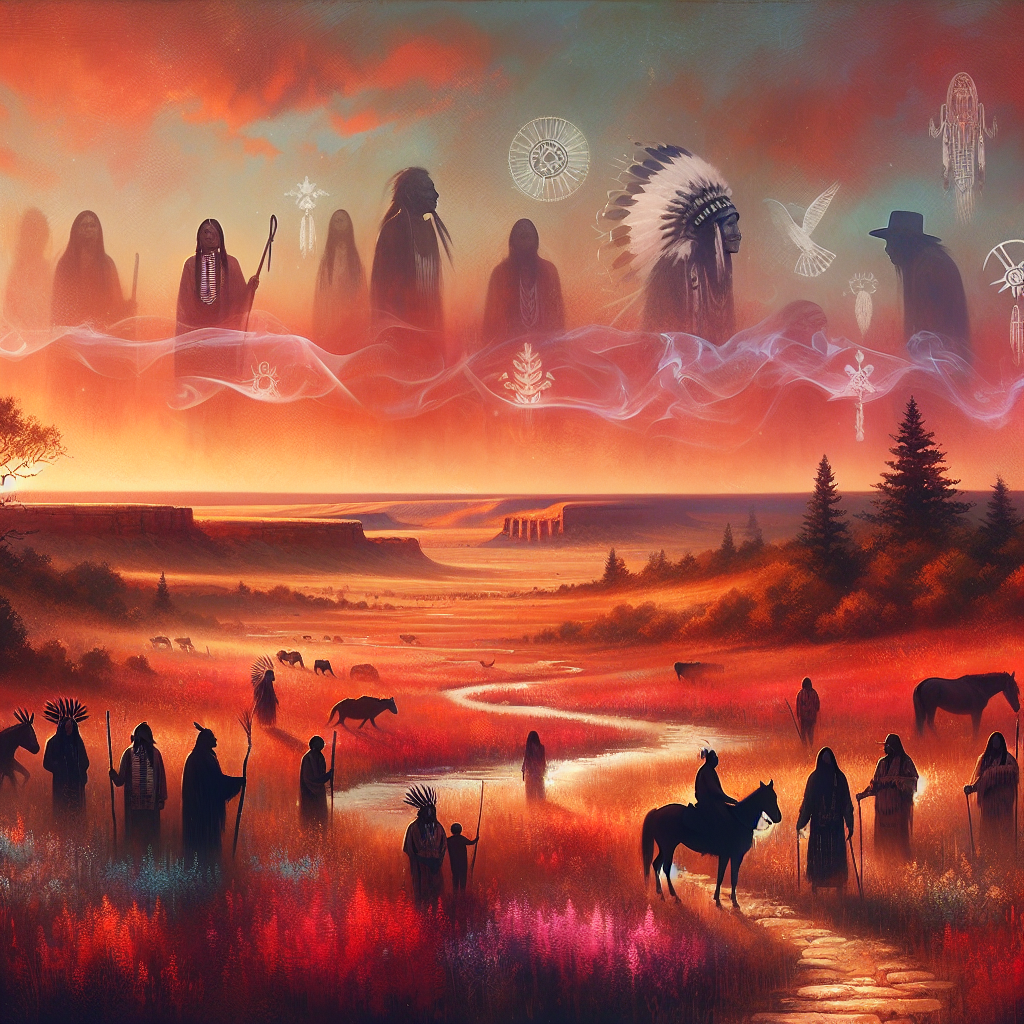
The forced relocation was a dark chapter in American history, yet it also marked the beginning of a new era for these tribes. Despite adversity, they established thriving communities, preserving their languages, traditions, and governance systems. Today, Oklahoma is still home to one of the largest Native American populations in the United States, with 39 distinct tribal nations.
The Land Run Era: A New Beginning
As the 19th century progressed, the landscape of Oklahoma began to change dramatically. The Land Run of 1889 opened up vast tracts of land to settlers, eager to stake their claim in the American frontier. This event marked a significant turning point in the state’s history, as thousands of people rushed to the unassigned lands, leading to the rapid establishment of towns and communities.
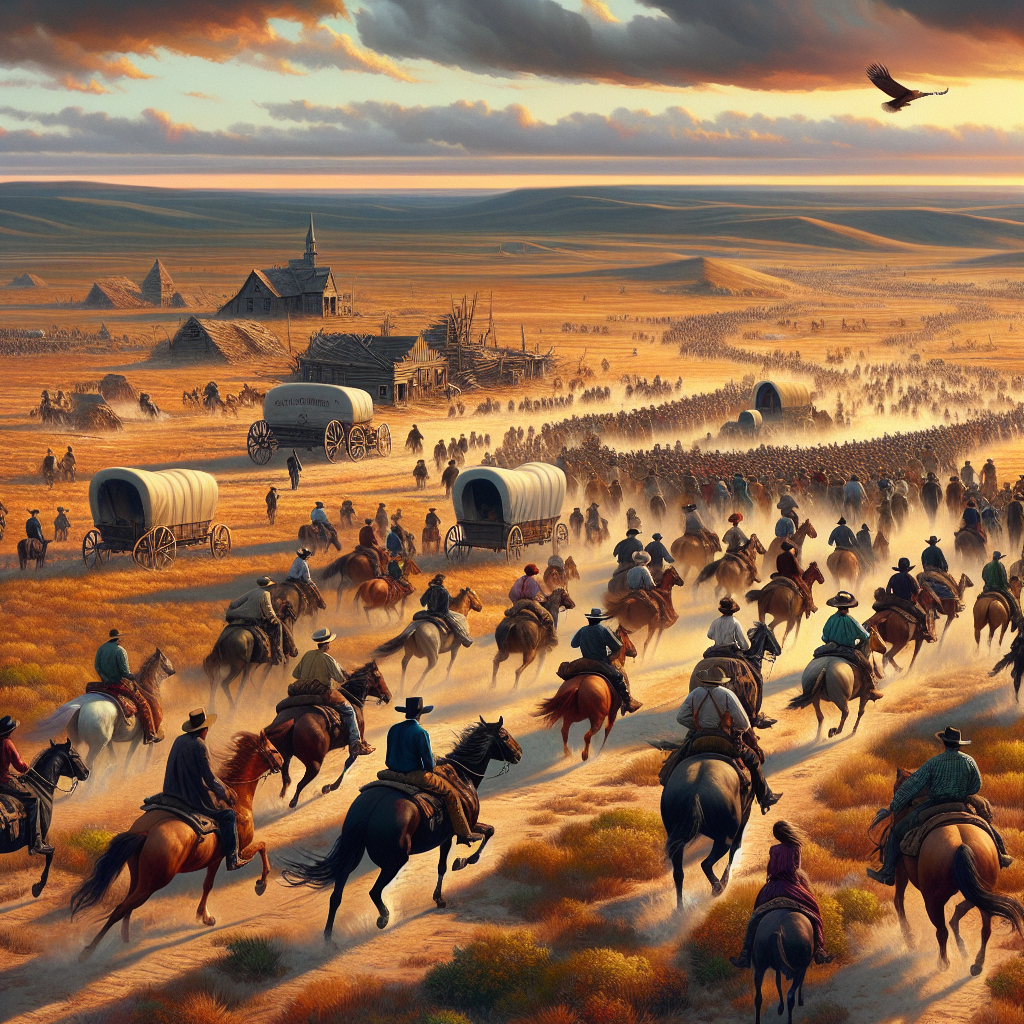
Among the most notable of these was Oklahoma City, which sprang up almost overnight from a windswept prairie to a bustling hub of activity. The spirit of opportunity and entrepreneurship defined this era, laying the groundwork for Oklahoma’s eventual statehood in 1907.
The Dust Bowl: A Period of Hardship
The 1930s brought with them the devastating Dust Bowl, a period of severe drought and dust storms that ravaged the Great Plains. Oklahoma, along with neighboring states, bore the brunt of this environmental catastrophe. The land, over-farmed and mismanaged, turned to dust, forcing thousands of families to leave their homes in search of better opportunities elsewhere.
Despite the hardships, the resilience of Oklahomans shone through. The stories of those who stayed and rebuilt their lives are a testament to the enduring spirit of the state. This era also spurred significant changes in agricultural practices and policies, helping to prevent future disasters of this magnitude.
Oil Boom: Economic Transformation
Oklahoma’s economy underwent a dramatic transformation with the discovery of oil in the early 20th century. The state quickly became a leading oil producer, attracting entrepreneurs and workers from across the nation. Cities like Tulsa earned the moniker “Oil Capital of the World,” and the wealth generated during this period fueled rapid growth and development.
While the oil industry has seen its ups and downs over the years, it remains a vital component of Oklahoma’s economy. The state’s history is dotted with stories of boomtowns that rose and fell with the fortunes of the oil market, each contributing to the rich tapestry of Oklahoma’s past.
Modern Oklahoma: A Blend of Tradition and Progress
Today, Oklahoma stands as a vibrant blend of tradition and modernity. The state’s cultural heritage is proudly celebrated through events like the Red Earth Festival and the Chickasaw Cultural Center, which highlight the contributions of Native American communities. Meanwhile, cities like Oklahoma City and Tulsa are thriving centers of commerce, culture, and innovation.
Oklahoma’s education system, healthcare, and economic policies continue to evolve, addressing the challenges and opportunities of the 21st century. The spirit of resilience and adaptability that has defined the state’s history is evident in its ongoing efforts to create a prosperous future for all its residents.
Conclusion
Oklahoma’s journey from its Native American roots to modern times is a story of resilience, transformation, and innovation. The state’s rich history, marked by triumphs and challenges, continues to shape its identity today. As we look to the future, Oklahoma stands as a testament to the enduring spirit of its people and the diverse cultures that have contributed to its legacy.
FAQs
What is the origin of the name “Oklahoma”?
The name “Oklahoma” comes from the Choctaw words “okla” and “humma,” meaning “red people.”
What was the Trail of Tears?
The Trail of Tears refers to the forced relocation of Native American tribes, including the Cherokee, Choctaw, Chickasaw, Creek, and Seminole, to Oklahoma during the 1830s.
How did the Dust Bowl affect Oklahoma?
The Dust Bowl, a period of severe drought and dust storms in the 1930s, devastated Oklahoma’s agriculture, forcing many families to leave their homes. It also led to significant changes in farming practices.
Why is Tulsa known as the “Oil Capital of the World”?
Tulsa earned the title “Oil Capital of the World” due to its central role in the oil industry during the early 20th century, attracting numerous businesses and workers to the area.