In a world increasingly dominated by mass-produced goods, there’s something profoundly moving about holding a piece of art that carries centuries of tradition, cultural significance, and personal story. Native American artisans create more than just beautiful objects – they preserve living traditions, support their communities, and share their heritage through every carefully crafted piece. When we choose to support Indigenous creators, we’re not just making a purchase; we’re participating in cultural preservation and economic empowerment that ripples through entire communities.
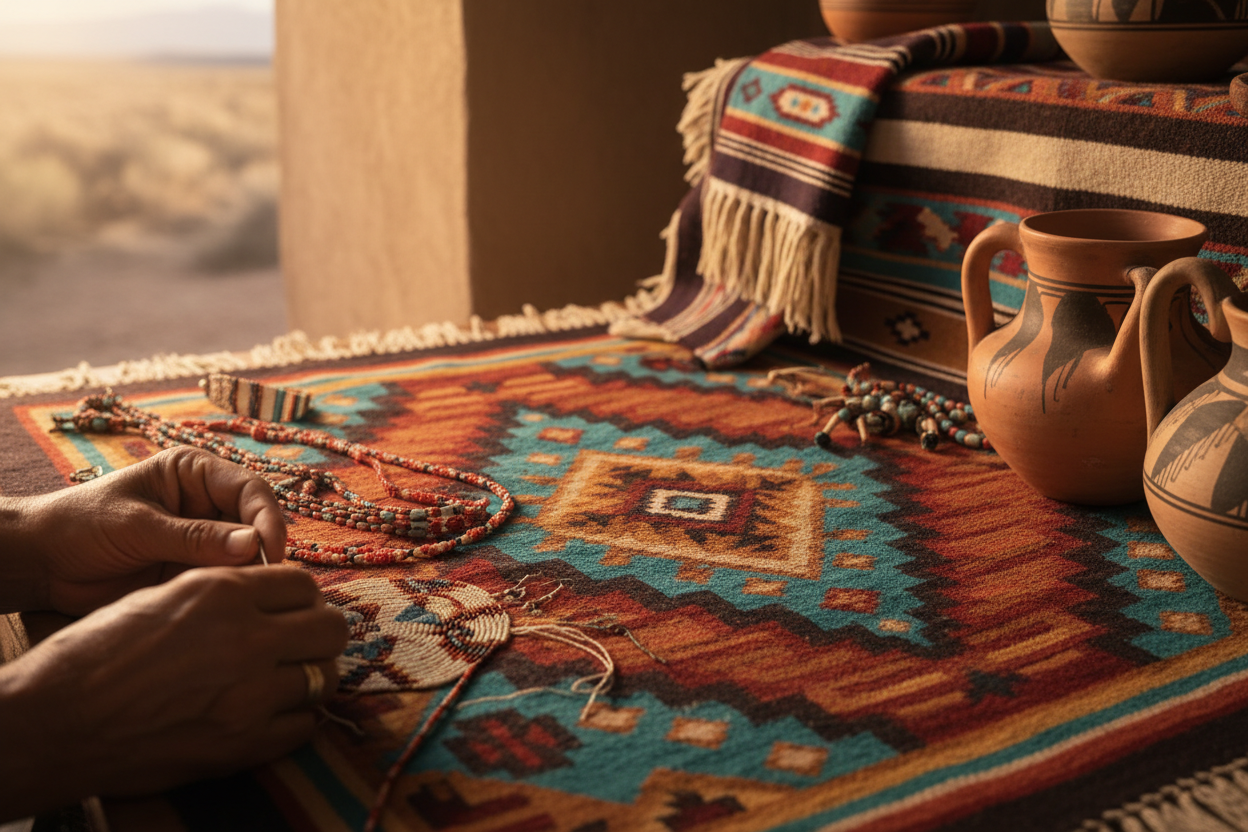
The rich tapestry of Native American crafts encompasses everything from intricate beadwork and pottery to stunning jewelry and textiles. Each piece tells a story, whether it’s a Navajo rug that took months to weave or a piece of Pueblo pottery shaped by hands that learned the technique from generations before. Understanding the depth and significance of these crafts helps us appreciate not just their beauty, but their cultural importance and the skill required to create them.
The Rich Heritage of Native American Crafts
Native American artistic traditions stretch back thousands of years, with each tribe developing unique techniques, styles, and symbolic meanings. From the Pacific Northwest’s carved totems to the Southwest’s silver and turquoise jewelry, these crafts represent far more than decorative arts – they’re expressions of spiritual beliefs, historical narratives, and cultural identity.
The diversity is breathtaking. Cherokee basket makers use techniques passed down through generations, creating functional art from river cane and oak splints. Inuit carvers transform soapstone into powerful representations of Arctic life and mythology. Plains tribes create stunning beadwork that adorns everything from clothing to ceremonial items, with each pattern carrying specific cultural meaning.
What makes these crafts particularly special is their connection to the natural world and traditional knowledge systems. Many artisans still gather their own materials – clay from ancestral sites, plants for natural dyes, stones and shells for jewelry. This connection to the land isn’t just practical; it’s spiritual and cultural, maintaining relationships with the environment that have sustained Indigenous peoples for millennia.
Traditional Techniques Passed Down Through Generations
The transmission of artistic knowledge in Native American communities happens through careful observation, patient practice, and deep respect for tradition. Unlike mass production methods, these techniques require years to master and often involve entire families or communities in the process.
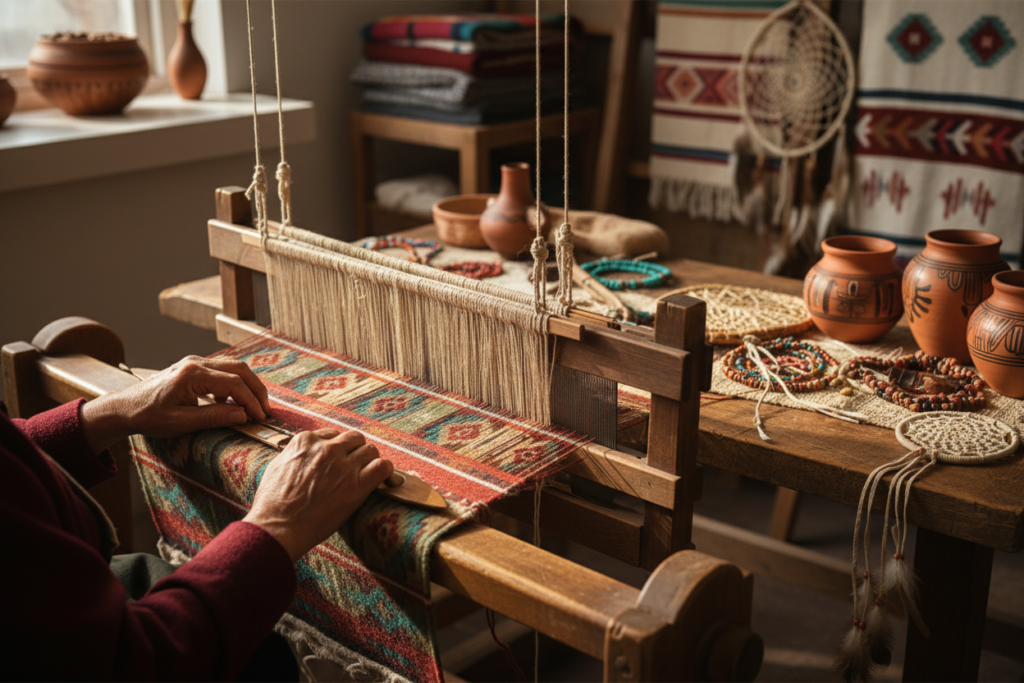
Take Navajo weaving, for instance. Young weavers learn by watching their grandmothers and mothers, starting with simple techniques and gradually mastering the complex patterns that can take months to complete. The process begins with raising sheep, shearing wool, cleaning and carding it, spinning it into yarn, and dyeing it with traditional plants. Only then does the actual weaving begin – a meditation in patience and precision.
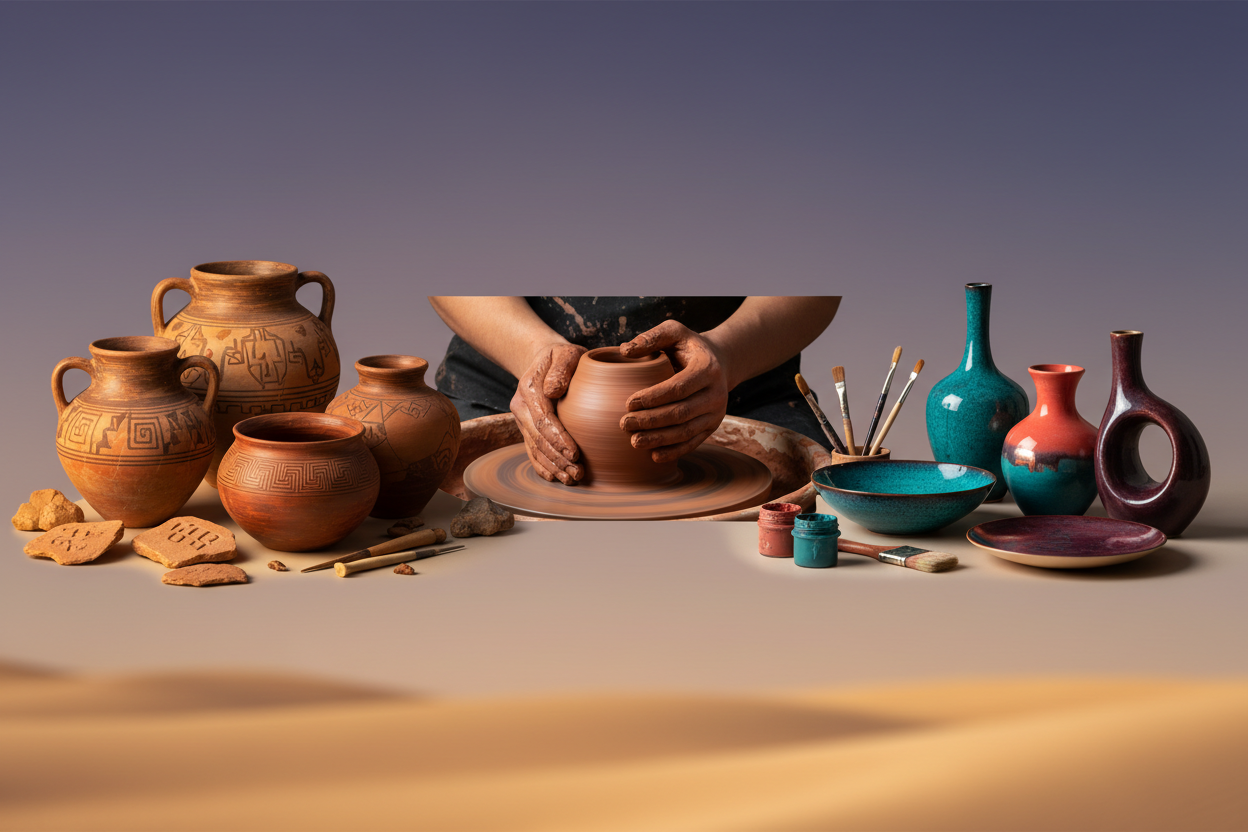
Similarly, Pueblo pottery involves techniques that have remained virtually unchanged for centuries. Artisans dig clay from traditional sites, temper it with volcanic ash or ground pottery shards, shape vessels by hand without pottery wheels, paint them with natural pigments, and fire them in outdoor kilns. The knowledge of which clays work best, how to achieve specific colors, and how to prevent cracking during firing is accumulated wisdom that takes decades to fully understand.
These traditional methods produce items of exceptional quality and uniqueness. No two handmade pieces are exactly alike, and the slight variations that might be considered “imperfections” in mass-produced goods are actually marks of authenticity and human craftsmanship that make each piece precious.
Contemporary Native American Artists Making Their Mark
While honoring traditional techniques, many contemporary Native American artists are also pushing boundaries and exploring new forms of expression. These artists blend ancestral knowledge with modern materials and concepts, creating works that speak to both their heritage and contemporary experiences.
Artists like Maria Martinez revolutionized Pueblo pottery in the 20th century, developing new techniques that created stunning black-on-black pottery that became highly sought after by collectors worldwide. Her innovation didn’t abandon tradition but built upon it, showing how Indigenous arts can evolve while maintaining their cultural integrity.
Today’s Native American artists work in diverse mediums – from traditional pottery and textiles to contemporary sculpture, painting, and even digital art. Many address themes of cultural preservation, environmental protection, and Indigenous rights through their work, using art as a form of activism and education.
The success of these contemporary artists has also helped create new economic opportunities in Native communities. Art markets, galleries, and online platforms have made it possible for artists to reach broader audiences while maintaining control over their work and its presentation.
Where to Find Authentic Native American Crafts
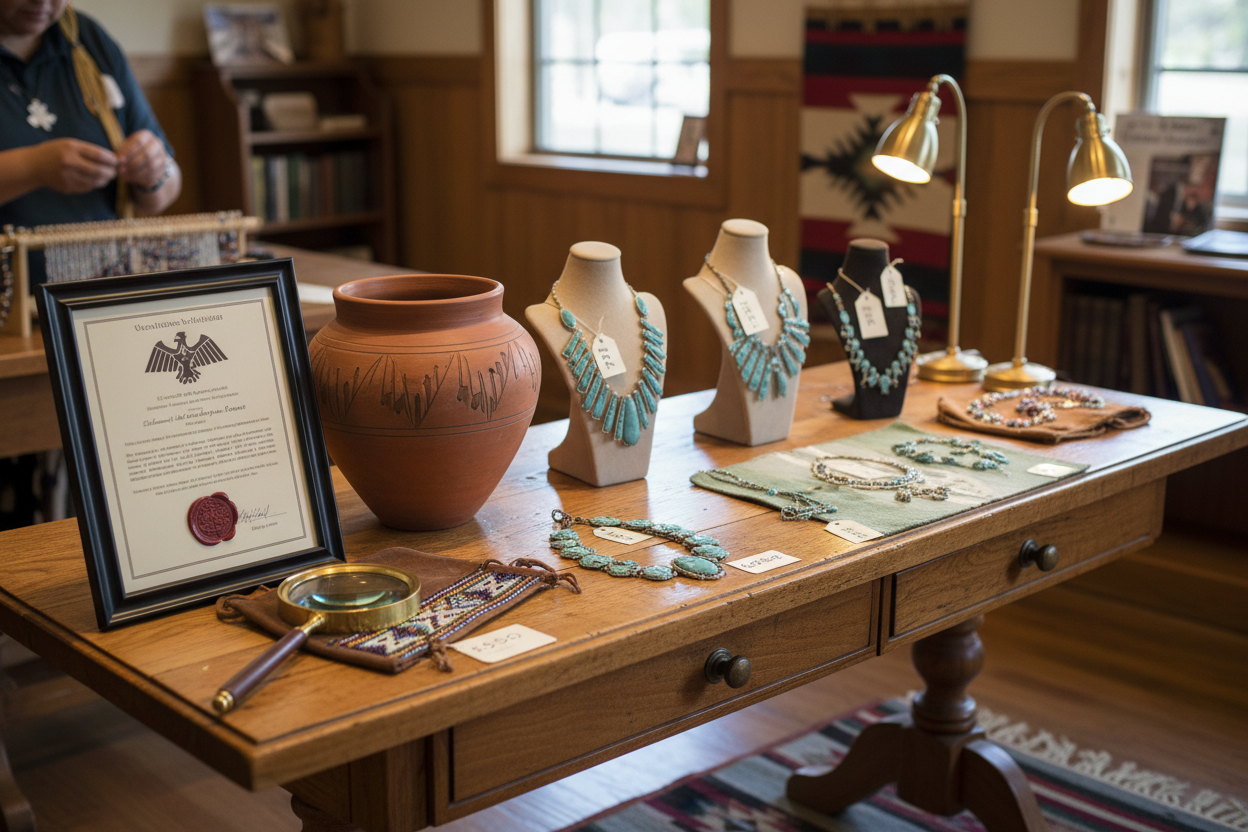
Finding authentic Native American crafts requires some knowledge and care, as the market unfortunately includes many imitations and mass-produced items falsely labeled as “Native American made.” Genuine pieces come with stories, provenance, and often certificates of authenticity from recognized Native American artisans.
The best places to find authentic crafts include Native American cultural centers, reservation trading posts, and galleries that specialize in Indigenous art. Many tribes operate their own cultural centers where visitors can meet artisans, learn about their techniques, and purchase directly from creators. This direct connection ensures authenticity while providing the maximum benefit to the artisan and their community.
Powwows and Native American festivals are wonderful opportunities to meet artisans in person, learn about their work, and purchase directly from them. These events often feature demonstrations, allowing visitors to see the skill and time that goes into each piece. The personal connection formed during these interactions adds immeasurable value to any purchase.
Online platforms have also made authentic Native American crafts more accessible, though buyers should exercise caution and research sellers carefully. Reputable online retailers provide detailed information about the artisan, their tribal affiliation, and the techniques used. They often include certificates of authenticity and detailed descriptions of the cultural significance of patterns and materials used.
The Economic Impact of Supporting Indigenous Artisans
When you purchase authentic Native American crafts, you’re contributing to economic development in some of the most economically disadvantaged communities in North America. Many reservations face significant economic challenges, with limited employment opportunities and infrastructure. Art sales provide crucial income for families and communities, often representing one of the few ways to earn money while remaining on ancestral lands.
The economic impact extends beyond individual artisans. Successful artists often teach others, creating ripple effects that benefit entire communities. Art sales can fund community programs, support cultural education initiatives, and help preserve traditional knowledge that might otherwise be lost.
Moreover, the success of Native American arts helps challenge stereotypes and promotes cultural understanding. When people appreciate the skill, beauty, and cultural significance of Indigenous crafts, it fosters respect for Native American cultures and contemporary Indigenous peoples. This cultural appreciation can translate into support for Indigenous rights, environmental protection, and social justice issues that affect Native communities.
The premium prices that authentic Native American crafts command – often significantly higher than mass-produced alternatives – reflect not just the quality and uniqueness of handmade items, but also their cultural value and the fair compensation of skilled artisans for their time and expertise.
How to Respectfully Appreciate and Collect Native American Art
Collecting Native American art is a privilege that comes with responsibilities. Respectful collecting means understanding the cultural context of pieces, learning about their significance, and approaching them with the reverence they deserve. This isn’t just about owning beautiful objects; it’s about becoming a steward of cultural heritage.
Education is crucial. Take time to learn about the tribes, traditions, and techniques represented in your collection. Understand the symbolism, the materials used, and the cultural protocols surrounding different types of art. Many pieces have spiritual significance or are meant for specific purposes, and this knowledge deepens appreciation while ensuring respectful handling and display.
When displaying Native American art, consider the context and presentation. These pieces deserve thoughtful placement that honors their cultural significance. Some collectors create educational displays that share information about the artisan, technique, and cultural background, turning their collection into an opportunity to educate others about Native American cultures.
Supporting Native American artists also means advocating for their rights and interests. This includes supporting legislation that protects Indigenous intellectual property, opposing the sale of fake “Native American” items, and promoting authentic Native American businesses and cultural initiatives.
Frequently Asked Questions
How can I verify that a Native American craft is authentic?
Look for certificates of authenticity, purchase from reputable dealers who can provide information about the artisan, and be wary of items that seem too inexpensive for handmade work. Authentic pieces often come with information about the artist’s tribal affiliation and the techniques used. When in doubt, purchase directly from Native American cultural centers or established galleries specializing in Indigenous art.
What’s the difference between “Native American made” and “Native American inspired”?
Items labeled “Native American made” should be created by enrolled members of federally recognized tribes or certified Native American artisans. “Native American inspired” items are typically mass-produced pieces that use Indigenous designs but aren’t made by Native Americans. Only purchase items specifically labeled as made by Native American artisans if you want authentic pieces.
Are there certain types of Native American art that are inappropriate for non-Native people to own?
Some ceremonial and sacred items are not appropriate for non-Native ownership or display. Reputable Native American artists and dealers will not sell sacred items to non-Native buyers. When purchasing, ask about the cultural significance and appropriate use of items. Most decorative arts, jewelry, pottery, and textiles made for sale are appropriate for anyone to own and appreciate respectfully.
How much should I expect to pay for authentic Native American crafts?
Prices vary widely based on the complexity, size, materials, and reputation of the artisan. Simple jewelry pieces might start around $50-100, while complex weavings, pottery, or sculptures can cost thousands of dollars. Remember that these prices reflect hours or months of skilled handwork, quality materials, and cultural knowledge. Authentic pieces are investments in both art and cultural preservation.
Can I commission custom pieces from Native American artisans?
Many Native American artisans accept commissions, though this often involves longer wait times and higher costs than purchasing existing pieces. When commissioning work, be respectful of the artist’s cultural guidelines and creative process. Some artists may decline requests for items outside their traditional practices or cultural comfort zone, and this should be respected.
Supporting Native American artisans represents one of the most meaningful ways to appreciate Indigenous cultures while contributing to economic empowerment and cultural preservation. Every authentic piece purchased helps sustain traditional knowledge, supports families and communities, and ensures that these remarkable artistic traditions continue to thrive for future generations. In our interconnected world, these connections across cultures through art create understanding, respect, and appreciation that benefits everyone involved.