Nestled in the high desert of northern New Mexico, Taos stands as one of America’s most celebrated artist colonies. What began as a chance encounter between two painters and a broken wagon wheel has evolved into a thriving creative community that continues to attract artists from around the world. The story of how Taos transformed from a remote mountain town into an internationally recognized art destination is one of serendipity, vision, and the irresistible pull of natural beauty.
The transformation didn’t happen overnight. It took decades of passionate artists, supportive patrons, and a community willing to embrace change to create the vibrant cultural landscape we see today. From the early pioneers who first put brush to canvas in this enchanting landscape to the contemporary artists who call Taos home, this mountain town has maintained its magnetic appeal for creative souls seeking inspiration in the American Southwest.
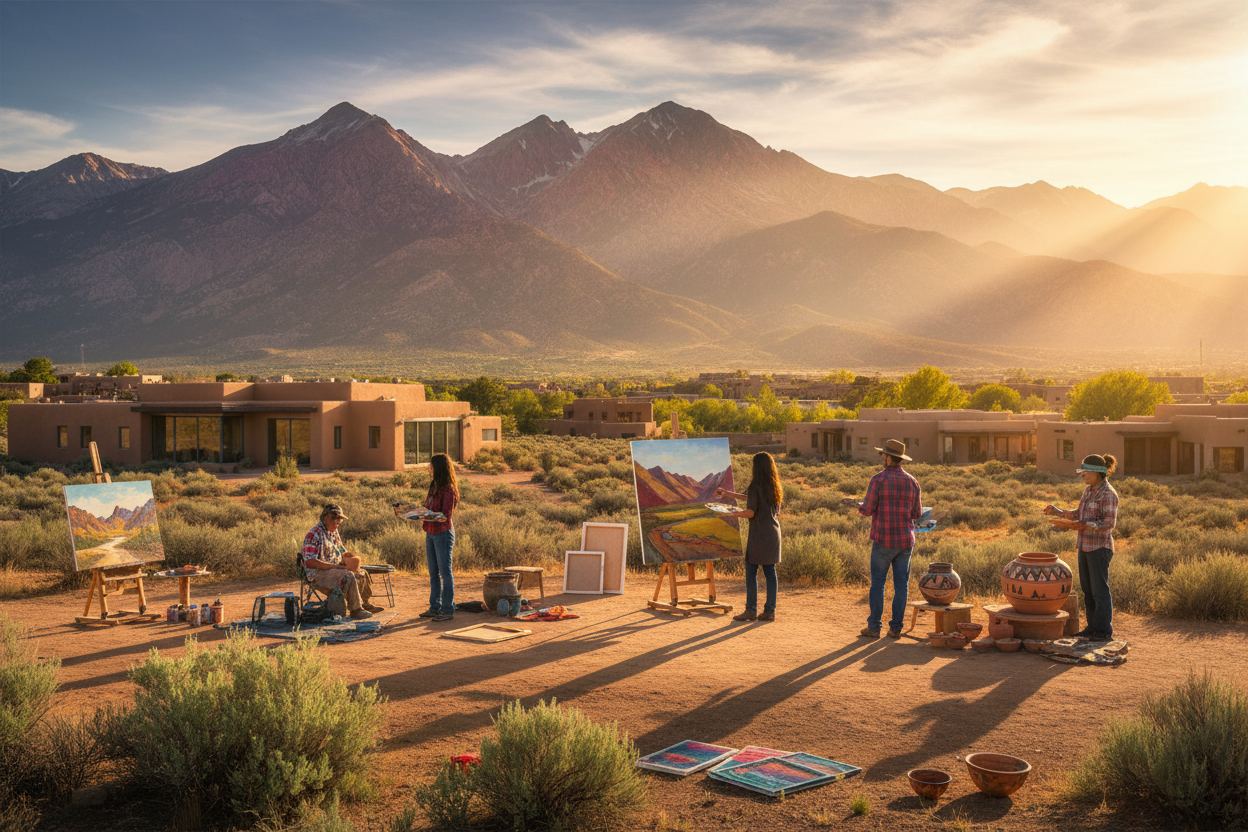
The Accidental Discovery That Changed Everything
The Taos art colony’s origin story reads like something from a novel. In September 1898, two young artists from New York – Bert Phillips and Ernest Blumenschein – were traveling through the Southwest on a sketching trip when their wagon wheel broke near Taos. While Phillips stayed to guard their supplies, Blumenschein walked the twenty miles into town to get the wheel repaired.
What Blumenschein discovered in Taos captivated him immediately. The dramatic landscape, with its towering mountains, expansive skies, and unique quality of light, was unlike anything he’d experienced. The rich cultural tapestry of Native American and Hispanic communities added layers of visual and spiritual depth that spoke to his artistic soul. When he returned to Phillips with the repaired wheel, both men knew they had stumbled upon something extraordinary.
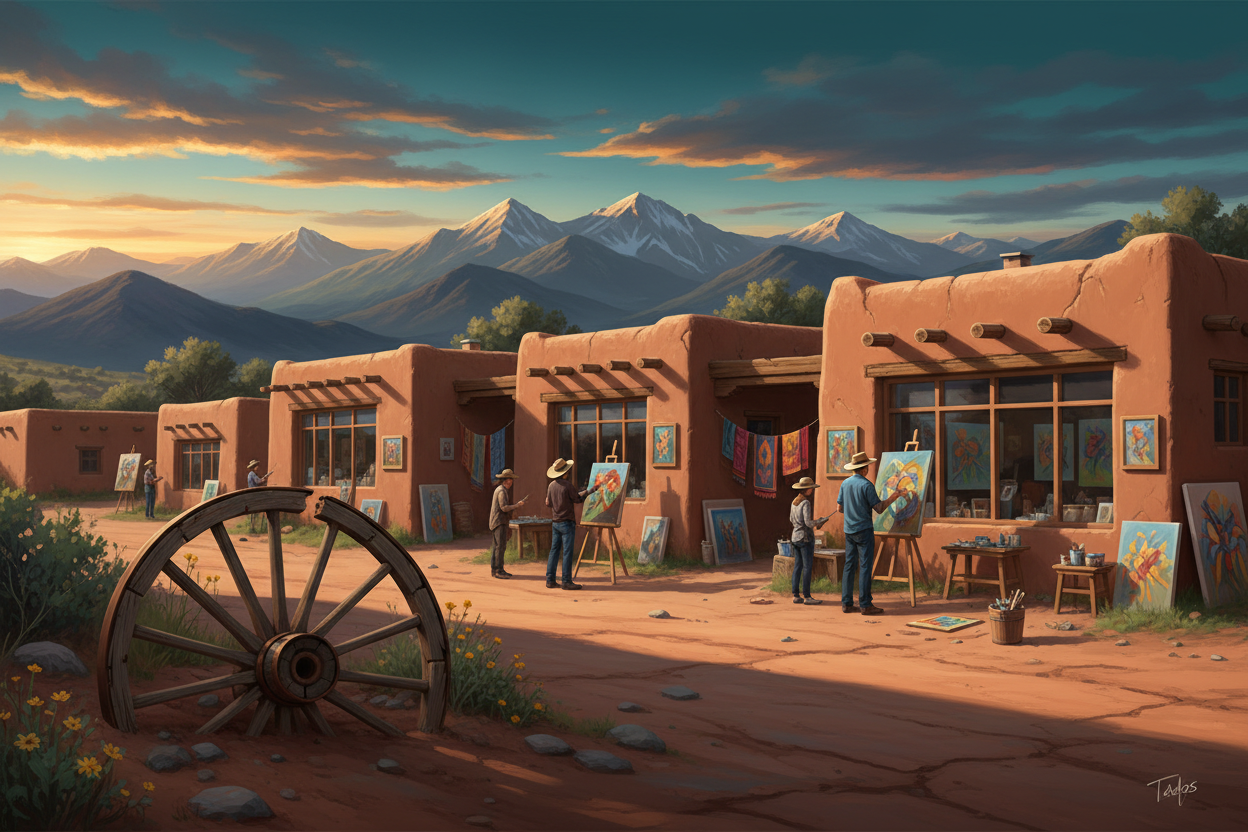
Phillips made the bold decision to stay in Taos permanently, becoming the first member of what would later be known as the Taos Society of Artists. His commitment to the area proved prescient – within a few years, other artists began making pilgrimages to this remote corner of New Mexico, drawn by Phillips’s enthusiastic reports and their own desire to capture the Southwest’s untamed beauty.
The Formation of the Taos Society of Artists
By 1915, enough artists had settled in or regularly visited Taos to warrant forming an official organization. The Taos Society of Artists was established with six founding members: Bert Phillips, Ernest Blumenschein, Joseph Henry Sharp, Eanger Irving Couse, W. Herbert Dunton, and Oscar Berninghaus. These men shared a common vision of creating art that authentically represented the American Southwest and its indigenous cultures.
The society operated on principles that were revolutionary for their time. Members committed to spending at least part of each year in Taos, ensuring a continuous artistic presence in the community. They also established a traveling exhibition program that brought Taos art to galleries across the United States, helping to build national recognition for both the artists and the region.
What set the Taos Society apart was their respectful approach to depicting Native American life. Unlike many contemporary artists who portrayed indigenous peoples through romanticized or stereotypical lenses, the Taos artists developed genuine relationships with local Pueblo communities. They painted with sensitivity and authenticity, creating works that honored rather than exploited their subjects.
The Mabel Dodge Luhan Era: Patronage and Expansion
No discussion of Taos art colony history would be complete without mentioning Mabel Dodge Luhan, the wealthy New York socialite who became the colony’s most influential patron. Luhan arrived in Taos in 1917 and immediately fell under its spell. She purchased a large estate on the outskirts of town and began hosting artists, writers, and intellectuals from around the world.
Luhan’s salon became the cultural heart of Taos, attracting luminaries like Georgia O’Keeffe, Ansel Adams, and D.H. Lawrence. Her financial support and social connections provided crucial resources for struggling artists while her enthusiasm for Taos culture helped spread word of the colony far beyond the art world. The guest houses on her property offered affordable accommodations for visiting artists, many of whom extended their stays indefinitely.
Under Luhan’s influence, the Taos art scene expanded beyond painting to include literature, photography, and other creative pursuits. Her interdisciplinary approach created a rich cultural ecosystem where artists from different mediums could collaborate and inspire one another. This cross-pollination of ideas contributed significantly to Taos’s reputation as a complete artistic community rather than simply a painters’ colony.
Distinctive Artistic Styles and Movements
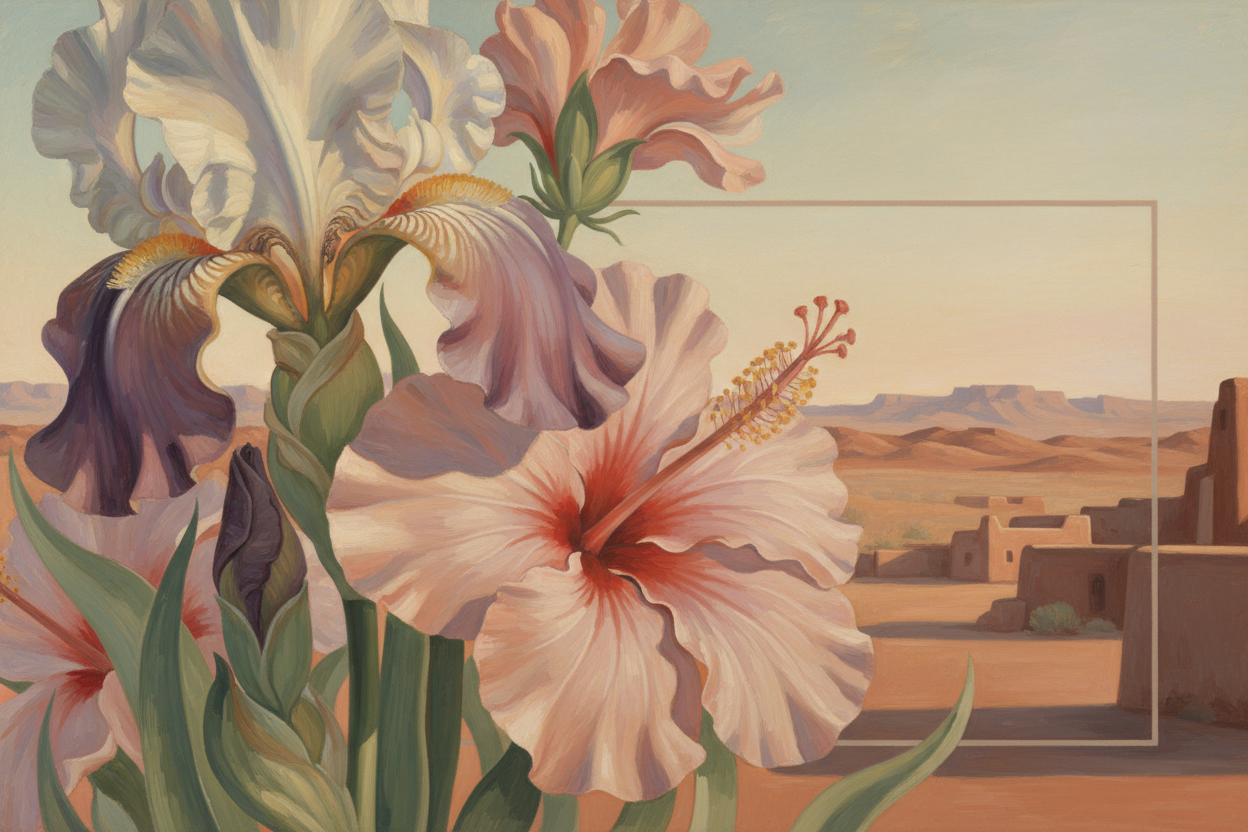
The unique environment of Taos fostered the development of distinctive artistic styles that reflected the region’s natural beauty and cultural heritage. The clear, high-altitude light created ideal conditions for plein air painting, allowing artists to capture the subtle color variations in the landscape with unprecedented accuracy. The dramatic interplay of light and shadow across the desert and mountains became a signature element of Taos art.
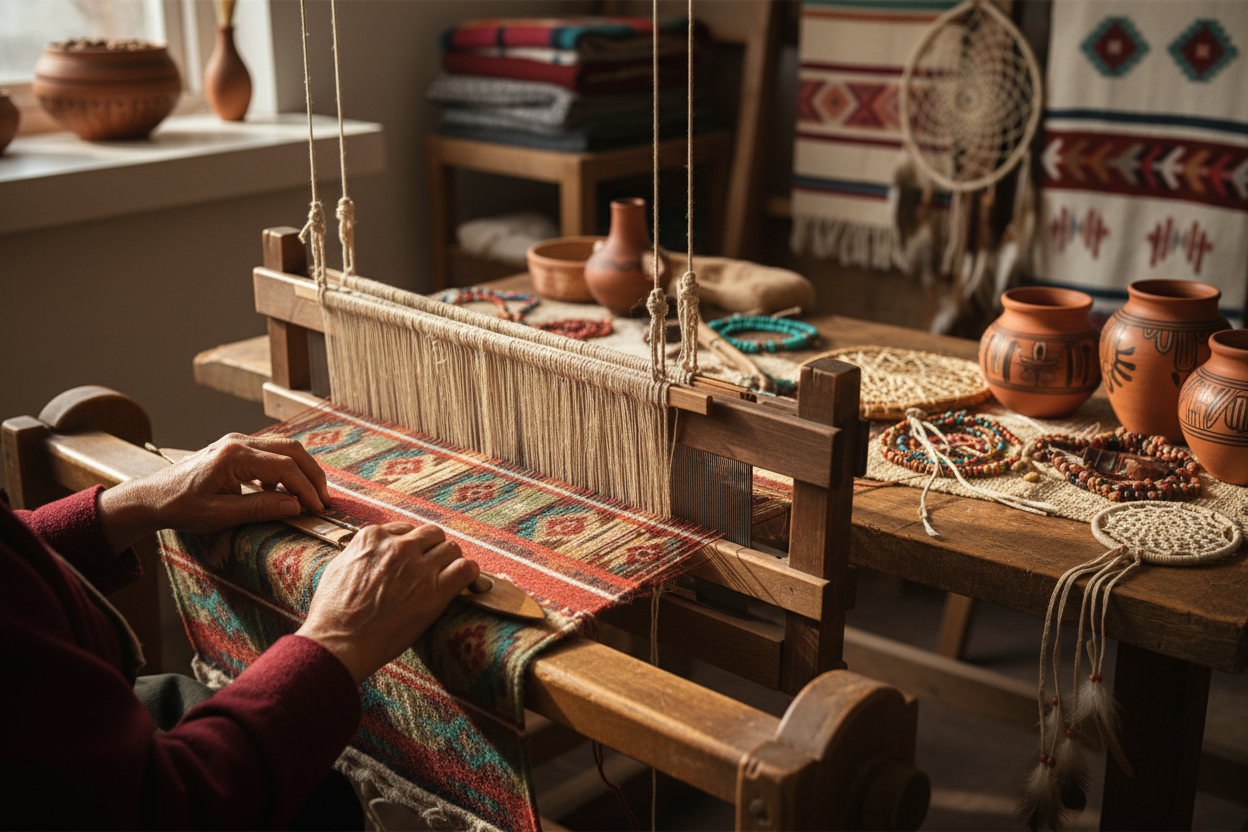
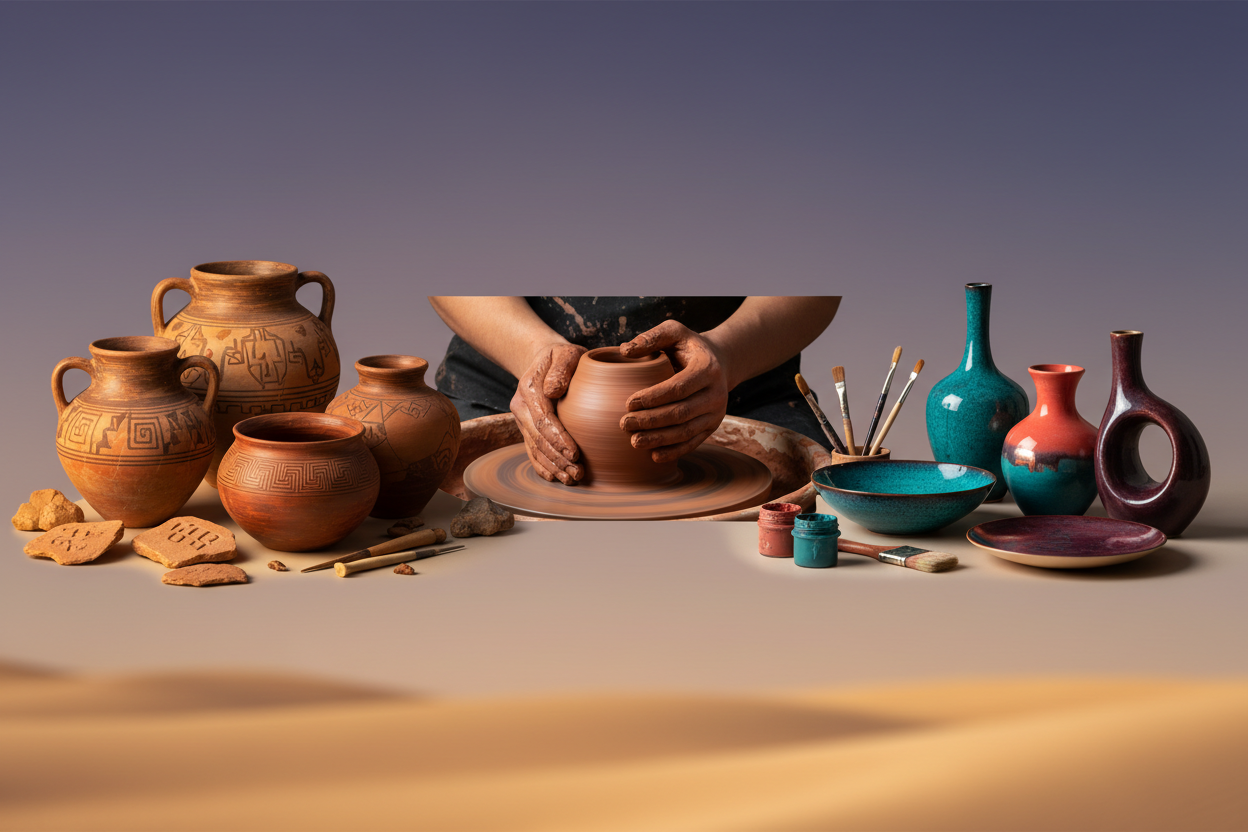
Many Taos artists developed a style that blended American Impressionism with regional subject matter, creating works that were both technically sophisticated and deeply rooted in place. The warm earth tones of adobe buildings, the deep blues of mountain shadows, and the brilliant colors of Native American textiles and pottery all found their way into the Taos palette.
The colony also became known for its sensitive portrayal of Native American life and culture. Artists like Joseph Henry Sharp and Eanger Irving Couse spent years studying Pueblo traditions and building relationships with tribal members. Their paintings documented traditional ways of life with an ethnographic accuracy that makes them valuable historical records today, while their artistic skill ensured these works transcended mere documentation to become powerful expressions of cultural respect and understanding.
The Modern Era: Continuing the Legacy
While the original Taos Society of Artists disbanded in 1927, the creative spirit they established continued to flourish. New generations of artists discovered Taos throughout the 20th century, each bringing fresh perspectives while honoring the colony’s foundational principles of artistic excellence and cultural sensitivity.
The post-World War II era saw an influx of artists seeking alternatives to urban art scenes. Many were drawn to Taos’s combination of natural beauty, affordable living, and established artistic infrastructure. The town’s galleries, museums, and art supply stores provided practical support for working artists, while the continuing presence of Native American and Hispanic communities offered ongoing cultural inspiration.
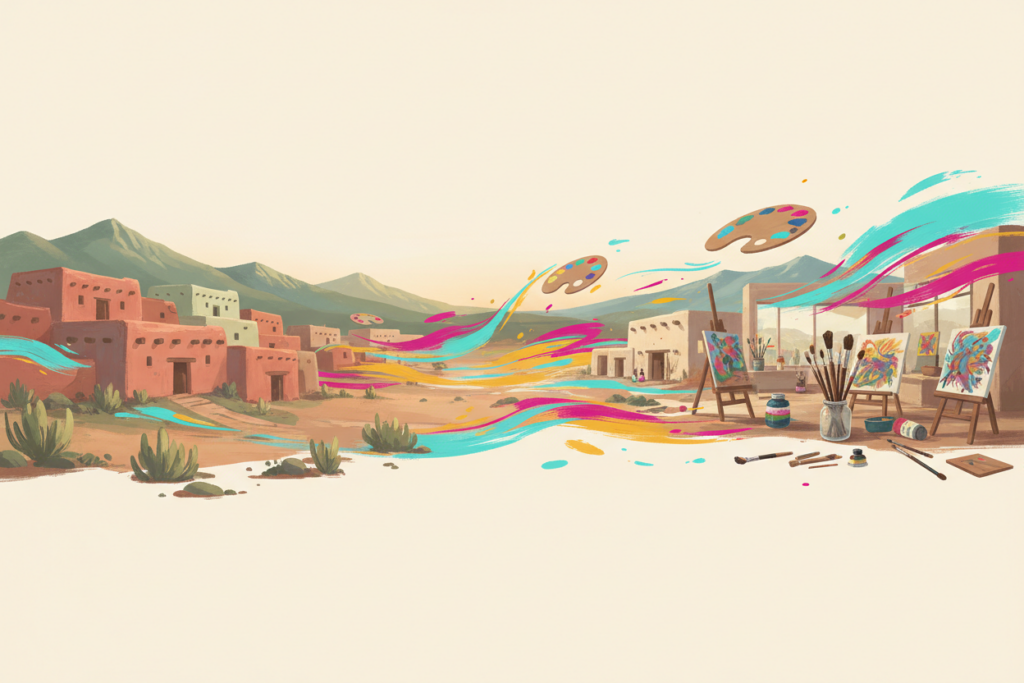
Contemporary Taos artists work in diverse mediums and styles, from traditional landscape painting to cutting-edge digital art. What unites them is a shared appreciation for the area’s unique character and a commitment to maintaining Taos’s reputation as a place where serious art happens. The town now hosts numerous art festivals, gallery walks, and cultural events throughout the year, ensuring that the artistic tradition remains vibrant and accessible to both residents and visitors.
Impact on the Local Community and Economy
The transformation of Taos from a remote agricultural town to an internationally recognized art destination has had profound effects on the local community and economy. Art-related tourism now represents a major economic driver, bringing visitors from around the world who come to experience the landscape and culture that inspired generations of artists.
The presence of the art colony has also helped preserve and celebrate local cultural traditions. The respectful approach established by the original Taos Society artists created a model for cultural exchange that continues today. Native American and Hispanic artisans find ready markets for their work, while their traditions influence and inspire visiting artists.
However, this transformation hasn’t been without challenges. The influx of artists and art lovers has contributed to rising property values and living costs, sometimes making it difficult for local families and emerging artists to afford living in Taos. The community continues to grapple with balancing growth and preservation, seeking ways to maintain its artistic character while remaining accessible to diverse populations.
Conclusion
The story of the Taos art colony demonstrates the transformative power of art and the importance of place in creative expression. What began with a broken wagon wheel evolved into one of America’s most significant artistic communities, proving that inspiration can strike anywhere and that dedicated artists can transform not just canvas but entire communities.
Today’s Taos continues to honor its artistic heritage while embracing new forms of creative expression. The mountain town that captivated Bert Phillips and Ernest Blumenschein more than a century ago still draws artists seeking the perfect combination of natural beauty, cultural richness, and creative community. As long as the light continues to dance across the Sangre de Cristo Mountains and the high desert maintains its mystical appeal, Taos will remain a beacon for artists and art lovers from around the world.
The legacy of the Taos art colony extends far beyond the hundreds of paintings created there. It represents a successful model of how artists can respectfully engage with local cultures, how patronage can nurture creative communities, and how art can serve as both economic engine and cultural preservation tool. In an increasingly connected world, Taos reminds us that place still matters, that some locations possess a unique ability to inspire and transform those who encounter them.
Frequently Asked Questions
When was the Taos art colony established?
While artists began settling in Taos in 1898, the formal Taos Society of Artists was established in 1915. The colony’s influence grew throughout the early 20th century and continues today.
Who were the most famous artists associated with Taos?
Notable Taos artists include Bert Phillips, Ernest Blumenschein, Georgia O’Keeffe, Joseph Henry Sharp, Eanger Irving Couse, and many others. The colony also attracted writers like D.H. Lawrence and photographers like Ansel Adams.
What makes Taos attractive to artists?
Taos offers unique high-altitude light perfect for painting, dramatic landscapes, rich Native American and Hispanic cultures, and a supportive artistic community. The combination of natural beauty and cultural depth continues to inspire artists today.
Can visitors see Taos art colony works today?
Yes, several museums and galleries in Taos display works from the historic art colony, including the Taos Art Museum, Millicent Rogers Museum, and numerous commercial galleries throughout the town.
Is Taos still an active art community?
Absolutely. Taos remains a thriving artistic community with working artists, galleries, art schools, and regular cultural events. The town continues to attract new generations of artists while honoring its historic legacy.