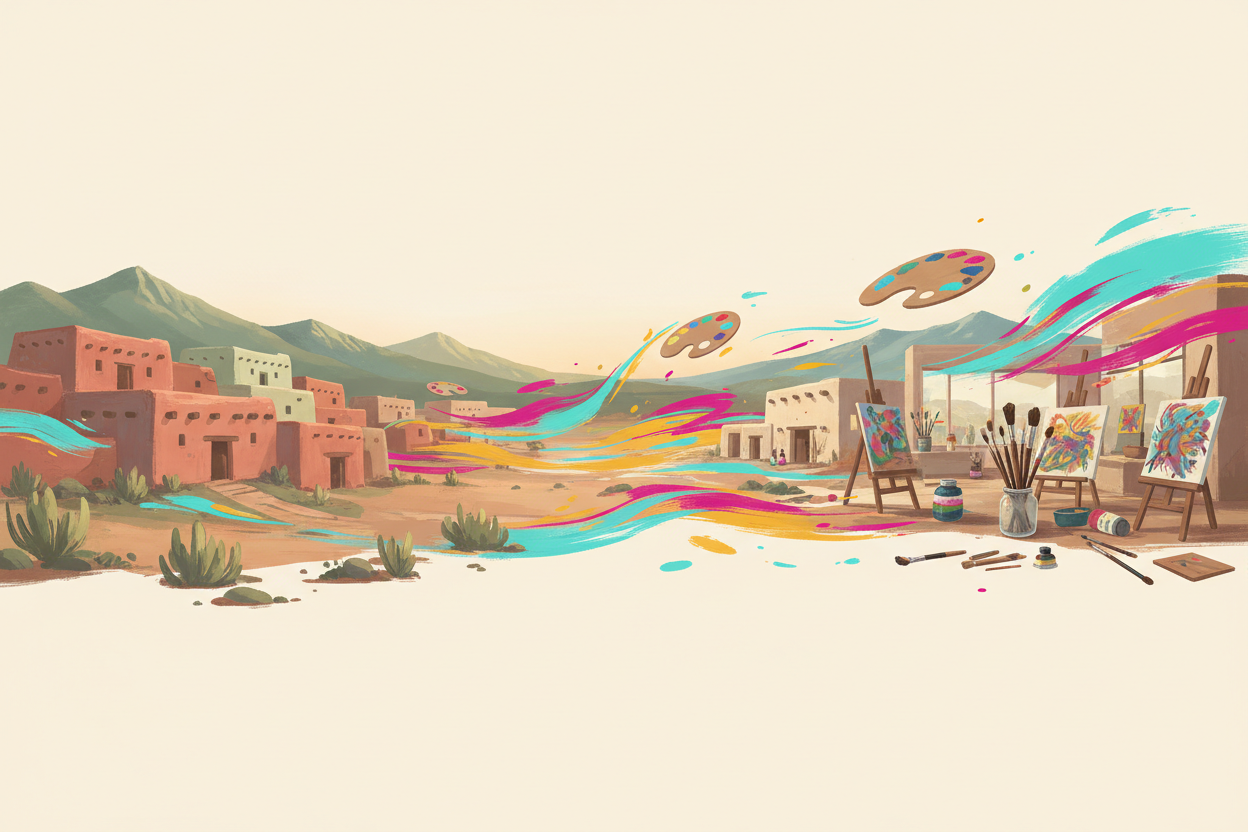
Walking through Santa Fe’s historic Plaza, you’ll notice something magical happens when centuries-old adobe walls meet cutting-edge contemporary art. This enchanting New Mexican city has mastered the art of blending the ancient with the modern, creating one of America’s most distinctive gallery districts. The warm, earthy tones of traditional adobe architecture provide an unexpected yet perfect backdrop for today’s most innovative artistic expressions.
Santa Fe’s art scene isn’t just about preserving the past—it’s about breathing new life into historic spaces while honoring their cultural significance. These galleries represent more than just commercial spaces; they’re living museums where visitors can experience the seamless fusion of Native American heritage, Spanish colonial influence, and contemporary artistic vision.
The Magic of Adobe Architecture in Modern Art Spaces
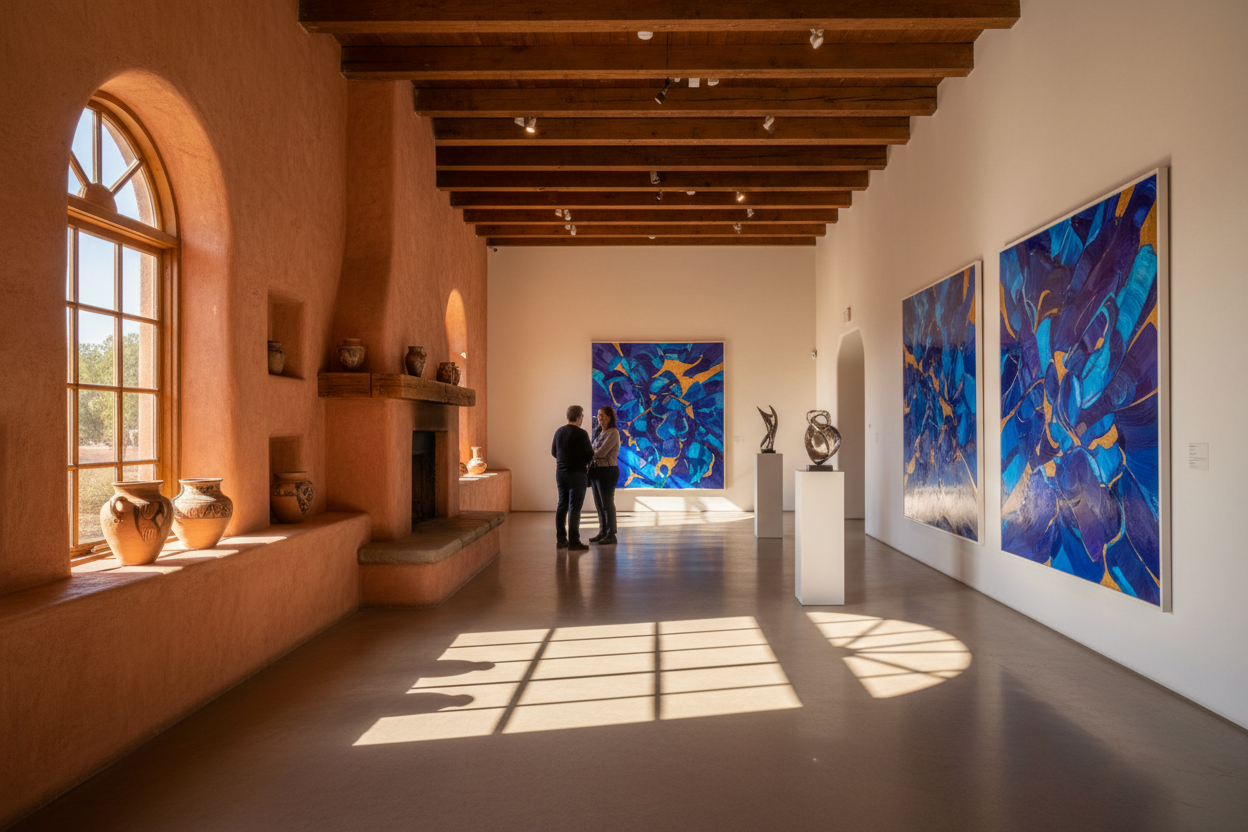
Adobe buildings possess an inherent warmth that transforms the gallery experience entirely. The thick walls, originally designed to keep interiors cool during scorching summers and warm during frigid winters, now serve another purpose: they create an intimate, contemplative atmosphere that enhances art appreciation.
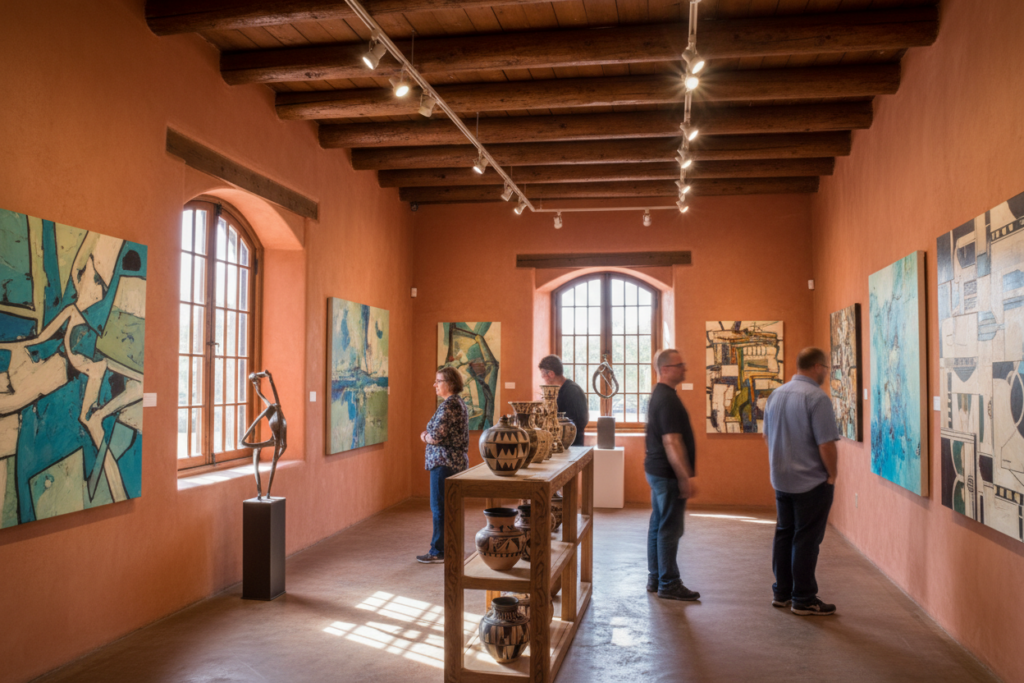
These historic structures, some dating back to the 1600s, feature distinctive characteristics that make them ideal for showcasing contemporary art. The natural lighting filtering through traditional vigas (wooden ceiling beams) creates dramatic shadows and highlights that change throughout the day, offering visitors a dynamic viewing experience. The neutral earth tones of adobe walls—ranging from warm ochre to deep terracotta—complement virtually any artistic medium, from bold abstract paintings to delicate sculptures.
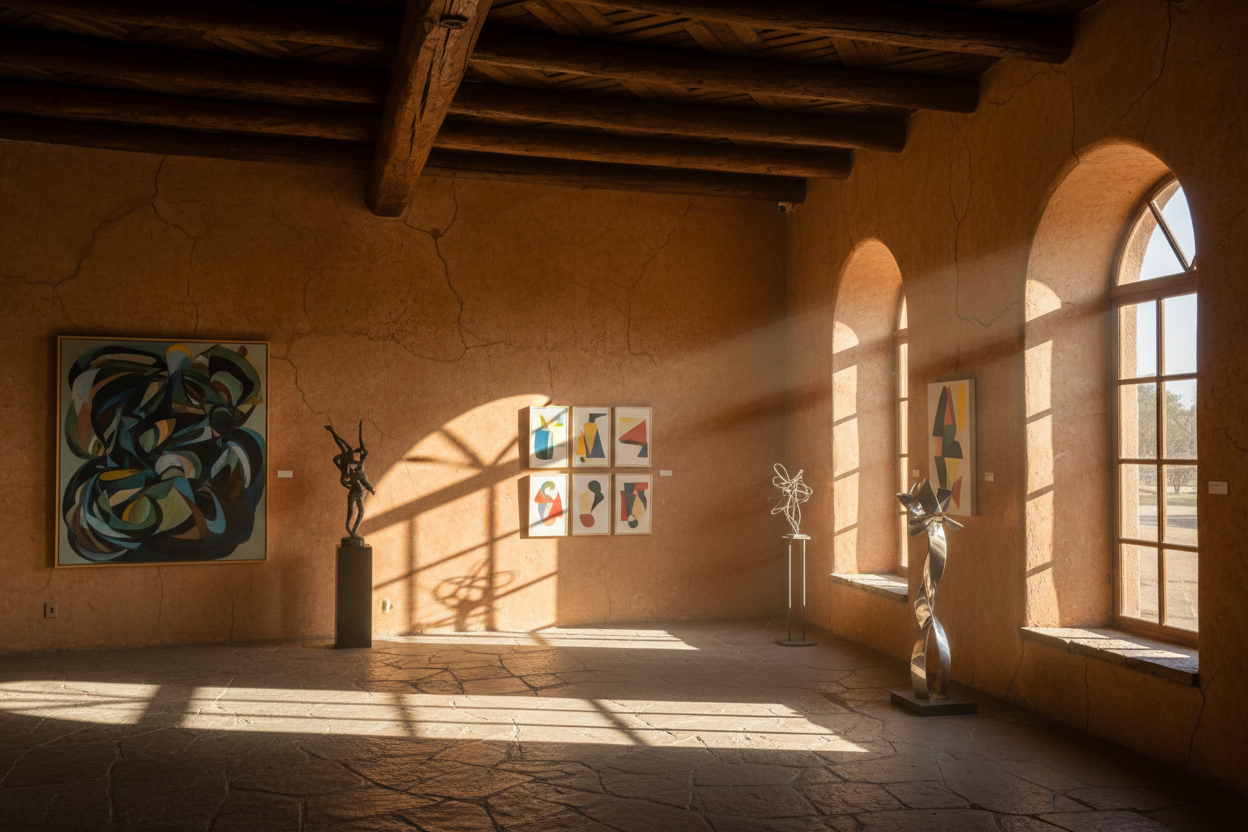
Many gallery owners have discovered that the contrast between ancient architecture and modern art creates a dialogue that enriches both elements. A contemporary steel sculpture might appear more striking against a 300-year-old adobe wall, while the historic building gains renewed relevance through its association with current artistic movements.
Canyon Road: The Heart of Santa Fe’s Gallery District
No discussion of Santa Fe art galleries would be complete without exploring Canyon Road, a narrow, winding street that houses over 100 galleries within a half-mile stretch. This former burro trail, once used by Native Americans and later by Spanish settlers, has evolved into one of the world’s most concentrated art districts.
The galleries along Canyon Road occupy buildings that tell stories spanning centuries. Former residences, trading posts, and even old churches have been carefully converted into exhibition spaces while maintaining their architectural integrity. Walking from gallery to gallery feels like traveling through time, with each adobe doorway offering entry into a different artistic universe.
What makes Canyon Road particularly special is how gallery owners have preserved original architectural features while adapting spaces for contemporary use. Exposed vigas, corner fireplaces (called fogones), and hand-carved wooden doors remain intact, creating exhibition spaces that are artworks in themselves.
Historic Plaza Area: Where Art Meets Cultural Heritage
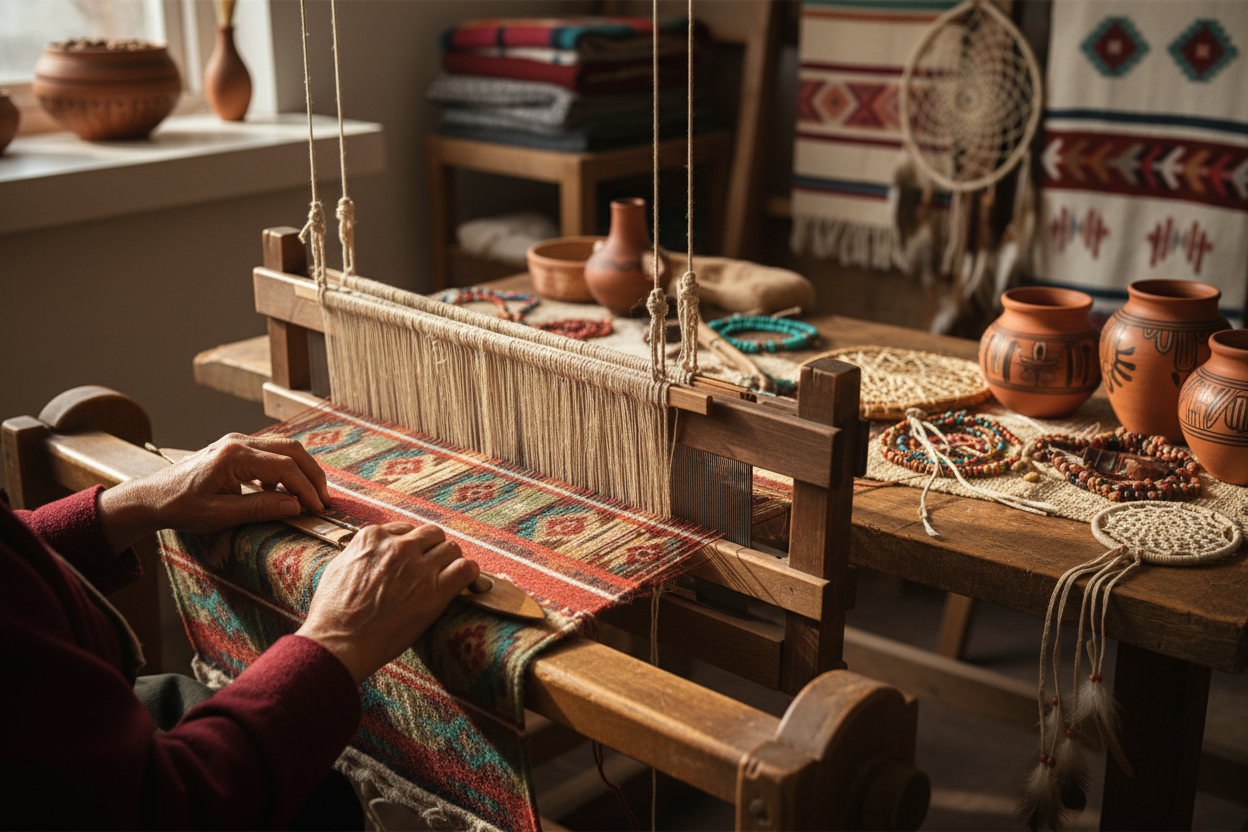
The area surrounding Santa Fe’s central Plaza offers a different but equally compelling gallery experience. Here, some of the city’s oldest buildings house galleries that specialize in both traditional and contemporary Southwestern art. The Palace of the Governors, built in 1610, anchors this historic district where Native American vendors still sell their handcrafted jewelry and pottery under the portal’s protective overhang.
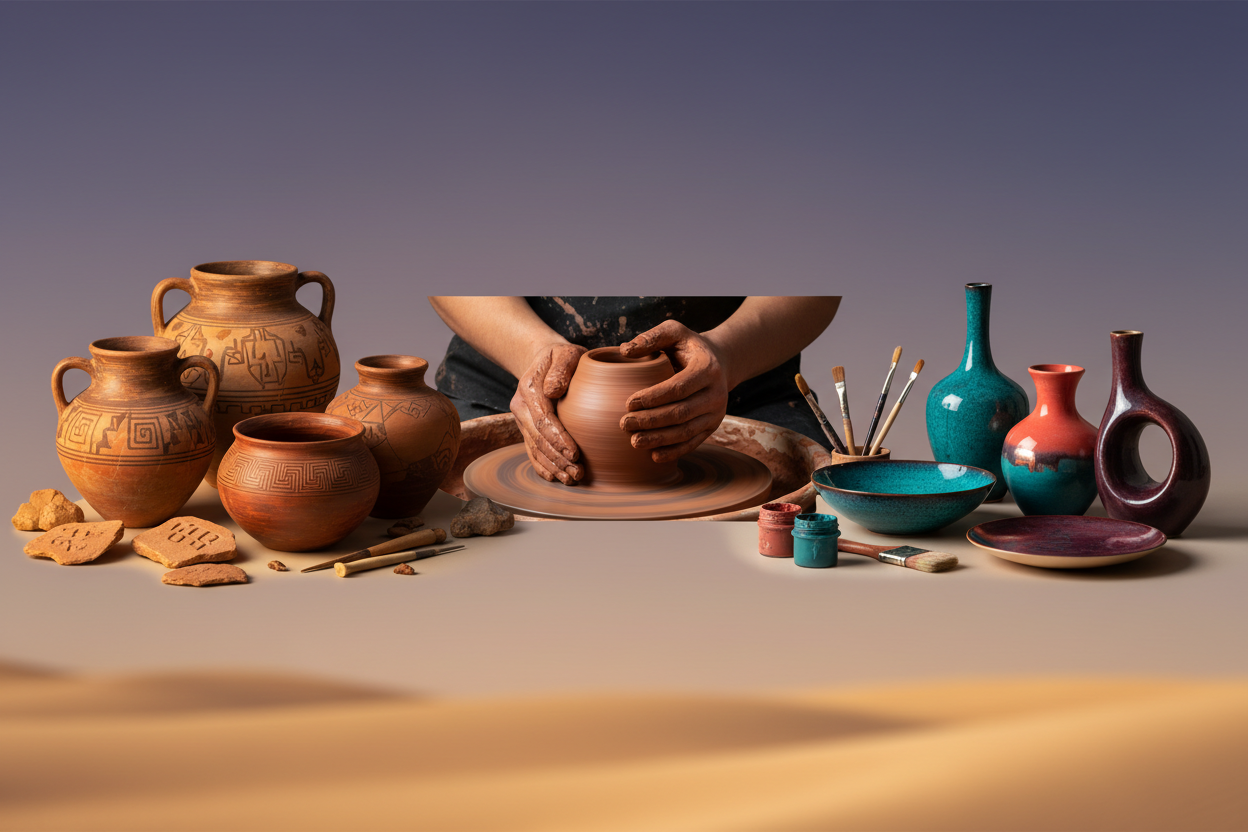
Galleries in this area often focus on works that bridge traditional and contemporary styles. You might find a gallery showcasing modern interpretations of ancient pottery techniques alongside cutting-edge digital art installations. This juxtaposition reflects Santa Fe’s unique position as a place where multiple cultures have intersected for centuries.
The adobe buildings surrounding the Plaza feature thick walls and small windows that create intimate viewing spaces. These architectural constraints have inspired gallery owners to be creative with lighting and display techniques, often resulting in more thoughtful, curated exhibitions than you might find in conventional white-box galleries.
Notable Galleries Blending History with Innovation
Several galleries stand out for their exceptional integration of historic architecture with contemporary art presentation. These spaces demonstrate how preservation and innovation can work hand in hand to create truly unique cultural experiences.
Some galleries have embraced the challenge of working within historic constraints by developing innovative display methods. Low doorways and uneven floors—common features in centuries-old adobe buildings—have inspired creative solutions like custom-built platforms and adjustable lighting systems that highlight both the art and the architecture.
The most successful galleries understand that they’re not just selling art; they’re offering an experience that can’t be replicated anywhere else in the world. The combination of Santa Fe’s high desert light, historic adobe architecture, and world-class contemporary art creates an atmosphere that transforms casual browsers into serious collectors.
The Artists and Their Adobe Studios
Many contemporary artists have chosen to work in Santa Fe specifically because of the unique environment created by historic adobe buildings. These structures offer more than just studio space; they provide inspiration and connection to the land’s cultural history.
Artists often speak about how working within adobe walls influences their creative process. The natural materials—mud, straw, and water—connect them to earth-based artistic traditions while the substantial walls provide the quiet, contemplative atmosphere necessary for serious artistic work. Some artists have even incorporated adobe-making techniques into their artistic practice, creating works that literally embody the spirit of place.
The thick walls also provide excellent insulation from both temperature extremes and outside noise, creating ideal conditions for focused creative work. Many artists’ studios feature traditional corner fireplaces that provide both warmth and a gathering place for artistic communities to share ideas and inspiration.
Preservation Meets Progress: Maintaining Authenticity
Converting historic adobe buildings for contemporary gallery use requires careful balance between preservation and adaptation. Gallery owners must navigate strict historic preservation guidelines while creating spaces that meet modern exhibition standards.
This process often involves working with specialized craftspeople who understand traditional adobe construction techniques. Repairs must use compatible materials and methods to maintain the building’s integrity. Modern amenities like climate control, security systems, and professional lighting must be integrated seamlessly without compromising the structure’s historic character.
The result is galleries that offer the best of both worlds: state-of-the-art presentation capabilities within authentically preserved historic spaces. This commitment to preservation ensures that future generations will continue to experience art within these remarkable architectural settings.
The Collector’s Experience: Why Location Matters
Art collectors from around the world travel to Santa Fe specifically to experience art within these historic adobe settings. The environment influences not just how art is viewed, but how it’s valued and understood.
Many collectors report that seeing contemporary art within historic adobe galleries provides context that helps them better understand both the artwork and their own collecting motivations. The connection to place and history adds layers of meaning that enhance the overall collecting experience.
The intimate scale of most adobe galleries also creates opportunities for meaningful conversations between collectors, artists, and gallery owners. These relationships often develop into long-term partnerships that extend far beyond individual purchases.
Seasonal Transformations and Natural Light
Santa Fe’s high desert environment creates dramatic seasonal changes that transform the gallery experience throughout the year. The quality of light filtering through traditional windows changes with the seasons, offering different perspectives on the same artworks across multiple visits.
Winter brings crisp, clear light that emphasizes details and textures, while summer’s intense sunshine creates bold contrasts and deep shadows. Many gallery owners plan exhibitions with these seasonal light changes in mind, understanding that the same artwork can appear dramatically different depending on the time of year and even the time of day.
The adobe walls themselves change subtly with the seasons, appearing warmer and more golden in summer light, cooler and more subdued in winter’s softer illumination. These natural variations add an element of unpredictability and discovery to the gallery experience that keeps visitors returning.
Santa Fe’s art galleries represent something truly special in the contemporary art world—spaces where history and innovation dance together in perfect harmony. The city’s historic adobe buildings don’t just house art; they participate in its presentation, adding layers of meaning and context that enhance every viewing experience. Whether you’re a serious collector, casual art lover, or simply someone who appreciates the intersection of culture and creativity, Santa Fe’s galleries offer an experience that’s both timeless and thoroughly contemporary. The magic lies not just in the art itself, but in the remarkable spaces that have been lovingly preserved and thoughtfully adapted to showcase humanity’s ongoing creative journey.
Frequently Asked Questions
What makes Santa Fe’s art galleries unique compared to other cities?
Santa Fe’s galleries are housed in historic adobe buildings that date back centuries, creating an intimate, culturally rich environment that enhances the art viewing experience. The combination of traditional Southwestern architecture with contemporary art creates a unique atmosphere you won’t find anywhere else.
Are the historic adobe gallery buildings climate-controlled for artwork preservation?
Yes, most professional galleries have installed modern climate control systems that are carefully integrated into the historic structures without compromising their architectural integrity. These systems protect both the artwork and the building while maintaining appropriate temperature and humidity levels.
Can visitors tour multiple galleries in one day?
Absolutely! Canyon Road alone has over 100 galleries within walking distance. Most visitors can comfortably visit 10-15 galleries in a day, though many prefer to take their time and focus on fewer galleries for a more immersive experience.
Do these galleries feature only Southwestern or Native American art?
While many galleries do specialize in Southwestern and Native American art, Santa Fe’s gallery scene is quite diverse. You’ll find contemporary abstract art, photography, sculpture, and international works alongside traditional regional pieces.
What’s the best time of year to visit Santa Fe’s art galleries?
Santa Fe’s galleries are open year-round, but many visitors prefer spring through fall for the pleasant weather and extended daylight hours. However, winter visits offer their own charm with cozy gallery interiors and fewer crowds, plus the dramatic contrast between snowy landscapes and warm adobe interiors.
Are these historic gallery buildings wheelchair accessible?
Accessibility varies by building due to their historic nature, but many galleries have made accommodations where possible. It’s best to call ahead if accessibility is a concern, as some buildings may have steps or narrow doorways that are part of their historic character.