New Mexico’s landscape holds secrets that stretch back millennia, telling the remarkable story of Indigenous peoples who have called this land home for over 12,000 years. From ancient hunters tracking mammoth across vast plains to sophisticated pueblo-dwelling civilizations, the Native American history of New Mexico represents one of the longest continuous cultural traditions in North America. This rich tapestry of human experience has shaped not only the physical landscape but also the cultural identity of the American Southwest.
Understanding this extensive timeline helps us appreciate the depth and complexity of Indigenous cultures that thrived long before European contact. Each era brought innovations, adaptations, and cultural developments that continue to influence modern New Mexico today.
Paleo-Indian Period (12,000-8,000 BCE): The First New Mexicans
The story begins during the last Ice Age, when the first humans crossed the Bering land bridge and eventually made their way to what we now call New Mexico. These Paleo-Indians were skilled hunters who pursued massive Ice Age creatures across a landscape dramatically different from today’s desert environment.
Archaeological evidence from sites like Blackwater Draw near Clovis reveals sophisticated hunting tools, including the famous Clovis points—spear tips so well-crafted they became the signature technology of early American hunters. These nomadic peoples followed herds of mammoth, giant bison, and other megafauna across grasslands that covered much of present-day New Mexico.
The Folsom culture, which emerged around 10,000 BCE, represents another significant Paleo-Indian group. Their distinctive projectile points, first discovered near Folsom, New Mexico, provided crucial evidence that humans had lived in North America much longer than previously believed. This discovery revolutionized our understanding of early American history.
Archaic Period (8,000-1,000 BCE): Adaptation and Innovation
As the Ice Age ended and megafauna disappeared, Indigenous peoples of New Mexico demonstrated remarkable adaptability. The Archaic period marked a fundamental shift from big-game hunting to a more diverse subsistence strategy that included gathering wild plants, hunting smaller animals, and developing new technologies.
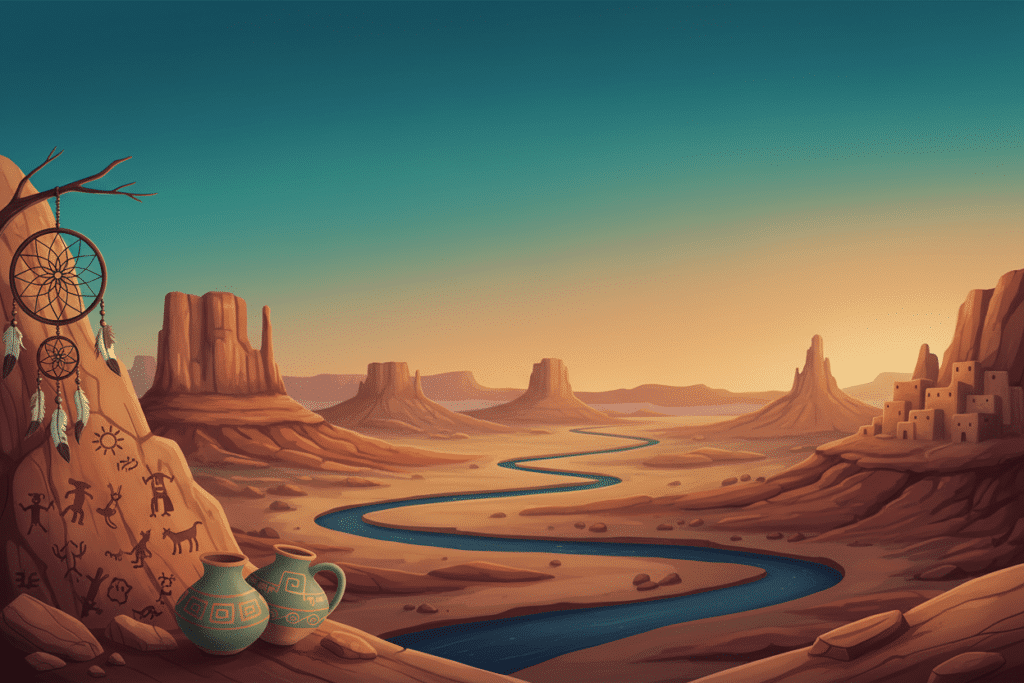
During this extended period, Native Americans began experimenting with agriculture, gradually domesticating plants like corn, beans, and squash—the “Three Sisters” that would become staples of Southwestern cuisine. Rock art from this era, found throughout New Mexico’s canyons and mesas, provides glimpses into the spiritual and daily lives of these early peoples.
The development of the atlatl, a spear-throwing device that increased hunting accuracy and range, exemplifies the technological innovations of this period. These tools allowed hunters to take down prey more efficiently while maintaining safer distances from potentially dangerous animals.
Ancestral Puebloan Era (100-1300 CE): Building Civilizations
Perhaps no period in New Mexico’s Indigenous history captures the imagination quite like the Ancestral Puebloan era, formerly known as the Anasazi period. These remarkable people created some of North America’s most impressive pre-Columbian architecture, including the cliff dwellings at Mesa Verde and the great houses of Chaco Canyon.
Chaco Culture National Historical Park preserves the remnants of a sophisticated civilization that flourished between 850 and 1150 CE. The massive stone structures, some rising four stories high, required advanced engineering knowledge and coordinated labor from hundreds of workers. The precision of these buildings, aligned with astronomical phenomena, demonstrates the Ancestral Puebloans’ sophisticated understanding of mathematics and astronomy.
The extensive road system radiating from Chaco Canyon connected outlying communities across the Four Corners region, facilitating trade in turquoise, pottery, macaw feathers, and other valuable goods. This network suggests a complex social and economic system that unified diverse communities across vast distances.
Pueblo Period (1300-1600 CE): Cultural Continuity and Change
Following the decline of Chaco Canyon, Indigenous peoples of New Mexico didn’t disappear—they adapted and evolved. The Pueblo period saw the emergence of the ancestral communities of modern Pueblo peoples, including the Hopi, Zuni, and Rio Grande Pueblos.
During this time, settlements became more concentrated along river valleys, particularly the Rio Grande. Villages like those at Bandelier National Monument showcase the architectural innovations of this period, with multi-story dwellings carved into cliff faces and constructed from volcanic tuff.
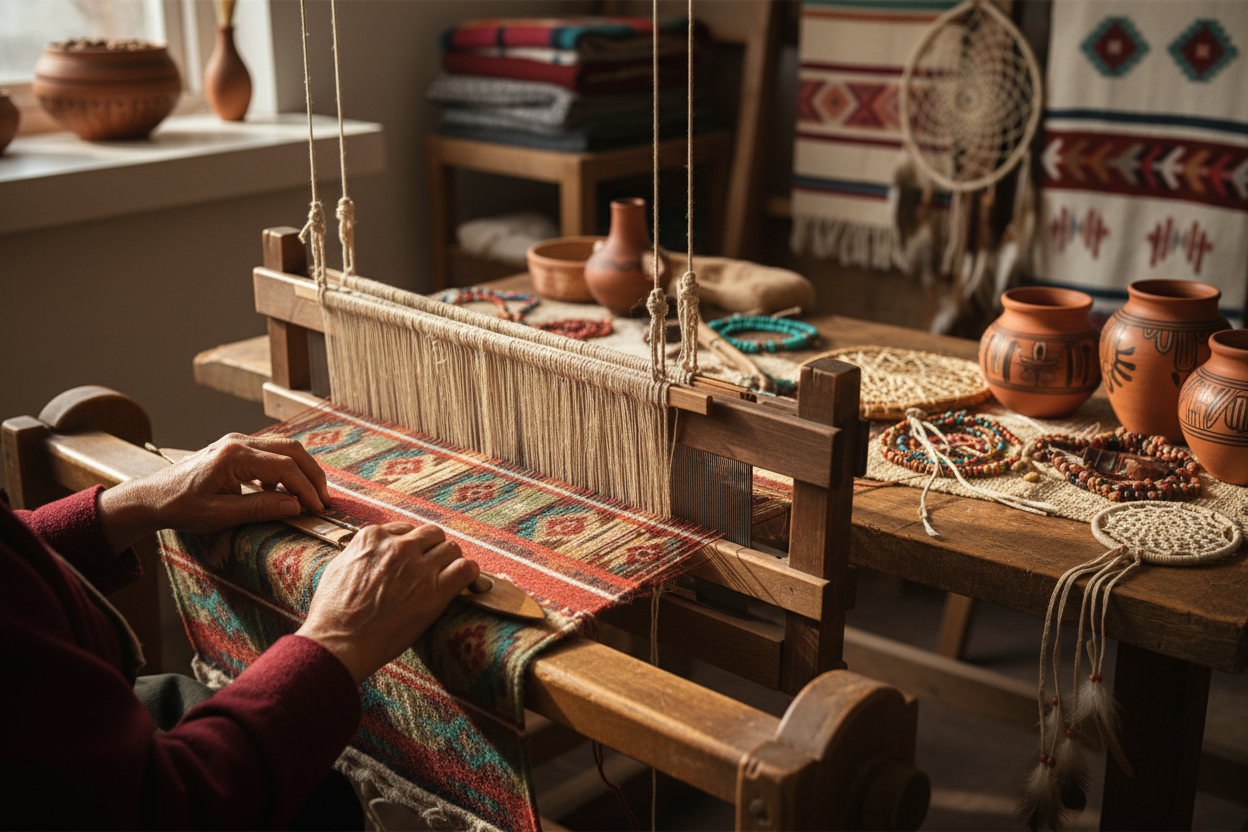
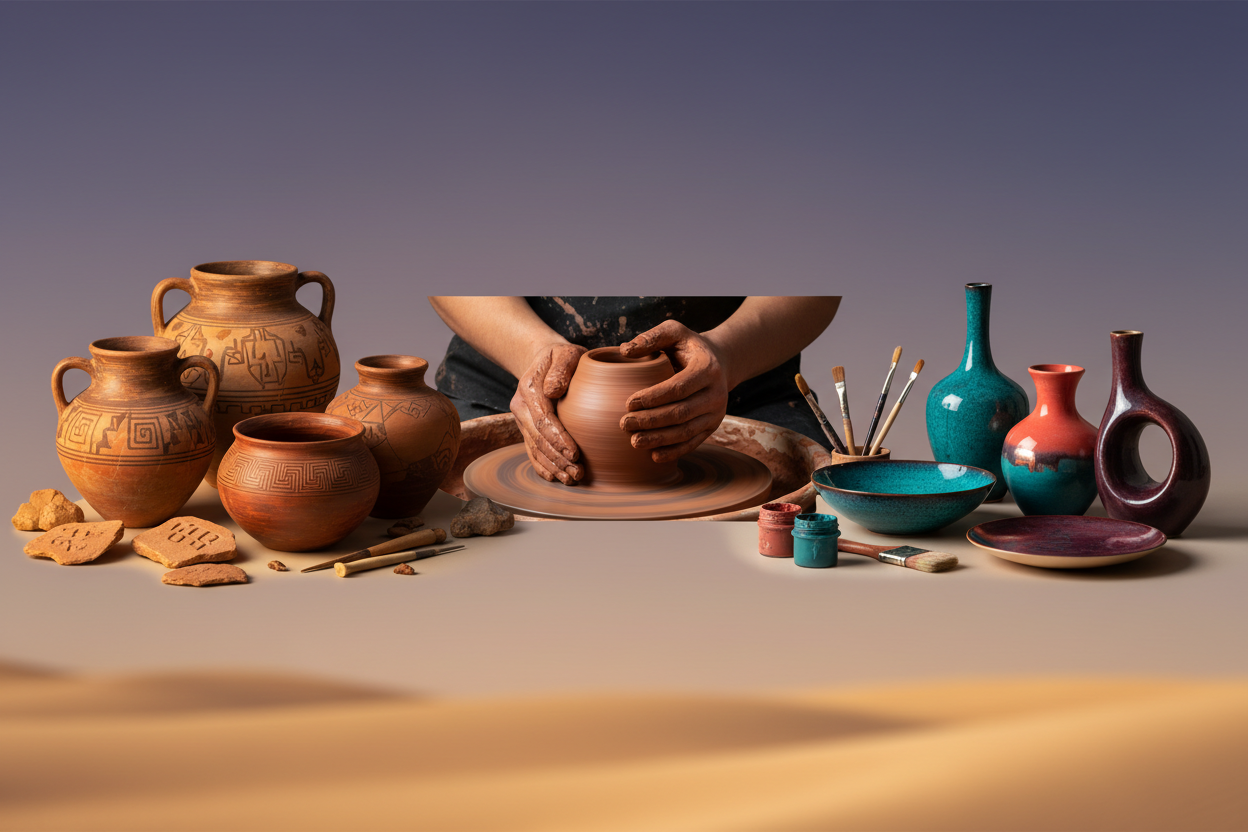
The development of distinctive pottery styles, textile traditions, and religious practices during this period established cultural patterns that continue today. Each pueblo developed its own unique identity while maintaining connections through trade, intermarriage, and shared ceremonies.
Spanish Colonial Period (1598-1821): Contact and Conflict
The arrival of Spanish colonizers in 1598 under Juan de Oñate marked a dramatic turning point in New Mexico’s Indigenous history. This period brought profound changes, including the introduction of horses, new crops, and European diseases that devastated Native populations.
The Pueblo Revolt of 1680 stands as one of the most successful Indigenous uprisings in North American history. Led by Popé, a San Juan Pueblo medicine man, the coordinated rebellion drove Spanish colonizers from New Mexico for twelve years. This remarkable achievement demonstrated the organizational capabilities and determination of Pueblo peoples to preserve their way of life.
Despite the eventual Spanish return, the revolt forced colonizers to adopt a more tolerant approach to Indigenous religious practices, allowing many traditional ceremonies to continue alongside Catholic rituals—a syncretism that characterizes much of modern Pueblo spirituality.
Mexican and American Periods (1821-Present): Survival and Adaptation
Mexican independence in 1821 brought new challenges and opportunities for New Mexico’s Indigenous peoples. The Mexican period saw increased trade and interaction, but also continued pressure on traditional lands and ways of life.
The American conquest of New Mexico in 1846 during the Mexican-American War introduced yet another layer of complexity. The establishment of reservations, forced assimilation policies, and the arrival of the railroad brought dramatic changes to Indigenous communities.
The late 19th and early 20th centuries marked some of the darkest periods in Native American history, with policies aimed at “killing the Indian to save the man” through boarding schools and cultural suppression. Yet Indigenous communities in New Mexico showed remarkable resilience, maintaining their languages, ceremonies, and cultural practices despite overwhelming pressure to assimilate.
Modern Indigenous New Mexico: Cultural Renaissance and Challenges
Today, New Mexico is home to 23 sovereign tribal nations, including 19 Pueblos, three Apache tribes, and the Navajo Nation. These communities have experienced a cultural renaissance since the 1960s, with renewed emphasis on language preservation, traditional arts, and cultural education.
The Indian Gaming Regulatory Act of 1987 provided new economic opportunities for tribal communities, allowing them to develop gaming enterprises that fund education, healthcare, and cultural preservation programs. Many pueblos have also developed successful tourism industries, sharing their rich heritage with visitors while maintaining the privacy of sacred practices.
Contemporary challenges include water rights disputes, environmental protection, and the ongoing struggle to preserve traditional languages as elder speakers pass away. However, innovative programs in schools and communities are working to ensure these irreplaceable cultural treasures survive for future generations.
Archaeological Discoveries and Ongoing Research
New archaeological discoveries continue to deepen our understanding of New Mexico’s Indigenous history. Recent excavations have revealed evidence of even earlier human occupation, sophisticated agricultural systems, and complex trade networks that spanned continents.
The use of new technologies like ground-penetrating radar and DNA analysis has revolutionized archaeological research, allowing scientists to explore sites without disturbing sacred or culturally sensitive areas. These methods have revealed hidden structures at places like Chaco Canyon and provided new insights into ancient migration patterns and cultural connections.
Collaboration between archaeologists and tribal communities has become increasingly important, ensuring that research respects Indigenous perspectives and contributes to community knowledge rather than simply extracting information for academic purposes.
The 12,000-year timeline of Indigenous New Mexico represents far more than a chronological sequence of events—it tells the story of human resilience, innovation, and cultural continuity in the face of dramatic environmental and social changes. From the first Paleo-Indian hunters to contemporary tribal leaders working to preserve their heritage for future generations, Native American peoples have been the constant thread weaving through New Mexico’s history.
Understanding this rich heritage helps us appreciate not only the depth of human experience in the American Southwest but also the ongoing contributions of Indigenous peoples to New Mexico’s cultural landscape. Their innovations in agriculture, architecture, art, and governance continue to influence the region today, reminding us that this history is not merely past but living tradition.
As we move forward, supporting Indigenous communities in their efforts to preserve languages, protect sacred sites, and maintain cultural traditions ensures that this remarkable 12,000-year story continues for future generations. The legacy of New Mexico’s first peoples remains an integral part of the state’s identity and a source of wisdom for addressing contemporary challenges.
Frequently Asked Questions
Q: How long have Native Americans lived in New Mexico?
A: Archaeological evidence suggests Indigenous peoples have lived in New Mexico for at least 12,000 years, with some sites potentially indicating even earlier occupation dating back to 13,000-15,000 years ago.
Q: What happened to the Ancestral Puebloans (Anasazi)?
A: The Ancestral Puebloans didn’t disappear—they migrated and evolved into the modern Pueblo peoples. Climate change, resource depletion, and social factors led them to abandon large centers like Chaco Canyon and Mesa Verde, moving to areas along the Rio Grande and other river valleys.
Q: How many Native American tribes are in New Mexico today?
A: New Mexico is home to 23 sovereign tribal nations: 19 Pueblos, three Apache tribes (Jicarilla, Mescalero, and Fort Sill Apache), and the Navajo Nation, which extends into New Mexico from Arizona.
Q: What was the significance of the Pueblo Revolt of 1680?
A: The Pueblo Revolt was one of the most successful Indigenous uprisings in North American history, driving Spanish colonizers from New Mexico for 12 years and forcing them to adopt more tolerant policies toward Indigenous religious practices upon their return.
Q: Can visitors see ancient Native American sites in New Mexico?
A: Yes, many sites are open to the public, including Chaco Culture National Historical Park, Bandelier National Monument, Petroglyph National Monument, and various pueblo communities that offer tours and cultural programs.
Q: What are the “Three Sisters” in Native American agriculture?
A: The Three Sisters refer to corn, beans, and squash—three crops that were traditionally grown together by Indigenous peoples throughout the Americas. These plants complement each other nutritionally and agriculturally, with corn providing support for beans and squash providing ground cover.