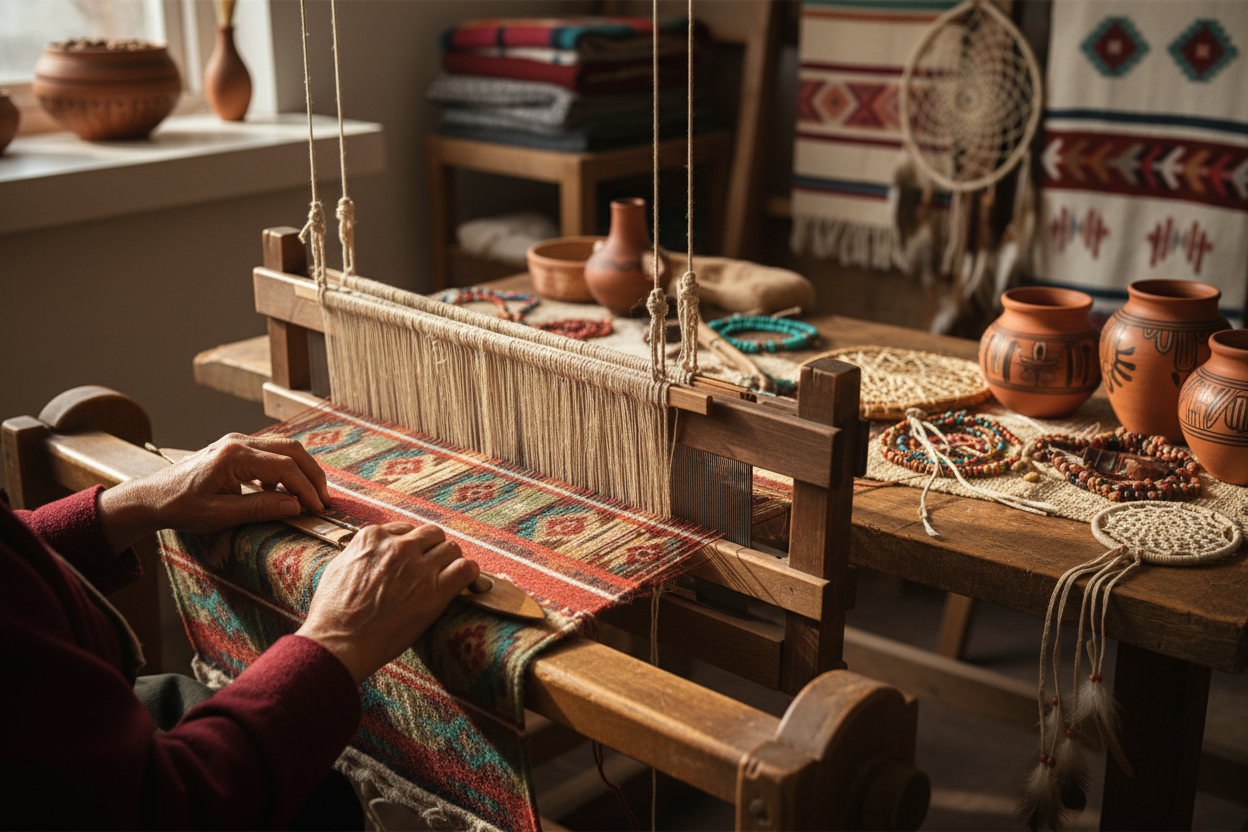
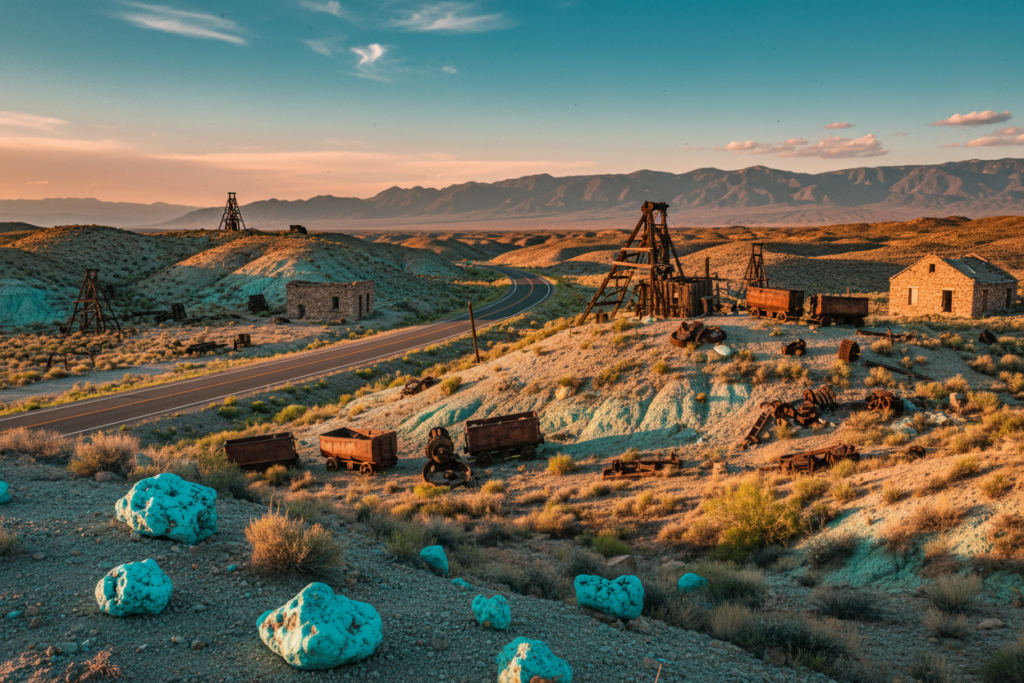
Stretching between Albuquerque and Santa Fe, New Mexico’s Highway 14 carries a name that whispers tales of ancient treasures and modern dreams. The Turquoise Trail isn’t just another scenic byway—it’s a 62-mile journey through time, where Native American traditions, Spanish colonial ambitions, and American frontier spirit converge along a route that has witnessed centuries of mining history.
This remarkable stretch of road earned its moniker from the precious blue-green stone that indigenous peoples mined here for over a thousand years. Today, travelers can explore ghost towns, active mining sites, and museums that preserve the rich mining heritage that shaped this region. Whether you’re a history enthusiast, rock hound, or simply someone who appreciates the stories embedded in landscapes, the Turquoise Trail offers an unforgettable glimpse into America’s mining past.
Ancient Beginnings: Native American Turquoise Mining
Long before Spanish conquistadors set foot in the New World, Pueblo peoples were extracting turquoise from the Cerrillos Hills. Archaeological evidence suggests that mining activities in this region date back to 900 CE, making it one of North America’s oldest mining districts. The Ancestral Puebloans, followed by various Pueblo tribes, recognized turquoise as more than just a beautiful stone—it was sacred, representing protection, healing, and connection to the sky.
The most significant prehistoric mining site along the Turquoise Trail is the Cerrillos Mining District, where ancient miners created an extensive network of pits and tunnels. These early miners used stone tools and fire-setting techniques, heating rock faces and then rapidly cooling them with water to create fractures. The scale of their operations was remarkable; some estimates suggest they moved over 200,000 tons of rock to extract turquoise.
What makes this ancient mining heritage particularly fascinating is how it connected distant cultures. Turquoise from the Cerrillos Hills has been found in archaeological sites throughout Mesoamerica, indicating extensive trade networks that reached as far south as present-day Mexico. This blue-green treasure was so valued that it often served as currency, cementing the Turquoise Trail’s importance in pre-Columbian commerce.
Spanish Colonial Era: The Search for Gold and Silver
When Spanish explorers arrived in the 16th century, they brought different mining priorities. While they initially showed interest in turquoise, their primary focus shifted to precious metals—gold and silver. The Spanish established several mining operations along what would become Highway 14, transforming the landscape and introducing European mining techniques.

The town of Cerrillos became a focal point during this period. Spanish colonists established mines and brought in Native American laborers, often under harsh conditions. They introduced new tools, including metal implements and gunpowder for blasting, which dramatically increased extraction capabilities. However, the Spanish mining ventures along the Turquoise Trail were often short-lived, hampered by Apache raids, difficult terrain, and the remote location.
One of the most intriguing aspects of Spanish colonial mining was their documentation. Unlike the prehistoric miners who left no written records, Spanish administrators kept detailed accounts of their operations. These documents, housed in archives in Santa Fe and Mexico City, provide valuable insights into early European mining techniques and the challenges they faced in this rugged landscape.
The American Frontier Period: Boom Towns and Mining Camps
The arrival of American settlers in the mid-19th century marked a new chapter in Turquoise Trail mining history. The discovery of significant coal deposits, along with renewed interest in precious metals, sparked a mining boom that would define the region for decades. Towns like Madrid, Cerrillos, and Golden sprang to life, each with its own unique character and mining focus.
Madrid became synonymous with coal mining, supplying fuel to the rapidly expanding railroad network. At its peak in the early 20th century, Madrid was a thriving company town with over 2,500 residents, complete with schools, a hospital, and even a baseball team that competed regionally. The Albuquerque and Cerrillos Coal Company transformed this area into one of New Mexico’s most productive mining districts.
Cerrillos, meanwhile, maintained its reputation as a turquoise mining center while also producing lead, zinc, and silver. The town attracted a diverse population of miners, merchants, and entrepreneurs. During its heyday in the 1880s, Cerrillos boasted 21 saloons, four hotels, and several newspapers. It was a rough-and-tumble frontier town where fortunes were made and lost with equal frequency.
Golden, despite its promising name, was primarily a placer gold mining settlement. Prospectors worked the arroyos and hillsides, using simple tools to extract gold from stream beds and weathered rock. While never as large as Madrid or Cerrillos, Golden represents the optimism and determination of frontier miners who believed that the next pan of gravel might contain their fortune.
Industrial Mining and Technological Advances
The early 20th century brought industrial-scale mining operations to the Turquoise Trail. Steam-powered equipment, improved transportation, and more sophisticated extraction techniques transformed mining from a largely manual endeavor into a mechanized industry. This period saw the construction of substantial mining infrastructure, including rail spurs, processing facilities, and worker housing.
The Turquoise Trail Mining Company, established in the 1890s, exemplified this industrial approach. They invested heavily in modern equipment and employed scientific mining methods, including geological surveys and systematic exploration. Their operations in the Cerrillos Hills were among the most technologically advanced turquoise mining ventures in North America.
Coal mining along the trail also became increasingly sophisticated. The Madrid mines employed hundreds of workers and utilized mechanical coal cutters, electric lighting, and narrow-gauge railways to transport coal from underground workings to surface facilities. Safety improvements, while still rudimentary by today’s standards, began to address the dangerous conditions that had claimed many miners’ lives.
This industrial period also saw the first serious attempts at environmental consideration. Mining companies began implementing basic reclamation practices, though these were primarily motivated by economics rather than environmental concern. Waste rock was sometimes used to build roads and foundations, and water management became more systematic as operations expanded.
Modern Mining Heritage and Preservation
Today’s Turquoise Trail represents a fascinating blend of active mining operations and historical preservation. While large-scale industrial mining has largely ceased, small-scale turquoise mining continues, often by individuals and families who have maintained claims for generations. These modern miners combine traditional techniques with contemporary knowledge, creating a living link to the area’s mining past.
The transformation of former mining towns into tourist destinations has created new economic opportunities while preserving important historical sites. Madrid has reinvented itself as an artist colony, with galleries and shops occupying former mining buildings. The town’s Christmas display, powered by solar energy, draws thousands of visitors annually and demonstrates how former mining communities can adapt and thrive.
Cerrillos has embraced its role as a historical destination, with the Cerrillos Mining Museum offering visitors comprehensive insights into the area’s mining heritage. The museum, housed in a restored mining building, displays artifacts ranging from prehistoric stone tools to industrial mining equipment. Interactive exhibits allow visitors to experience different aspects of mining life, from panning for gold to examining turquoise specimens under magnification.
Preservation efforts along the Turquoise Trail face ongoing challenges. Weather, vandalism, and natural deterioration threaten historical mining sites. However, partnerships between government agencies, historical societies, and local communities have resulted in successful preservation projects. The stabilization of mining structures, creation of interpretive trails, and documentation of oral histories from former miners help ensure that this heritage remains accessible to future generations.
Exploring the Turquoise Trail Today
Modern visitors to the Turquoise Trail can experience its mining heritage through multiple avenues. Self-guided tours allow travelers to explore at their own pace, while organized tours provide expert interpretation of historical sites. Many locations offer hands-on experiences, including guided mine tours, gold panning demonstrations, and turquoise cutting workshops.
The Casa Grande Trading Post in Cerrillos serves as an excellent starting point for exploration. This historic building houses an extensive collection of turquoise specimens, mining artifacts, and local crafts. Knowledgeable staff can provide maps, directions, and insights into the best sites for experiencing the area’s mining history.
For those interested in active participation, several locations along the trail offer fee-based mining experiences. Visitors can try their hand at turquoise mining, gold panning, or rockhounding under expert supervision. These activities provide tangible connections to the mining heritage while supporting local businesses and preservation efforts.
Photography enthusiasts will find abundant opportunities along the Turquoise Trail. Abandoned mining structures, historic headframes, and scenic mine sites provide compelling subjects. However, visitors should always respect private property, follow safety guidelines, and practice Leave No Trace principles to preserve these sites for others.
Frequently Asked Questions
What is the best time of year to visit the Turquoise Trail for mining history exploration?
Spring and fall offer the most comfortable weather for outdoor exploration. Summer can be quite hot, while winter may bring snow that makes some mining sites inaccessible. April through May and September through October are ideal months for visiting.
Are there any active mines that offer public tours along the Turquoise Trail?
While most large-scale mining operations have ceased, several small turquoise mines offer guided tours by appointment. The Cerrillos Mining Museum can provide current information about available tours and mining experiences.
Can visitors collect turquoise or other minerals along the Turquoise Trail?
Collecting is only permitted on private property with explicit permission from landowners or at designated fee-based collecting sites. Much of the land along the trail is private property or protected public land where collecting is prohibited.
What safety precautions should visitors take when exploring historical mining sites?
Never enter abandoned mine shafts or tunnels, as they can be extremely dangerous. Stay on designated trails, wear appropriate footwear, bring plenty of water, and inform others of your plans. Many old mining areas contain hazardous materials and unstable structures.
How long does it take to drive the entire Turquoise Trail and visit major mining heritage sites?
The drive itself takes about 90 minutes, but allowing a full day or weekend enables proper exploration of museums, historic sites, and mining locations. Many visitors prefer to spend 2-3 days to fully appreciate the area’s mining heritage.
Are there accommodations available along the Turquoise Trail for visitors interested in mining history?
Limited accommodations exist directly on the trail, but nearby Santa Fe and Albuquerque offer extensive lodging options. Some bed-and-breakfasts in the area cater specifically to visitors interested in mining history and can provide specialized tours and information.
The Turquoise Trail stands as a testament to human ingenuity, perseverance, and the enduring allure of precious stones and metals. From ancient Pueblo miners working with stone tools to modern rockhounds equipped with GPS and geological knowledge, this remarkable stretch of New Mexico highway continues to attract those drawn to the earth’s hidden treasures. As you travel Highway 14, you’re not just driving through beautiful high desert landscape—you’re following in the footsteps of countless miners whose dreams, struggles, and achievements shaped the American Southwest. The mining heritage of the Turquoise Trail remains very much alive, inviting each new generation to discover its stories and perhaps find their own piece of the treasure that has drawn people to these hills for over a millennium.