When you drive through the high desert landscapes of New Mexico today, past ancient pueblos and Spanish colonial churches, you’re witnessing the living legacy of one of North America’s most fascinating cultural encounters. The 16th century Spanish exploration of New Mexico didn’t just mark territory on a map—it fundamentally transformed the region’s social, cultural, and architectural landscape in ways that still resonate today.
The story of Spanish colonial influence in New Mexico is far more complex than simple conquest. It’s a tale of ambition, survival, cultural exchange, and lasting transformation that began with dreams of golden cities and evolved into something entirely different. Understanding this history helps us appreciate how European exploration created the unique multicultural identity that defines New Mexico to this day.
The Golden Dreams That Started It All
The Spanish fascination with New Mexico began with whispered tales of incredible wealth. Following Hernán Cortés’s spectacular conquest of the Aztec Empire in 1521, Spanish conquistadors were convinced that more golden civilizations awaited discovery in the vast northern territories. The legend of the Seven Cities of Cíbola, supposedly overflowing with gold and precious stones, captured imaginations and drove expeditions northward from Mexico.
Álvar Núñez Cabeza de Vaca’s remarkable survival story after shipwrecking on the Texas coast in 1528 only fueled these fantasies. During his eight-year journey across the Southwest, he heard indigenous stories about wealthy cities to the north. When he finally reached Spanish territory in 1536, his accounts sparked a gold rush mentality that would define Spanish exploration efforts for decades.
These weren’t just idle dreams—they represented serious economic and political ambitions. Spain needed new sources of wealth to fund its European wars and maintain its global empire. The success in Mexico and Peru had proven that the New World could yield unimaginable riches, making the northern frontier seem like the next logical opportunity for expansion.
Francisco Vásquez de Coronado: The Explorer Who Changed Everything
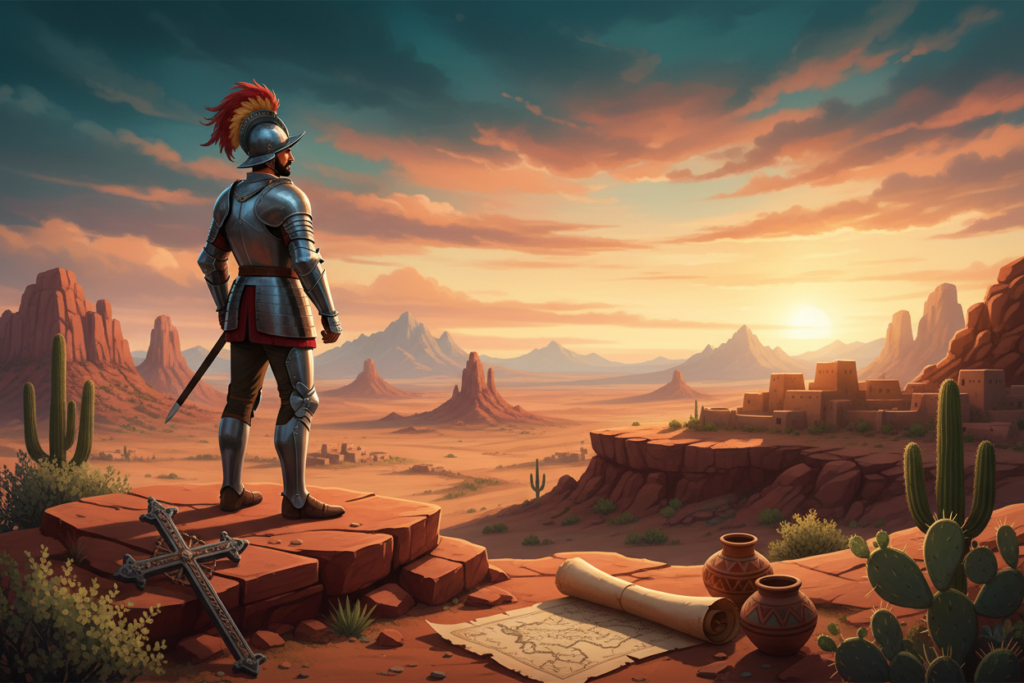
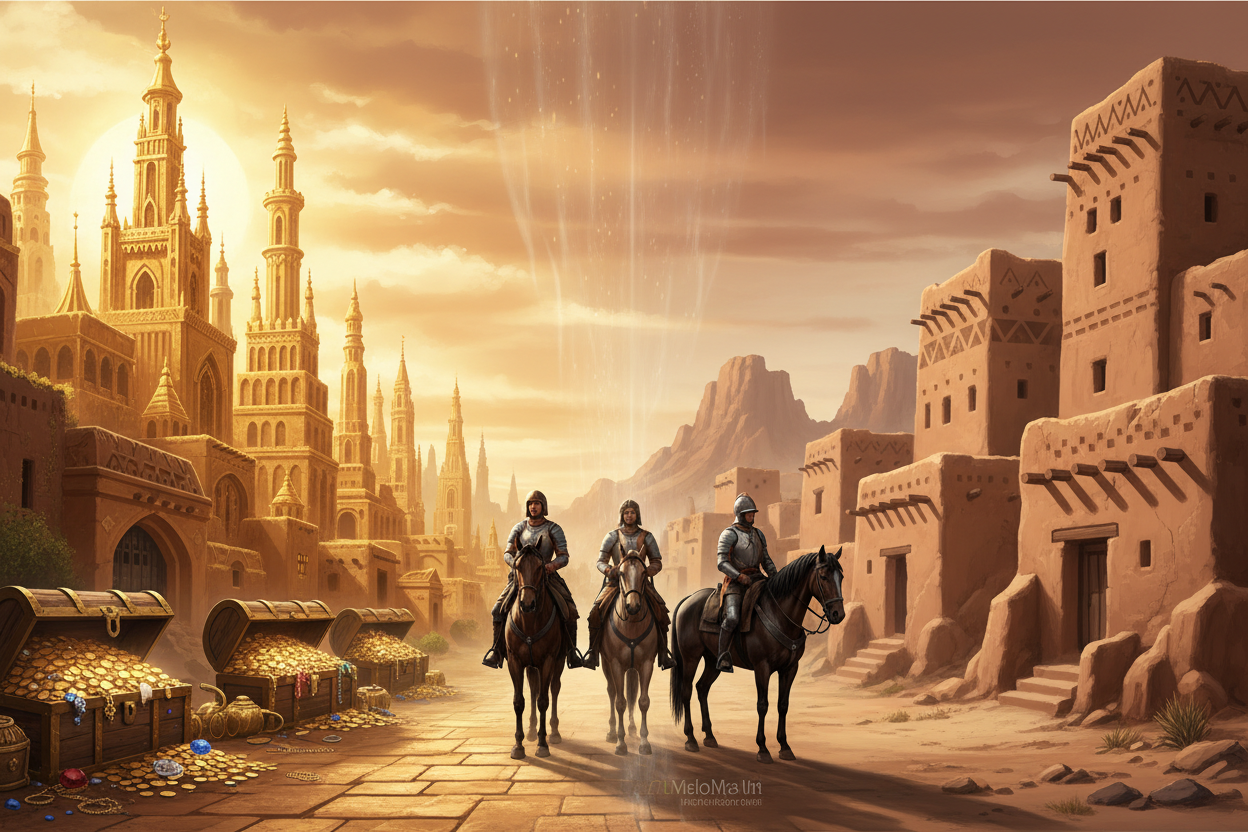
In 1540, Francisco Vásquez de Coronado launched the most significant Spanish expedition into New Mexico territory. Leading approximately 340 Spanish soldiers and 1,000 indigenous allies, Coronado’s expedition was massive by 16th-century standards. His mission was clear: find the Seven Cities of Cíbola and claim their wealth for Spain.
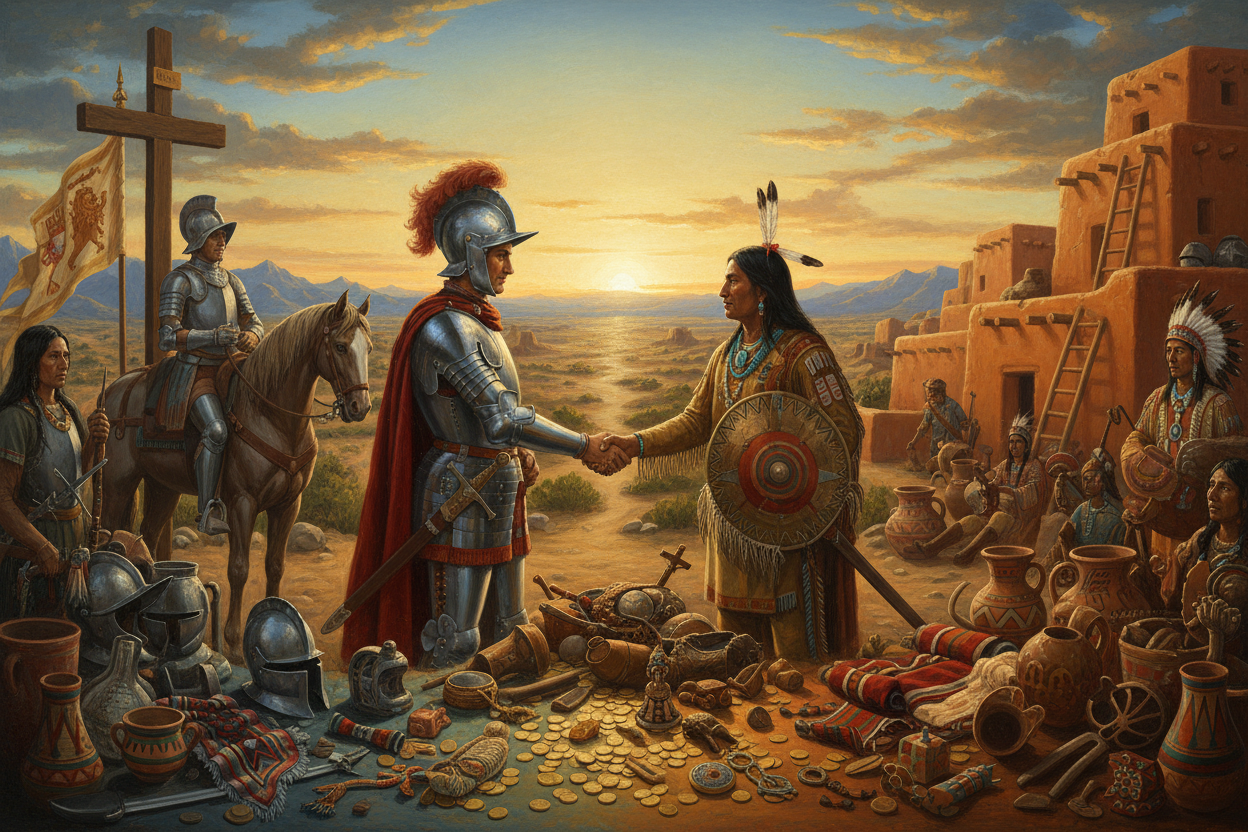
What Coronado found instead was something far more valuable in the long term, though disappointing at the time. The “golden cities” turned out to be modest Pueblo communities like Hawikuh, constructed of adobe and stone rather than precious metals. However, Coronado’s two-year expedition established crucial precedents for Spanish-Pueblo relations and provided detailed geographical knowledge that would guide future colonization efforts.
The expedition’s impact extended far beyond exploration. Coronado’s men were the first Europeans to document Pueblo agricultural techniques, social structures, and religious practices. They also introduced horses, cattle, sheep, and European crops to the region—biological exchanges that would permanently alter the Southwest’s ecosystem and indigenous way of life.
Perhaps most significantly, Coronado’s expedition established patterns of interaction between Spanish colonizers and Pueblo peoples that would persist for centuries. While conflicts occurred, the Spanish also recognized the value of Pueblo agricultural knowledge and established communities, leading to a more complex colonial relationship than existed in many other parts of the Americas.
The Pueblo Peoples: Partners and Resisters in Colonial Transformation
Understanding Spanish colonial impact requires recognizing that Pueblo peoples weren’t passive recipients of European influence—they were active participants who shaped colonial outcomes through both cooperation and resistance. When Spanish explorers arrived, they encountered sophisticated agricultural societies that had thrived in the Rio Grande valley for centuries.
The Pueblo peoples had developed remarkable irrigation systems, multi-story adobe architecture, and complex social organizations that impressed even conquistadors seeking gold. These communities included groups like the Hopi, Zuni, and various Rio Grande Pueblos, each with distinct languages and customs but sharing similar agricultural lifestyles and architectural traditions.
Spanish colonizers quickly realized that successful settlement would require Pueblo cooperation. Unlike the nomadic tribes encountered elsewhere, Pueblo communities offered stable agricultural production, established trade networks, and defensive advantages that Spanish settlers desperately needed in the harsh frontier environment.
This mutual dependence created unique colonial dynamics. While Spanish authorities imposed new religious and political structures, they also adapted to existing Pueblo practices. The result was a distinctive blend of European and indigenous elements that became characteristic of New Mexican colonial culture.
Juan de Oñate and the Establishment of Permanent Spanish Settlement
The real transformation of New Mexico began in 1598 when Juan de Oñate led the first permanent Spanish colonization expedition into the region. Unlike earlier exploratory missions, Oñate brought entire families, livestock, tools, and supplies necessary for establishing lasting settlements. His expedition included approximately 600 colonists, making it one of the largest European settlement efforts in North America at that time.
Oñate established the first Spanish capital at San Juan Pueblo, later moved to San Gabriel, and finally to Santa Fe in 1610. These weren’t just military outposts—they were genuine attempts to create Spanish colonial society in the New World. The colonists brought European legal systems, Catholic religious practices, and Mediterranean agricultural techniques that they adapted to high desert conditions.
The Oñate expedition also established the encomienda system in New Mexico, granting Spanish colonists rights to indigenous labor and tribute in exchange for supposed protection and religious instruction. While this system created significant hardships for Pueblo peoples, it also created economic relationships that bound Spanish and indigenous communities together in complex ways.
Oñate’s harsh treatment of resistant Pueblo communities, particularly at Acoma in 1599, demonstrated the violent potential of Spanish colonialism. However, his expedition also established patterns of cultural exchange, intermarriage, and adaptation that would define New Mexican society for centuries to come.
Cultural Exchange and Architectural Legacy
One of the most visible legacies of 16th-century Spanish exploration is New Mexico’s distinctive architectural style, which blends European colonial and indigenous Pueblo traditions. Spanish colonists brought knowledge of European construction techniques, but they quickly adapted to local materials and methods that Pueblo peoples had perfected over centuries.
The result was a unique architectural fusion that we now recognize as classic Southwestern style. Adobe construction, flat roofs, vigas (wooden ceiling beams), and enclosed courtyards became standard features that combined Spanish colonial preferences with Pueblo engineering expertise. Churches like San Miguel Mission in Santa Fe, built in the early 1600s, exemplify this architectural synthesis.
Beyond architecture, Spanish colonization introduced new crops, animals, and technologies that transformed regional agriculture. Wheat, barley, and various fruits complemented traditional Pueblo crops like corn, beans, and squash. Spanish livestock—horses, cattle, sheep, and goats—not only provided new food sources but also revolutionized transportation and textile production.
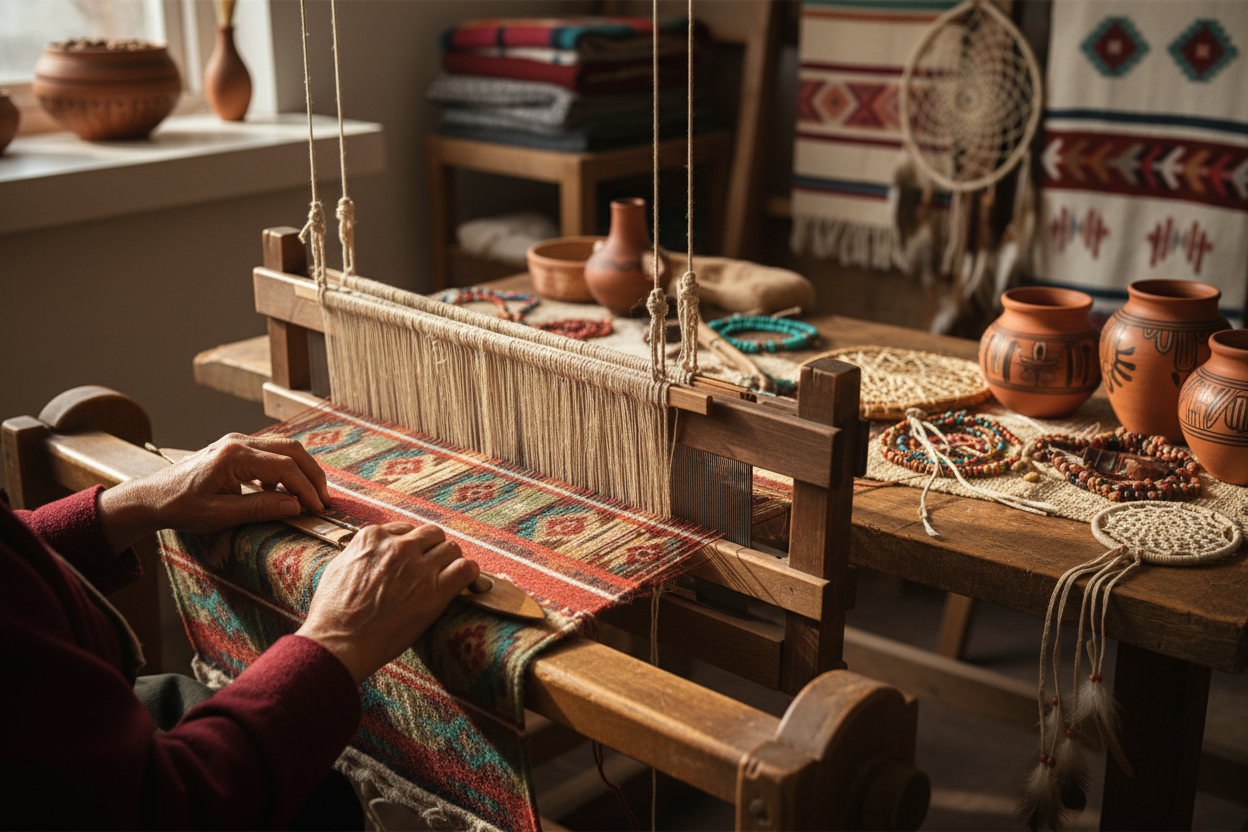
The cultural exchange wasn’t one-directional. Spanish colonists adopted Pueblo agricultural techniques, food preparation methods, and even clothing styles adapted to desert conditions. This mutual adaptation created a distinctive regional culture that differed significantly from both Spanish and Pueblo traditions while incorporating elements of both.
Religious Transformation and Syncretism
Spanish colonial efforts in New Mexico were inseparable from Catholic missionary activities. Franciscan friars accompanied every major expedition, viewing the conversion of indigenous peoples as both a religious duty and a tool of colonial control. However, the religious transformation that occurred was far more complex than simple conversion from indigenous beliefs to Catholicism.
Pueblo peoples often incorporated Catholic symbols and practices into existing religious frameworks rather than abandoning traditional beliefs entirely. This religious syncretism created unique forms of worship that combined Christian and indigenous elements—a phenomenon that Spanish authorities sometimes tolerated and sometimes violently suppressed.
The construction of Catholic churches in Pueblo communities represented both Spanish colonial authority and indigenous adaptation. While these buildings served Catholic worship, they were often built using traditional Pueblo construction methods and incorporated indigenous artistic elements. Many churches were constructed directly over traditional ceremonial sites, symbolically and literally layering new religious practices over old ones.
This religious complexity would eventually contribute to major conflicts, including the Pueblo Revolt of 1680, but it also created lasting cultural traditions that continue to characterize New Mexican spirituality today.
Economic Systems and Trade Networks
Spanish colonization fundamentally altered New Mexico’s economic landscape by introducing European concepts of private property, monetary exchange, and long-distance trade. Before Spanish arrival, Pueblo communities engaged in sophisticated barter systems and regional trade networks, but Spanish colonists brought new economic structures that connected New Mexico to global markets.
The Spanish colonial economy in New Mexico was based on several key elements: agriculture, livestock raising, mining (though less successfully than hoped), and trade. Spanish colonists established farms and ranches that produced surplus goods for trade with Mexico and other Spanish territories. This commercial agriculture represented a significant shift from Pueblo subsistence farming, though traditional practices continued alongside new methods.
Perhaps most importantly, Spanish colonization established New Mexico as a crucial link in trade networks stretching from Asia to Europe. The famous Santa Fe Trail, though not fully developed until the 19th century, had its origins in colonial-era trade routes that connected New Mexico’s resources to broader Spanish commercial networks.
These economic changes created new social hierarchies and relationships that combined Spanish colonial class structures with existing indigenous social organizations. The result was a complex colonial society that differed significantly from both European and indigenous precedents.
The Lasting Impact on Modern New Mexico
The influence of 16th-century Spanish exploration extends far beyond historical curiosity—it fundamentally shaped the New Mexico we know today. Drive through any New Mexican town and you’ll encounter Spanish colonial place names, architectural styles, legal traditions, and cultural practices that trace directly back to those early expeditions.
Modern New Mexico’s unique multicultural identity reflects the complex colonial relationships established in the 1500s. The state’s official bilingual status, its distinctive cuisine combining Spanish, Mexican, and Pueblo elements, and its artistic traditions all demonstrate the lasting impact of colonial cultural exchange.
Even New Mexico’s political and legal systems show colonial influences. Spanish colonial land grants, water rights, and community organization patterns established precedents that continue to influence contemporary law and governance. The acequia irrigation systems that still water New Mexican fields represent a direct continuation of colonial-era adaptations of Pueblo and Spanish agricultural techniques.
Understanding this colonial history helps explain why New Mexico feels different from other Southwestern states. The deep historical roots of cultural mixing, the early establishment of permanent settlements, and the unique relationships between Spanish colonists and Pueblo peoples created a regional identity that has persisted through Mexican independence, American territorial status, and statehood.
Conclusion
The Spanish exploration of New Mexico in the 16th century represents far more than a simple tale of European expansion. It’s a complex story of cultural encounter, adaptation, and transformation that created something entirely new in the American Southwest. While Spanish explorers never found the golden cities they sought, they discovered something far more valuable—the opportunity to create a unique multicultural society that has enriched North American civilization for over four centuries.
The legacy of these early expeditions reminds us that history isn’t just about dates and famous names—it’s about the ongoing process of cultural creation that occurs when different peoples encounter one another. In New Mexico, that process began with 16th-century Spanish explorers and continues today in the state’s vibrant multicultural communities.
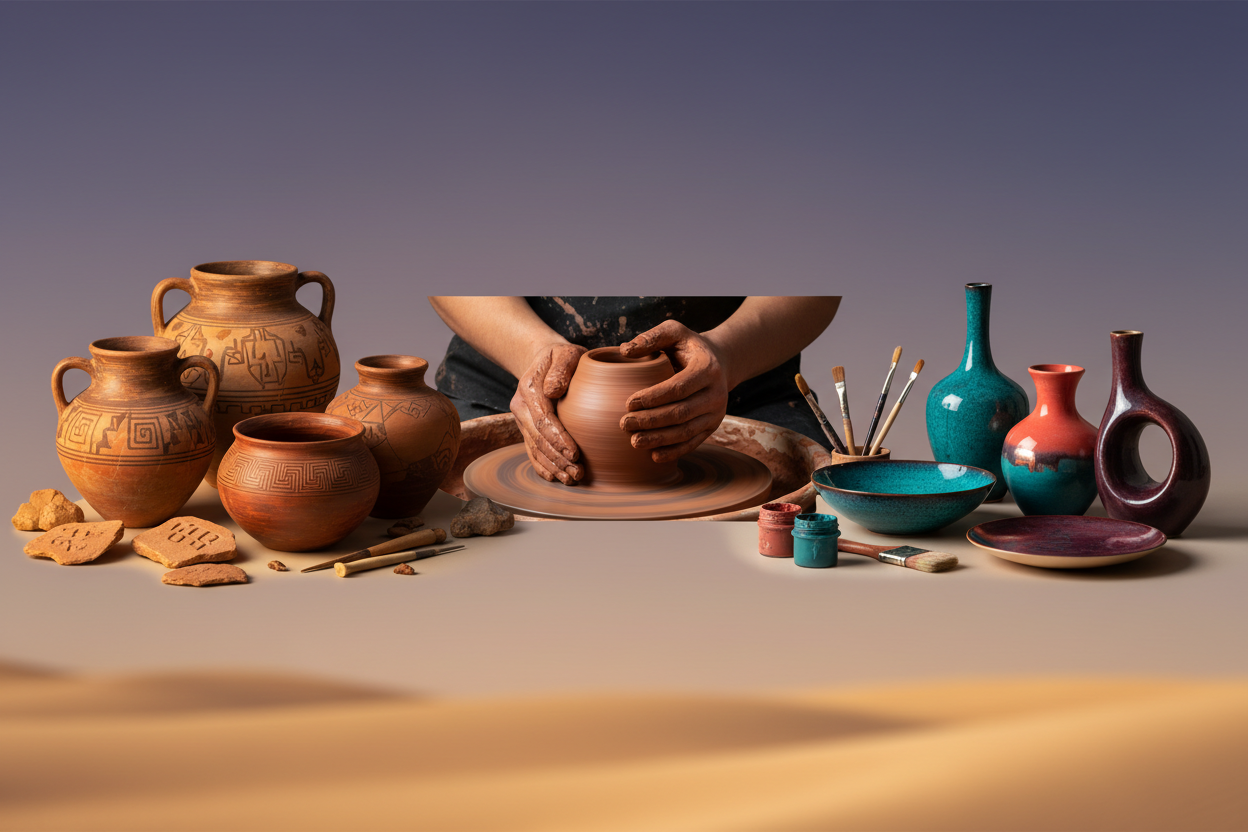
As we walk through Santa Fe’s plaza, admire Pueblo pottery that incorporates Spanish colonial motifs, or taste traditional New Mexican cuisine that blends indigenous and European ingredients, we’re experiencing the living legacy of those ambitious 16th-century expeditions. Understanding this history helps us appreciate not just where New Mexico came from, but also the ongoing cultural creativity that makes it such a distinctive place in the modern American landscape.
Frequently Asked Questions
Who was the first Spanish explorer to reach New Mexico?
Álvar Núñez Cabeza de Vaca was likely the first Spanish explorer to pass through what is now New Mexico during his eight-year journey from 1528-1536, though Francisco Vásquez de Coronado led the first major expedition specifically into New Mexico territory in 1540.
What were the Seven Cities of Cíbola that Spanish explorers sought?
The Seven Cities of Cíbola were legendary cities rumored to be filled with gold and precious stones. Spanish explorers believed these cities existed in the American Southwest based on indigenous stories and earlier accounts. In reality, they were modest Pueblo communities built of adobe and stone, not the golden cities of Spanish imagination.
How did Spanish colonization affect Pueblo peoples?
Spanish colonization had complex effects on Pueblo peoples, including the introduction of new crops, animals, and technologies, as well as new religious and political systems. While colonization brought significant challenges and conflicts, it also created opportunities for cultural exchange and adaptation that influenced both Spanish and Pueblo communities.
What is the significance of Juan de Oñate’s expedition?
Juan de Oñate’s 1598 expedition established the first permanent Spanish settlements in New Mexico, including the founding of Santa Fe in 1610. His expedition brought entire families and the infrastructure necessary for lasting colonization, making it the beginning of continuous European settlement in the region.
How can I see evidence of Spanish colonial influence in New Mexico today?
Spanish colonial influence is visible throughout New Mexico in architecture (adobe buildings, Spanish colonial churches), place names, legal traditions (water rights, land grants), cuisine, art, and the state’s official bilingual status. Santa Fe’s historic plaza and missions throughout the state offer excellent examples of colonial-era architecture and cultural blending.