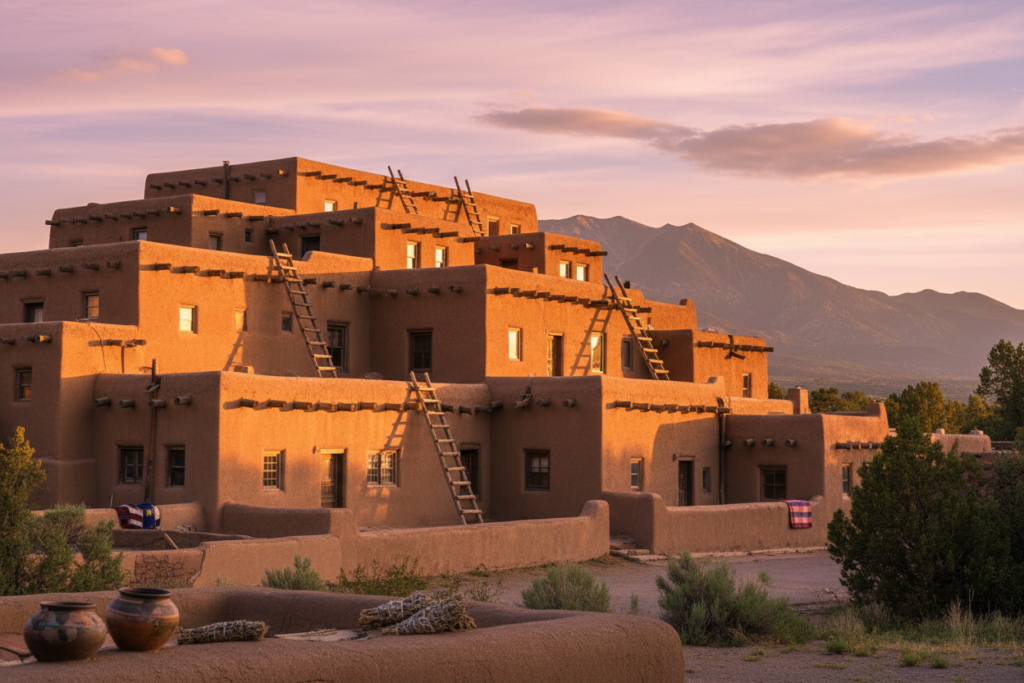
Standing majestically against the backdrop of the Sangre de Cristo Mountains, Taos Pueblo represents something extraordinary in our modern world—a living piece of history that has remained virtually unchanged for over a thousand years. This remarkable Native American community in northern New Mexico holds the distinguished honor of being both a UNESCO World Heritage Site and a National Historic Landmark, making it one of the most significant cultural treasures in North America.
What makes Taos Pueblo truly exceptional isn’t just its ancient architecture or its UNESCO designation—it’s the fact that people still call these adobe buildings home, just as their ancestors did centuries ago. This isn’t a museum frozen in time; it’s a vibrant, breathing community where tradition and daily life intertwine in the most beautiful way possible.
The Ancient Architecture That Defines Taos Pueblo
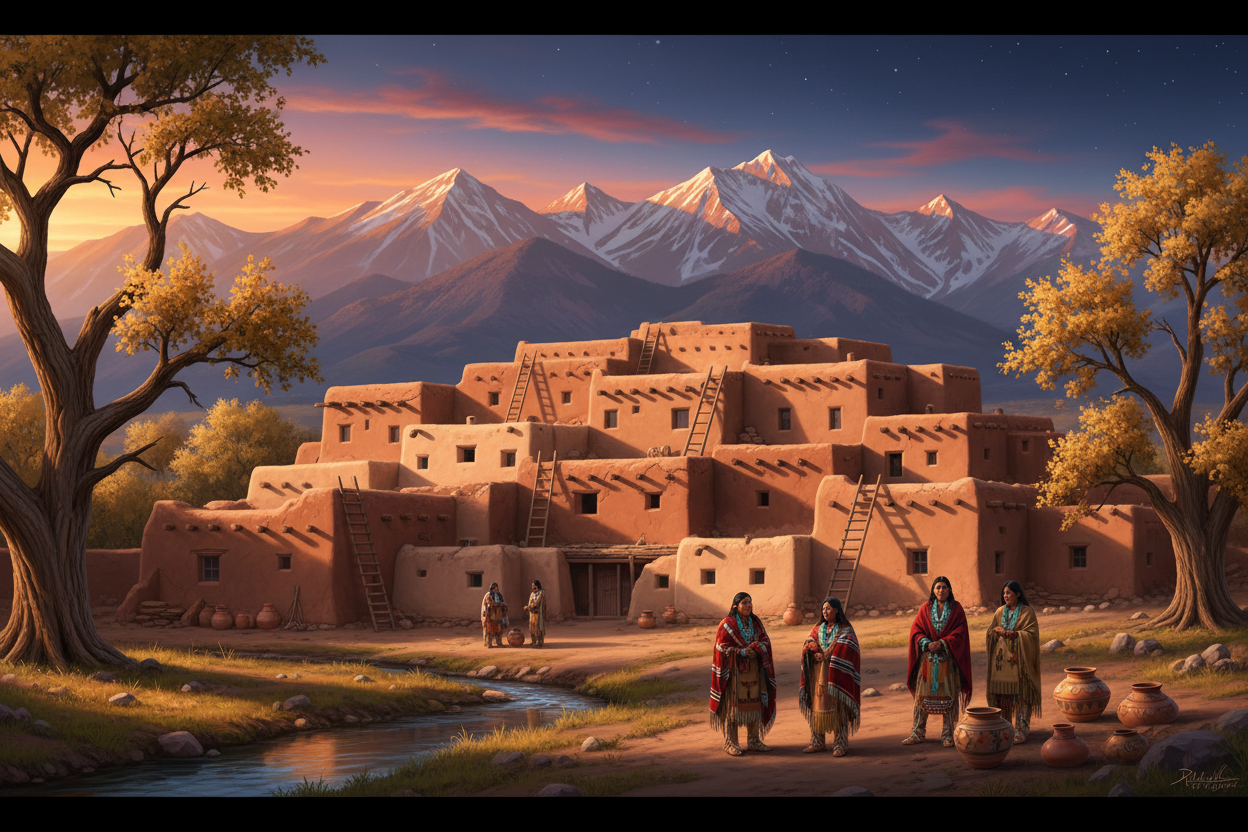
The multi-story adobe buildings of Taos Pueblo are architectural marvels that have withstood the test of time in ways that would make modern engineers envious. These structures, known as Hlauuma (north house) and Hlaukwima (south house), rise up to five stories high and represent some of the oldest continuously inhabited buildings in the United States.
Built entirely from adobe—a mixture of earth, water, and organic materials like straw—these buildings showcase the ingenuity of Pueblo construction techniques. The thick walls provide natural insulation, keeping interiors cool during scorching summer days and warm during harsh winter months. What’s particularly fascinating is that these structures were built without any modern tools, nails, or even wooden support beams in the traditional sections.
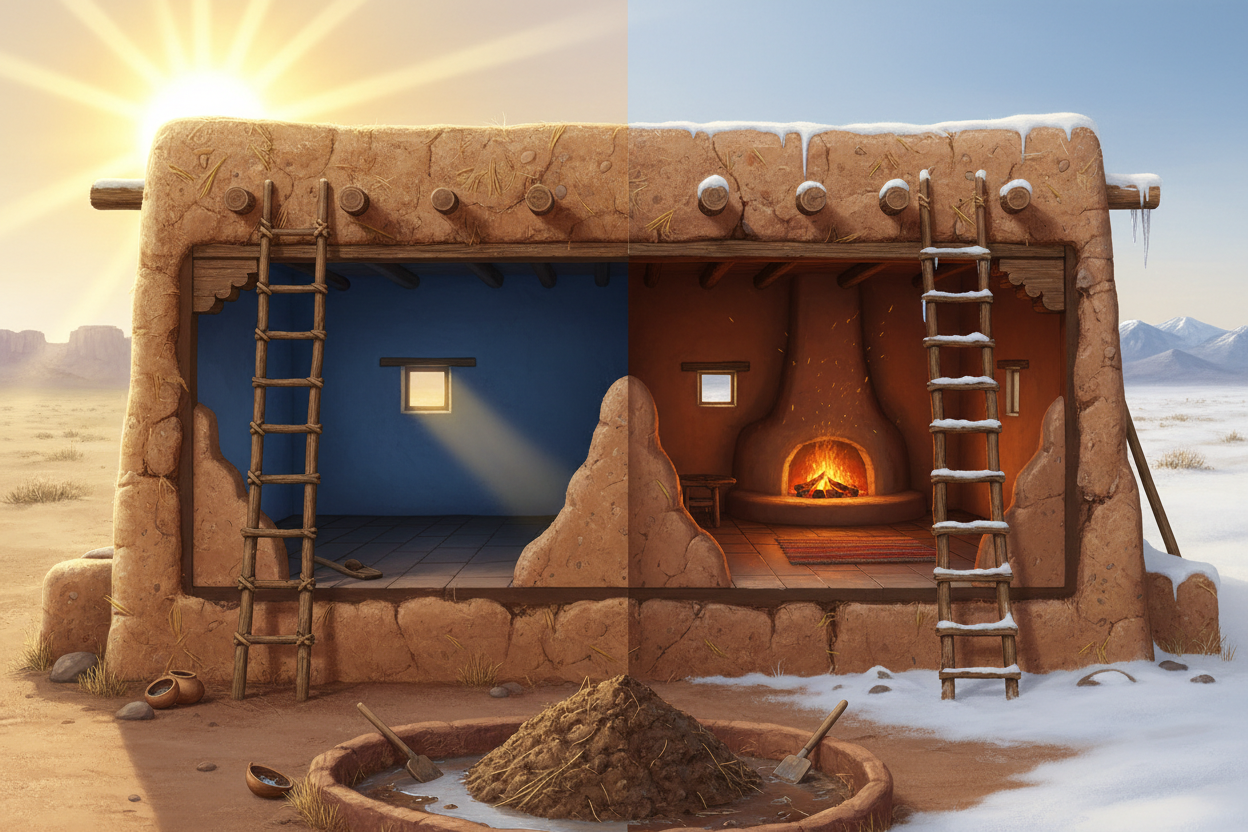
The buildings’ stepped pyramid design isn’t just aesthetically pleasing; it serves practical purposes too. Each level is set back from the one below, creating terraces that were historically accessed by ladders rather than internal staircases. This design provided both defensive advantages and efficient use of space while maintaining the structural integrity that has lasted for centuries.
UNESCO World Heritage Recognition: Why It Matters
In 1992, Taos Pueblo received UNESCO World Heritage Site designation, joining an elite group of locations deemed to have “outstanding universal value” to humanity. This recognition came after careful consideration of the pueblo’s exceptional cultural significance and its role as a testament to the ingenuity of Native American civilizations.
The UNESCO designation specifically acknowledges Taos Pueblo as “a remarkable example of a traditional type of architectural ensemble which illustrates a significant stage in human history.” This isn’t just bureaucratic language—it’s recognition that this place represents something irreplaceable in our collective human story.
The designation also brings important protections and responsibilities. It ensures that any changes or renovations must respect the traditional building methods and materials, helping preserve the pueblo’s authentic character for future generations. However, it also means balancing preservation with the practical needs of the families who continue to live here.
A Living Community: Modern Life in Ancient Walls
Perhaps the most remarkable aspect of Taos Pueblo is that it remains a functioning community rather than a historical relic. Approximately 150 people live full-time within the ancient walls, maintaining a lifestyle that honors their ancestors while adapting to contemporary realities.
Life in the pueblo follows rhythms that have persisted for generations. Residents still gather water from the Red Willow Creek that flows through the community, and many homes continue to rely on wood-burning stoves for heat and cooking. The absence of electricity and running water in many traditional homes isn’t a hardship—it’s a conscious choice to maintain the authentic pueblo experience.
The residents are members of the Taos Pueblo tribe, and their daily lives reflect a beautiful blend of ancient traditions and modern necessities. While they may drive cars to work in nearby Taos town, they return home to buildings that their ancestors constructed using techniques passed down through countless generations.
Cultural Traditions and Sacred Practices
Taos Pueblo serves as the spiritual and cultural heart of the Taos people, hosting ceremonies and traditions that connect the community to their ancestral heritage. The pueblo’s central plaza becomes a gathering place for various celebrations throughout the year, including feast days, dances, and other cultural events.
One of the most significant aspects of pueblo life is the deep connection to the land and natural cycles. The community’s agricultural traditions continue today, with residents maintaining fields of corn, beans, and squash—the traditional “Three Sisters” crops that have sustained Pueblo peoples for centuries.
The pueblo also maintains its traditional governance structure, with a tribal council and traditional leadership working together to make decisions that affect the community. This dual system allows them to navigate both their internal cultural needs and their relationships with federal, state, and local governments.
Visiting Taos Pueblo: A Respectful Cultural Exchange
Taos Pueblo welcomes visitors, offering guided tours that provide insight into their history, culture, and daily life. However, visiting requires respect and understanding that this is first and foremost a home to real families, not a tourist attraction.
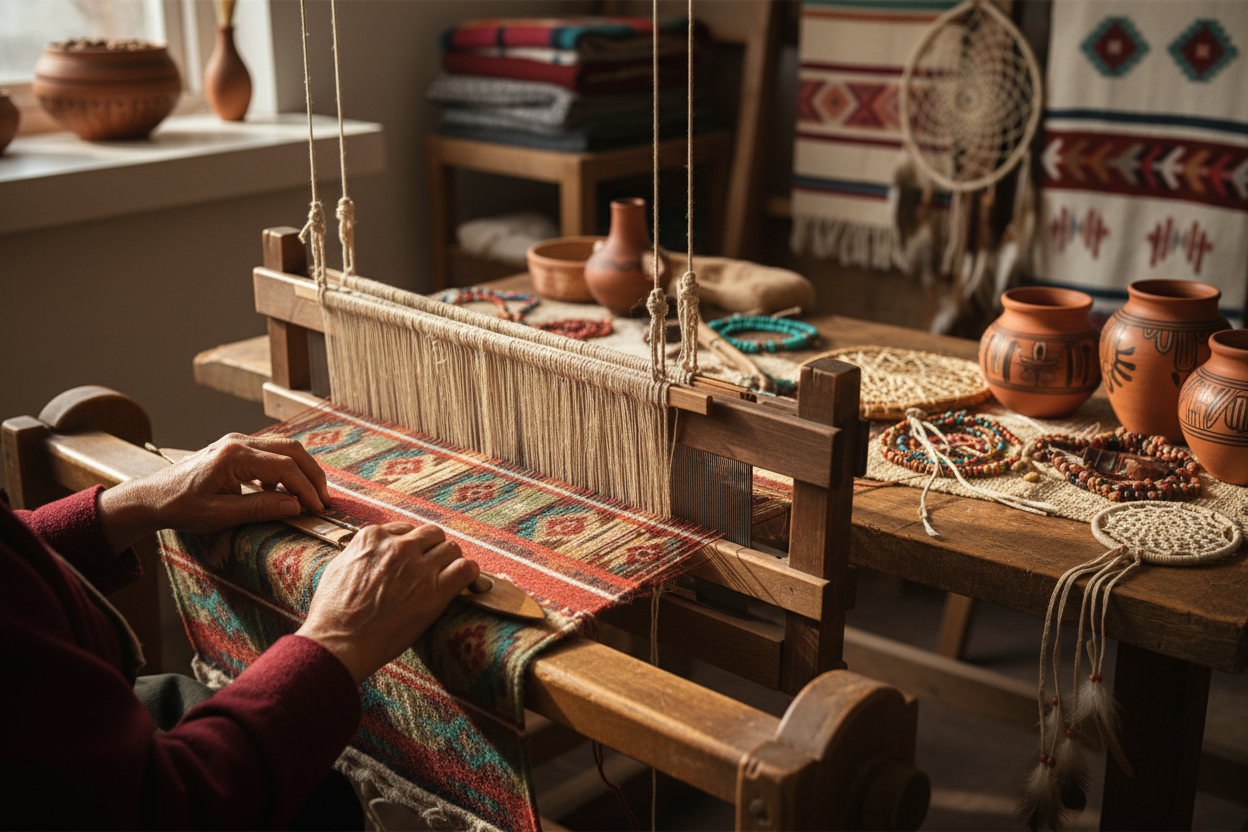
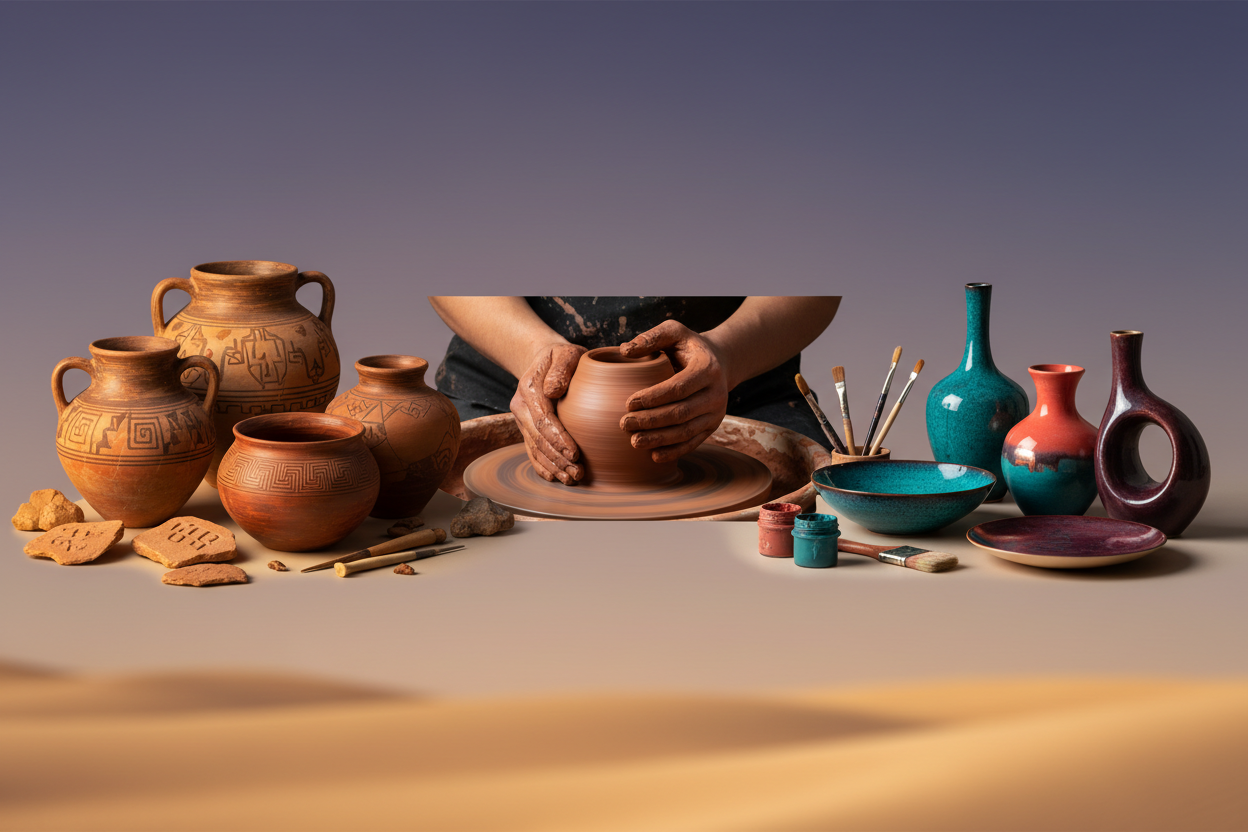
Tours typically include visits to the historic buildings, explanations of traditional construction methods, and opportunities to purchase authentic Native American crafts directly from artisans. Many residents are skilled in traditional pottery, jewelry making, and other crafts that reflect centuries-old techniques and designs.
Visitors should be aware that certain areas of the pueblo are off-limits, particularly during religious ceremonies or private family events. Photography restrictions exist in many areas, and it’s essential to ask permission before taking pictures of people or their homes. These guidelines aren’t meant to be restrictive—they’re about maintaining the respect and dignity that any community deserves.
Preservation Challenges and Future Sustainability
Maintaining a UNESCO World Heritage Site that’s also a living community presents unique challenges. The pueblo must balance preservation requirements with the practical needs of residents, all while respecting traditional building methods and materials.
Climate change poses particular concerns, as extreme weather events can damage adobe structures that have stood for centuries. The community works with preservation specialists to develop maintenance strategies that use traditional materials and methods while addressing modern environmental challenges.
Economic sustainability is another ongoing consideration. Tourism provides important income for the community, but it must be managed carefully to avoid overwhelming the pueblo’s peaceful atmosphere or interfering with daily life. The community continues to explore ways to share their culture while maintaining their privacy and traditions.
The Broader Significance of Taos Pueblo
Taos Pueblo represents something increasingly rare in our rapidly changing world—authentic continuity with the past. In an era where historical sites often become museums or tourist attractions, Taos Pueblo demonstrates that it’s possible to honor heritage while adapting to contemporary life.
The pueblo also serves as an important reminder of the sophistication and ingenuity of pre-Columbian Native American civilizations. The fact that these buildings have survived earthquakes, floods, wars, and centuries of weather while remaining habitable speaks to the advanced engineering knowledge of their builders.
For many visitors, Taos Pueblo offers a profound perspective on what it means to live sustainably and in harmony with the environment. The traditional building methods, water management systems, and agricultural practices demonstrate approaches to living that remain relevant and valuable today.
Conclusion
Taos Pueblo stands as a testament to the enduring power of tradition, community, and cultural continuity. Its UNESCO World Heritage designation recognizes not just the remarkable preservation of ancient architecture, but the living culture that continues to thrive within those adobe walls.
This extraordinary place challenges our assumptions about progress and development, showing us that some things—community bonds, traditional knowledge, and connection to the land—remain as valuable today as they were a thousand years ago. For the families who call Taos Pueblo home, these aren’t just historical buildings; they’re the foundation of a way of life that honors the past while embracing the future.
Whether you’re interested in architecture, Native American culture, or simply seeking to understand how communities can maintain their authentic character in our modern world, Taos Pueblo offers lessons and inspiration that extend far beyond its adobe walls. It reminds us that some treasures are worth preserving not just for their historical value, but for the living wisdom they continue to offer.
Frequently Asked Questions
Q: Can visitors stay overnight at Taos Pueblo?
A: No, overnight stays are not permitted within the pueblo itself, as these are private family homes. However, there are numerous accommodation options in nearby Taos town, just a few miles away.
Q: What are the visiting hours for Taos Pueblo?
A: The pueblo is typically open to visitors Monday through Saturday from 8:00 AM to 4:30 PM, and Sunday from 8:30 AM to 4:30 PM. Hours may vary seasonally and during special events or ceremonies, so it’s best to check their official website before visiting.
Q: Is there an admission fee to visit Taos Pueblo?
A: Yes, there is a small admission fee for visitors, with additional fees for photography and video recording. The fees help support the community and maintain the pueblo.
Q: Are guided tours available?
A: Self-guided tours are the standard offering, though community members are often available to answer questions and share information about their culture and history. Private group tours may be arranged in advance.
Q: What should visitors know about photography restrictions?
A: Photography is restricted in many areas of the pueblo, and a separate photography fee is required. Always ask permission before photographing people, and be respectful of privacy. Some areas, particularly during ceremonies, may be completely off-limits to photography.
Q: How old are the buildings at Taos Pueblo?
A: The current structures are believed to have been built between 1000 and 1450 AD, making them over 600 years old. However, the site has been continuously inhabited for much longer, with some estimates suggesting over 1,000 years of continuous occupation.