
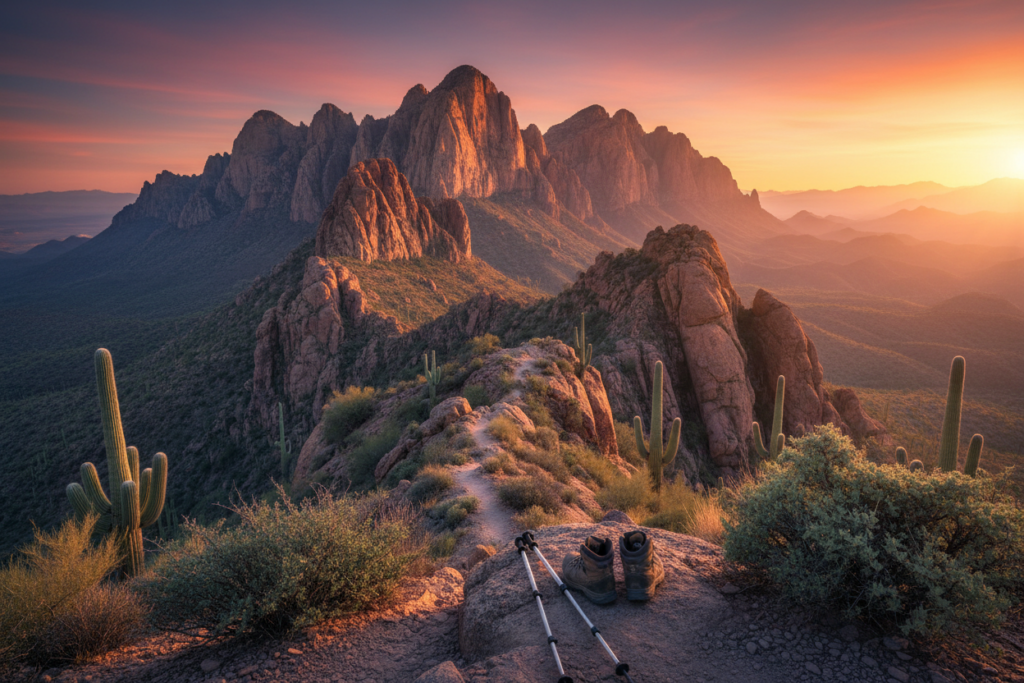
Rising dramatically from the Chihuahuan Desert floor like ancient stone sentinels, the Organ Mountains of southern New Mexico offer some of the most technically challenging and rewarding hiking experiences in the American Southwest. These jagged granite spires, carved by millions of years of geological forces, present a formidable playground for experienced mountaineers seeking adventure beyond the typical desert trail.
Located just east of Las Cruces, the Organ Mountains-Desert Peaks National Monument encompasses over 775 square miles of rugged wilderness, where towering peaks reach heights exceeding 9,000 feet. For seasoned hikers and climbers, this landscape represents the perfect fusion of technical climbing challenges, stunning desert vistas, and rich cultural history that dates back thousands of years.
Understanding the Organ Mountains Terrain
The Organ Mountains earned their name from early Spanish explorers who thought the dramatic rock formations resembled pipe organs reaching toward the sky. This distinctive geology creates a unique hiking environment that demands respect, preparation, and advanced outdoor skills.
The range consists primarily of volcanic rock formations and granite intrusions, creating steep faces, narrow ridges, and exposed scrambles that can test even the most experienced mountaineers. Unlike many desert ranges that offer gradual ascents, the Organ Mountains frequently require technical rock climbing skills, route-finding abilities, and comfort with significant exposure.
Weather conditions in this high desert environment can change rapidly, with temperatures varying dramatically between seasons and elevations. Summer temperatures at lower elevations regularly exceed 100 degrees Fahrenheit, while winter conditions at higher elevations can include snow and ice. Spring and fall generally provide the most favorable conditions for challenging ascents.
Premier Peaks for Advanced Hikers
Organ Needle: The Crown Jewel
Standing as the highest point in the range at 9,012 feet, Organ Needle represents the ultimate challenge for experienced mountaineers visiting this area. The standard route involves a combination of hiking, scrambling, and technical rock climbing that typically requires a full day commitment.
The approach begins with a steep trail that winds through desert vegetation before transitioning into more technical terrain. Climbers must navigate loose rock, exposed ledges, and several sections requiring rope work. The final summit push involves Class 4 and Class 5 climbing moves that demand solid technical skills and nerves of steel.
From the summit, mountaineers are rewarded with panoramic views stretching across three states, encompassing the Rio Grande Valley, the distant peaks of Arizona, and the vast expanse of the Chihuahuan Desert. This peak typically requires 8-12 hours round trip, depending on conditions and climbing experience.
Rabbit Ears: Technical Twin Summits
The distinctive twin spires known as Rabbit Ears offer another world-class challenge for advanced climbers. These formations require technical rock climbing skills and present multiple route options ranging from moderate Class 4 scrambles to challenging Class 5 rock climbs.
What makes Rabbit Ears particularly appealing to experienced mountaineers is the variety of approaches available. The standard route involves exposed ridge walking and several technical pitches, while alternative routes offer opportunities for those seeking even greater challenges. The rock quality is generally excellent, though climbers must remain vigilant for loose stones and desert weather conditions.
Sugarloaf Peak: Desert Exposure at Its Finest
Rising to 8,007 feet, Sugarloaf Peak provides an excellent introduction to Organ Mountains climbing for those transitioning from standard hiking to more technical mountaineering. The route combines sustained scrambling with spectacular exposure, offering climbers the chance to develop skills needed for more challenging objectives in the range.
The ascent follows a series of interconnected ledge systems and gullies, requiring careful route-finding and comfort with exposure. While technically less demanding than Organ Needle, Sugarloaf should not be underestimated, as the combination of loose rock, desert conditions, and significant exposure creates genuine mountaineering challenges.
Essential Preparation and Safety Considerations
Technical Skills and Equipment
Successful mountaineering in the Organ Mountains requires a comprehensive skill set that extends far beyond basic hiking abilities. Climbers should be proficient in rock climbing techniques, rope work, anchor building, and self-rescue procedures. Many routes require the ability to climb confidently at grades up to 5.6, with some variations pushing into more advanced territory.
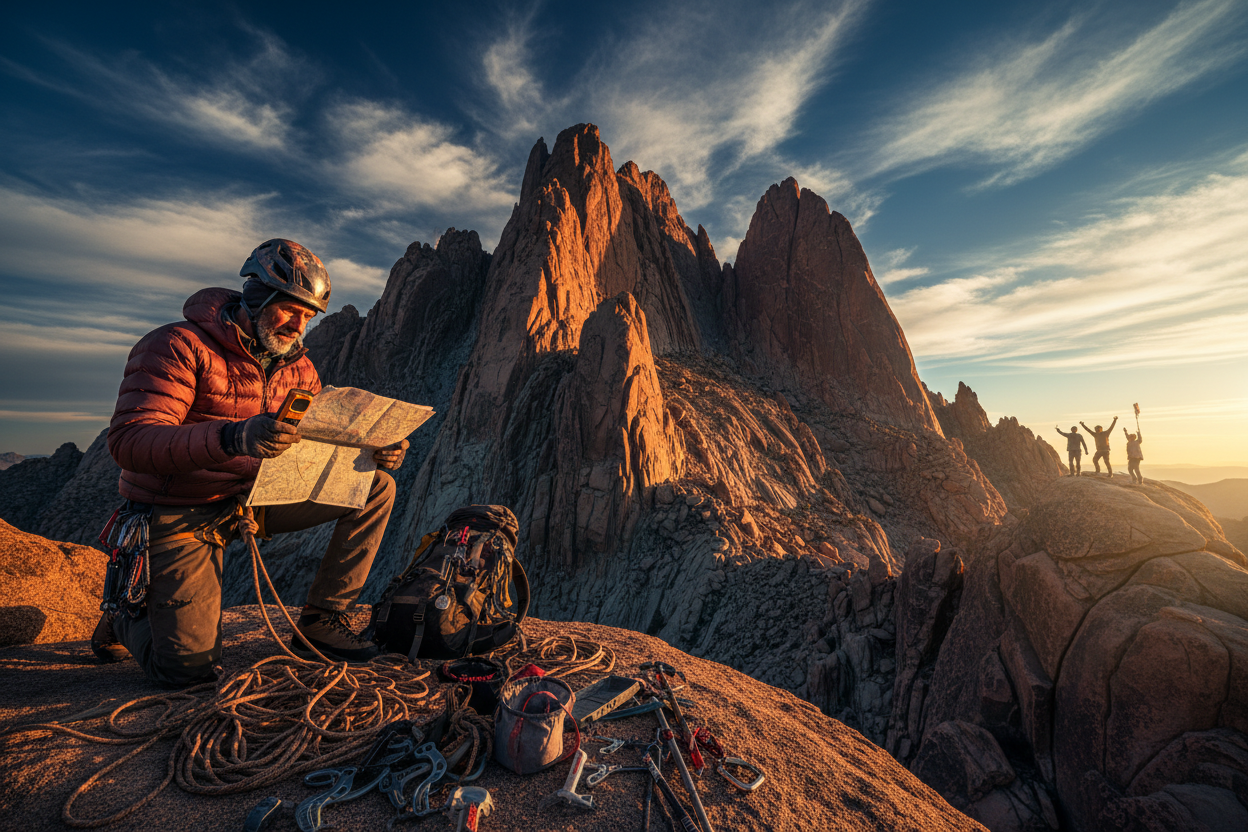
Essential equipment includes climbing helmets, harnesses, dynamic climbing rope, a selection of protection including nuts and cams, and approach shoes or climbing shoes depending on the specific route. Navigation tools become particularly important given the complex terrain and multiple route options available on many peaks.
Water management represents perhaps the most critical safety consideration in this desert environment. Experienced mountaineers typically carry 1-2 gallons per person for full-day objectives, with additional reserves for emergency situations. The combination of physical exertion, altitude, and desert conditions can lead to rapid dehydration.
Weather and Seasonal Considerations
The Organ Mountains experience a high desert climate with distinct seasonal patterns that significantly impact climbing conditions. Spring months from March through May generally provide the most stable weather, with moderate temperatures and minimal precipitation. Fall conditions from September through November offer similar advantages.
Summer climbing presents serious challenges due to extreme heat at lower elevations, frequent afternoon thunderstorms, and the increased risk of heat-related illnesses. Winter conditions can include snow and ice at higher elevations, transforming rock climbs into technical mixed routes requiring additional specialized equipment and skills.
Afternoon thunderstorms during the summer monsoon season create particular hazards for mountaineers on exposed peaks. These storms can develop rapidly, bringing lightning, heavy rain, and flash flood conditions to normally dry washes and approach routes.
Navigation and Route Finding
The complex topography of the Organ Mountains makes advanced navigation skills essential for safe and successful ascents. Unlike well-marked hiking trails found in many mountain ranges, routes in the Organs often follow cairned paths, game trails, or require cross-country travel through challenging terrain.
Experienced mountaineers should carry detailed topographic maps, GPS devices, and possess strong compass and map reading abilities. Many climbing routes involve multiple approach options, and the ability to adapt plans based on conditions or route-finding challenges becomes crucial for success.
The volcanic rock formations create numerous false summits, hidden gullies, and confusing terrain features that can lead even experienced climbers astray. Taking time to study route descriptions, satellite imagery, and approach information before attempting any significant objective pays dividends in both safety and success rates.
Leave No Trace in Desert Environments
The fragile desert ecosystem of the Organ Mountains requires special consideration from visiting mountaineers. Desert soils develop slowly over decades or centuries, and vegetation adapted to harsh conditions can be easily damaged by human impact.
Experienced climbers should stick to established routes whenever possible, avoid creating new trails or shortcuts, and take particular care around water sources, which serve as critical habitat for desert wildlife. The principle of packing out all waste becomes even more important in desert environments where decomposition occurs slowly.
Camping regulations within the national monument require permits for overnight stays, and designated camping areas help minimize environmental impact while providing safer options for multi-day climbing objectives.
Building Skills for Organ Mountains Success
Mountaineers planning to tackle the challenging peaks of the Organ Mountains should consider building relevant skills through progressive training on similar terrain. Rock climbing experience at outdoor crags, particularly on desert rock types, provides valuable preparation for the specific challenges found in this range.
Multi-pitch climbing skills become essential for many objectives, as routes often involve several rope lengths with limited options for retreat. Practicing efficient rope management, belay transitions, and communication techniques on more accessible multi-pitch routes helps prepare climbers for the longer, more committing routes found on Organ Mountains peaks.
Desert hiking experience also proves valuable, as the combination of heat, dry conditions, and significant elevation changes creates physiological challenges that differ from mountaineering in more temperate climates. Training hikes in similar desert environments help climbers understand water requirements, appropriate clothing choices, and heat management strategies.
Conclusion
The Organ Mountains Desert Peaks offer experienced mountaineers a unique opportunity to test their skills against some of the most challenging and beautiful terrain in the American Southwest. These ancient volcanic spires demand technical climbing abilities, advanced preparation, and deep respect for the desert environment.
Success in this range requires more than just physical fitness and climbing skills – it demands comprehensive mountaineering experience, careful planning, and the wisdom to recognize when conditions or circumstances exceed safe limits. For those who come prepared, the Organ Mountains provide unforgettable adventures and the satisfaction of completing genuinely challenging objectives in one of America’s most spectacular desert ranges.
Whether you’re drawn to the technical challenges of Organ Needle, the exposed scrambling of Sugarloaf Peak, or the varied routes on Rabbit Ears, the Organ Mountains offer experiences that will challenge and inspire experienced mountaineers for years to come. The combination of world-class climbing, stunning desert landscapes, and rich cultural history creates a mountaineering destination unlike any other in the Southwest.
Frequently Asked Questions
What climbing experience is required for Organ Mountains peaks?
Most challenging routes in the Organ Mountains require solid rock climbing skills up to 5.6 grade, multi-pitch climbing experience, and advanced mountaineering skills including rope work, anchor building, and self-rescue techniques. Previous desert climbing experience is highly recommended.
What is the best time of year to climb in the Organ Mountains?
Spring (March-May) and fall (September-November) offer the most favorable conditions. Summer brings extreme heat and afternoon thunderstorms, while winter can include snow and ice at higher elevations, requiring additional technical skills and equipment.
How much water should I carry for a full-day climb?
Experienced mountaineers typically carry 1-2 gallons per person for full-day objectives, with additional reserves for emergencies. Desert conditions, physical exertion, and altitude combine to increase water requirements significantly above typical hiking needs.
Are permits required for climbing in the Organ Mountains?
Day climbing generally does not require permits, but overnight camping requires advance permits from the Bureau of Land Management. Some areas may have seasonal restrictions to protect wildlife or cultural resources.
What type of rock protection is needed for Organ Mountains climbing?
A standard desert rack including nuts, cams in various sizes, and quickdraws typically suffices for most routes. The volcanic rock can be sharp and abrasive, so bringing extra slings and being prepared for potential gear damage is advisable.
How long do typical ascents take in the Organ Mountains?
Major peaks like Organ Needle typically require 8-12 hours round trip for experienced climbers. Approach times can be significant due to complex terrain, and technical climbing sections may progress more slowly than anticipated, especially in desert conditions.