El Camino Real: The Royal Road That Connected Mexico to Santa Fe
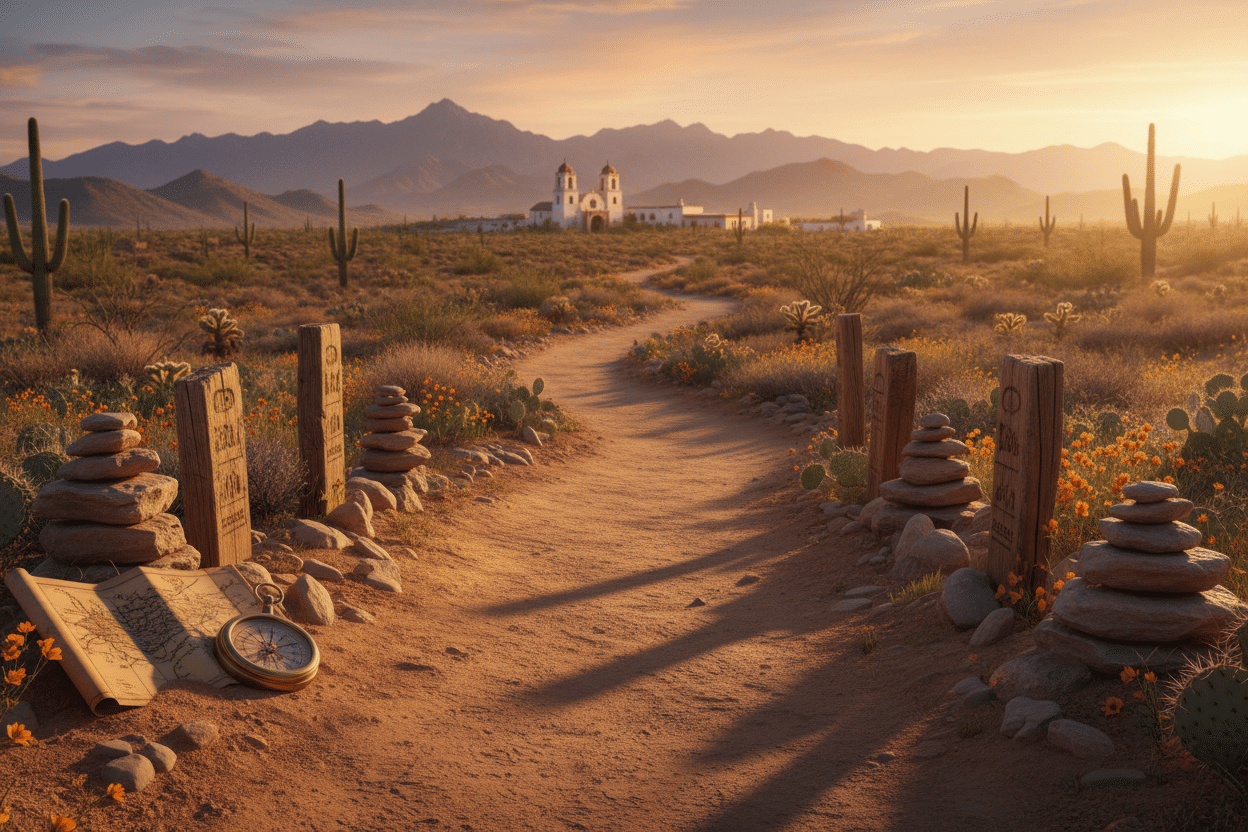
Imagine a dusty trail stretching nearly 2,000 miles across deserts, mountains, and plains, connecting two distant worlds through commerce, culture, and conquest. This was El Camino Real de Tierra Adentro, the Royal Road of the Interior Land, a lifeline that bound colonial Mexico to the remote frontier settlement of Santa Fe for over two centuries. More than just a trading route, this historic pathway became the backbone of Spanish colonial expansion and cultural exchange in North America.
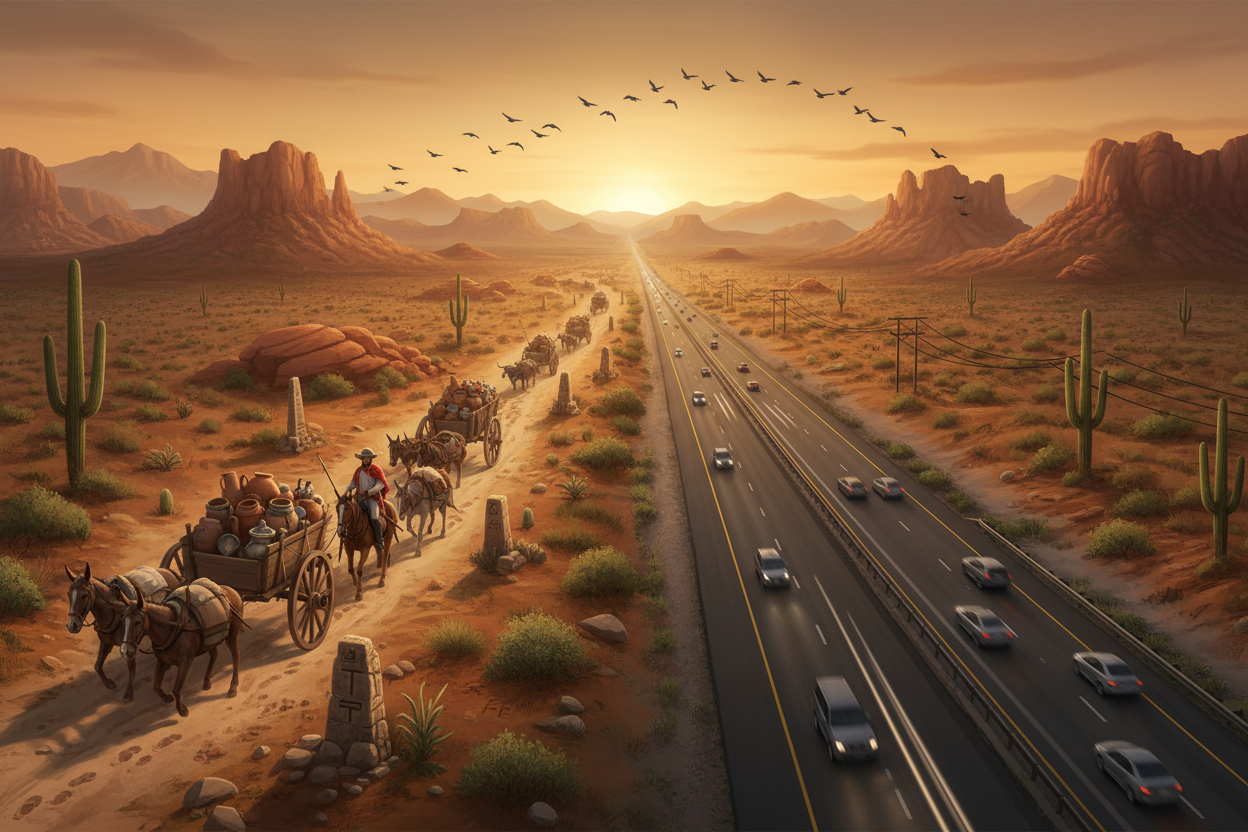
From 1598 to 1881, countless caravans of traders, settlers, missionaries, and soldiers traversed this challenging route, carrying everything from silver and silk to stories and songs. Today, while modern highways have replaced the original trail, the legacy of El Camino Real continues to shape the southwestern United States, leaving behind a rich tapestry of cultural heritage that visitors can still explore and experience.
The Origins and Historical Significance of El Camino Real
The story of El Camino Real begins in 1598 when Spanish explorer Juan de Oñate led the first official colonizing expedition from Mexico into what would become New Mexico. Unlike the conquistadors who came before him seeking gold and glory, Oñate had a different vision: establishing a permanent settlement that could serve as a base for further expansion and conversion of indigenous peoples to Christianity.
The route Oñate blazed followed ancient Native American trading paths that had connected various pueblos and tribes for centuries. Spanish colonizers simply formalized these existing trails, creating what they called “El Camino Real de Tierra Adentro” – literally, the Royal Road of the Interior Land. This designation reflected the Spanish crown’s official recognition of the route’s importance for maintaining control over its vast northern territories.
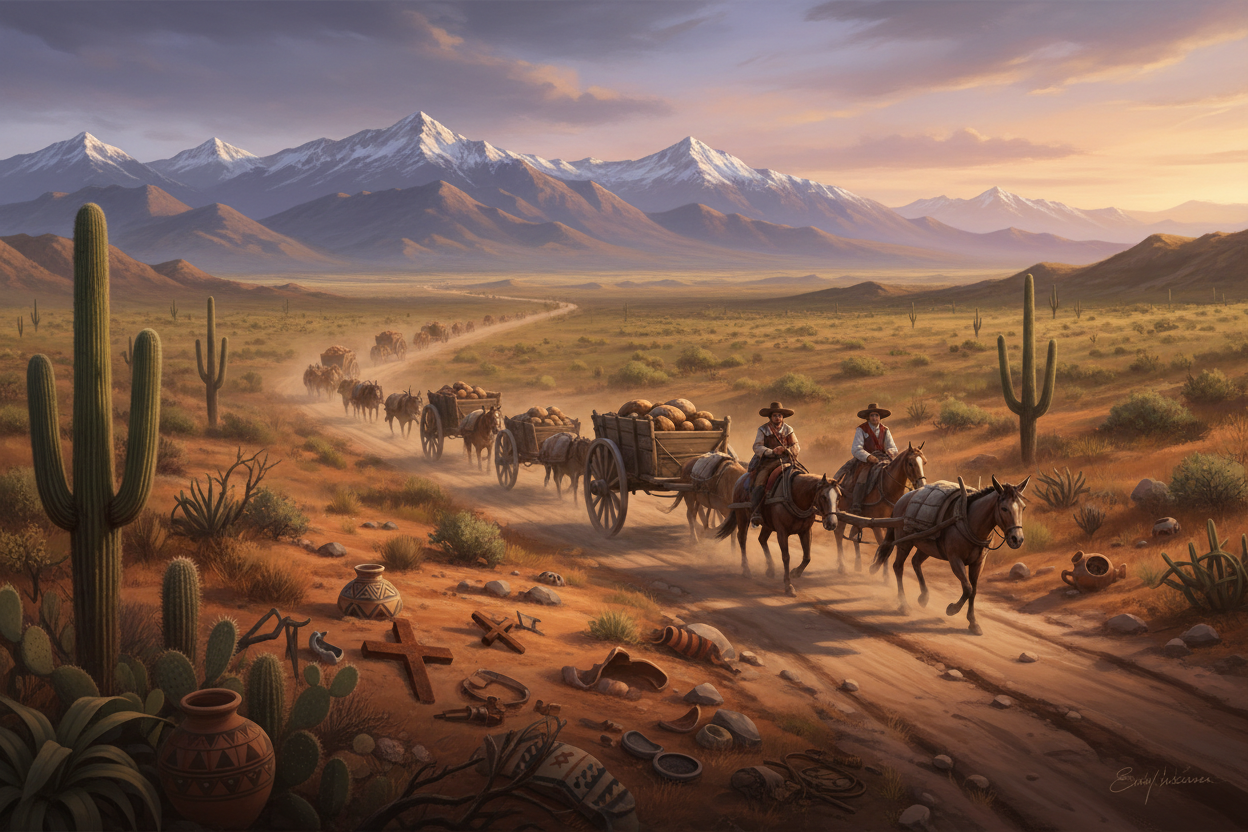
What made this road “royal” wasn’t its condition – it remained a rough, dangerous trail throughout its existence – but rather its official status as the primary means of communication and supply between the colonial capital of Mexico City and the remote outpost of Santa Fe. Every three years, massive trade caravans would make the perilous journey north, bringing essential supplies, news from the outside world, and new settlers to the isolated frontier community.
The Geographic Route and Challenges
El Camino Real stretched approximately 1,900 miles from Mexico City to Santa Fe, passing through some of the most challenging terrain in North America. The journey typically took six to eight months to complete, depending on weather conditions, the size of the caravan, and encounters with hostile forces.
The route began in Mexico City and wound northward through central Mexico, passing through important colonial cities like Querétaro, Zacatecas, and Durango. From there, it continued north through Chihuahua before crossing into what is now New Mexico near present-day El Paso, Texas. The final stretch followed the Rio Grande valley northward to Santa Fe, navigating through desert landscapes and mountainous terrain that tested even the most experienced travelers.
Travelers faced numerous dangers along the way. The Jornada del Muerto, or “Journey of the Dead Man,” was perhaps the most feared section of the entire route. This 90-mile stretch of waterless desert in southern New Mexico claimed countless lives over the centuries. Caravans had to carry enough water for several days while crossing this barren landscape, and many travelers never made it to the other side.
Beyond natural hazards, caravans also had to contend with attacks from Apache and Comanche raiders who viewed the Spanish settlements and trade routes as threats to their traditional territories. These conflicts added another layer of danger to an already perilous journey, requiring large military escorts and careful planning to minimize risks.
Trade, Commerce, and Cultural Exchange
Despite its dangers, El Camino Real became the economic lifeline of the northern frontier. The famous Santa Fe Trade brought Mexican silver, textiles, chocolate, and manufactured goods north, while returning south with buffalo hides, wool, piñon nuts, and other regional products. This commerce created a unique economic ecosystem that sustained both Mexican and New Mexican communities for generations.
The road facilitated more than just material exchange – it became a conduit for cultural fusion. Spanish colonists, indigenous peoples, and later Mexican and American traders created a distinctive regional culture that blended European, Native American, and mestizo traditions. This cultural mixing is still evident today in the architecture, cuisine, art, and music of the Southwest.
Religious missions played a crucial role in this cultural exchange. Franciscan missionaries traveled the Camino Real to establish churches and convert indigenous populations, bringing with them not only Christian doctrine but also European agricultural techniques, crafts, and artistic traditions. Many of the missions they founded still stand today, serving as monuments to this period of cultural transformation.
The arrival of American traders in the early 19th century added another dimension to the Camino Real’s commercial importance. These entrepreneurs, drawn by the profits available in Santa Fe’s markets, helped transform the route into an international trade corridor that connected not just Mexico and New Mexico, but the broader North American continent.
The Decline and Legacy of the Royal Road
The golden age of El Camino Real began to fade in the mid-19th century as political and technological changes reshaped the American Southwest. The Mexican-American War (1846-1848) and the subsequent Treaty of Guadalupe Hidalgo transferred much of the Southwest, including New Mexico, to the United States. This political shift disrupted traditional trade patterns and reduced the route’s strategic importance.
The final blow came with the arrival of the railroad. In 1881, the Atchison, Topeka & Santa Fe Railway reached Santa Fe, making the arduous overland journey obsolete virtually overnight. Goods that once took months to transport could now be moved in a matter of days, spelling the end of the great trading caravans that had defined the Camino Real for nearly three centuries.
However, the legacy of El Camino Real extends far beyond its role as a trade route. The communities it connected, the cultures it helped create, and the stories it generated continue to influence the American Southwest today. Many modern highways, including portions of Interstate 25 and US Highway 85, follow the approximate route of the original Camino Real, connecting the same communities that Spanish colonists linked centuries ago.
Exploring El Camino Real Today
Modern travelers can still experience the history and heritage of El Camino Real through various preservation efforts and interpretive sites. The National Park Service has designated the route as the El Camino Real de Tierra Adentro National Historic Trail, providing resources and information for those interested in exploring this remarkable piece of American history.
In New Mexico, visitors can explore numerous sites along the historic route, including the Palace of the Governors in Santa Fe, which served as the northern terminus of the trail for centuries. The palace, now part of the New Mexico History Museum, houses extensive exhibits about life along the Camino Real and its impact on regional development.
Other significant sites include the historic churches and missions established along the route, many of which continue to serve their communities today. The San Miguel Mission in Santa Fe, built around 1610, is often called the oldest church structure in the continental United States and provides visitors with a tangible connection to the Camino Real’s religious heritage.
For those interested in experiencing the landscape that challenged travelers for centuries, several sections of the original trail remain accessible for hiking and exploration. The Bureau of Land Management and various state agencies maintain interpretive trails and markers that help visitors understand the challenges faced by historical travelers.
Frequently Asked Questions
How long did it take to travel the entire length of El Camino Real?
A complete journey from Mexico City to Santa Fe typically took six to eight months, depending on the size of the caravan, weather conditions, and various delays. The return trip was often faster, taking four to six months.
What goods were commonly traded along El Camino Real?
Northbound caravans carried Mexican silver, textiles, chocolate, wine, iron tools, and manufactured goods. Southbound traders brought buffalo hides, wool, piñon nuts, salt, and turquoise from the northern territories.
Why was the route called “El Camino Real” or “Royal Road”?
The designation “Royal Road” indicated that this was an officially recognized route of the Spanish crown, used for government communications, military movements, and official trade between colonial territories.
What was the most dangerous part of the journey?
The Jornada del Muerto (Journey of the Dead Man) in southern New Mexico was considered the most perilous section. This 90-mile waterless desert crossing claimed many lives and required careful preparation and adequate water supplies.
Can you still see parts of the original El Camino Real today?
Yes, several sections of the original trail remain visible, and many sites along the route are preserved as historical landmarks. The National Park Service maintains the El Camino Real de Tierra Adentro National Historic Trail with interpretive sites and markers.
When did El Camino Real stop being used as a major trade route?
The route’s importance declined significantly after the Mexican-American War (1846-1848) and ended completely in 1881 when the railroad reached Santa Fe, making overland caravans obsolete.
El Camino Real represents more than just a historical trade route – it embodies the spirit of exploration, cultural exchange, and human perseverance that helped shape the American Southwest. From its origins as a Spanish colonial lifeline to its transformation into a symbol of cultural heritage, the Royal Road continues to captivate historians, travelers, and anyone interested in understanding how commerce and culture have always been intertwined in human civilization. Today, as we travel modern highways that often follow its ancient path, we can still feel the echoes of the countless journeys that connected two worlds across nearly 2,000 miles of challenging terrain.