Manhattan Project Los Alamos: The Secret City That Changed World History
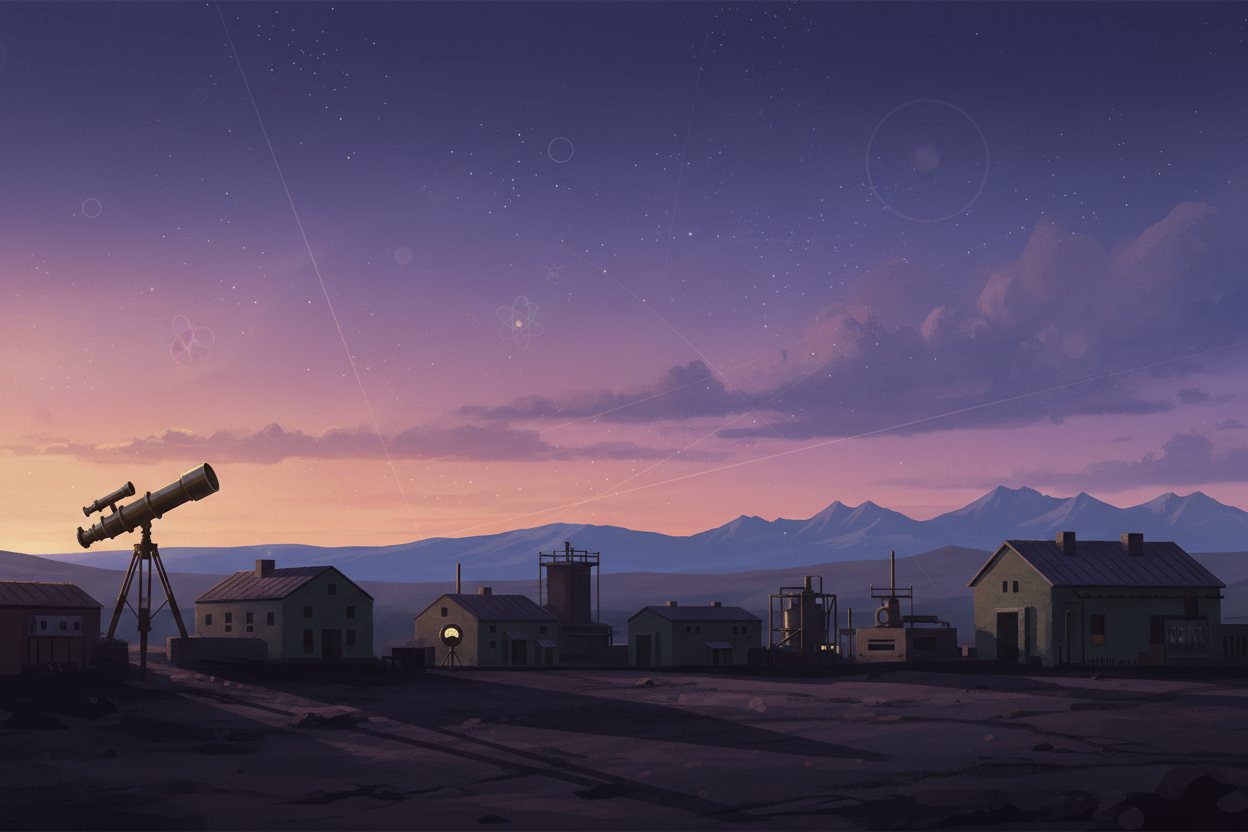
Deep in the mountains of New Mexico, a secret city emerged during World War II that would forever alter the course of human history. Los Alamos, codenamed “Site Y” in the Manhattan Project, became the birthplace of the atomic age. This remote location, chosen for its isolation and security, housed some of the world’s brightest minds as they raced against time to develop the world’s first nuclear weapons.
The story of Los Alamos is one of scientific brilliance, wartime urgency, and moral complexity. It’s a tale that continues to fascinate historians, scientists, and the general public alike, representing both humanity’s greatest intellectual achievement and its most terrifying creation.
The Birth of a Secret City
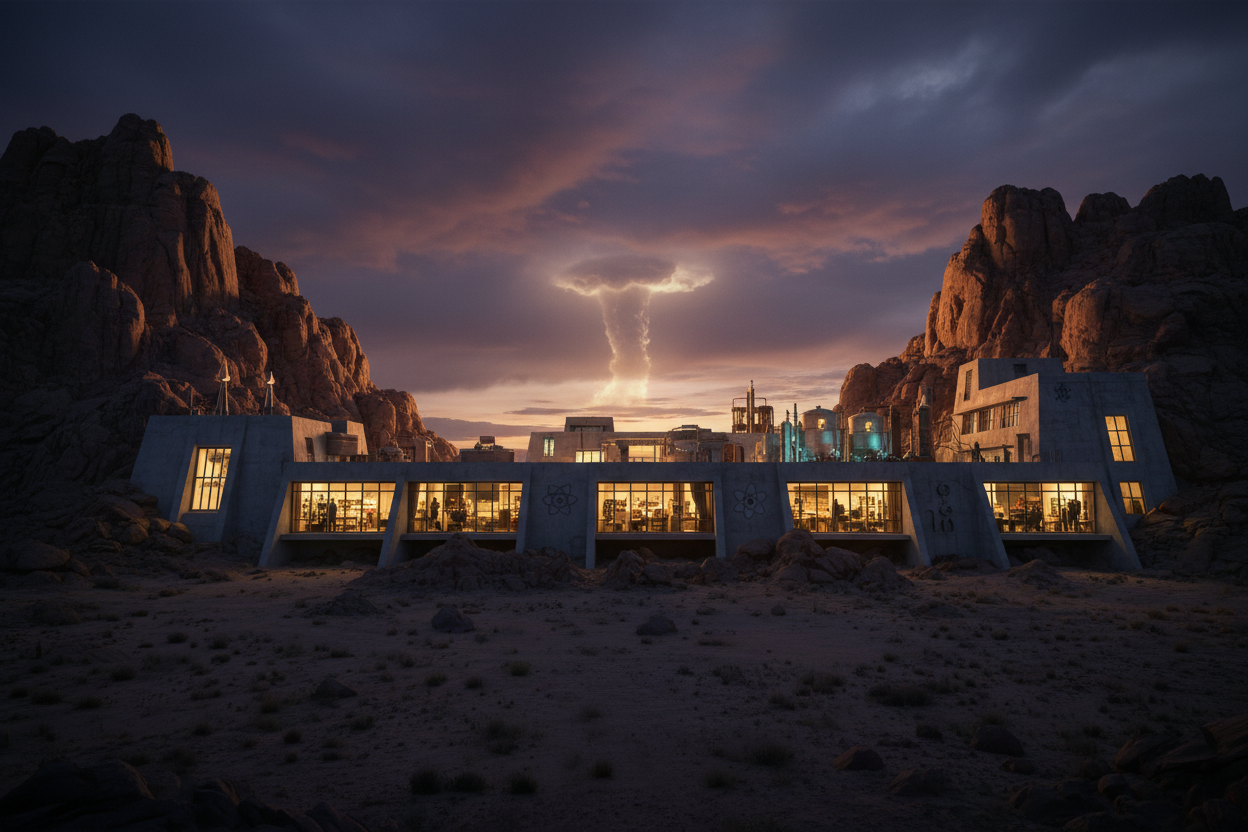
In 1943, the U.S. Army Corps of Engineers began transforming a remote boys’ school in the Jemez Mountains into what would become the most secretive scientific facility in American history. The Manhattan Project Los Alamos site was selected by J. Robert Oppenheimer, who would later become known as the “father of the atomic bomb.”
The location offered perfect conditions for the top-secret work ahead. Situated on a mesa 7,300 feet above sea level, Los Alamos provided natural isolation while remaining accessible enough to transport materials and personnel. The existing infrastructure of the Los Alamos Ranch School, including dormitories and laboratories, gave the project a head start.
Within months, this quiet mountain retreat transformed into a bustling community of scientists, engineers, military personnel, and their families. The population swelled from zero to over 6,000 residents by 1945, all living behind barbed wire and military checkpoints, their very existence classified as top secret.
The Scientific Dream Team
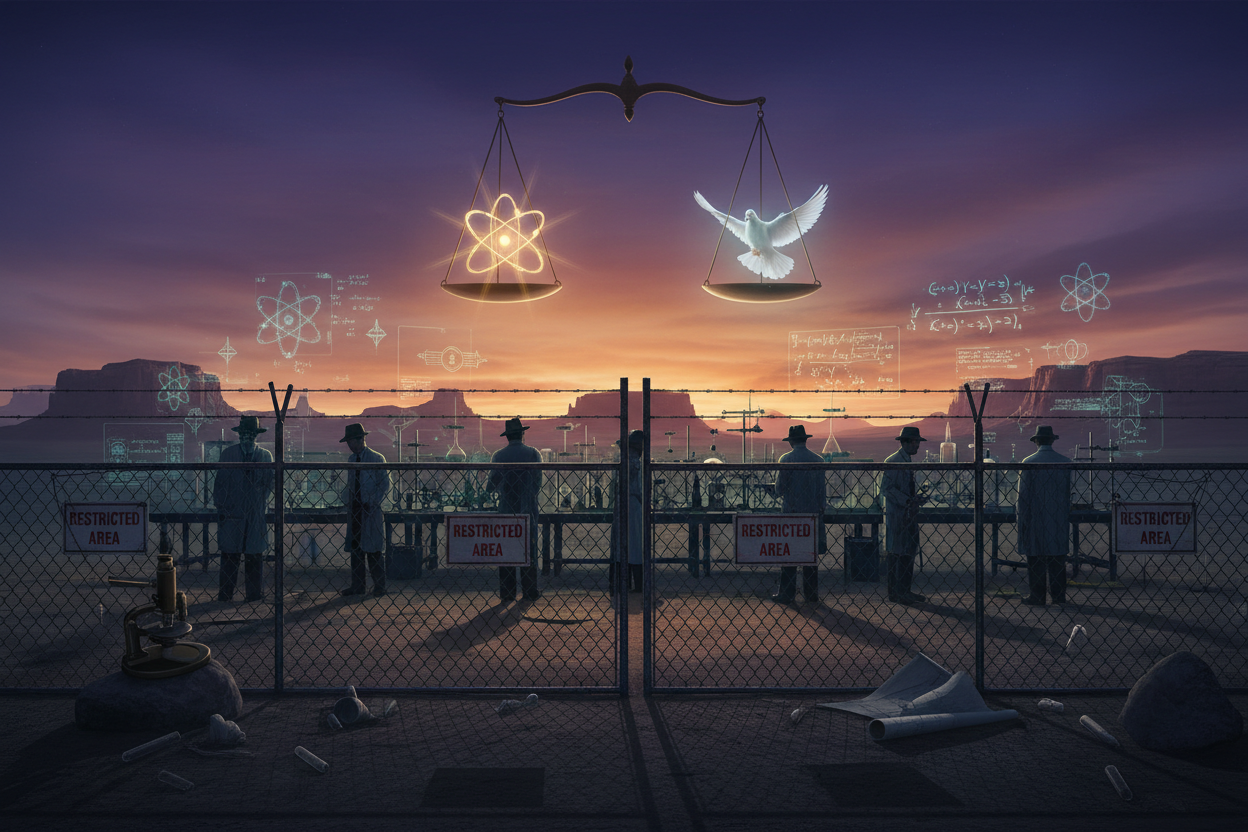
Los Alamos attracted an unprecedented collection of scientific talent. Oppenheimer successfully recruited leading physicists, chemists, and engineers from around the world, many of whom were refugees from Nazi-occupied Europe. These brilliant minds understood the stakes: if Nazi Germany developed nuclear weapons first, the consequences could be catastrophic.
The roster read like a who’s who of 20th-century science. Enrico Fermi, who had achieved the first controlled nuclear chain reaction in Chicago, brought his expertise to Los Alamos. Niels Bohr, the Danish physicist and Nobel laureate, arrived under the codename “Nicholas Baker.” Hans Bethe led the theoretical physics division, while Edward Teller pushed for even more powerful hydrogen weapons.
These scientists worked with an intensity born of wartime urgency. They knew that every day counted, and the pressure to succeed was immense. Yet despite the serious nature of their work, the Los Alamos community developed its own unique culture, complete with hiking clubs, amateur theater groups, and legendary parties that helped relieve the constant tension.
Life Behind the Fence
Living in Los Alamos during the Manhattan Project meant accepting a lifestyle unlike anywhere else in America. Residents couldn’t tell friends or family where they lived or what they did for work. Mail was censored, and the entire community existed under assumed names and false identities on official documents.
Despite these restrictions, the Army worked hard to make Los Alamos livable. They built schools, a hospital, recreational facilities, and even a small shopping district. Families adapted to their unusual circumstances, with children growing up thinking it was normal for everyone to live behind fences and show identification to armed guards.
The isolation created a unique social dynamic. Class distinctions that existed in the outside world became blurred as Nobel laureates worked alongside recent college graduates, united by their common mission. However, the secrecy also created stress and paranoia. Residents were constantly reminded that loose lips could sink ships, and the fear of inadvertently revealing classified information weighed heavily on everyone.
Racing Against Time
The Manhattan Project Los Alamos team faced enormous technical challenges. Creating a nuclear weapon required solving problems that had never been attempted before. They had to determine the critical mass needed for a chain reaction, design mechanisms to bring fissile material together at precisely the right moment, and develop the complex engineering systems needed to make it all work.
Two different approaches emerged. The “Little Boy” design used uranium-235 in a gun-type mechanism, while “Fat Man” employed plutonium in a more complex implosion design. The plutonium bomb required the development of explosive lenses that could compress the fissile core with perfect symmetry, a challenge that pushed the boundaries of both physics and engineering.
As 1945 progressed, the pressure intensified. Germany surrendered in May, but the war with Japan continued. President Truman faced the prospect of a costly invasion of the Japanese home islands, and the atomic bomb offered a potential alternative that could end the war quickly and save lives on both sides.
Trinity: The Dawn of the Atomic Age
On July 16, 1945, the world’s first nuclear weapon was detonated at the Trinity test site in the Alamogordo desert, about 200 miles south of Los Alamos. The explosion exceeded all expectations, producing a flash visible from 180 miles away and a mushroom cloud that rose 40,000 feet into the atmosphere.
Oppenheimer later recalled that the sight brought to mind a line from the Hindu scripture Bhagavad Gita: “Now I am become Death, destroyer of worlds.” The test proved that the Los Alamos team had succeeded in creating a weapon of unprecedented destructive power.
The Trinity test marked the culmination of years of intense scientific work, but it also raised profound moral questions that continue to resonate today. The scientists who had worked so hard to beat Nazi Germany to the bomb now faced the reality of what they had created.
The End of Secrecy
Three weeks after Trinity, the atomic bomb dropped on Hiroshima announced to the world what had been happening in the secret city of Los Alamos. Suddenly, the residents who had lived in anonymity for years found themselves at the center of global attention. The Manhattan Project Los Alamos story could finally be told, though many details remained classified for decades.
The success of the atomic bomb program transformed Los Alamos from a temporary wartime facility into a permanent national laboratory. Many scientists stayed to continue nuclear research, while others left to pursue careers in academia or industry, forever changed by their experience in the secret city.
The legacy of wartime Los Alamos extends far beyond nuclear weapons. The collaborative approach to large-scale scientific research pioneered there became a model for future projects, from the space program to modern particle physics experiments. The techniques developed for managing classified information and maintaining security in a scientific environment continue to influence how sensitive research is conducted today.
Lasting Impact on World History
The Manhattan Project Los Alamos fundamentally altered the trajectory of world history. The nuclear weapons developed there ended World War II but also ushered in the Cold War era of nuclear deterrence. The existence of atomic weapons changed international relations, military strategy, and the very nature of warfare itself.
Los Alamos also demonstrated the power of government-funded scientific research. The success of the Manhattan Project helped establish the principle that federal investment in science and technology could yield enormous benefits for national security and economic development. This philosophy would later drive investments in everything from computer technology to medical research.
Today, Los Alamos National Laboratory continues to play a crucial role in nuclear security, conducting research on everything from nuclear safety to renewable energy. The laboratory maintains the U.S. nuclear stockpile while also working on solutions to global challenges like climate change and cybersecurity.
Conclusion
The Manhattan Project Los Alamos represents one of the most significant scientific and historical achievements of the 20th century. In just over two years, a remote mountain community became the birthplace of the atomic age, forever changing how we understand both the potential and the peril of scientific advancement.
The story of Los Alamos reminds us that scientific progress occurs within a human context, shaped by the personalities, pressures, and moral choices of the people involved. The brilliant scientists who worked behind the fence in New Mexico were not just solving technical problems; they were grappling with questions about the responsibility that comes with knowledge and the role of science in society.
As we continue to face global challenges that require scientific solutions, the lessons learned in the secret city of Los Alamos remain relevant. The project demonstrated both the incredible power of human ingenuity when focused on a common goal and the importance of considering the ethical implications of our technological capabilities.
Frequently Asked Questions
Why was Los Alamos chosen for the Manhattan Project?
Los Alamos was selected because of its remote location, which provided security and isolation, while still being accessible for transportation of materials and personnel. The existing infrastructure from the Los Alamos Ranch School also made it an attractive choice for rapid development.
How many people lived in Los Alamos during the Manhattan Project?
The population of Los Alamos grew from zero to over 6,000 residents by 1945, including scientists, engineers, military personnel, construction workers, and their families.
What happened to Los Alamos after World War II ended?
After the war, Los Alamos transitioned from a temporary military facility to a permanent national laboratory. It continues to operate today as Los Alamos National Laboratory, conducting research on nuclear security, renewable energy, and other scientific fields.
Could the residents of Los Alamos tell their families what they were doing?
No, the work at Los Alamos was classified as top secret. Residents could not tell friends or family where they lived or what they were working on. Mail was censored, and the entire community operated under strict security protocols.
How long did it take to develop the atomic bomb at Los Alamos?
The Los Alamos laboratory was established in 1943, and the first successful nuclear test (Trinity) occurred on July 16, 1945. The entire development process at Los Alamos took approximately two and a half years.
Who was in charge of the Los Alamos laboratory?
J. Robert Oppenheimer served as the scientific director of Los Alamos throughout the Manhattan Project. He was responsible for recruiting scientists and overseeing the technical work, while military officers handled security and administrative matters.