Arizona
Ultimate Guide to Camping in America’s National Parks
Ultimate Guide to Camping in America’s National Parks Camping in America’s National Parks offers an unparalleled opportunity to reconnect with nature, experience breathtaking landscapes,…

Explore Montana through its cities, local stories, history, food and landscapes. Start with a city guide or follow a story that catches your attention.
Choose a city pin to open its local guide.
City locations are approximate. Select a name to explore.
Local stories, food, culture and places to explore.
↗City guideLocal stories, food, culture and places to explore.
↗City guideLocal stories, food, culture and places to explore.
↗City guideLocal stories, food, culture and places to explore.
↗City guideLocal stories, food, culture and places to explore.
↗The markets, tables and traditions that tell a place’s story.
02Architecture, landmarks and the people behind them.
03Open spaces, scenic routes and time well spent outside.
04The teams, venues and local rituals that bring people together.
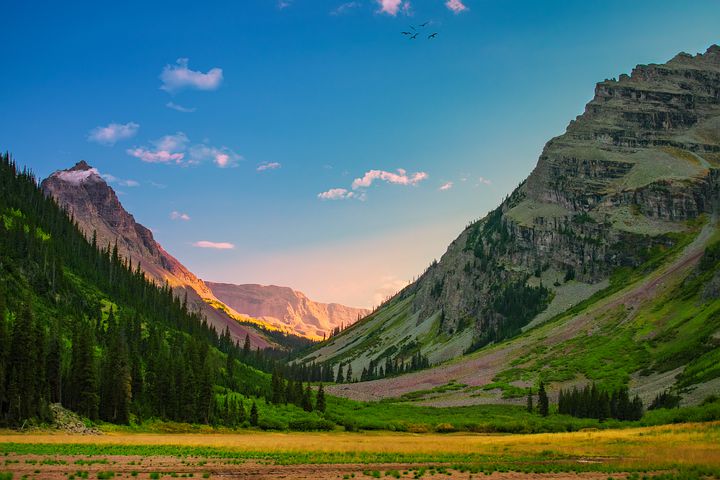
Montana, often referred to as the “Big Sky Country,” is a place of untamed wilderness, rich history, and distinctive culture. Nestled in the Mountain West division of the Western United States, this state offers a unique blend of panoramic landscapes and thriving urban areas. In this article, we explore the intriguing aspects of Montana, from its history and geography to its economy and cultural heritage.
Montana, the fourth-largest state by area, is a jewel in the crown of the Western United States. It shares its borders with Idaho to the west, North Dakota and South Dakota to the east, Wyoming to the south, and the Canadian provinces of Alberta, British Columbia, and Saskatchewan to the north.
The western half of Montana is adorned with numerous mountain ranges. In contrast, the eastern half exhibits a starkly different landscape characterized by western prairie terrain and badlands, with smaller mountain ranges scattered throughout the state. Helena, the state capital, and Billings, the largest city, are significant urban centers in this primarily rural state.
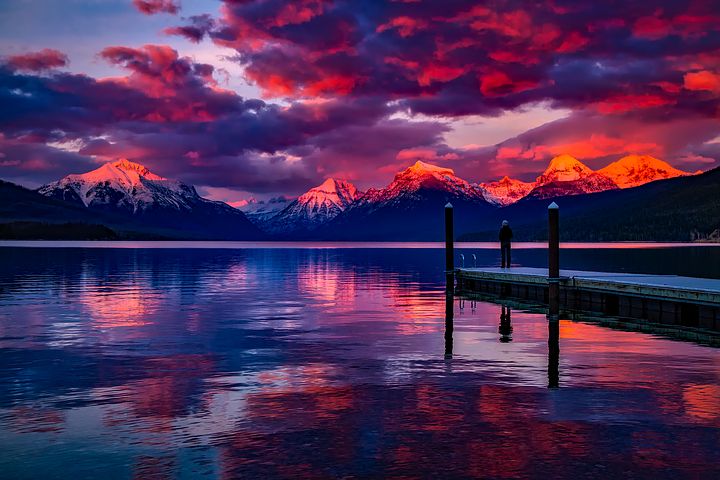
While “Big Sky Country” is the most well-known moniker for Montana, it carries several other unofficial but equally evocative names, including “The Treasure State,” “Land of the Shining Mountains,” and “The Last Best Place.”
Montana’s economy is deeply rooted in agriculture, notably ranching and cereal grain farming. Its natural resources, including oil, gas, coal, mining, and lumber, contribute significantly to the state’s revenue. Additionally, the health care, service, and government sectors play a vital role in Montana’s economic landscape. Notably, tourism is the fastest-growing sector in Montana, attracting millions of visitors each year.
The name Montana is derived from the Spanish word montaña, which translates to “mountain” or broadly, “mountainous country.” The term was initially used by early Spanish explorers to describe the entire mountainous region of the west.
In 1863, the name Montana was proposed for the territory that would later become Idaho Territory. However, it was later adopted for a new territory carved out of Idaho, despite objections regarding the name’s Spanish origin and perceived misnomer.
Montana’s history is a fascinating tale of indigenous tribes, European explorers, and settlers from the United States. Historically, tribes including the Crow, Cheyenne, Blackfeet, Assiniboine, and Gros Ventres were the primary inhabitants of Montana.
The Louisiana Purchase in 1803 included all of Montana east of the Continental Divide, which later saw significant European, Canadian, and American trader activity. This period also witnessed the establishment of the first permanent settlement by Euro-Americans in Montana, known as St. Mary’s in 1841.
The discovery of gold at Gold Creek in 1852 sparked a series of gold rushes, attracting miners and leading to the establishment of several bustling towns. The most significant of these was Virginia City, located at Alder Gulch, which was renowned for its rich gold placer deposits.
Before becoming Montana Territory in 1864, the areas within present-day Montana were part of various U.S. territories. The first territorial capital was located at Bannack, with the capital moving to Virginia City in 1865 and later to Helena in 1875. In 1872, the stunning discoveries from expeditions launched from Helena led to the creation of the Yellowstone National Park.
As settlers began to populate Montana from the 1850s through the 1870s, disputes with Native Americans ensued, primarily over land ownership and control. Major battles occurred in Montana during Red Cloud’s War, the Great Sioux War of 1876, and the Nez Perce War.
Simultaneously, the bison, a keystone species and the primary protein source for many centuries for Native Americans, were being decimated. By 1884, commercial hunting had brought bison to the verge of extinction.
Cattle ranching has been a major component of Montana’s history and economy since the 1850s. The Grant-Kohrs Ranch National Historic Site in Deer Lodge is a testament to the state’s ranching heritage, operating as a working ranch spanning 1,900 acres.
The arrival of the Northern Pacific Railroad and the Great Northern Railroad in the late 19th century significantly impacted Montana’s development. These railroads promoted settlement and tourism, especially towards the Glacier National Park region.
Montana officially became the 41st state of the United States on November 8, 1889, with the first state governor being Joseph K. Toole. Remarkably, in the 1880s, Helena, the state capital, boasted more millionaires per capita than any other city in the United States.
The Homestead Act of 1862, the Desert Land Act of 1877, and the Enlarged Homestead Act of 1909 played significant roles in populating Montana. These acts offered free land to settlers, attracting tens of thousands of homesteaders lured by free land and high wheat prices.
In conclusion, Montana, with its rich history, diverse landscapes, and robust economy, offers a unique blend of the past and present. As we delve into the intricacies of this fascinating state, we uncover a treasure trove of stories that give us a deeper understanding of the United States’ western frontier.
Ultimate Guide to Camping in America’s National Parks Camping in America’s National Parks offers an unparalleled opportunity to reconnect with nature, experience breathtaking landscapes,…
Discovering Montana: Your Springtime Adventure Guide Spring is a season of renewal, and there’s no better place to experience it than in Montana. The…
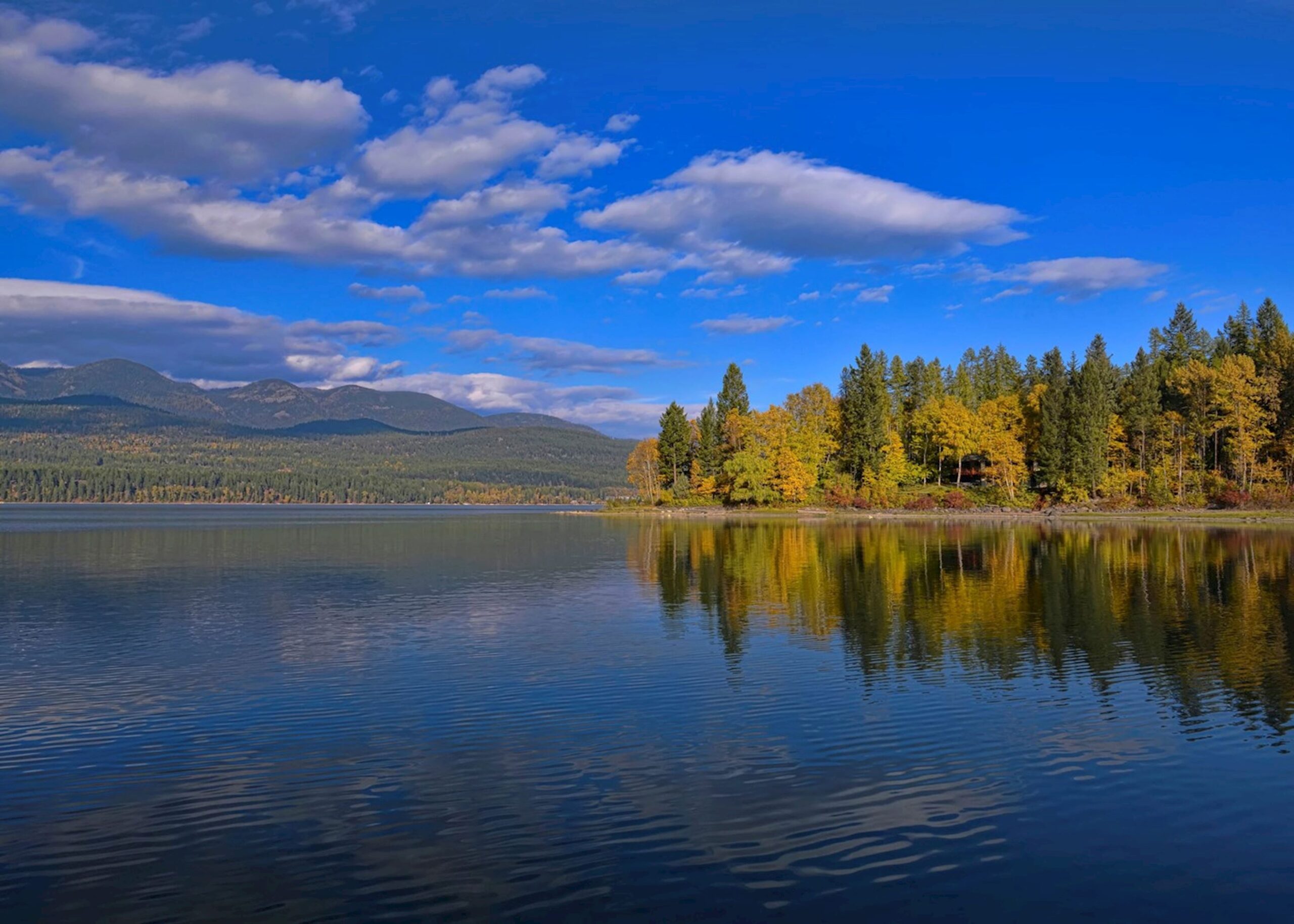
Whitefish Lake, Montana: An Alluring Natural Destination Whitefish Lake, nestled in the heart of Montana, is an enchanting oligotrophic freshwater lake that offers a…
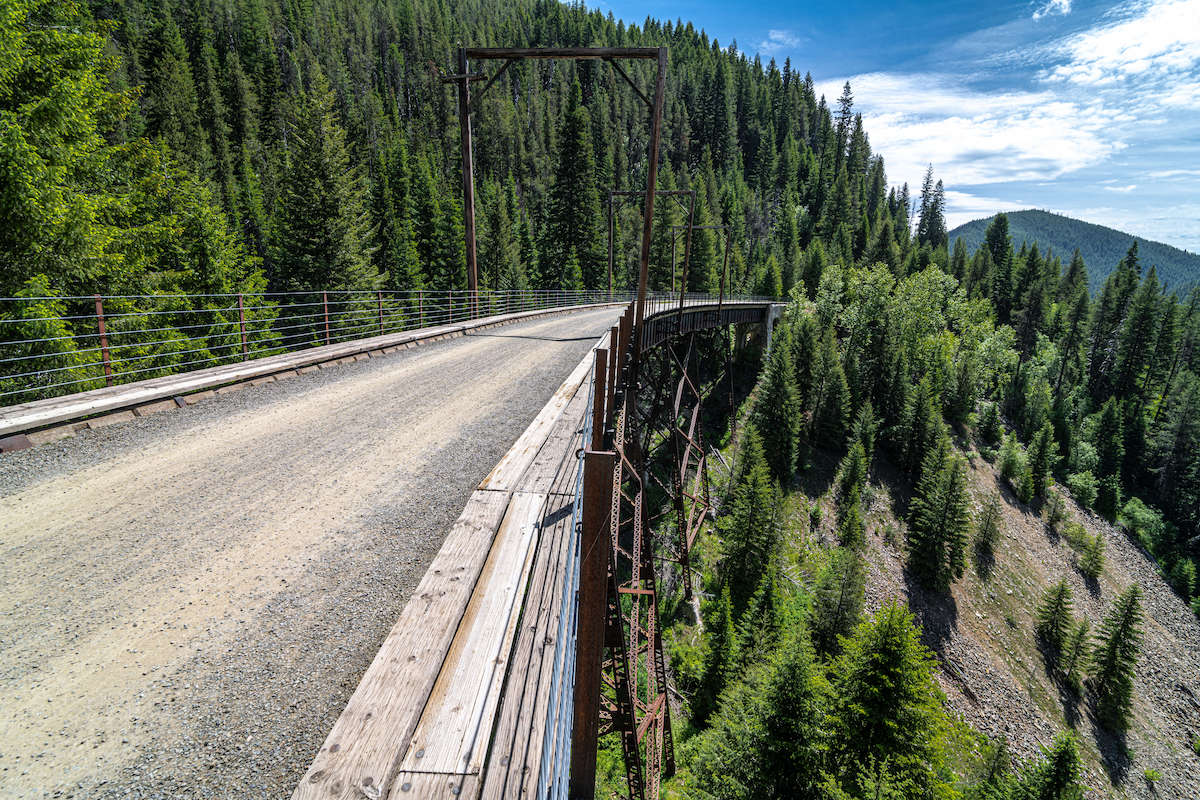
The Route of the Hiawatha: A Scenic Mountain Biking Adventure The Route of the Hiawatha is a treasured gem within the world of rail-to-trail…
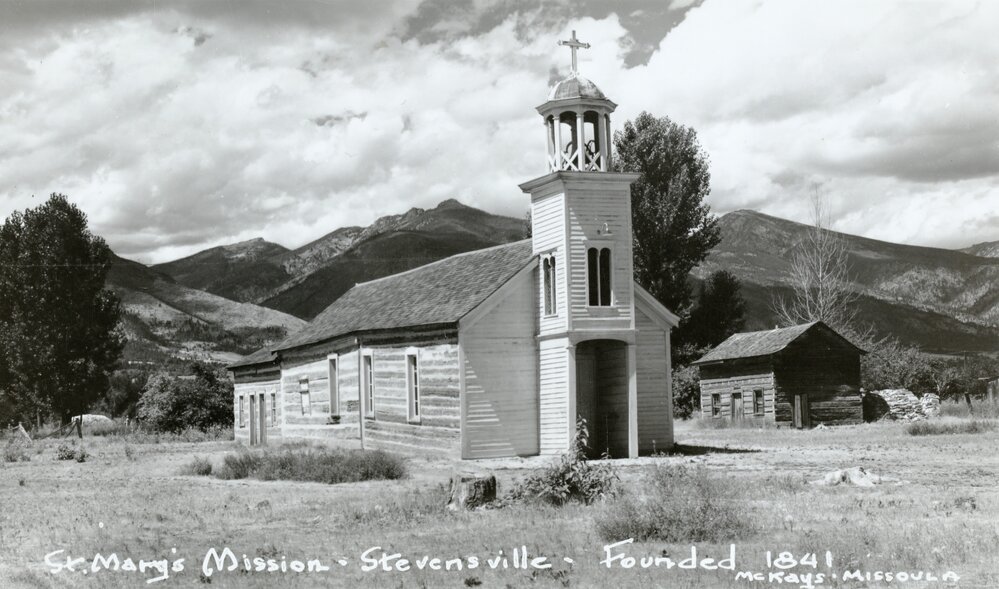
Historic St. Mary’s Mission: The Birthplace of Montana St. Mary’s Mission, a significant landmark in Stevensville, Montana, has played an instrumental role in shaping…
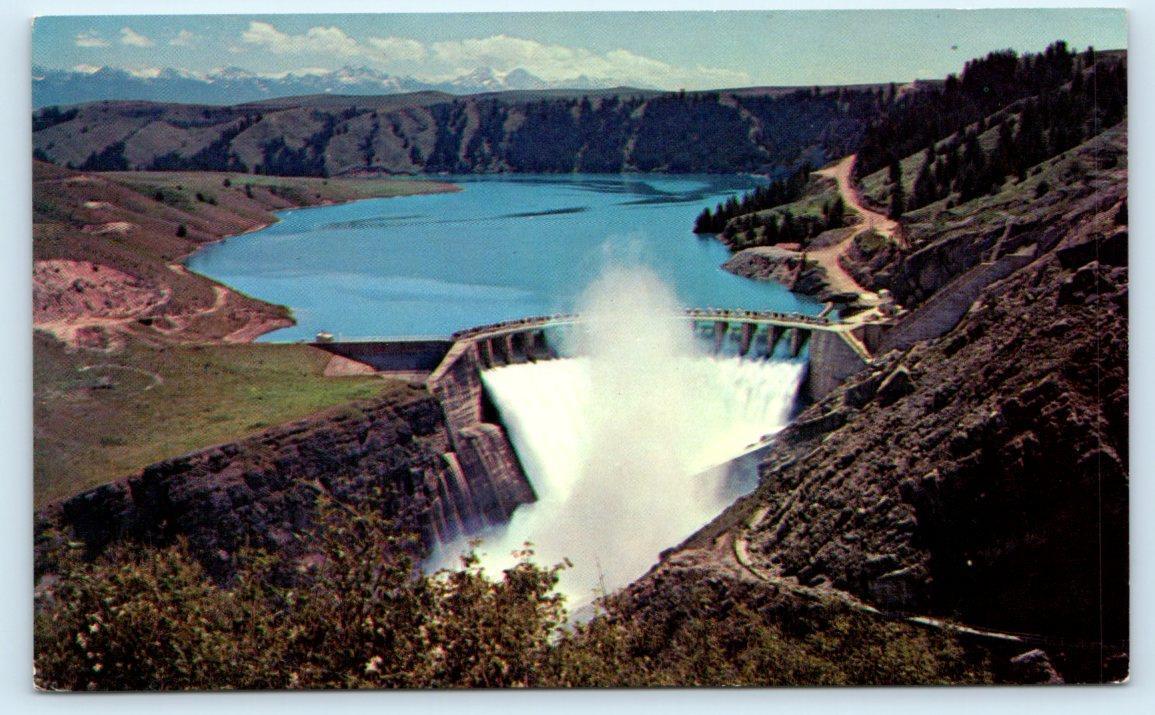
Seli’š Ksanka Qlispe’ Dam: A Marvel of Hydroelectric Power The Seli’š Ksanka Qlispe’ Dam, colloquially known as the SKQ Dam, is a monumental structure…